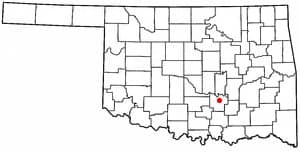
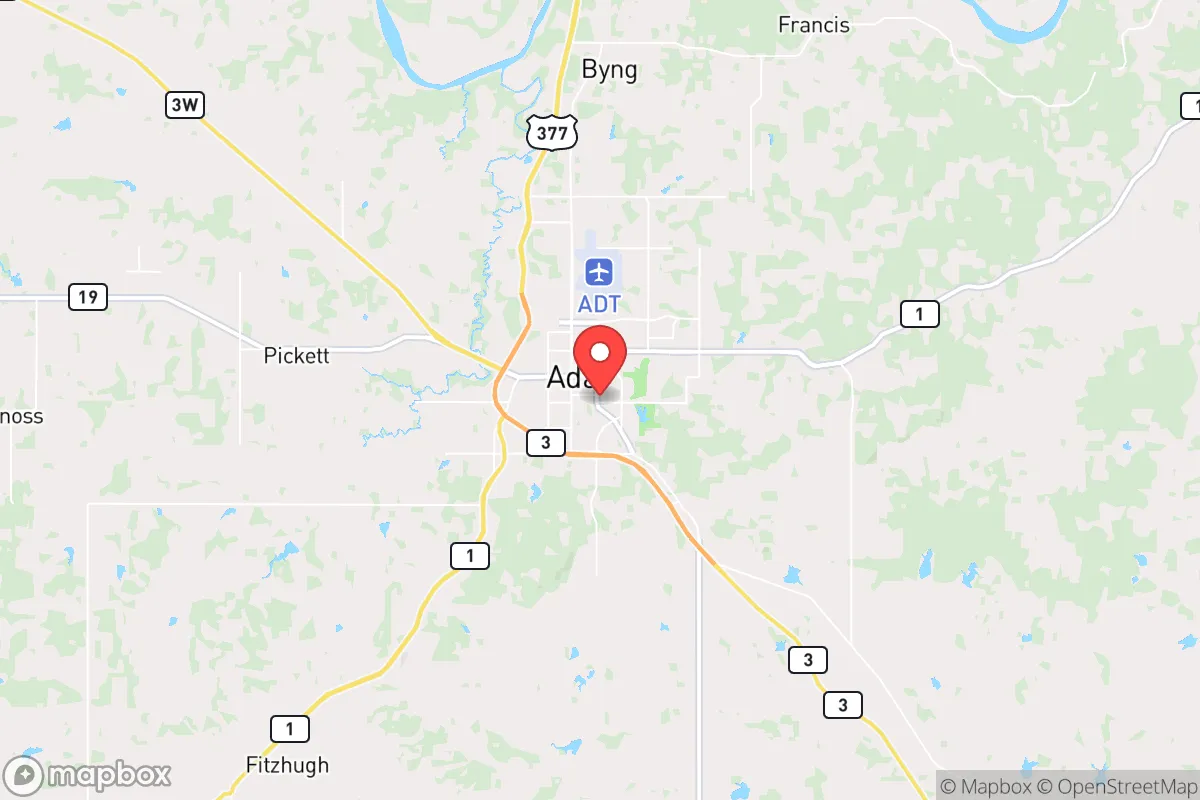
Photo: Wikipedia
Quality of Life in Ada, OK
A high quality of life with strong walkability, manageable living costs, healthy neighborhood signals, and solid amenity access.
What does Quality of Life tell us?
Quality of Life blends cost of living, nearby amenities, socioeconomic signals, and neighborhood character. City-level scores represent the whole municipality; individual neighborhoods can differ.
What does this tell us?
Quality of Life blends cost of living, nearby amenities, socioeconomic signals, and neighborhood character. City-level scores represent the whole municipality; individual neighborhoods can differ.
Cost of Living
30% below national average
The Real Cost of Living in Ada, OK for 2026
| Tier | Individual | Family (4) |
|---|---|---|
| Survival | $14k | $27k |
| Comfortable | $33k | $48k |
| Luxury | $94k+ | $145k+ |
| Elite (Top 5%) | $113k+ | $175k+ |
107%
The Area Signal
A metric tracking the socioeconomic signals of the area.
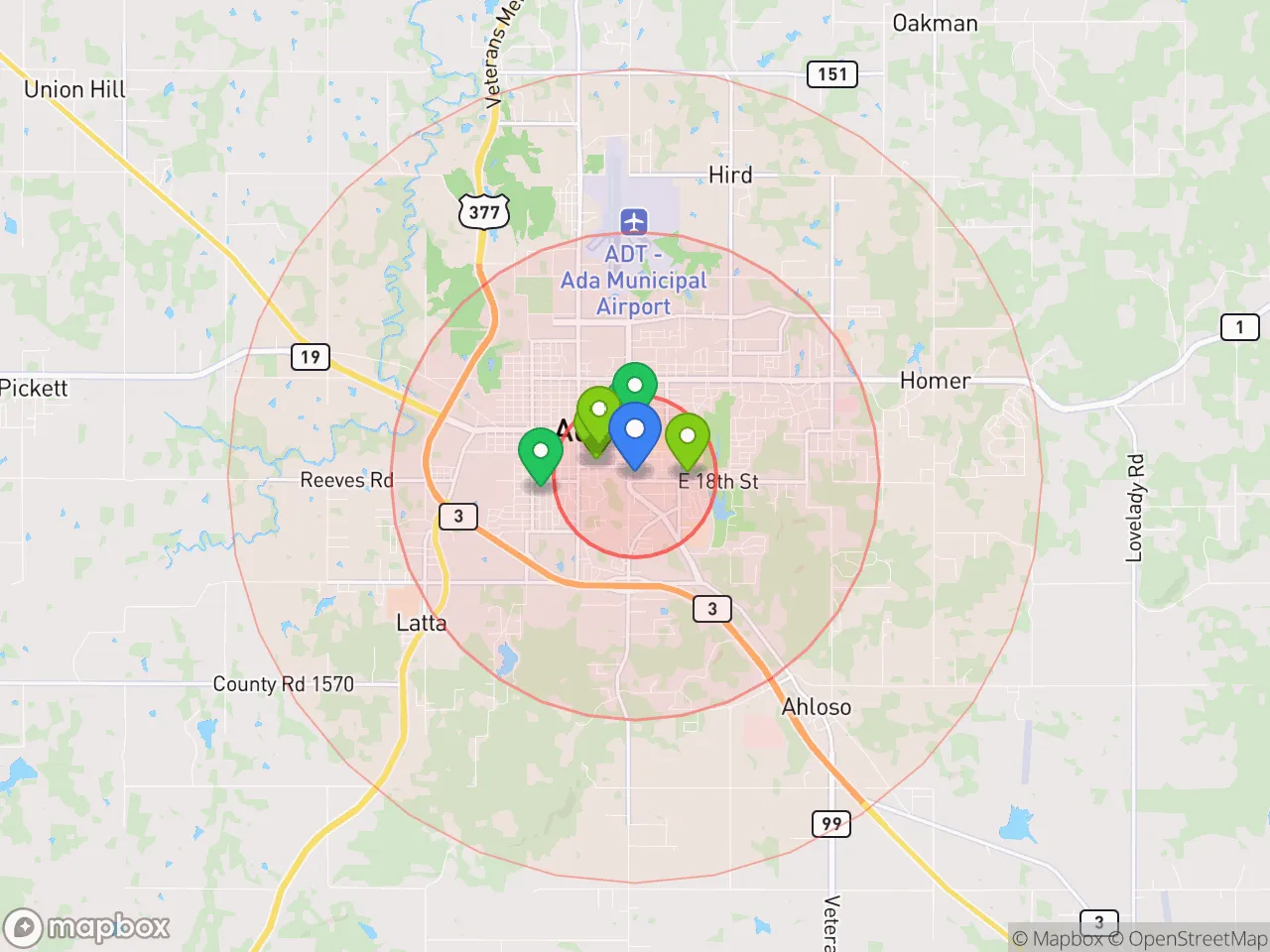
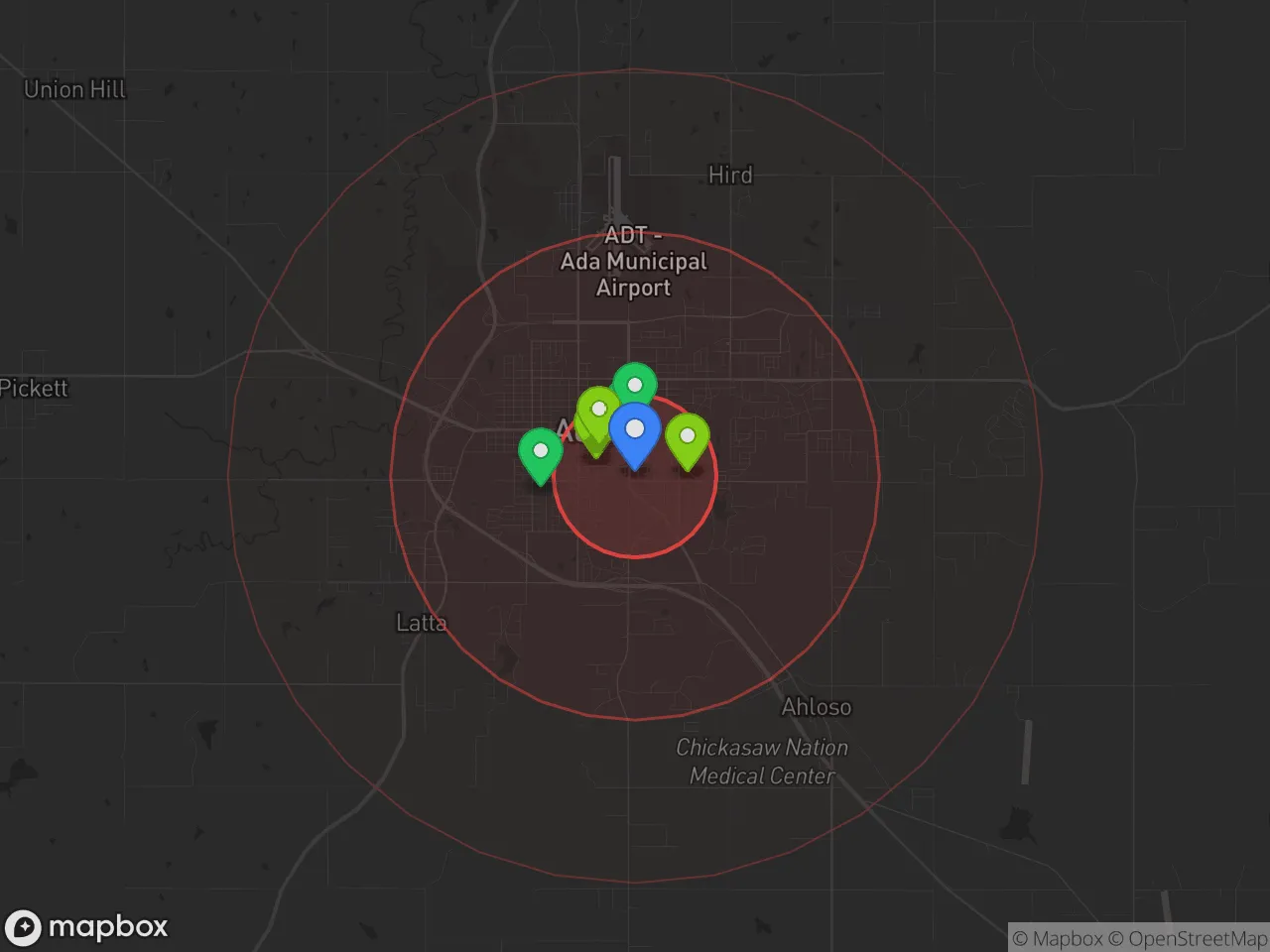
Hobbies
Explore the areaGroceries
2 within 10 miles
Gas
5 within 10 miles
Hospital
2 within 20 miles
Airport
DFW — Dallas/Fort Worth International
Post Office
USPS — Ada, OK
Critical Amenities
Quality-of-Life Analysis
Ada, Oklahoma, offers a notably affordable quality of life, with a cost of living index of 70—30% below the national average—attracting a mix of working families, retirees, and East Central University students. The city’s median household income of roughly $42,000 is lower than the national median, but the low housing costs and short commutes make it a practical choice for those seeking financial breathing room. The population of about 16,000 leans older and more settled than the state average, with a strong sense of community rooted in the university and local healthcare employers.
How housing costs and daily expenses compare to nearby cities
Ada’s housing market is a primary draw: the median home value sits at $169,300, well below Oklahoma’s state median of roughly $185,000 and dramatically cheaper than larger metros like Oklahoma City ($220,000+) or Tulsa ($200,000+). Median rent is $888 per month, making it one of the most affordable rental markets in the region for a town of its size. The average commute of 22.4 minutes is slightly longer than Ada’s small-town feel might suggest—many residents drive to jobs in nearby towns like Byng or even as far as Ardmore—but it remains well under the national average of 26 minutes. Utility costs are about 10% below the U.S. average, and grocery prices are similarly low, though residents pay a bit more for gasoline than the national norm due to rural distribution costs. Compared to the pricier college towns of Norman or Stillwater, Ada offers a clear affordability edge for buyers and renters alike.
What daily life is like for families and professionals
Daily life in Ada revolves around a handful of key anchors: East Central University (ECU) provides cultural events, continuing education, and a modest college-town energy, while Chickasaw Nation Medical Center and the nearby Mercy Hospital Ada are the largest employers, drawing healthcare professionals. The public school system, Ada City Schools, serves about 3,200 students and is rated average for Oklahoma, with Byng Public Schools just south offering a slightly higher-rated alternative. For shopping and dining, the town center has a mix of local diners and national chains along Main Street, but residents typically drive 75 minutes to Oklahoma City for major retail, entertainment, or specialized medical care. Outdoor recreation is limited but functional: the Ada Bike Trail and Lake Ada offer walking, fishing, and picnicking, while the nearby Chickasaw National Recreation Area in Sulphur (30 minutes south) provides hiking and swimming. The pace is slow and neighborly—community events like the annual AdaFest and ECU’s homecoming draw strong local turnout.
Ada is best suited for people who prioritize low housing costs and a quiet, predictable routine over urban amenities or career diversity. Families with young children will find the schools adequate and the crime rate moderate—property crime is slightly above the national average, but violent crime is low. Retirees on fixed incomes benefit from the low cost of living and proximity to healthcare, while ECU students and faculty enjoy a compact, walkable campus environment. Professionals in healthcare, education, or remote work will find the affordability compelling, but those seeking high-paying private-sector jobs, vibrant nightlife, or diverse cultural options should look to larger cities. For anyone who values financial stability and a tight-knit community above all else, Ada delivers a solid, unpretentious quality of life.

Crime in Ada, OK
Generally safer than 66% of comparable U.S. locations.
Violent CrimeViolent Crime Analysis
Property CrimeProperty Crime Analysis
Crime Analysis
Ada, Oklahoma, reports a violent crime rate of 234.9 incidents per 100,000 residents and a property crime rate of 1,939.6 per 100,000, placing it in a moderate risk category compared to national averages. While these figures indicate a safer environment than many larger metropolitan areas, residents should remain aware of local crime patterns and the broader judicial context in Pontotoc County. The city's safety profile is shaped by its size, economic factors, and the effectiveness of local law enforcement and prosecution policies.
Crime in context
Ada's violent crime rate of 234.9 per 100,000 is roughly 37% lower than the national average of about 380 per 100,000, and significantly below rates seen in major metro areas like Oklahoma City (approximately 700 per 100,000) or Tulsa (over 1,000 per 100,000). Property crime in Ada, at 1,939.6 per 100,000, is about 15% higher than the national average of roughly 1,700 per 100,000, but still well below the rates in many larger cities. Compared to the state of Oklahoma, which has a violent crime rate near 450 per 100,000 and a property crime rate around 2,500 per 100,000, Ada is safer on both counts. This suggests that while property theft and burglary are more common concerns, serious violent offenses like homicide and aggravated assault are less frequent than in many peer communities.
What residents experience
For Ada residents, the most common crime concerns involve property—theft from vehicles, burglary, and vandalism—rather than random violent attacks. The city's violent crime is often concentrated in specific circumstances, such as domestic disputes or incidents involving known parties, rather than posing a broad threat to the general public. However, the local justice system's approach to prosecution matters. In jurisdictions with progressive district attorneys who prioritize leniency or diversion programs over incarceration, recidivism can increase, putting more offenders back on the street. Ada and Pontotoc County have historically maintained a more traditional, law-and-order stance in their district attorney's office, which tends to result in higher conviction rates and longer sentences for violent and repeat offenders. This conservative judicial philosophy directly contributes to public safety by keeping dangerous individuals off the streets and deterring future crime.
Neighborhood-level variation in Ada is notable. Areas near East Central University and the downtown commercial corridor see higher foot traffic and correspondingly more property crime, particularly vehicle break-ins and shoplifting. Residential neighborhoods on the city's south and west sides, such as those around Byng and the newer subdivisions near Kerr Lab, generally report lower crime rates. Older, more transient neighborhoods near the city center or along major thoroughfares like Mississippi Avenue may experience elevated incidents. Prospective residents should consult the Ada Police Department's crime mapping tool or speak with local real estate agents to identify specific blocks with lower incident rates, as safety can vary significantly from street to street.
* Values derived from national, state, county, city and local statistics and may differ in a specific area. Last updated: 2026-04-21T19:40:24.000Z
Narrative content on this page is AI-generated and may contain mistakes. Verify any details that matter before acting on them.
ReloMaps may earn a commission from affiliate links at no extra cost to you.

