 Popular
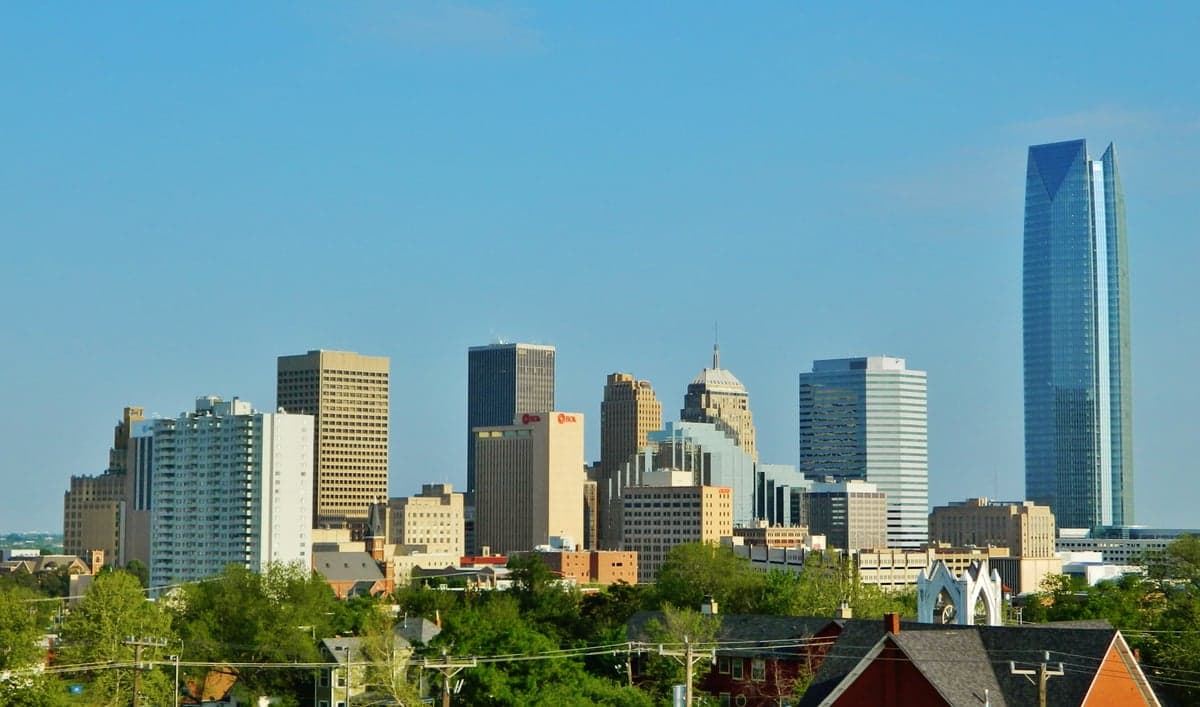
Photo: Wikipedia
Find The Best Places To Live
in Oklahoma City
PRO TIP! You can paste a Zillow or Redfin link to get info on that property.
What It's Like Living in Oklahoma City, OK
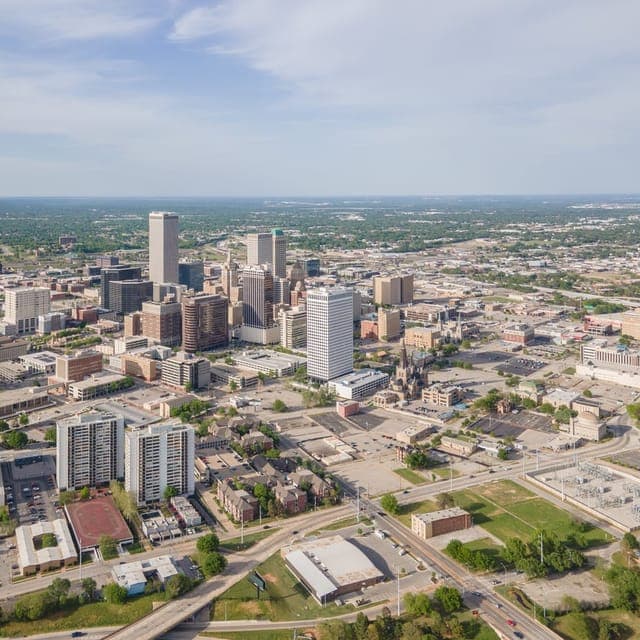
Oklahoma City has a way of surprising people. It’s a place where the sky stretches wide, the steaks are thick, and the pace of life feels deliberately slower than the coastal cities many residents left behind. You’ll find a mix of cowboy boots and tech startups, a thriving energy sector, and a community that genuinely waves at neighbors—but also a city grappling with real challenges like crime and sprawl.
The Daily Rhythm: What Life Actually Feels Like
Most days in OKC start early. The sun rises over the plains, and by 7:30 AM, the interstates—I-35, I-44, and the Broadway Extension—are moving at a steady clip. The average commute is just over 22 minutes, which feels almost luxurious compared to Dallas or Houston. People here value that time back. You’ll see families grabbing coffee at Elemental Coffee in Midtown or picking up kolaches from a local shop before heading to work. The median household income sits around $66,702, which goes a long way thanks to a cost of living index of 86—well below the national average. A median home value of $215,100 means a young family or a single professional can actually afford a house with a yard, something that’s becoming a fantasy in other metros.
Weekends often revolve around the outdoors. Myriad Botanical Gardens in the heart of downtown is a favorite for strolling, and the Oklahoma City Zoo draws crowds year-round. But the real local secret is the Lake Hefner trail system—perfect for biking, running, or just watching sailboats. The weather is a character in its own right: summers are hot and humid, winters are mild but can bring surprise ice storms, and spring means tornado season. Locals don’t panic; they just keep an eye on the radar and know where their storm shelter is.
Sports, Community, and the Thunder Effect
If there’s one thing that unites this city, it’s the Oklahoma City Thunder. The NBA team is a cultural anchor. On game nights, the Paycom Center fills with a blue-and-orange wave, and the energy spills onto the streets of Bricktown. College sports are also massive—University of Oklahoma football in Norman is a 20-minute drive south, and Oklahoma State is a couple hours north. High school football on Friday nights is a genuine community event, especially in suburbs like Edmond and Norman, where the stadiums rival small colleges. For a city of 688,693 people, the sports identity punches well above its weight.
Beyond the Thunder, the city has a surprising arts and festival scene. The Festival of the Arts in April turns downtown into a giant outdoor gallery and food court. The State Fair of Oklahoma in September is a big deal—think fried everything, livestock shows, and carnival rides. Music venues like The Criterion and Tower Theatre pull national acts, and the Plaza District is where you’ll find indie shops, taco joints, and a younger, more bohemian crowd.
Pros and Cons: What Locals Love and What Frustrates Them
What people love:
- Affordability. You can live comfortably on a middle-class income. A single person renting a one-bedroom in a good area can still save money. Parents appreciate that a solid home in a decent school district doesn’t require a six-figure salary.
- Friendliness. It’s not a cliché—people here are genuinely open. Neighbors bring over casseroles. Strangers hold doors. It’s a place where you can build a social network quickly if you make an effort.
- Space. The city is spread out, which means less crowding and more room to breathe. You can find a house with a garage and a backyard without breaking the bank.
What frustrates people:
- Crime. The violent crime rate is 678.2 per 100,000—significantly higher than the national average. This is concentrated in certain areas, but it’s a real concern for anyone considering a move. Most locals will tell you to research neighborhoods carefully, especially south of I-40 and east of I-35.
- Sprawl and car dependence. You need a car for everything. Public transit is limited, and the city’s layout means you’ll drive 20 minutes to get to a decent grocery store if you live in the outer suburbs. The walkability is improving downtown, but it’s not a pedestrian city.
- Weather extremes. The summers are long and hot, and the tornado threat is real. Most homes have storm shelters, and the city has a robust warning system, but it’s something you have to adapt to.
Who Fits In Here?
OKC works best for people who value stability over excitement and space over density. It’s a strong fit for young families who want good schools (the suburban districts like Edmond and Yukon are highly rated) and a slower pace. Single professionals in their 20s and 30s will find a growing social scene in areas like Midtown and Automobile Alley, but it’s not a 24-hour city—bars close by 2 AM, and the nightlife is more low-key than in Austin or Denver. The median age is 35, which reflects a population that’s settled but not old. About 34% of adults hold a college degree, so there’s a solid professional class, especially in energy, healthcare, and aviation (Tinker Air Force Base is a major employer). If you’re looking for a place where you can buy a home, raise kids, and actually know your neighbors, OKC delivers. If you want constant nightlife, walkable urbanism, or a cutting-edge cultural scene, you might find it a bit sleepy.

Similar mid-size cities to Oklahoma City
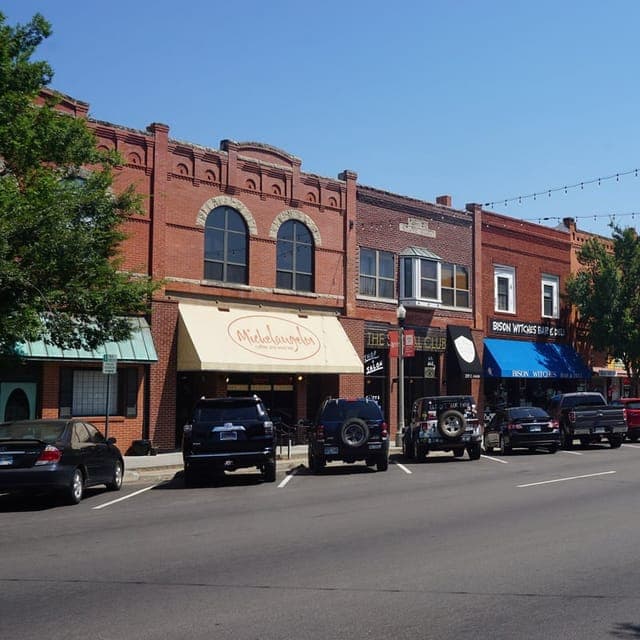
* Values derived from national, state, county, city and local statistics and may differ in a specific area. Last updated: 2026-04-25T13:49:21.000Z
Narrative content on this page is AI-generated and may contain mistakes. Verify any details that matter before acting on them.
ReloMaps may earn a commission from affiliate links at no extra cost to you.

