Photo: Wikipedia
Find The Best Places To Live
in Tulsa
PRO TIP! You can paste a Zillow or Redfin link to get info on that property.
What It's Like Living in Tulsa, OK
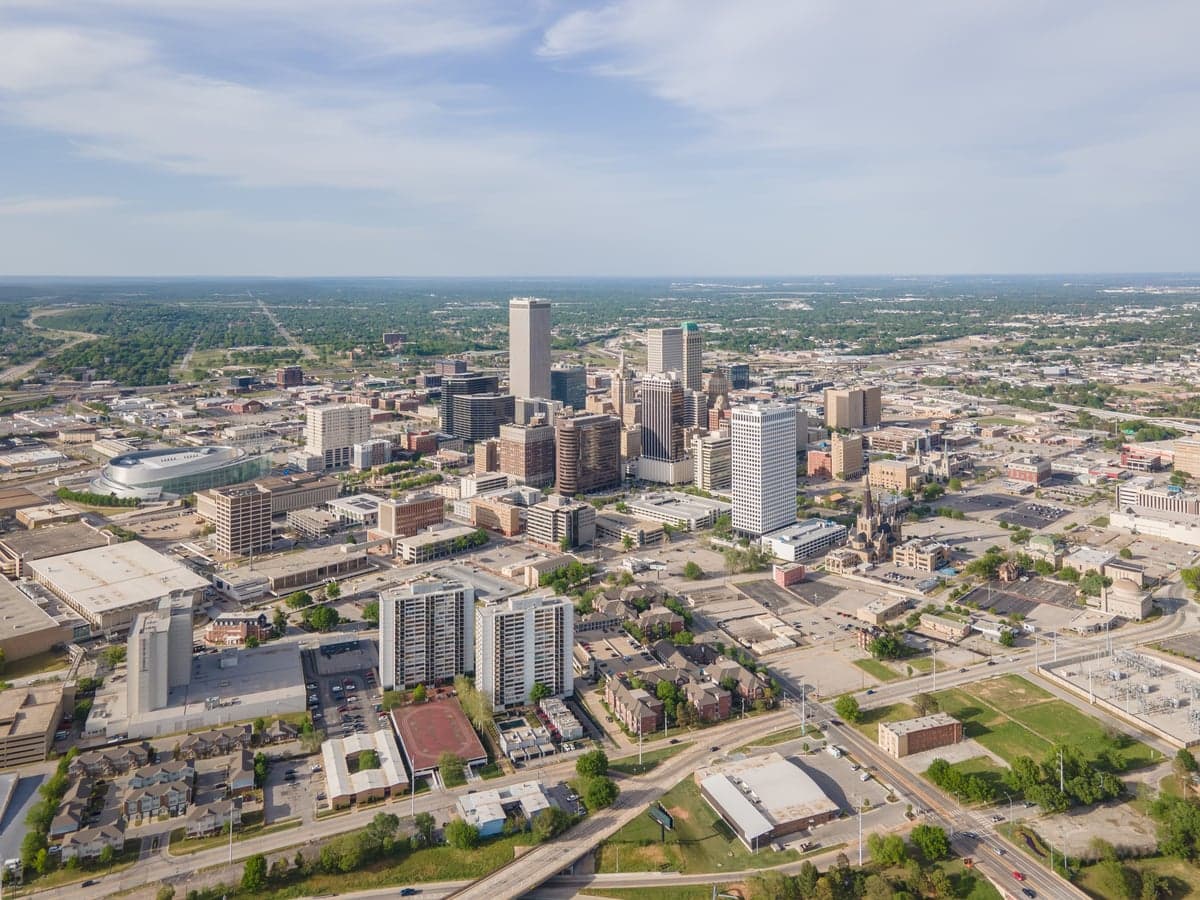
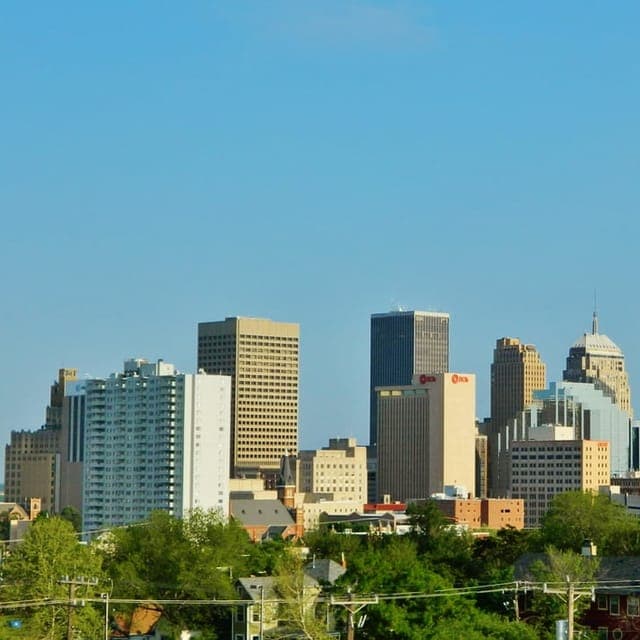
Tulsa has a way of surprising people. It’s big enough to have a real skyline and a thriving arts scene, but small enough that you still run into people you know at the grocery store. The city sits on the Arkansas River, with rolling green hills and a downtown that’s seen a genuine revival over the last decade. It’s a place where a family can buy a solid three-bedroom house for under $200,000, where the high school football game on Friday night is still a community event, and where you can grab a craft beer at a brewery that used to be a 1920s warehouse.
The Daily Rhythm: Laid-Back, Affordable, and Surprisingly Cultured
Life in Tulsa moves at a comfortable pace. The average commute is just under 19 minutes, which means most people are home in time to actually cook dinner or catch their kid’s soccer practice. The cost of living index sits at 78 — well below the national average — and that shows in how people spend their weekends. Instead of stressing about a mortgage, many Tulsans have the breathing room to enjoy a meal at Burn Co Barbecue in the Kendall-Whittier district or catch a show at the Cain’s Ballroom, a historic music venue that’s hosted everyone from Bob Dylan to the Strokes. The median household income is $58,407, which goes a lot further here than it would in Dallas or Denver. The median home value is $189,600, so first-time buyers and young families can actually get into a decent home without a six-figure salary.
Weekends often involve a mix of outdoors and local flavor. The Gathering Place — a 100-acre park along the river — is a genuine point of pride, with playgrounds, skate parks, and walking trails that draw families from all over the metro. On a Saturday morning, you’ll see people paddleboarding on the river, biking the trails, or grabbing coffee at Topeca Coffee in the Brady Arts District. The city has a strong blue-collar backbone, but it also attracts remote workers and creatives drawn by the low rent and growing food scene. The kind of person who fits in here is someone who values space and affordability over prestige, and who doesn’t mind a little grit alongside the polish.
Sports, Community, and the Things That Bring People Together
Sports are a big deal in Tulsa, but not in the way they are in a pro-sports city. There’s no NFL or NBA team, so the loyalty goes to the Tulsa Oilers (hockey), the FC Tulsa soccer club, and — most passionately — the local high school and college teams. On a Friday night in the fall, you’ll find entire neighborhoods at the local high school stadium, and the University of Tulsa Golden Hurricane football games draw a dedicated, if not massive, crowd. The Oklahoma State Cowboys and OU Sooners also have huge followings here, with watch parties at bars like Kilkenny’s Irish Pub on game days.
Beyond sports, the city has a strong festival rhythm. Mayfest brings artists and musicians to downtown in the spring, and Tulsa Tough is a nationally known cycling race that shuts down streets and draws crowds. The Blue Dome Arts Festival and the Oktoberfest in River West Festival Park are annual staples. One cultural quirk you’ll notice: Tulsans are proud of their art deco architecture. The downtown skyline is full of 1920s-era buildings, and the Philbrook Museum of Art (housed in an old oil baron’s mansion) is a favorite spot for a Sunday afternoon. There’s also a strong sense of local identity tied to the city’s oil and aviation history — people here remember that Tulsa was once the “Oil Capital of the World,” and they’re proud of the grit that built it.
Honest Pros and Cons: What Locals Love and What Frustrates Them
What locals love: The affordability, the lack of traffic, and the genuine friendliness of the people. You can get a nice dinner for two for under $60, and you can drive across town in 20 minutes. The arts scene is legitimately good for a city this size, and the outdoor access — from the Turkey Mountain Urban Wilderness trails to the Arkansas River — is a huge plus. The schools are a mixed bag, but there are strong options like Booker T. Washington High School and several well-regarded private and charter schools that anchor the community.
What frustrates them: The crime rate is a real concern. The violent crime rate is 817.8 per 100,000 residents, which is notably higher than the national average. While much of it is concentrated in specific areas, it’s something newcomers should be aware of when choosing a neighborhood. The weather is also a factor — summers are hot and humid, with temperatures regularly hitting the upper 90s, and spring brings severe storms and tornado warnings that require a weather radio and a plan. Winters are mild but can be icy and unpredictable. Another common gripe is that while the city has great pockets, some parts feel a bit run-down or lacking in investment. The median age is 35.5, and about a third of adults have a college degree, so the population skews younger and more educated than you might expect, but the job market outside of energy, healthcare, and aviation can feel limited.
Overall, Tulsa works best for people who want a real community — not a transient city — and who are willing to trade some polish for affordability and space. It’s a place where you can buy a house, know your neighbors, and still have a decent concert or museum to visit on a Saturday night. The quirks are part of the charm: the tornado sirens, the fierce local pride, and the fact that everyone has an opinion on the best barbecue joint. It’s not for everyone, but for the right person, it feels like home.

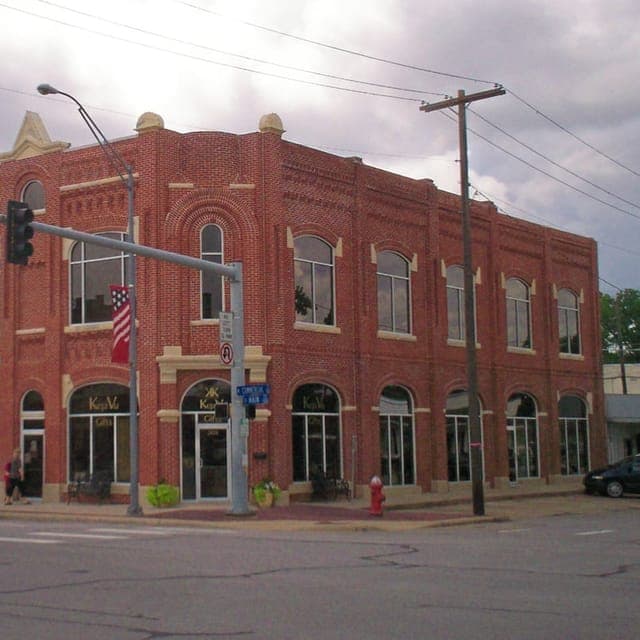
Similar mid-size cities to Tulsa
* Values derived from national, state, county, city and local statistics and may differ in a specific area. Last updated: 2026-04-13T06:21:49.000Z
Narrative content on this page is AI-generated and may contain mistakes. Verify any details that matter before acting on them.
ReloMaps may earn a commission from affiliate links at no extra cost to you.

