Photo: Wikipedia
Find The Best Places To Live
in Akron
PRO TIP! You can paste a Zillow or Redfin link to get info on that property.
What It's Like Living in Akron, OH
Akron, Ohio, is a city that feels like it’s perpetually in the middle of a comeback story—proud of its rubber-and-tire industrial past but trying to figure out what comes next. You’ll find a mix of old-school blue-collar grit and pockets of creative energy, with a cost of living so low it almost feels like a cheat code. It’s not a polished, shiny place, but for the right person—someone who values affordability, community roots, and a slower pace—it can feel like a real find.
The Daily Rhythm: What People Actually Do
Most days in Akron move at a steady, unhurried pace. The average commute clocks in at just over 22 minutes, which means you’re not burning an hour of your life on the highway. People shop at the Summit Mall or the local Acme grocery stores, and weekends often revolve around home projects, youth sports, or grabbing a beer at a place like R. Shea Brewing in the Merriman Valley. The Cuyahoga Valley National Park is a 15-minute drive from downtown, and it’s where you’ll find locals hiking the Towpath Trail or biking along the Ohio & Erie Canal. The city’s median age is 37.2, so you’re looking at a population that’s largely settled—families raising kids, empty-nesters downsizing, and a fair number of people working in healthcare or manufacturing. It’s not a town for nightlife hunters; bars close early, and the big social scene is more about church groups, school events, and backyard cookouts.
Sports, Community, and the Local Identity
Akron doesn’t have its own major pro sports team, but that doesn’t mean people aren’t passionate. The Akron RubberDucks (the Double-A affiliate of the Cleveland Guardians) draw solid crowds at Canal Park downtown—it’s a cheap, family-friendly night out where a hot dog and a beer won’t break the bank. High school football is a genuine big deal here, especially at schools like Archbishop Hoban or St. Vincent-St. Mary, where LeBron James famously played. Speaking of LeBron: he’s still the city’s most famous export, and his I PROMISE School is a tangible source of local pride. On the college side, the University of Akron Zips get decent attention for soccer and basketball, but they don’t dominate the conversation like Ohio State does. The cultural quirk you’ll notice is a kind of stubborn, self-deprecating pride—Akronites know their city isn’t glamorous, but they’ll defend it fiercely to outsiders.
What’s There to Do: Entertainment, Food, and Outdoors
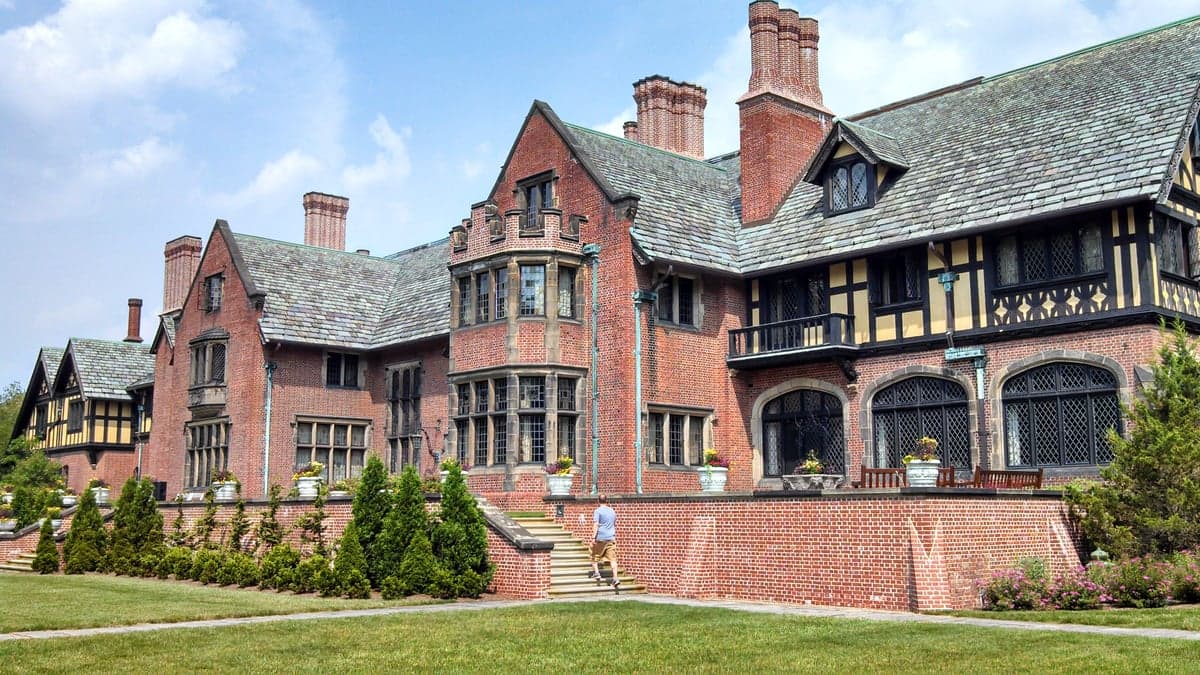
For a city of 189,526 people, Akron punches above its weight in certain areas. The Akron Art Museum is a legitimately good small museum with a striking modern building. The annual Akron Marathon draws thousands, and the National Hamburger Festival in August is exactly what it sounds like—a messy, fun celebration of local burger joints. Music venues like the Akron Civic Theatre (a gorgeous old movie palace) and Musica host everything from indie bands to tribute acts. For outdoors, the Gorge Metro Park has a waterfall and solid hiking, and the Stan Hywet Hall & Gardens is a historic estate that feels like a mini-Versailles. Restaurant-wise, locals swear by Swensons Drive-In for its Galley Boy burger and Luigi’s Restaurant for no-frills Italian. The food scene is improving but still leans heavily on comfort food—don’t expect cutting-edge cuisine.
Pros and Cons of Living Here
- Pro: Cost of living is absurdly low. With a cost-of-living index of 64 (100 is the U.S. average) and a median home value of $111,200, you can actually buy a house on a median income of $48,544. That’s a freedom you don’t get in most of the country.
- Con: Violent crime is a real concern. The rate sits at 865.2 per 100,000 residents—well above the national average. It’s concentrated in certain neighborhoods, but it’s something you have to be aware of, especially if you’re a single person living alone or a parent choosing a school zone.
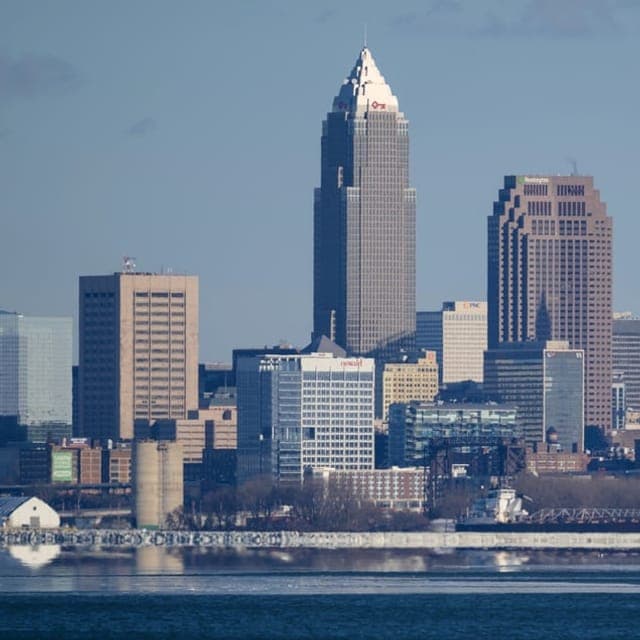
- Pro: You’re close to everything. Cleveland is 40 minutes north, the Cuyahoga Valley National Park is in your backyard, and you can be in Pittsburgh or Columbus in under two hours. It’s a good hub for weekend trips.
- Con: The job market is limited. The big employers are Summa Health, Akron Children’s Hospital, and a few manufacturing holdouts. If you’re not in healthcare, education, or a trade, you might struggle to find work that pays well.
- Pro: The seasons are real. You get a proper winter (snow, ice, the works), a vibrant spring, a humid summer, and a gorgeous fall. It’s not for everyone, but if you like seasonal rhythm, Akron delivers.
Only 23.3% of adults here hold a bachelor’s degree or higher, which is below the national average. That shapes the feel of the city—it’s less about white-collar ambition and more about practical, hands-on living. The schools are a mixed bag; suburban districts like Hudson or Stow get high marks, but Akron Public Schools face the usual urban challenges. For a conservative-leaning audience, the area’s politics lean more moderate-to-conservative outside the city limits, with Summit County overall trending purple. The weather is gray and cloudy a lot—especially from November through March—and that seasonal affective gloom is a genuine downside for some. But the trade-off is a community where people still know their neighbors, where a $100,000 house can be a solid starter home, and where you can actually build a life without being crushed by debt. It’s not for everyone, but for the right person, Akron is a place you can settle into and make your own.

Similar small cities to Akron


* Values derived from national, state, county, city and local statistics and may differ in a specific area. Last updated: 2026-04-21T19:21:18.000Z
Narrative content on this page is AI-generated and may contain mistakes. Verify any details that matter before acting on them.
ReloMaps may earn a commission from affiliate links at no extra cost to you.

