Photo: Wikipedia
Quality of Life in Akron, OH
A high quality of life with strong walkability, manageable living costs, healthy neighborhood signals, and solid amenity access.
What does Quality of Life tell us?
Quality of Life blends cost of living, nearby amenities, socioeconomic signals, and neighborhood character. City-level scores represent the whole municipality; individual neighborhoods can differ.
What does this tell us?
Quality of Life blends cost of living, nearby amenities, socioeconomic signals, and neighborhood character. City-level scores represent the whole municipality; individual neighborhoods can differ.
Cost of Living
36% below national average
The Real Cost of Living in Akron, OH for 2026
| Tier | Individual | Family (4) |
|---|---|---|
| Survival | $15k | $28k |
| Comfortable | $24k | $36k |
| Luxury | $88k+ | $136k+ |
| Elite (Top 5%) | $104k+ | $161k+ |
135%
The Area Signal
A metric tracking the socioeconomic signals of the area.
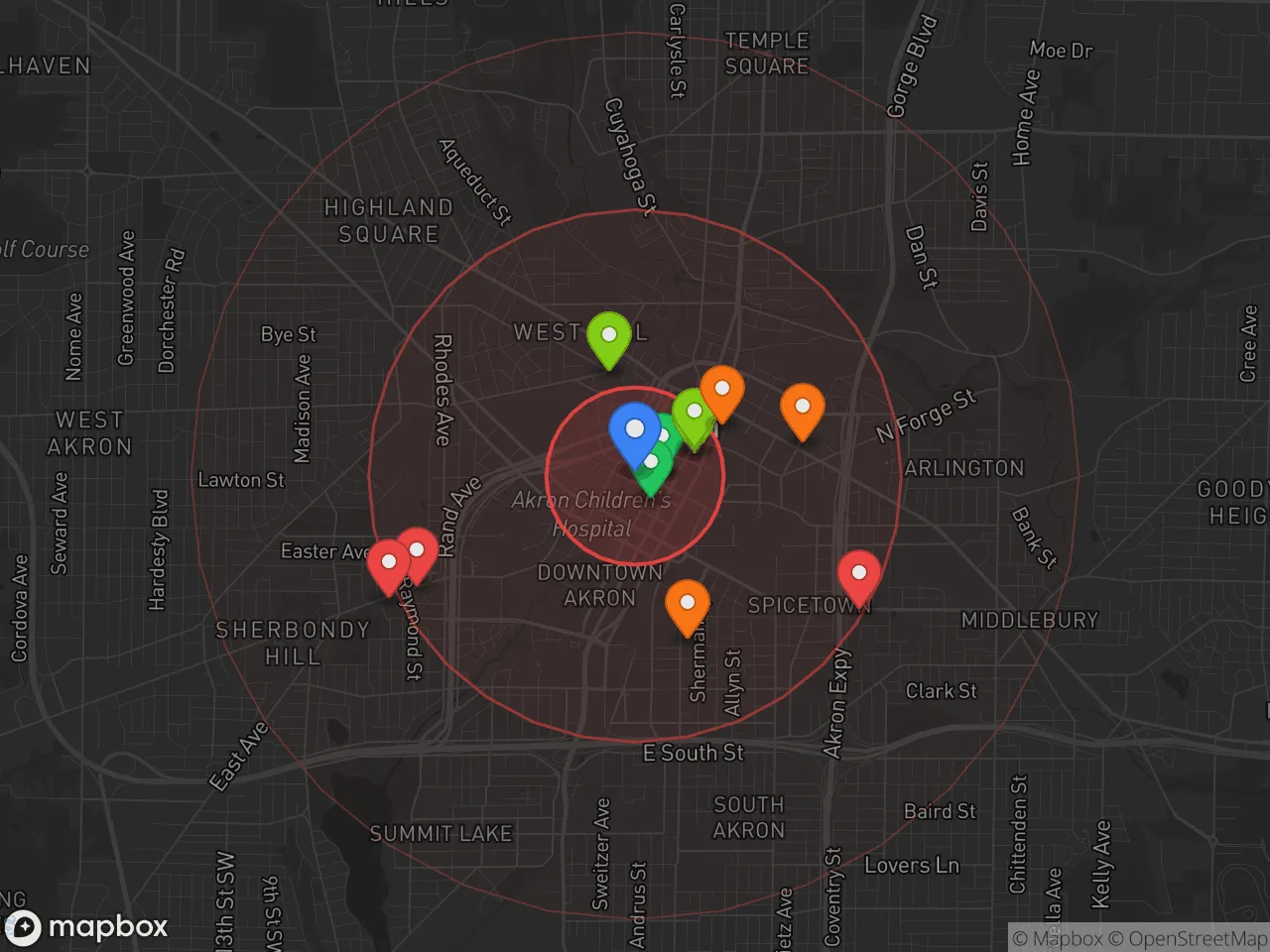
Hobbies
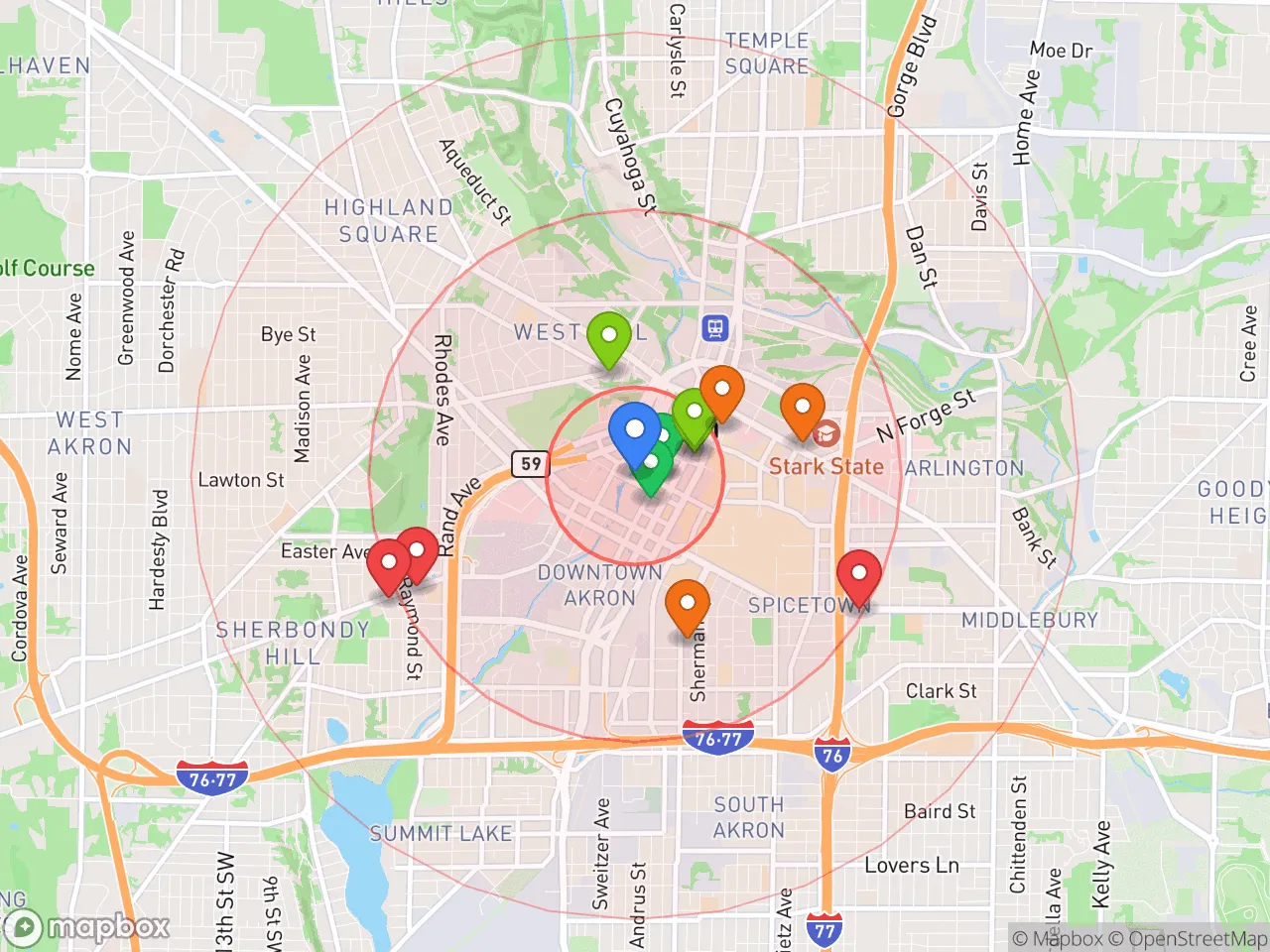
Explore the areaGroceries
5 within 10 miles
Gas
20 within 10 miles
Hospital
20 within 20 miles
Airport
Pittsburgh International Airport
Post Office
USPS — Akron, OH
Critical Amenities
Quality-of-Life Analysis
Akron, Ohio, offers a quality of life defined by its remarkably low cost of living, attracting a mix of working-class families, young professionals from the University of Akron, and retirees seeking affordable stability. With a cost-of-living index of 64—36% below the national average—the city provides a financial cushion that allows residents to own homes and save money in ways that are increasingly difficult in larger metros. The population skews toward middle-income earners, with a notable presence of healthcare and manufacturing workers tied to the region’s legacy industries, alongside a growing creative class drawn to the city’s revitalized downtown and arts scene.
How affordable is Akron compared to Cleveland or Columbus?
Akron’s affordability is its strongest draw, with a median home value of just $111,200 and a median rent of $930—figures that are roughly half of what you would find in Columbus or the more desirable suburbs of Cleveland. For context, the median home value in nearby Cleveland is about $85,000, but Akron offers a larger inventory of historic homes and newer townhomes in neighborhoods like Highland Square and Wallhaven. The average commute of 22.2 minutes is shorter than the national average of 26 minutes, meaning residents spend less time in traffic and more time at home. This combination of low housing costs and a manageable commute makes Akron particularly attractive for remote workers or those employed at major local employers like Summa Health, FirstEnergy, or Goodyear Tire & Rubber Company, whose headquarters remain in the city.
What are the best schools and daily-life amenities in Akron?
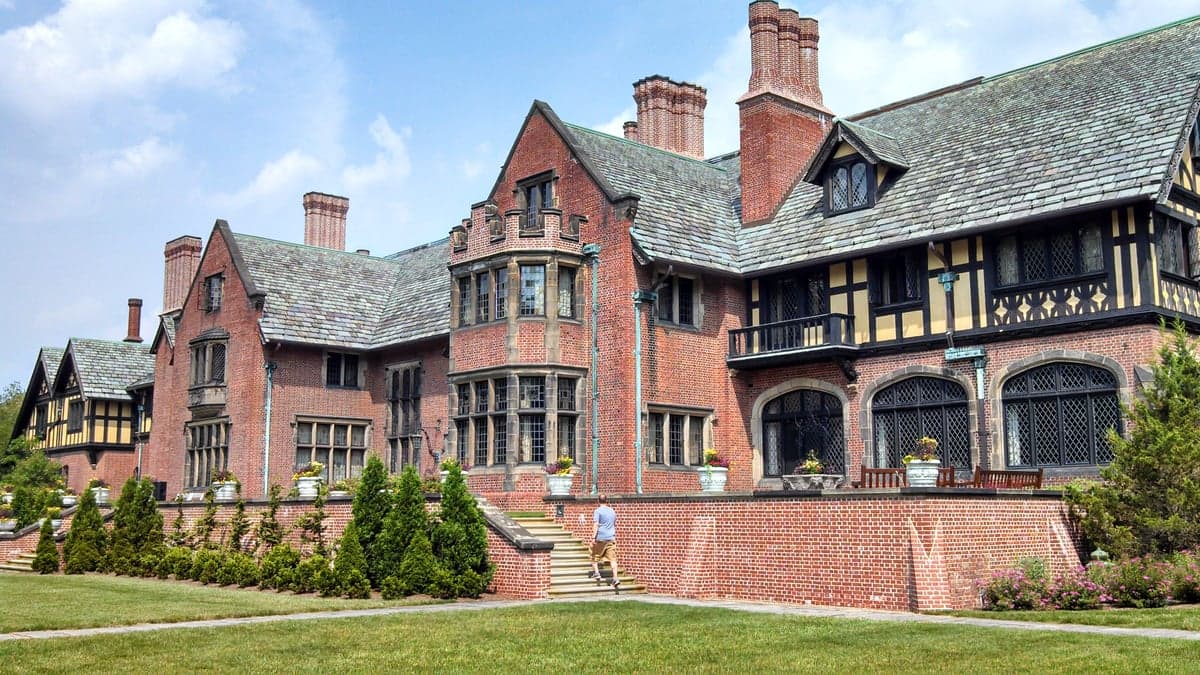
Daily life in Akron revolves around a mix of established institutions and emerging neighborhood hubs. The Akron Public Schools district includes several well-regarded magnet programs, such as the Akron Early College High School (ranked among Ohio’s top high schools) and the National Inventors Hall of Fame STEM School. For higher education, the University of Akron anchors the city with cultural events and a 23,000-student campus. Amenities are concentrated in the downtown area, which has seen a resurgence with the Akron Art Museum, Lock 3 Park’s concert series, and the Northside District’s breweries and restaurants. Families often spend weekends at the Stan Hywet Hall & Gardens (a 65-room Tudor Revival mansion) or hiking the 33-mile Ohio & Erie Canal Towpath Trail, which runs directly through the city. The Cuyahoga Valley National Park, just 15 minutes north, provides additional outdoor recreation without requiring a long drive.
Who would thrive most in Akron’s current environment?
Akron is best suited for individuals and families who prioritize financial breathing room over urban glamour. First-time homebuyers, retirees on fixed incomes, and young professionals who work in healthcare, education, or manufacturing will find the cost structure liberating. The city’s slower pace—with a median age of 36—and strong sense of community in neighborhoods like Highland Square (known for its independent shops and walkability) appeal to those who value authenticity over trendiness. However, residents should be prepared for Ohio’s cold winters and a job market that, while stable, offers fewer high-paying tech or finance roles than Columbus or Cincinnati. For those who can tolerate the weather and want to own a home outright within a few years, Akron represents one of the most undervalued quality-of-life bargains in the Midwest.

Crime in Akron, OH
Significantly higher crime rates than 76% of comparable U.S. locations.
Violent CrimeViolent Crime Analysis
Property CrimeProperty Crime Analysis
Crime Analysis
Akron, Ohio, reports a violent crime rate of 865.2 per 100,000 residents and a property crime rate of 2,832.6 per 100,000, placing it among the higher-risk cities in the state for personal safety. These figures reflect a community where crime is a significant concern, particularly when compared to national averages and the broader context of Summit County. The city's challenges are compounded by a justice system influenced by progressive policies that prioritize offender rehabilitation over public safety, a dynamic that has tangible consequences for residents and visitors alike.
Crime in context
Akron's violent crime rate of 865.2 per 100,000 is more than double the national average of roughly 380 per 100,000 and significantly exceeds the Ohio state average of approximately 300 per 100,000. Property crime, at 2,832.6 per 100,000, also runs well above the national benchmark of around 1,950 per 100,000. These numbers place Akron in a tier with other mid-sized Rust Belt cities that have struggled with economic disinvestment and population loss. The presence of liberal judges and district attorneys in Summit County, who often favor diversion programs and reduced sentences, is a contributing factor—such policies, while sympathetic to offenders, result in more repeat offenders on the street and undermine justice for victims and the general public.
What residents experience
For those living in Akron, the high crime rates translate into daily vigilance. Violent offenses—including aggravated assault, robbery, and homicide—are concentrated in specific neighborhoods but can occur citywide. Property crimes like burglary, theft, and motor vehicle theft are pervasive, with car break-ins and package thefts being routine complaints in many residential areas. Residents often report feeling unsafe walking alone after dark, and many avoid certain commercial corridors entirely. The progressive criminal justice approach in the region, which emphasizes alternatives to incarceration, has been linked to higher recidivism rates and a perception that law enforcement's ability to deter crime is weakened.
Neighborhood-level variation
Safety in Akron is not uniform. The West Side neighborhoods like Fairlawn Heights and Merriman Valley generally see lower crime rates, while areas such as Kenmore, Middlebury, and parts of East Akron experience the highest concentrations of violent and property crime. The downtown core has seen investment and increased police presence, but property crime remains a persistent issue. Prospective residents should research specific block-level data and consider that the city's overall progressive judicial environment means that even in safer pockets, the risk of encountering repeat offenders released under lenient policies is elevated compared to jurisdictions with tougher sentencing laws.
* Values derived from national, state, county, city and local statistics and may differ in a specific area. Last updated: 2026-04-21T19:21:18.000Z
Narrative content on this page is AI-generated and may contain mistakes. Verify any details that matter before acting on them.
ReloMaps may earn a commission from affiliate links at no extra cost to you.

