Photo: Wikipedia
Find The Best Places To Live
in Dayton
PRO TIP! You can paste a Zillow or Redfin link to get info on that property.
What It's Like Living in Dayton, OH
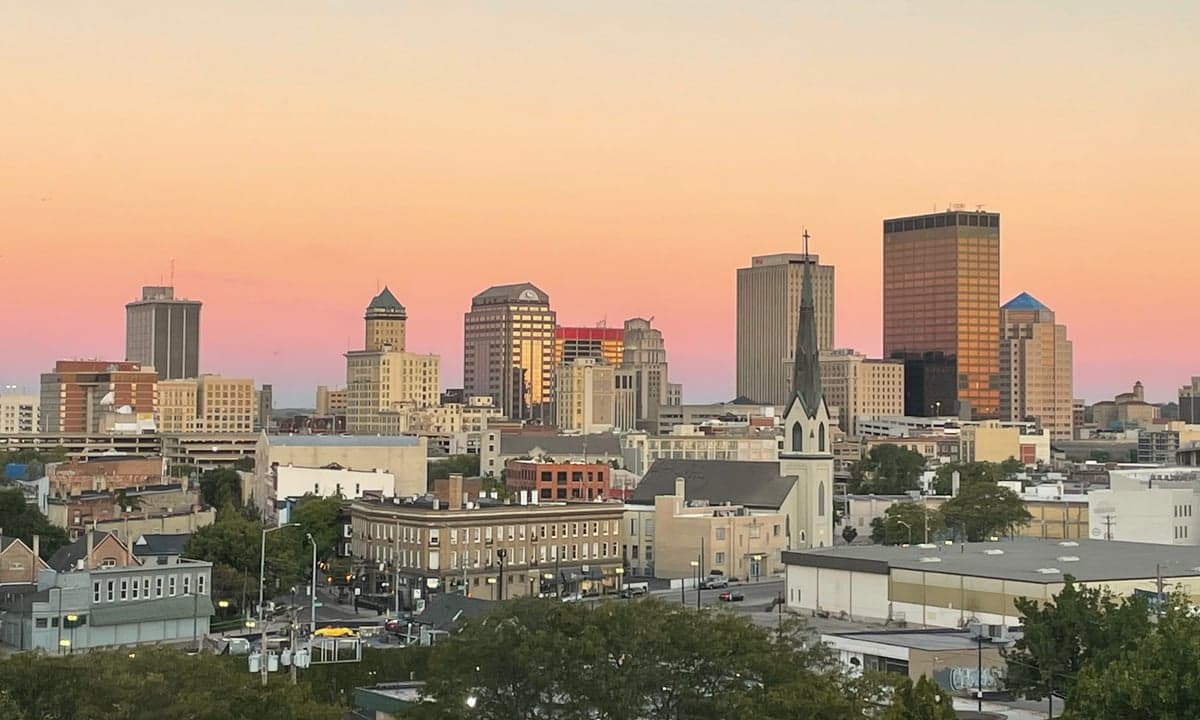
Dayton has a scrappy, hardworking vibe that feels more like a big town than a small city. It’s the kind of place where people know their neighbors, high school football games are a big deal, and you can still buy a decent house for under $100,000. The city has taken some hard hits over the decades, but the people here are proud, resilient, and quick to help a stranger—and that’s the real draw for someone looking for an affordable, grounded place to build a life.
The Daily Rhythm: What People Actually Do
A typical weekday in Dayton moves at a relaxed pace. The average commute is just over 20 minutes, so you’re not losing hours of your life to traffic. Most people work in manufacturing, healthcare, or logistics—Wright-Patterson Air Force Base is the region’s largest employer, and Premier Health and Kettering Health are major players. You’ll see a lot of folks grabbing coffee at Ghostlight Coffee in the South Park neighborhood before heading to work, or stopping by Bill’s Donut Shop (a local institution since the 1950s) for a classic glazed donut. Weekends often mean hitting the Dayton MetroParks system—it’s one of the best in the Midwest, with 20 parks and 30 miles of paved trails. The Five Rivers MetroParks are a point of pride, especially the Hills & Dales MetroPark for hiking and the RiverScape MetroPark downtown for summer concerts and kayaking on the Great Miami River.
Sports & Community: Where Loyalty Runs Deep
Dayton is a sports town, but not in the flashy, big-market way. The Dayton Dragons minor-league baseball team holds the national record for consecutive sellouts—over 1,400 games—because the community genuinely shows up. Games at Day Air Ballpark are cheap, family-friendly, and a summer ritual. High school football is also a serious affair, especially at Wayne High School and Northmont, where Friday night games draw thousands. College basketball fans are passionate about the University of Dayton Flyers (UD), whose arena, UD Arena, hosts the First Four of the NCAA tournament every year. If you’re not into sports, you’ll still feel the energy during March Madness—the whole city buzzes.
What’s There to Do: Festivals, Food, and Quirks
Dayton punches above its weight for entertainment. The Dayton Art Institute is a gem—free on weekends and houses a solid collection, plus a great view of the city from the hill. The National Museum of the U.S. Air Force at Wright-Patterson is world-class and free, with four massive hangars of aircraft. For music, The Brightside and Yellow Cab Tavern host local and touring acts, while the Dayton Philharmonic plays at the Schuster Center. Festivals are a big deal: the Dayton Air Show in July is one of the largest in the country, and the Urban Nights event in spring showcases downtown art, food, and music. Food-wise, you can’t skip Marion’s Piazza for Dayton-style square-cut pizza with a thin, cracker-like crust, or Jersey Mike’s (yes, it started here) for subs. The Oregon District is the main nightlife strip—bars like Wheat Penny and Blind Bob’s draw a mix of young professionals and old-timers.
Pros and Cons of Living Here
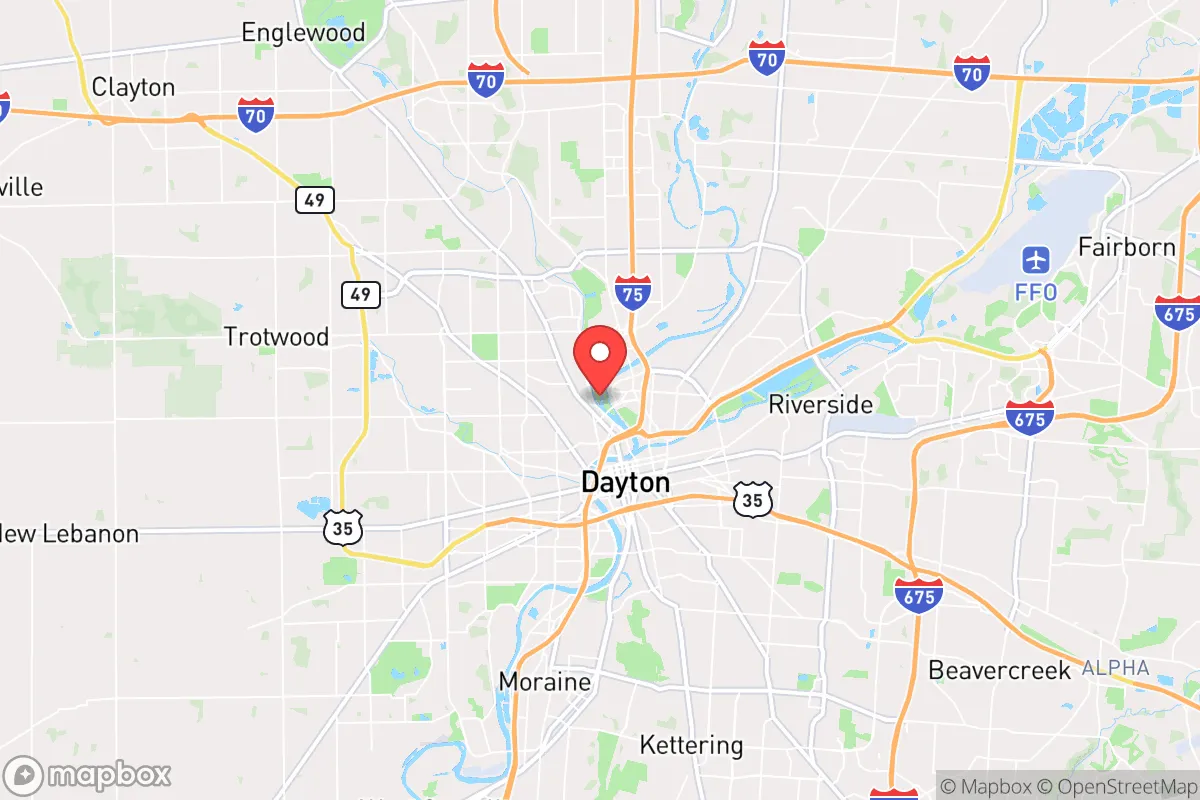
Let’s be honest: Dayton has real trade-offs. On the plus side, the cost of living is almost absurdly low. With a median home value of $93,200 and a cost-of-living index of 58 (42% below the national average), a family can live comfortably on a median income of $43,454. You can buy a three-bedroom house in a decent neighborhood like Oakwood or Kettering for under $150,000. The weather is classic Midwest—four distinct seasons, with hot, humid summers and cold, snowy winters. Spring and fall are gorgeous, but winter can drag. Traffic is never a real problem; you can get from one side of town to the other in 25 minutes.
The biggest downside is crime. The violent crime rate is 257.1 per 100,000, which is higher than the national average. Most of it is concentrated in specific areas (like the west side and parts of the inner city), but it’s something to be aware of. Many families choose to live in the inner-ring suburbs—Centerville, Beavercreek, or Bellbrook—where crime is much lower and schools are highly rated. The city’s public schools have struggled, so if you have kids, you’ll want to research districts carefully. Another frustration is the lack of high-end retail and dining—Dayton isn’t a place for luxury shopping or Michelin-star restaurants. You’ll find solid chains and local gems, but if you want a Nordstrom or a really upscale steakhouse, you’re driving to Columbus or Cincinnati (about an hour each way).
Culturally, Dayton has a few quirks. People here are fiercely loyal to their local pizza style (square-cut, thin crust, slightly sweet sauce). The city is also the birthplace of the Wright brothers, and you’ll see aviation references everywhere—from street names to the Wright B Flyer that flies over the air show. There’s a strong sense of “we’re in this together,” especially after the 2019 tornadoes and the 2019 Oregon District shooting, which brought the community closer. The median age is 34.2, so it’s a relatively young city, but only 20.7% of adults hold a bachelor’s degree—so the workforce is more blue-collar than white-collar. If you’re a single person or a parent looking for an affordable, no-frills place where people actually know each other, Dayton fits. If you want a booming nightlife or a fast-paced career scene, you’ll probably feel bored.

Similar small cities to Dayton

* Values derived from national, state, county, city and local statistics and may differ in a specific area. Last updated: 2026-04-21T18:42:13.000Z
Narrative content on this page is AI-generated and may contain mistakes. Verify any details that matter before acting on them.
ReloMaps may earn a commission from affiliate links at no extra cost to you.

