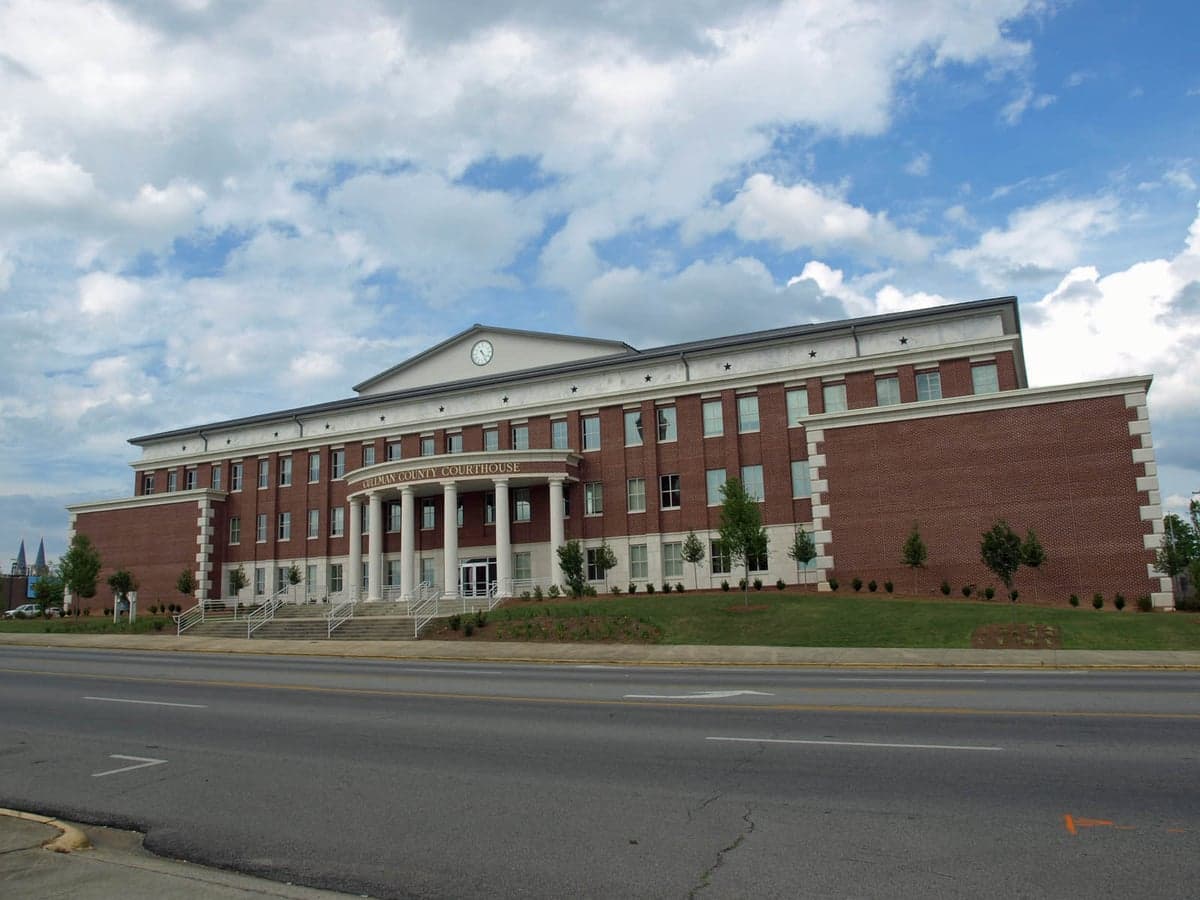
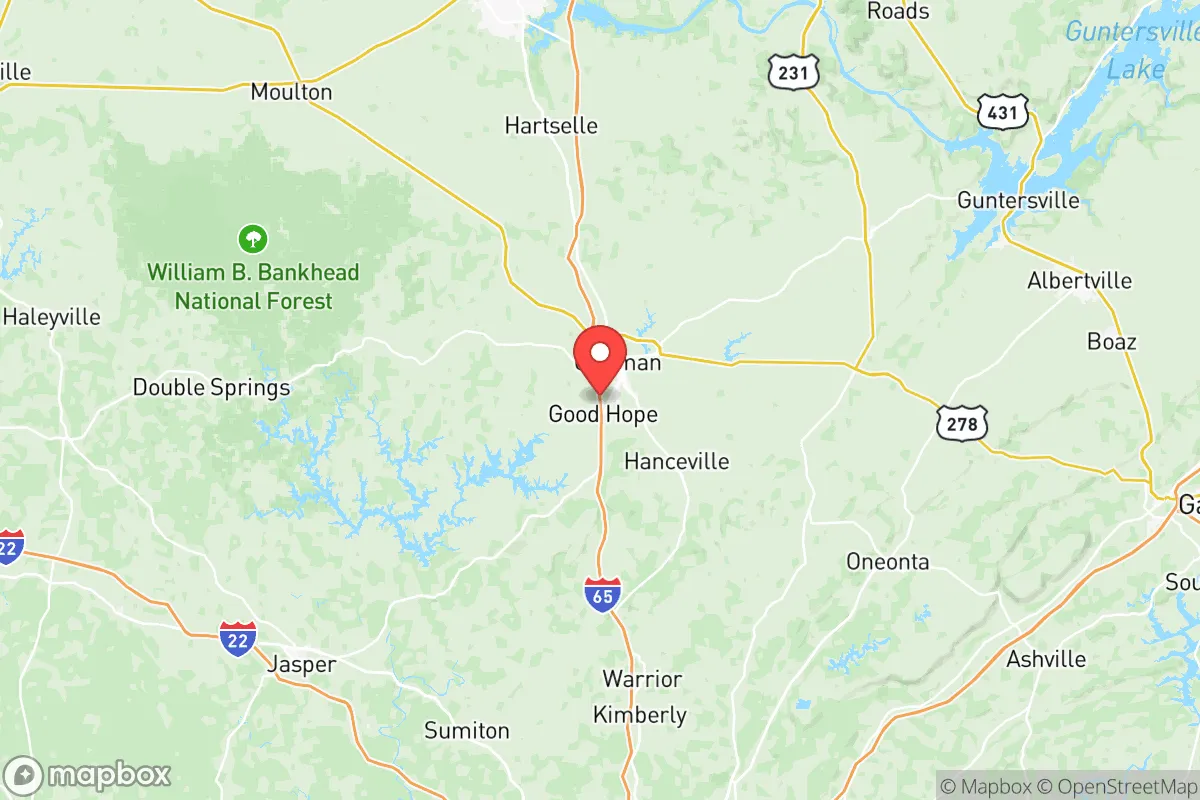
Photo: Wikipedia
Find The Best Places To Live in Cullman County
PRO TIP! You can paste a Zillow or Redfin link to get info on that property.
Best Places to Live in Cullman County
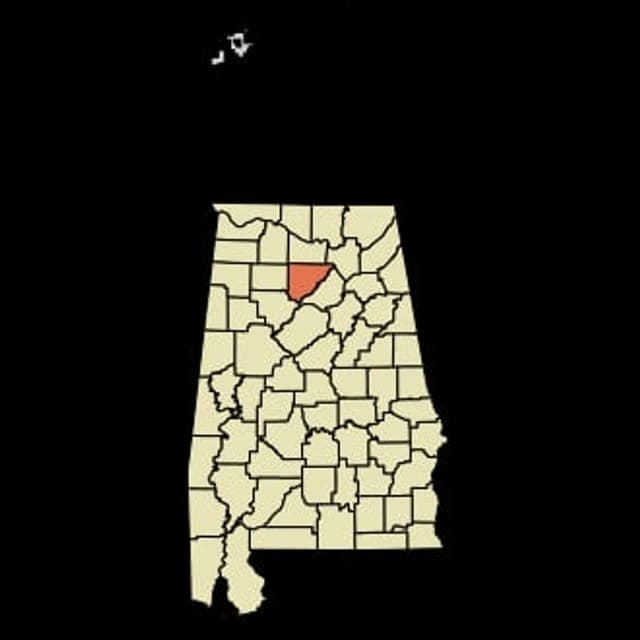
Cities & Towns in Cullman County
Cities in Cullman County
What It's Like Living in Cullman County, AL
Living in Cullman County feels like stepping into a place where the front porch still matters and Friday nights are reserved for the home team. Stretching from the small-city bustle of Cullman itself to the quiet crossroads of Hanceville, Good Hope, and Vinemont, this north Alabama county offers a slower pace without being isolated. It’s a place where people know their neighbors, church potlucks are a weekly staple, and the biggest debate might be whether to grab barbecue at Johnny’s or catfish at the All Steak.
Daily Rhythm: What Life Actually Looks Like
Most mornings here start early. The average commute clocks in at about 27 minutes, which means you’re likely driving to work in Huntsville or Birmingham, or heading to a job at one of the county’s larger employers like the Cullman Regional Medical Center or the sprawling Walmart distribution center. For those working locally, the day often ends with a stop at the Piggly Wiggly or a quick dinner at a spot like Brick Oven Pizza Company in downtown Cullman. Weekends are for yard work, lake trips to Smith Lake, or catching a game at Woody’s Sports Grille in Cullman. The county’s median age of 41.1 reflects a mix of young families and empty-nesters, and the median household income of $60,916 supports a comfortable, if not lavish, lifestyle. The cost of living index sits at 71—nearly 30% below the national average—so that paycheck stretches further here than in most places.
Sports, Community, and the Friday Night Lights
High school football is the undisputed king of local sports. On any given Friday in the fall, you’ll find the stands packed at Cullman High School’s Bearcat Stadium or at Hanceville High School, where the community turns out to cheer on the Bulldogs. The rivalry between Cullman and Hanceville is genuine and old-school, the kind that fuels conversations at gas stations all week. Beyond football, the county’s youth sports leagues—baseball, softball, soccer—are the social backbone for families. There’s no pro team within an hour’s drive, so the focus stays local. For college sports, most residents lean toward the University of Alabama (Tuscaloosa is about 90 minutes away) or Auburn, and you’ll see flags and car decals reflecting that divide year-round.
What’s There to Do: Festivals, Outdoors, and Eats
Outdoor life is a big draw. Smith Lake (Lewis Smith Lake) is the crown jewel, offering 21,000 acres of clear water for boating, fishing, and swimming. The Bankhead National Forest is a short drive west, with hiking trails and waterfalls like the popular Kinlock Falls. Closer to home, Sportsman Lake Park in Cullman has walking trails, a fishing pier, and a small water park that’s a summer favorite for families. The county’s signature event is the Bloomin’ Festival in April, a massive arts and crafts fair that draws tens of thousands to downtown Cullman. The Cullman County Fair in September is another big deal, with carnival rides, livestock shows, and funnel cakes. For food, locals swear by Johnny’s Bar-B-Q for pulled pork and the All Steak Restaurant for a classic steak dinner. In Hanceville, Burgers & Blues is a casual spot with live music on weekends. The county’s German heritage—Cullman was founded by German immigrants—shows up in places like the St. John’s Evangelical Protestant Church and the occasional Oktoberfest celebration.
Pros and Cons of Living Here
What people love:
- Affordability. The median home value of $180,500 means a family can buy a three-bedroom house on a decent lot for well under $200,000. Rent is similarly reasonable.
- Community feel. People look out for each other. If your car breaks down on Highway 157, someone will stop. The schools—especially Cullman City Schools and Good Hope High School—are community hubs, with parent involvement that’s high by any standard.
- Low traffic. Even the busiest stretch of I-65 through Cullman rarely feels like a parking lot. Commuters to Huntsville or Birmingham face some congestion, but nothing like the gridlock in those cities themselves.
What frustrates residents:
- Limited job diversity. The economy leans heavily on manufacturing, healthcare, and retail. Professionals in tech or finance often have to commute to Huntsville or Birmingham, which adds to that 27-minute average commute.
- Entertainment options. You won’t find a concert venue or a major museum here. For a night out beyond a local restaurant or a movie at the Cullman 6 Cinema, you’re driving to Huntsville or Birmingham.
- Crime concerns. The violent crime rate of 349.8 per 100,000 is slightly above the national average, and while most of it is concentrated in specific areas of Cullman city, it’s a topic that comes up in local conversation.
The weather follows a classic north Alabama pattern: hot, humid summers with afternoon thunderstorms, and mild winters where snow is rare but ice storms can shut things down for a day or two. Spring and fall are gorgeous, with the hills around Vinemont and Good Hope showing off color. The kind of person who fits here is someone who values community over convenience, doesn’t mind driving a bit for a big night out, and finds satisfaction in a life where the biggest event of the week might be a high school football game or a Saturday morning at the Cullman Farmers Market. It’s not for everyone—but for the roughly 89,000 people who call it home, it’s exactly right.

* Values derived from national, state, county, city and local statistics and may differ in a specific area. Last updated: 2026-08-25T21:26:52.000Z
Narrative content on this page is AI-generated and may contain mistakes. Verify any details that matter before acting on them.
ReloMaps may earn a commission from affiliate links at no extra cost to you.

