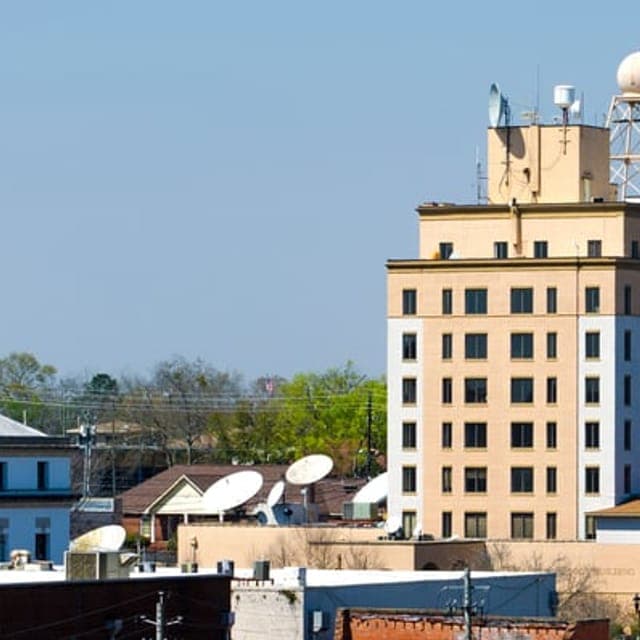
Photo: Wikipedia
Personal Sovereignty in Alabama
Viable for self-reliance. Generally workable, though some barriers may limit total independence.
What does Personal Sovereignty tell us?
Personal Sovereignty measures your capacity for self-reliance and independence with minimal government friction. Higher scores mean fewer barriers between you and the way you want to live... but it assumes you have the space you need and good neighbors.
What does this tell us?
Personal Sovereignty measures your capacity for self-reliance and independence with minimal government friction. Higher scores mean fewer barriers between you and the way you want to live... but it assumes you have the space you need and good neighbors.
State Policy
Energy independence: Importer (45% of energy produced in-state)
Personal Liberty
Homesteading

Personal Liberty Analysis
Alabama offers one of the highest degrees of personal sovereignty in the southeastern United States, driven by a consistently light regulatory touch, strong self-defense protections, and a legal environment that favors individual autonomy over collective mandates. For relocation-minded individuals, the state’s small-town and rural ethos—visible in places like Cullman, Guntersville, and the Wiregrass region—translates into a day-to-day reality where government interference in personal, economic, and lifestyle choices is notably minimal. This is not a passive absence of rules, but an active legal framework designed to prioritize independent decision-making, from taxation to parenting to property use.
Tax burden and regulatory posture: how light is the state’s reach
Alabama maintains one of the lowest overall tax burdens in the country, ranking among the bottom five states for combined state and local tax collections as a percentage of personal income. There is no state-level tax on groceries or prescription medication, and property taxes are famously low—averaging roughly 0.42% of assessed home value, compared to the national average of 1.11%. For a $300,000 home in a place like Madison or Auburn, annual property tax can be under $1,300. The state also offers a standard deduction on its income tax—ranging from $2,500 to $4,500 depending on filing status—and no estate or inheritance tax. The regulatory climate mirrors this lightness: Alabama operates under a right-to-work law, has repealed most occupational licensing requirements that lack a clear public safety rationale, and permits significant local flexibility on zoning. However, the hands-off approach is not uniform. Larger cities like Birmingham, Mobile, and Montgomery enforce stricter building codes, environmental regulations on waterfront property, and business license fees that are higher than the rural norm. In contrast, unincorporated areas of Baldwin County or the hill country around Jasper allow for nearly unregulated property improvements, with no county-level subdivision review for small parcels. For a reader seeking maximum personal economic autonomy, the key is selecting a jurisdiction with a genuinely minimalist posture—counties like Shelby, Elmore, and Marshall are notably permissive, while urban cores remain moderately more bureaucratic.
Self-defense and gun law specifics: what the Second Sanctuary approach means daily
Alabama is a constitutional carry state as of 2022, meaning no permit is required to carry a concealed handgun for any law-abiding citizen 21 or older. Open carry is also legal without a permit, with the limited exception of certain municipal restrictions in major cities. The state’s self-defense law follows a Castle Doctrine framework with a full Stand Your Ground provision, removing any duty to retreat in any place where the individual is lawfully present. This applies not only inside the home but also in vehicles and on public property. Alabama has also enacted strong firearm preemption statutes; local governments cannot pass ordinances banning or effectively regulating gun possession, carry, or storage. That means a resident living in Huntsville, Tuscaloosa, or the rural Black Belt communities of Perry County faces the same core gun rights regardless of city limits. The practical effect for daily life is that firearm ownership and carry are treated as default rights, not privileges subject to local whim. Gun-friendly culture is not just legal but embedded socially—places like Pelham, Enterprise, and Florence host numerous shooting ranges, gun stores, and concealed carry training courses even though training is not legally required. For a family or individual prioritizing physical autonomy, Alabama’s posture is among the most protective in the South, comparable to Texas before its recent permitless carry shift. The Alabama State Legislature has consistently pushed back against any federal overreach, including symbolic Second Sanctuary resolutions passed in dozens of counties, and the state attorney general’s office actively litigates against federal firearm regulations it deems unconstitutional.
Self-reliance and homesteading viability: off-grid feasibility across different areas
For those seeking true self-reliance—off-grid living, small-scale farming, or remote homesteading—Alabama presents strong opportunities, but with significant variation by location. In the Appalachian foothill counties of DeKalb, Jackson, and Blount, land prices remain low, with five- to twenty-acre parcels available for under $5,000 per acre in many cases. Zoning in these areas is nearly nonexistent; a resident can legally build a shed-to-house dwelling with owner-built plumbing and septic, provided they meet basic state health department standards for wastewater treatment. Rainwater collection is legal statewide and encouraged in many rural counties, with no permits required for non-potable use. Solar panel installation is not taxed at the state level, and net metering is available through major utilities with minimal red tape. In contrast, the Gulf Coast counties of Baldwin and Mobile enforce coastal area management regulations that restrict building set-backs and require elevation studies for new construction. Near Lake Martin or Lake Guntersville, lakeside property comes with shoreline management restrictions that can limit native pond or orchard planting. For maximum off-grid feasibility, target areas like the northern counties of Franklin and Lawrence, or the southeastern Wiregrass region around Dothan, where livestock keeping, small-scale food processing, and private wells face few local restrictions. Alabama also maintains a Right to Farm Act that protects agricultural operations from nuisance lawsuits if they predate a neighboring land use change—an important legal shield for homesteaders near expanding subdivisions. The state’s long growing season (nearly 230 days in central areas) and reliable rainfall make year-round food production realistic, but anyone considering full off-grid independence should budget for well drilling (typically $5,000–$12,000) and septic installation ($4,000–$8,000).
Personal liberties: parental rights, medical autonomy, speech, and property
Alabama’s legal environment strongly favors parental authority and shared decision-making in education, healthcare, and upbringing. The state’s Parents’ Bill of Rights, enacted into law in 2021, explicitly grants parents the right to direct the education and moral training of their children, access school curricula and library materials, and consent to all nonemergency medical care. This translates into a day-to-day experience where families in cities like Hoover and Vestavia Hills can opt their children out of specific lessons or programs without navigating a bureaucratic appeals process. Medical autonomy is shaped by Alabama’s broader political culture: the state has chosen not to expand Medicaid under the ACA, leaving many healthcare decisions in the private and local sphere, and maintains some of the strongest religious exemption protections for medical care and immunization. On speech and assembly, Alabama is an open-carry state for the spoken word—no permit is required for protests, public gatherings, or street preachers—and cities like Fairhope and Opelika have historically tolerated robust public discourse. Property rights are protected by the state’s eminent domain laws, which limit takings to strictly public use and prohibit transfers to private developers without clear necessity. The state’s Mineral Estate Severance Act ensures that surface landowners have notice and compensation rights if subsurface resources are sold separately. In sum, Alabama stands as a state where the default answer to most personal sovereignty questions is “yes, unless clearly harmful,” while the actual limitation tends to be local—county health departments or municipal zoning boards—rather than state-imposed. The key for a relocating individual is to verify specific local rules on homestead construction, short-term rentals, and noise ordinances, but the broader framework is distinctly permissive.
Compared to other states often cited as high-sovereignty environments—such as Alaska, Idaho, or Oklahoma—Alabama offers a lower cost of entry for land and a milder climate that reduces living costs, though its tax burden is slightly higher than Alaska’s due to income tax. For families or individuals who value a culture of self-reliance with minimal state interference, particularly around firearms and parenting, Alabama provides a coherent legal environment that is less patchwork than similarly conservative states in the Midwest or Northwest. The strongest case for Alabama’s sovereignty advantages lies not in a single policy, but in the consistent, cross-domain alignment of low taxation, strong self-defense law, minimal land-use restrictions, and robust parental rights—making it one of the most friction-free states in the union for those seeking genuine individual autonomy in daily life.

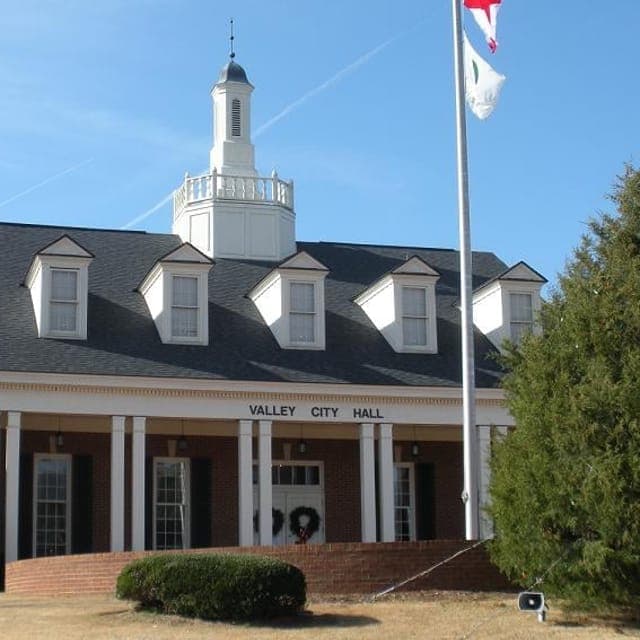
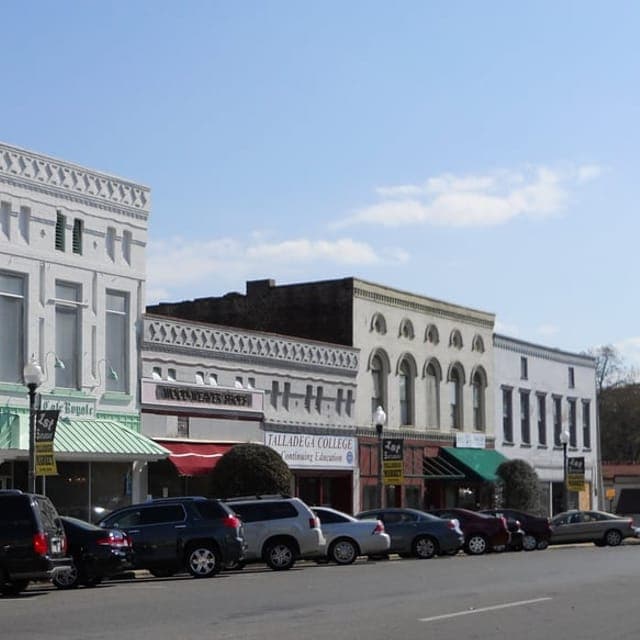
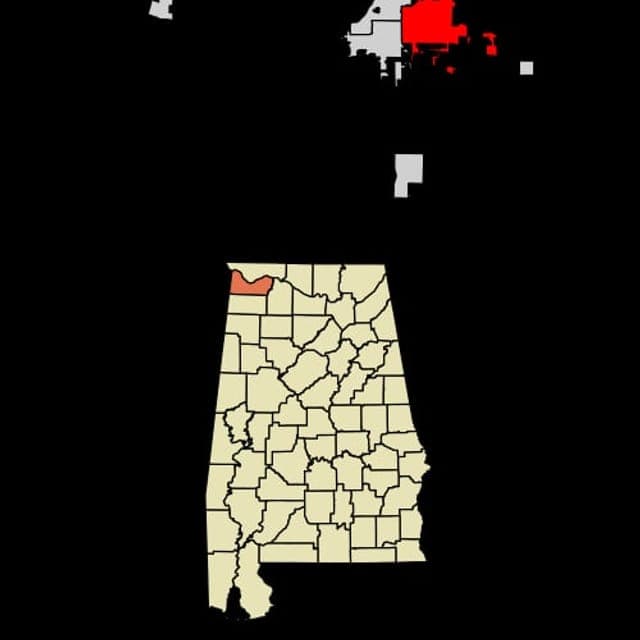
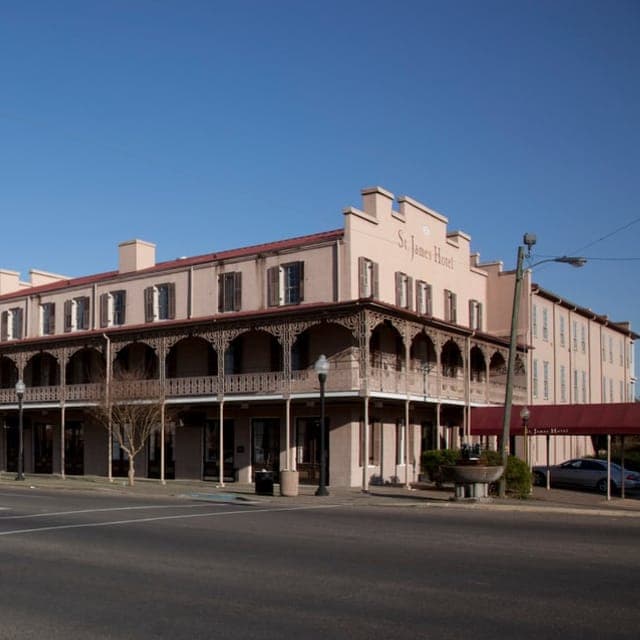
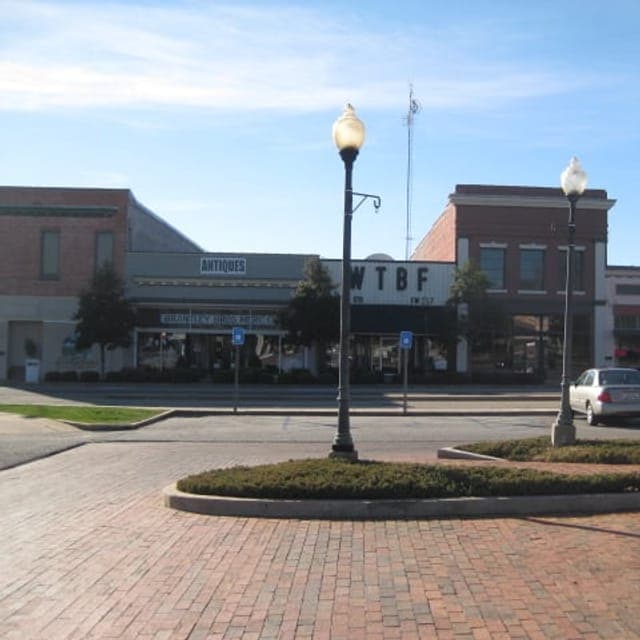
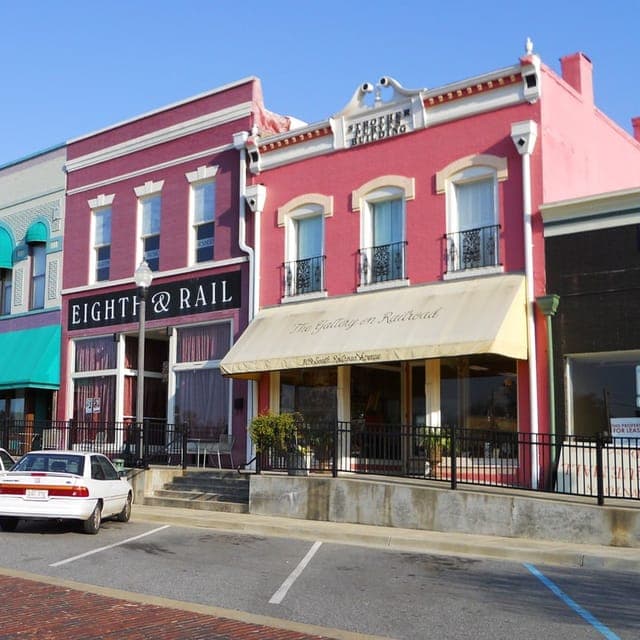
Top Cities for Personal Sovereignty in Alabama
* Values derived from national, state, county, city and local statistics and may differ in a specific area. Last updated: 2026-07-03T04:07:26.000Z
Narrative content on this page is AI-generated and may contain mistakes. Verify any details that matter before acting on them.
ReloMaps may earn a commission from affiliate links at no extra cost to you.

