Photo: Wikipedia
Find The Best Places To Live
in Talladega
PRO TIP! You can paste a Zillow or Redfin link to get info on that property.
What It's Like Living in Talladega, AL
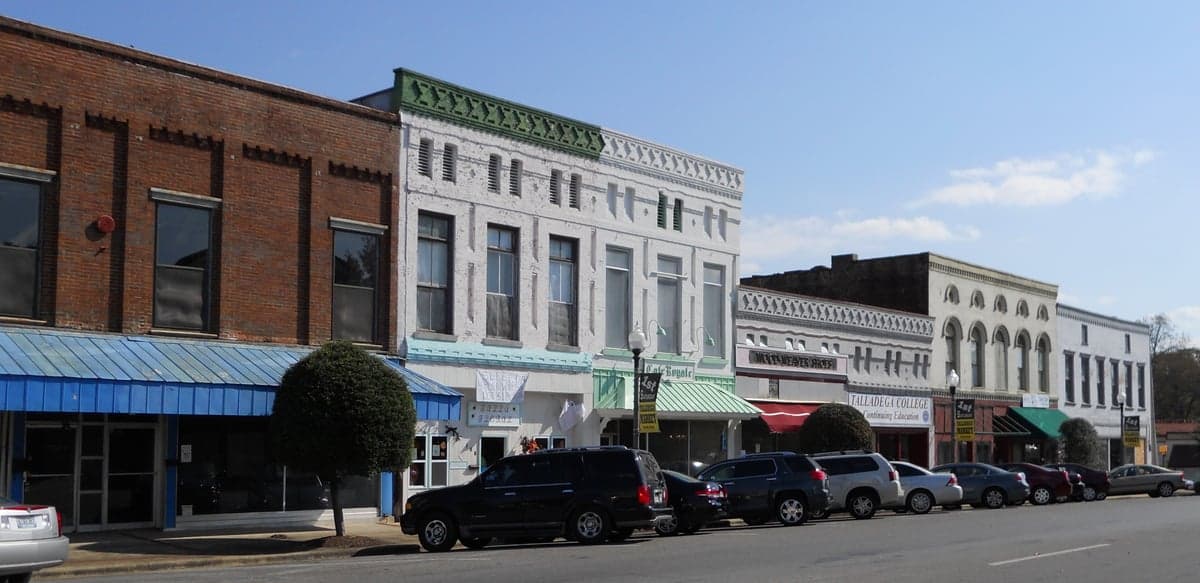
Talladega, Alabama, is a place where the roar of NASCAR engines fades into a slower, quieter rhythm the rest of the year. With a population just over 15,000, it’s a small city that wears its identity on its sleeve — part historic county seat, part speedway mecca, part working-class Southern town. If you’re looking at Talladega as a potential home, you’re likely drawn by a person who values affordability, a close-knit community, and a pace of life that doesn’t demand you keep up with the latest trends. It’s not for everyone, but for the right person, it fits, it fits well.
The Real Talladega’s Daily Rhythm: Slow, Affordable, and Race-Week Electric
Life in Talladega moves at a deliberate pace. Most residents work in manufacturing, healthcare, education, or local government — the city’s largest employers include the Talladega City Schools system, the Talladega Superspeedway, and nearby industrial plants like Honda Manufacturing of Alabama in Lincoln. The median household income sits at $46,820 is modest, but so is the cost of living — a full 44% below the national average. That means a median home value of $116,600 can get you a solid three-bedroom brick house with a yard, something that feels out of reach in much of the country. The average commute is just 22 minutes, so you’re not burning half your paycheck on gas or sitting in traffic.
Weekends here are spent at the lake, in the yard, or at a high school football game. Shopping is practical — you’ll find a Walmart Supercenter and a few local grocery stores, but not a sprawling mall. For groceries, the Piggly Wiggly on Battle Street is a local institution. The kind of person who fits here is someone who doesn’t need constant entertainment or a craft coffee shop on every corner. You’re probably raising a family, working a solid job, and looking for a place where your dollar goes further and your neighbors know your name.
Sports, Speed, and Community Gatherings
Let’s address the elephant in the room: the Talladega Superspeedway. Twice a year, the city’s population swells by hundreds of thousands for the spring and fall NASCAR race weekends. For those two weeks, Talladega is the center of the motorsports world. The rest of the year, the speedway sits quiet, but its presence is always felt — it’s the city’s most famous landmark and a major economic driver. Locals either love the energy or plan their errands around the traffic jams on I-20.
But the real sports passion in Talladega is high school football. The Talladega Tigers (Class 5A) pack the stands on Friday nights at J.L. Miller Stadium. The rivalry with nearby Anniston and Oxford is genuine and intense. For college sports, you’re about an hour from Auburn University and an hour and a half from the University of Alabama, so you’ll see plenty of orange and blue and orange or crimson on game days. There’s no pro team closer than Atlanta or Nashville, but that doesn’t stop locals from being die-hard Alabama or Auburn fans first.
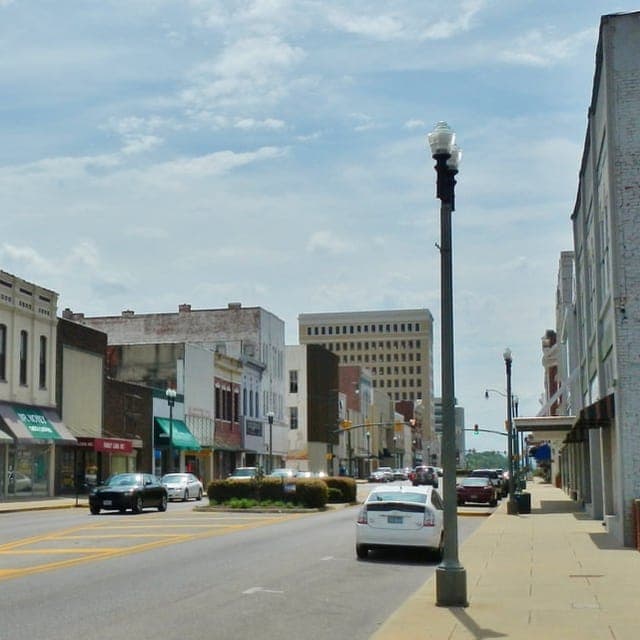
Beyond sports, the city’s biggest annual event is the Talladega Heritage Festival in the fall, a weekend of live music, arts and crafts, and food vendors on the historic courthouse square. The historic Ritz Theatre downtown hosts concerts and community theater year-round. For outdoor recreation, the Talladega National Forest is 15 minutes away, offering hiking, fishing, and camping at places like Cheaha State Park — Alabama’s highest point. It’s not a nightlife town, but you’ll find a few solid local spots: Classic on Noble for upscale Southern comfort, The Fish Market for fried catfish, and the casual beer-and-pool vibe at The Office Lounge.
The Upsides and the Hard Truths of Living in Talladega
Let’s be honest about what works and what doesn’t. The biggest pro is the cost of living. A cost of living index of 56 means your money goes shockingly far. Housing is cheap, utilities are reasonable, and you can actually afford to own a home on a single income. The community is genuinely friendly — people wave, neighbors help each other, and there’s a real sense of belonging. The schools, while not top-tier, are the heart of the community; the Talladega City School system employs a significant portion of the population and is a central gathering point for families.
The downsides are real. The violent crime rate of 466.3 per 100,000 is notably higher than the national average, and it’s concentrated in certain areas — most locals will tell you to be aware of your surroundings but not to live in fear. Job opportunities outside of manufacturing and education are limited, and the college-educated population sits at just 13.9%, reflecting a brain drain of younger professionals to Birmingham or Atlanta. The weather is classic Alabama: hot, humid summers, mild winters, and the occasional tornado threat in spring. Traffic is only a real problem during race weeks, but when it’s bad, it’s bad — I-20 can become a parking lot.
Talladega is a place for people who want to own their home, raise their kids, and not chase status. It’s not trendy, it’s not flashy, but for the right person, it’s home.

Similar towns to Talladega
* Values derived from national, state, county, city and local statistics and may differ in a specific area. Last updated: 2026-05-14T18:50:34.000Z
Narrative content on this page is AI-generated and may contain mistakes. Verify any details that matter before acting on them.
ReloMaps may earn a commission from affiliate links at no extra cost to you.

