Photo: Wikipedia
Quality of Life in Shelby County
A livable area that tracks near national norms for affordability, walkability, and neighborhood health.
What does Quality of Life tell us?
Quality of Life measures an area by evaluating factors like cost of living, nearby amenities, country club access, airport proximity, socioeconomic signals and neighborhood character. For large states, this is a general average — quality of life can vary dramatically between metro areas, suburbs, and rural communities within the same state.
What does this tell us?
Quality of Life measures an area by evaluating factors like cost of living, nearby amenities, country club access, airport proximity, socioeconomic signals and neighborhood character. For large states, this is a general average — quality of life can vary dramatically between metro areas, suburbs, and rural communities within the same state.
Cost of Living
12% above national average
110%
The Real Cost of Living in Shelby County for 2026
| Tier | Individual | Family (4) |
|---|---|---|
| Survival | $22k | $40k |
| Comfortable | $58k | $85k |
| Luxury | $165k+ | $256k+ |
| Elite (Top 5%) | $194k+ | $301k+ |
Quality-of-Life Analysis
Shelby County, Alabama, offers a broad quality-of-life spectrum that ranges from the suburban convenience of its largest town, Pelham, to the quiet, rural character of communities like Vandiver and Harpersville. This diversity draws a wide mix of residents, including Birmingham commuters seeking modern amenities, families looking for good schools and safe neighborhoods, and those who want acreage and a slower pace of life. The county's overall cost of living index of 112 (100 = US average) and median home value of $298,700 reflect its position as one of the more desirable and relatively expensive areas in central Alabama, but the experience varies significantly depending on which part of the county you choose.
Largest town(s) & population centers
Pelham is the county's largest municipality and its primary commercial and retail hub, anchored by the sprawling Pelham Promenade shopping center and the Oak Mountain Amphitheatre. Daily life here is defined by suburban convenience: residents have direct access to major employers, a dense network of restaurants and big-box stores, and the 9,940-acre Oak Mountain State Park for outdoor recreation. The average commute of just under 30 minutes is manageable, with many residents working in Pelham itself or commuting north to Birmingham. Alabaster, the second-largest town, offers a similar suburban experience with its own growing retail corridor along U.S. 31 and a strong focus on family-oriented amenities, including the Alabaster Sports Complex and the Buck Creek Trail. Both towns feature highly rated schools within the Shelby County School System, which is a primary draw for families. The median rent of $1,348 in the county is largely driven by these population centers, where apartment complexes and newer subdivisions dominate the housing stock.
Smaller towns & rural pockets
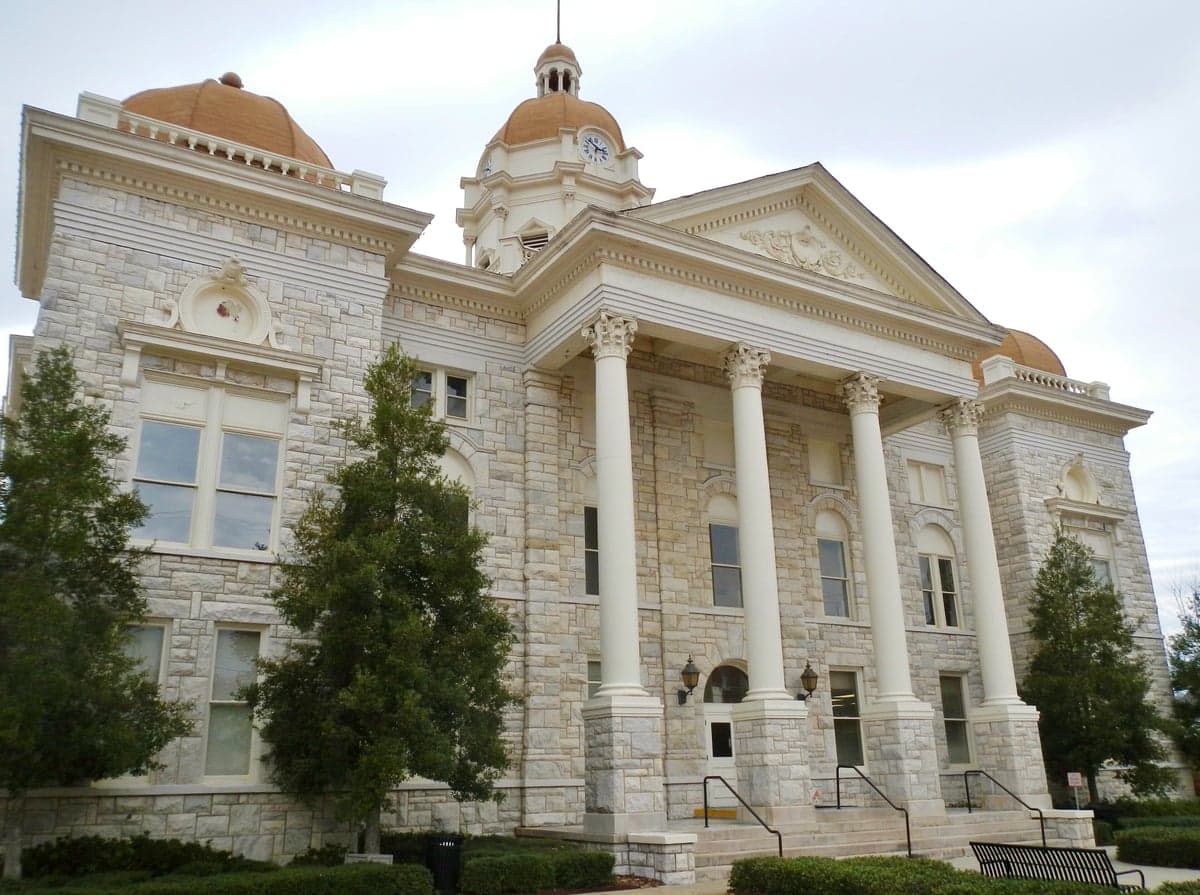
Moving south and east from the suburban core, the county's character shifts markedly. Columbiana, the county seat, retains a small-town downtown with a historic courthouse square, antique shops, and a slower pace, while still offering essential services and schools. Calera, straddling the Shelby-Chilton county line, has seen rapid growth but still feels more like a connected small town than a suburb. Further out, Wilsonville and Vandiver sit along the Coosa River, offering a distinctly rural lifestyle with river access, larger lots, and a strong sense of isolation from the Birmingham metro area. Harpersville, near the county's eastern edge, is another unincorporated community where residents value land, privacy, and a close-knit community over retail convenience. These areas are where the county's rural character is most pronounced, with homes often sitting on one to five acres and lacking the sidewalk-and-strip-mall infrastructure of Pelham or Alabaster.
Cost & lifestyle range
The cost of living and lifestyle options in Shelby County form a clear gradient. At the higher end, Pelham and Alabaster command the highest home values and rents, with newer subdivisions frequently exceeding the county median of $298,700. These areas offer the most amenities, including top-tier schools, extensive shopping, and the shortest commutes to Birmingham. In the middle, towns like Columbiana and Calera provide a more affordable entry point, with home values often $20,000 to $40,000 below the county median, while still maintaining good schools and local services. At the lower end of the cost spectrum, Wilsonville, Vandiver, and Harpersville offer significantly cheaper land and older homes, but residents trade off retail access and commute longer distances—often 35 to 45 minutes—to reach jobs or grocery stores. Property taxes in these rural areas are lower, but the trade-off is a lack of public water, sewer, and high-speed internet in some pockets.
Shelby County is best suited for those who want a strong public school system, low crime rates, and the flexibility to choose between a suburban or rural lifestyle within a single county. Commuters who work in Birmingham or the growing U.S. 280 corridor will find the 30-minute average commute reasonable, while those seeking a true rural retreat will find it in the river communities of the county's eastern and southern edges. The county's diversity of options means that a family can live in a Pelham subdivision with a pool and a five-minute drive to Target, or on a five-acre lot in Vandiver with a view of the Coosa River—both within the same school district and tax base.

Crime in Shelby County
Crime rates similar to the national median for U.S. locations.
Violent CrimeViolent Crime Analysis
Property CrimeProperty Crime Analysis
Crime Analysis
Shelby County, Alabama, consistently ranks among the safest large counties in the state, with violent and property crime rates significantly below national averages. The county’s overall violent crime rate of 345.7 per 100,000 residents and property crime rate of 1,468.6 per 100,000 reflect a community where most residents feel secure in their daily routines, though localized hotspots and broader regional trends warrant attention.
Crime in context
Shelby County’s violent crime rate of 345.7 per 100,000 is roughly 20% lower than the national average and well below Alabama’s state rate of approximately 480 per 100,000. Property crime, at 1,468.6 per 100,000, also sits below the national benchmark of about 1,950 per 100,000. These figures place Shelby County among the safest jurisdictions in the Birmingham-Hoover metropolitan area, outperforming neighboring Jefferson County (which includes Birmingham) by a wide margin. However, the county is not immune to crime trends seen across the state. The presence of progressive district attorneys in some nearby urban jurisdictions—particularly in Jefferson County—has been linked to softer sentencing and reduced prosecution of property and drug offenses, which can spill over into Shelby County’s border communities like Pelham and Alabaster. Residents in these towns should remain vigilant, as criminal activity from higher-crime areas can migrate into Shelby’s more affluent suburbs.
What residents experience
For most Shelby County residents, crime is not a dominant concern. The county’s strong law enforcement presence, including the Shelby County Sheriff’s Office and municipal police departments in Hoover, Vestavia Hills, and Calera, contributes to rapid response times and proactive community policing. Violent crime is rare in the county’s wealthier enclaves; Vestavia Hills and Mountain Brook (partially in Jefferson County but adjacent) report violent crime rates below 100 per 100,000. Property crime, particularly vehicle break-ins and package theft, is more common in commercial corridors and near interstate exits. The Colonial Promenade shopping area in Alabaster and the Riverchase district in Hoover see elevated theft reports, though overall rates remain manageable. Residents in unincorporated areas like Meadowbrook and Indian Springs enjoy some of the lowest crime rates in the state, with many neighborhoods reporting zero violent incidents annually.
Neighborhood-level variation
Crime in Shelby County is not evenly distributed. The northern tier, closer to Birmingham, sees slightly higher rates due to proximity to Jefferson County’s urban core. Pelham and Alabaster, while still safe by national standards, report property crime rates about 15-20% higher than the county average, driven by retail theft and vehicle burglaries. In contrast, the southern and eastern parts of the county—including Columbiana, Wilsonville, and Harpersville—are predominantly rural and experience very low crime, with violent incidents often limited to domestic disputes. The Shelby County District Attorney’s office, led by a conservative prosecutor, maintains a tough-on-crime stance that prioritizes victim rights and public safety. This judicial philosophy stands in stark contrast to the progressive policies seen in some nearby urban districts, where reduced incarceration and diversion programs have been criticized for emboldening repeat offenders. For families and professionals relocating to the Birmingham area, Shelby County’s combination of low crime rates, conservative justice policies, and well-funded police departments makes it a clear choice over higher-crime alternatives in Jefferson County or the city of Birmingham itself.
* Values derived from national, state, county, city and local statistics and may differ in a specific area. Last updated: 2026-05-08T00:09:53.000Z
Narrative content on this page is AI-generated and may contain mistakes. Verify any details that matter before acting on them.
ReloMaps may earn a commission from affiliate links at no extra cost to you.

