Photo: Wikipedia
Quality of Life in Alakanuk, AK
Above-average quality of iife. The area offers a reasonable cost of living, decent mobility, and a mix of neighborhood amenities.
What does Quality of Life tell us?
Quality of Life blends cost of living, nearby amenities, socioeconomic signals, and neighborhood character. City-level scores represent the whole municipality; individual neighborhoods can differ.
What does this tell us?
Quality of Life blends cost of living, nearby amenities, socioeconomic signals, and neighborhood character. City-level scores represent the whole municipality; individual neighborhoods can differ.
Cost of Living
29% below national average
The Real Cost of Living in Alakanuk, AK for 2026
| Tier | Individual | Family (4) |
|---|---|---|
| Survival | $13k | $25k |
| Comfortable | $45k | $67k |
| Luxury | $66k+ | $103k+ |
| Elite (Top 5%) | $78k+ | $121k+ |
60%
The Area Signal
A metric tracking the socioeconomic signals of the area.


Limited data for this area
Limited data for this area
Hobbies
Explore the areaGroceries
2 within 10 miles
Gas
0 within 10 miles
Hospital
0 within 20 miles
Airport
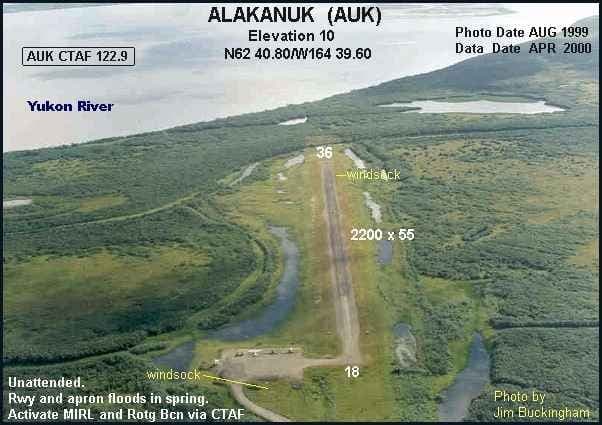
Alakanuk Airport
Post Office
USPS — Emmonak, AK
Critical Amenities
Quality-of-Life Analysis
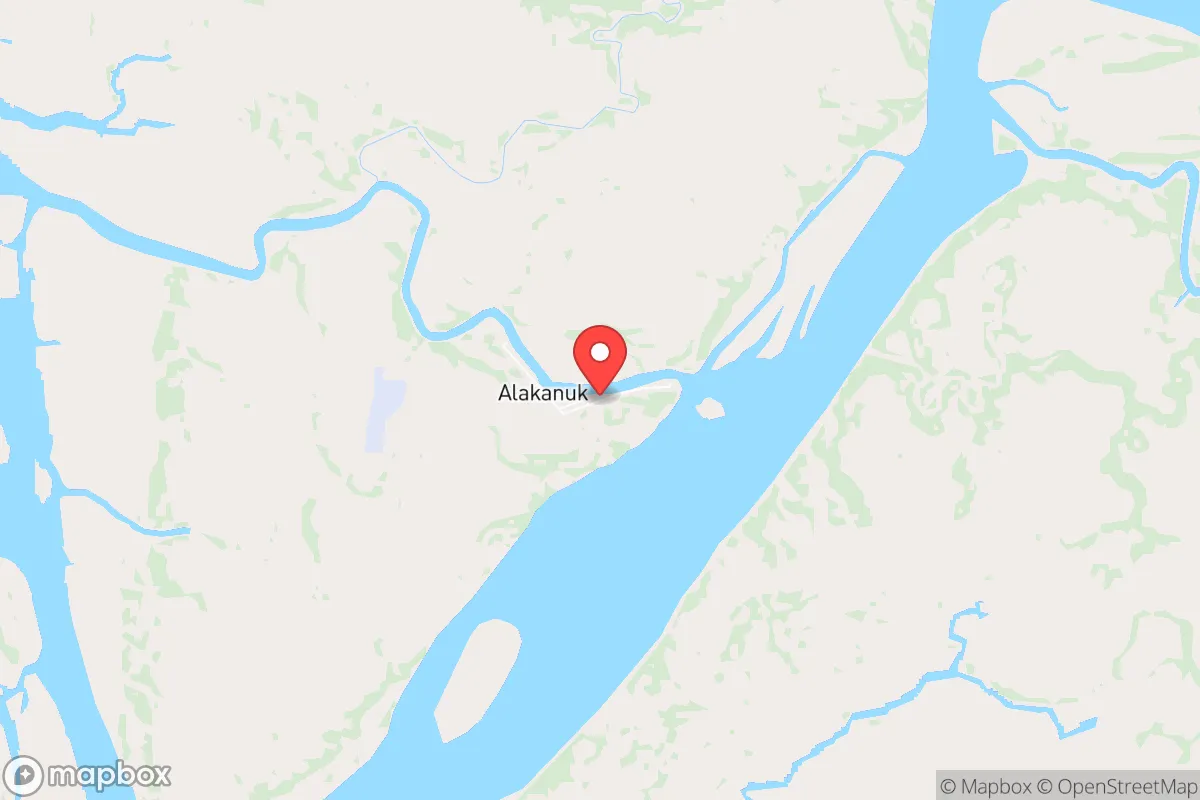
Alakanuk, a Yup'ik village of roughly 700 residents on the Yukon River's north bank, is a low-cost, subsistence-oriented community far removed from Alaska's urban centers. With a cost of living index of 71—29% below the U.S. average—and a median rent of just $828, the area attracts families and individuals who prioritize cultural tradition, self-sufficiency, and a tight-knit social fabric over material affluence. The population is overwhelmingly Alaska Native, and daily life revolves around fishing, hunting, and community gatherings rather than wage-based consumerism.
Cost of living, housing, and affordability compared to nearby communities
Alakanuk's cost of living is significantly lower than both the national average and most other Alaska communities, driven largely by affordable housing. The median rent of $828 is roughly half of what one would pay in Bethel (the regional hub, 130 miles upriver) and a fraction of Anchorage's median rent of $1,400+. However, this low index masks high prices for imported goods: a gallon of milk can cost $8–$10, and fuel for heating and snowmachines is expensive due to barge and air transport. Homeownership is less common than in the Lower 48, with many families living in multi-generational households or tribally owned housing. Compared to nearby villages like Emmonak (8 miles west) or Kotlik (40 miles east), Alakanuk's housing costs are similar, though its slightly larger population offers marginally more rental options. The absence of property taxes on most Native-owned land further reduces monthly expenses, but the trade-off is limited housing stock and few conventional mortgage lenders.
Schools, amenities, and what daily life is like in Alakanuk
Daily life in Alakanuk is shaped by the Yukon River and the rhythms of subsistence harvest. The community has a K–12 school (Alakanuk School, part of the Lower Yukon School District) serving about 200 students, with a graduation rate near 70%—comparable to other rural Alaska villages. Amenities are sparse: a small general store, a post office, a health clinic staffed by community health aides, and a few churches. There are no banks, restaurants, or paved roads; travel within the village is by foot, ATV, or snowmachine, and connections to the outside world rely on small aircraft or seasonal barge service. Internet access is limited to satellite or slow DSL, making remote work challenging. The school and tribal council serve as the primary social hubs, hosting basketball tournaments, potlatches, and subsistence workshops. Fishing for salmon and whitefish, berry picking, and moose hunting are not recreational activities but essential to the local food supply, with many families harvesting hundreds of pounds of fish annually. The nearest hospital is in Bethel, a 45-minute flight away, so residents must be prepared for medical emergencies.
Alakanuk is best suited for individuals and families who are deeply connected to Yup'ik culture, comfortable with extreme isolation, and willing to embrace a subsistence lifestyle. Those who thrive here are self-reliant, community-oriented, and value low material costs over career advancement or urban convenience. Teachers, health aides, and tribal administrators find stable employment, while others supplement income through commercial fishing or seasonal construction. The village is not a fit for anyone seeking retail amenities, year-round road access, or high-speed internet. For those who prioritize cultural immersion, low rent, and a life tied to the land and river, Alakanuk offers a unique and affordable quality of life that few other places in the United States can match.

Crime in Alakanuk, AK
Higher crime rates than 66% of comparable U.S. locations.
Violent CrimeViolent Crime Analysis
Property CrimeProperty Crime Analysis
Crime Analysis
Alakanuk, a small Yup'ik village on the Yukon River in western Alaska, reports crime rates that significantly exceed both state and national averages, presenting a challenging public safety environment for its roughly 700 residents. The village's remote location, accessible only by air or river, creates a unique dynamic where law enforcement resources are limited and response times can be extended. With a violent crime rate of 726.6 per 100,000 residents and a property crime rate of 1,909.5 per 100,000, Alakanuk faces safety concerns that are substantially higher than those found in most American communities.
Crime in context
Alakanuk's violent crime rate of 726.6 per 100,000 residents is more than double the national average of approximately 380 per 100,000 and significantly exceeds Alaska's already elevated statewide rate of roughly 640 per 100,000. Property crime in Alakanuk, at 1,909.5 per 100,000 residents, is comparable to the Alaska state average but remains notably higher than the national property crime rate of about 1,950 per 100,000. These figures place Alakanuk in a concerning position relative to other communities of similar size, though the village's isolation means that many crimes are interpersonal rather than opportunistic thefts by outsiders. The data reflects a community where substance abuse, particularly alcohol-related offenses, and domestic disputes are recurring drivers of reported incidents.
What residents experience
Daily life in Alakanuk is shaped by the reality of high crime rates in a setting where the nearest law enforcement presence is often a trooper post in Emmonak, a short boat ride away. Residents report that domestic violence and alcohol-fueled altercations are the most common violent incidents, while property crimes frequently involve burglaries of unoccupied seasonal homes and theft of snowmachines or fishing gear. The village's public safety is further strained by the lack of a permanent police force; the Alaska State Troopers and Village Public Safety Officers (VPSOs) provide coverage, but response times can stretch to hours or even days depending on weather and river conditions. This gap in enforcement means that community members often rely on informal dispute resolution or simply avoid certain situations, creating a persistent undercurrent of vigilance.
Neighborhood-level variation in Alakanuk is minimal due to the village's compact size and homogeneous layout, where most homes are clustered along the riverbank. However, safety perceptions do vary by proximity to the village's few public gathering points, such as the school or the store, where incidents are more likely to occur. Residents living on the outskirts of the village may experience slightly lower property crime rates, as their homes are less visible, but they also face greater isolation in emergencies. Overall, the data and resident accounts paint a picture of a community where public safety is a constant concern, heavily influenced by the challenges of rural Alaska living rather than by any progressive judicial policies that might be debated in larger urban centers.
* Values derived from national, state, county, city and local statistics and may differ in a specific area. Last updated: 2026-04-19T19:13:26.000Z
Narrative content on this page is AI-generated and may contain mistakes. Verify any details that matter before acting on them.
ReloMaps may earn a commission from affiliate links at no extra cost to you.

