Photo: Wikipedia
Find The Best Places To Live
in Alakanuk
PRO TIP! You can paste a Zillow or Redfin link to get info on that property.
What It's Like Living in Alakanuk, AK
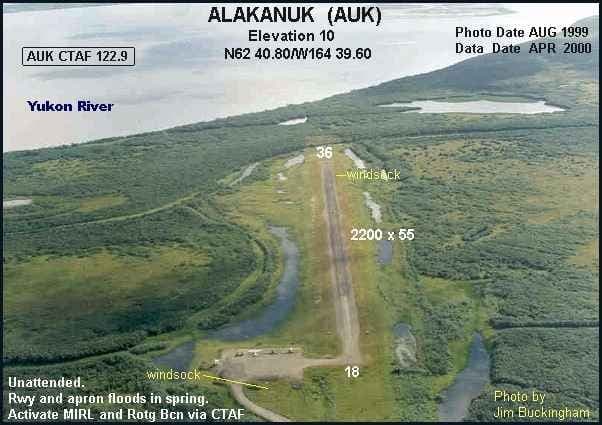
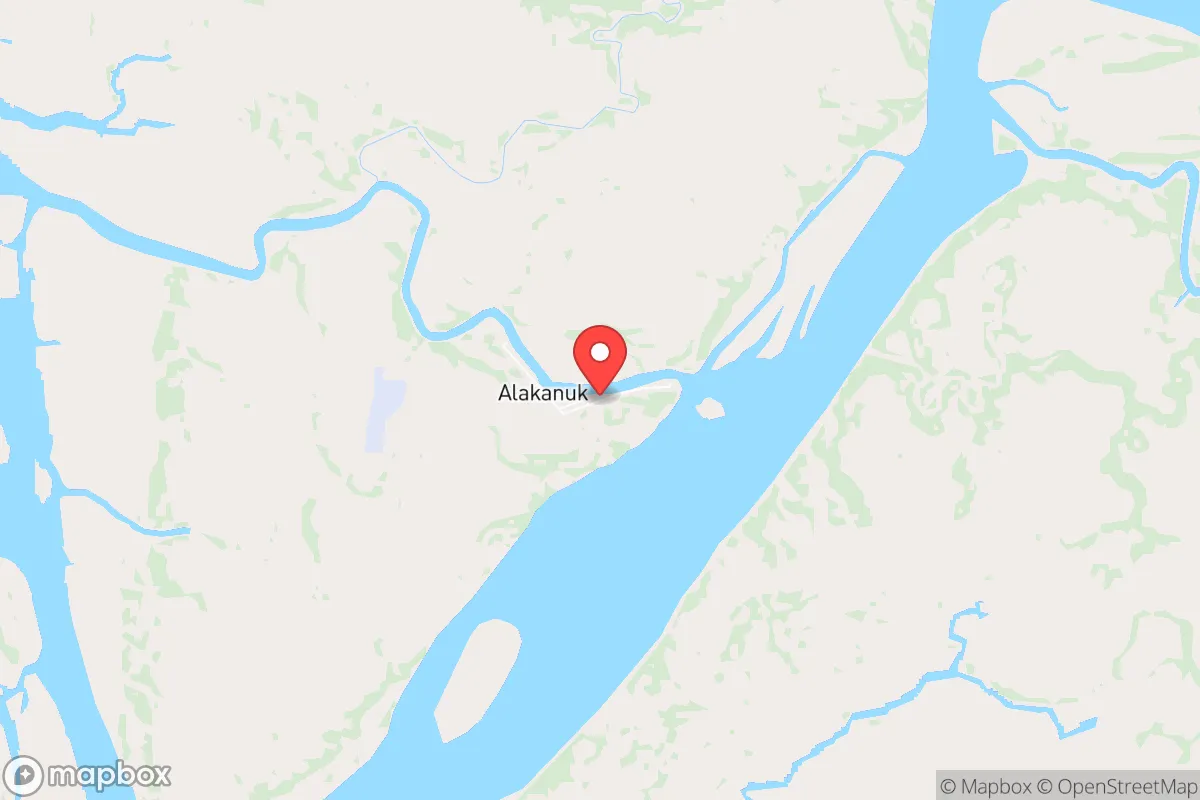
Alakanuk is a Yup’ik village of about 1,000 people on the north bank of the Yukon River, about five miles inland from the Bering Sea coast. Life here moves to the rhythm of the river and the seasons, not a clock or a commute, and the community is almost entirely Alaska Native, with subsistence fishing and hunting forming the backbone of daily life. If you’re looking for a place where your neighbors know your name, the school is the social hub, and the nearest traffic light is a 150-mile flight away, Alakanuk might fit — but it’s not a place for anyone who needs a grocery store with fresh produce or a paved road.
Daily Rhythm on the Yukon River
Most mornings in Alakanuk start with checking the weather and the river. People here work for the school, the tribal council, the local health clinic, or the village store, but a huge chunk of the economy is still subsistence: fishing for salmon and whitefish, hunting moose and waterfowl, and gathering berries and greens. The median household income is about $39,667, and the cost of living index is 71 — well below the national average — but that number can be misleading because freight costs make store-bought goods expensive. A gallon of milk can run $8 or more, and fresh vegetables are a luxury. Most families offset that by eating what they catch and harvest. Weekends are often spent on the river in skiffs, checking fishnets, or at fish camps during summer runs. There’s no movie theater, no mall, no chain restaurants. The village store and a couple of small local shops are where people pick up basics; for serious shopping, residents fly to Bethel or Anchorage.
School, Sports, and Community Life
The school is the heart of Alakanuk. With a median age of 21.5, this is a young community, and the school serves as the gathering place for basketball games, community potlatches, and holiday events. Basketball is the dominant sport — the Alakanuk Wolves play in the small-school Yukon-Kuskokwim Conference, and games against rival villages like Emmonak or Kotlik draw the whole town. There’s no high school football or baseball; the gym floor is where the action happens. The school also hosts cultural events like Yup’ik dance performances and language classes, which are a point of pride. Only 0.9% of adults hold a college degree, so the school is also the main pathway for kids who want to leave the village for higher education — though many return after a few years because the pull of home and family is strong.
What’s There to Do — and What’s Not
Entertainment in Alakanuk is mostly self-made. People fish, hunt, snowmachine in winter, and ride four-wheelers on the dirt roads in summer. The Yukon River offers world-class king salmon fishing in June and July, and the fall moose hunt is a serious annual event. There’s a community hall where potlatches and dances are held, and the local bar — one of the few in the region — is a gathering spot for adults, though it’s not a place you’d call a nightlife destination. The biggest annual event is the Alakanuk River Festival, a summer celebration with boat races, traditional games, and a salmon bake. For more variety, you’re looking at a $400 round-trip flight to Bethel (pop. 6,000) or a $600 flight to Anchorage. The lack of road access — Alakanuk is only reachable by plane, boat, or snowmachine — is the single biggest frustration for residents. There’s no traffic, but there’s also no getting away for a weekend drive.
Pros and Cons of Living Here
- Pros: Tight-knit community where everyone helps each other; low cost of living if you participate in subsistence; incredible outdoor access for fishing, hunting, and boating; safe for kids to roam freely; strong cultural traditions and Yup’ik language preservation.
- Cons: Extremely limited shopping and dining; high freight costs for store goods; no road connection to the rest of Alaska; harsh winters with temperatures below zero for weeks at a time; violent crime rate of 726.6 per 100,000 — well above national averages, though much of it is domestic or alcohol-related, not random street crime; limited job opportunities outside of public sector and subsistence.
The weather is a fact of life: winters are long, dark, and cold, with the river freezing solid by November and not breaking up until May. Summers are short and cool, with 24-hour daylight in June that makes up for the winter darkness. The school year is the community calendar — everything from village council meetings to church services revolves around the school schedule. For a single person or a parent considering a move here, the key question is whether you can handle isolation and embrace a subsistence lifestyle. If you want a quiet, traditional village life where your kids can grow up knowing their elders and the river, Alakanuk offers that. If you need modern conveniences, career diversity, or easy travel, it’s probably not the right fit.

Similar small towns to Alakanuk
* Values derived from national, state, county, city and local statistics and may differ in a specific area. Last updated: 2026-04-19T19:13:26.000Z
Narrative content on this page is AI-generated and may contain mistakes. Verify any details that matter before acting on them.
ReloMaps may earn a commission from affiliate links at no extra cost to you.

