Find The Best Places To Live
in Kotlik
PRO TIP! You can paste a Zillow or Redfin link to get info on that property.
What It's Like Living in Kotlik, AK
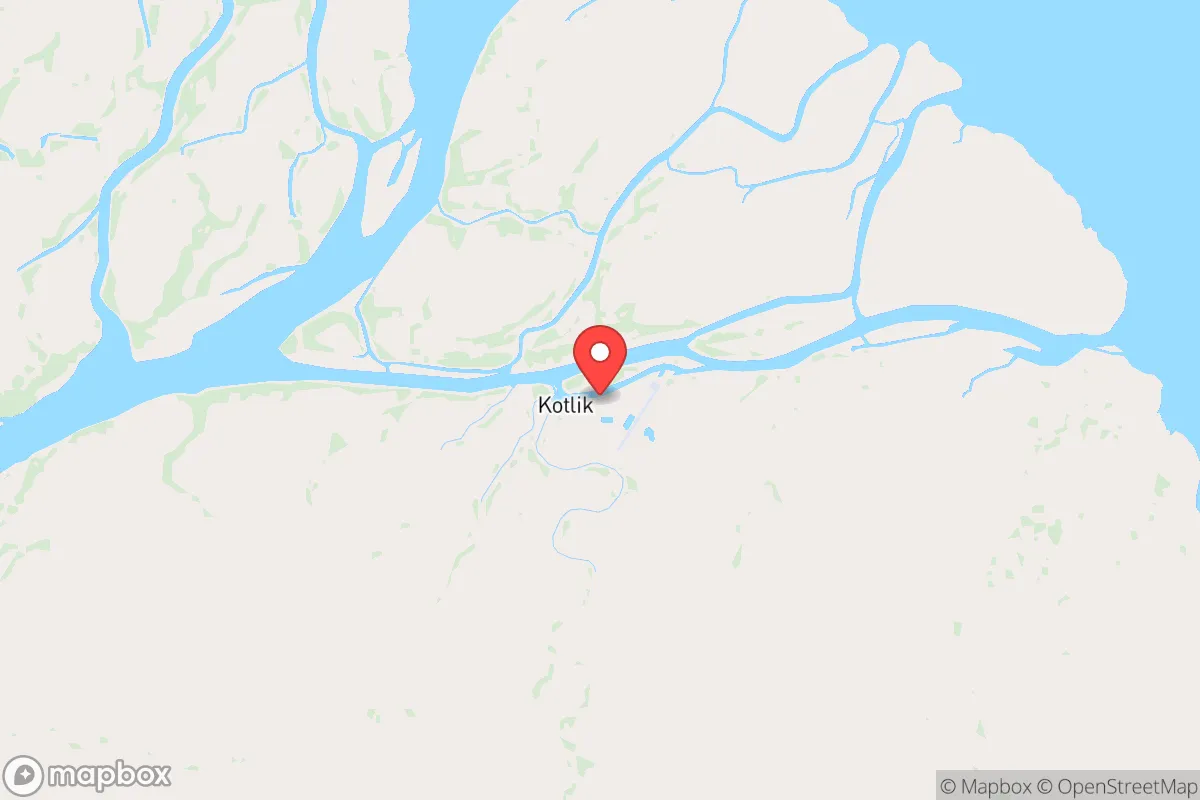
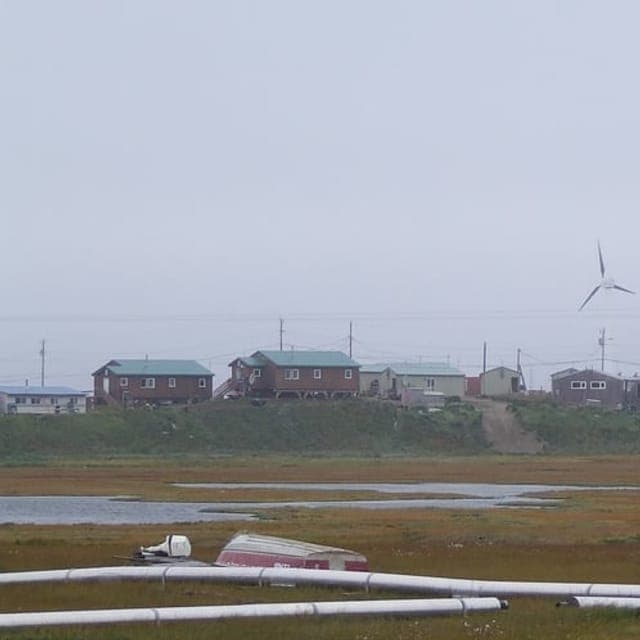
Kotlik, Alaska, is a Yup’ik village of about 1,166 people on the Yukon River’s north bank, roughly 100 miles from the Bering Sea coast. Life here moves to the rhythm of subsistence fishing, seasonal weather, and a tight-knit community where everyone knows your name—and your boat. It’s not a place for those seeking urban amenities or year-round convenience, but for residents who value deep cultural roots, quiet solitude, and a pace of life dictated by the river and the sky.
Daily Rhythm on the Yukon
Most mornings in Kotlik start early, often before sunrise, especially during summer fishing season. The primary employer is the local school district, followed by the tribal council and health clinic, but a significant portion of the economy revolves around subsistence: salmon, whitefish, moose, and berries. People don’t “commute” in the typical sense—the average drive is under 20 minutes, but many get around by four-wheeler, snowmachine, or boat. There’s no road connecting Kotlik to the rest of Alaska; everything comes in by barge or small plane. The local store, AC Value Center, stocks essentials, but prices are high—a gallon of milk can run $8–$10. For a sit-down meal, the only real option is the school’s community lunch program or potlucks at the tribal hall. Weekends are often spent checking nets, repairing gear, or visiting family in nearby villages like Emmonak or Alakanuk.
Who Fits In—and Who Doesn’t
Kotlik is overwhelmingly Yup’ik, with a median age of just 18.6—one of the youngest in Alaska—and a median household income around $49,844. The cost of living index is a rock-bottom 27 (compared to the U.S. average of 100), but that’s deceptive: housing is cheap (median home value $75,000), but nearly everything else is expensive due to shipping costs. The kind of person who thrives here is self-reliant, comfortable with isolation, and respectful of Yup’ik traditions. Only 3.2% of adults hold a college degree, so this isn’t a place for professionals seeking white-collar careers. It’s a community for families who want their kids to grow up speaking Yup’ik, learning to fish and hunt, and attending a school that doubles as the town’s social hub. Single adults without strong local ties often struggle with the lack of nightlife or dating options.
Sports, Festivals, and What Passes for Entertainment
High school basketball is the undisputed king of Kotlik sports. The Kotlik Huskies play in the 1A division, and games against rival villages like Scammon Bay or Hooper Bay are major events—the gym fills with families, elders, and kids. There’s no pro or college team within hundreds of miles, so local sports are everything. The annual Kotlik River Festival in late summer is the biggest social event: boat races, a salmon bake, traditional dancing, and a Miss Kotlik pageant. For outdoor recreation, the Yukon River offers world-class fishing for king and chum salmon, plus bird hunting in the fall. There are no movie theaters, bowling alleys, or music venues. The only bar is a small, members-only establishment at the tribal hall that opens for special occasions. Most evenings, people gather at someone’s home for card games (cribbage is huge) or watch DVDs.
Pros and Cons of Living Here
- Pros: Deep sense of community and cultural continuity; low housing costs; unparalleled access to fishing and hunting; safe from property crime (though violent crime rates are high—726.6 per 100K, driven largely by domestic incidents); no traffic or urban noise.
- Cons: Extreme isolation—no roads, limited flights, and a 3–4 month winter with temperatures dropping to -40°F; limited job opportunities outside of school or tribal government; high cost of goods; the violent crime rate is a real concern for families; no restaurants, bars, or entertainment beyond community events; the school is the only real gathering place, which can feel stifling for adults.
Weather, Seasons, and School as the Anchor
Winter lasts from October through April, with snow on the ground from November to May. The river freezes solid enough for snowmachine travel by December, and breakup in May is a celebrated event—the ice cracking and shifting is a local spectacle. Summer is brief but intense, with 20+ hours of daylight from June to July. The school (Kotlik School, grades K–12) is the heart of the village: it hosts community dinners, basketball tournaments, and the only public library. With a median age of 18.6, the school’s rhythm dictates the town’s calendar—graduation in May is the biggest celebration of the year. One practical reality: there’s no running water in many homes; residents haul water from a central tank or use honey buckets, a fact that surprises newcomers but is simply normal here.

Similar small towns to Kotlik
* Values derived from national, state, county, city and local statistics and may differ in a specific area. Last updated: 2026-04-19T19:29:30.000Z
Narrative content on this page is AI-generated and may contain mistakes. Verify any details that matter before acting on them.
ReloMaps may earn a commission from affiliate links at no extra cost to you.

