Photo: Wikipedia
Find The Best Places To Live in Chugach County
PRO TIP! You can paste a Zillow or Redfin link to get info on that property.
Best Places to Live in Chugach County
Cities & Towns in Chugach County
Cities in Chugach County
What It's Like Living in Chugach County, AK
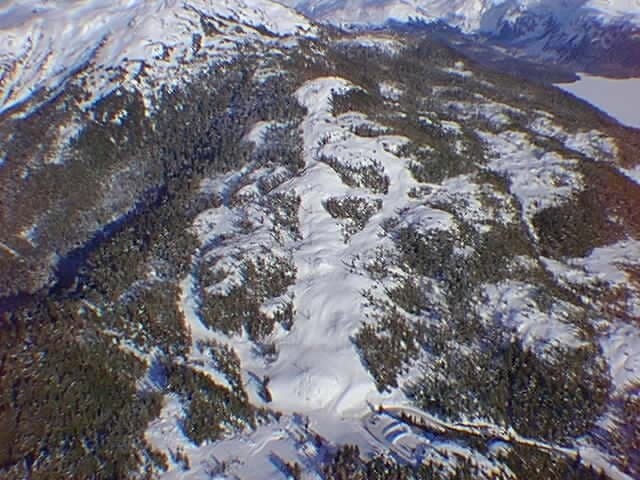
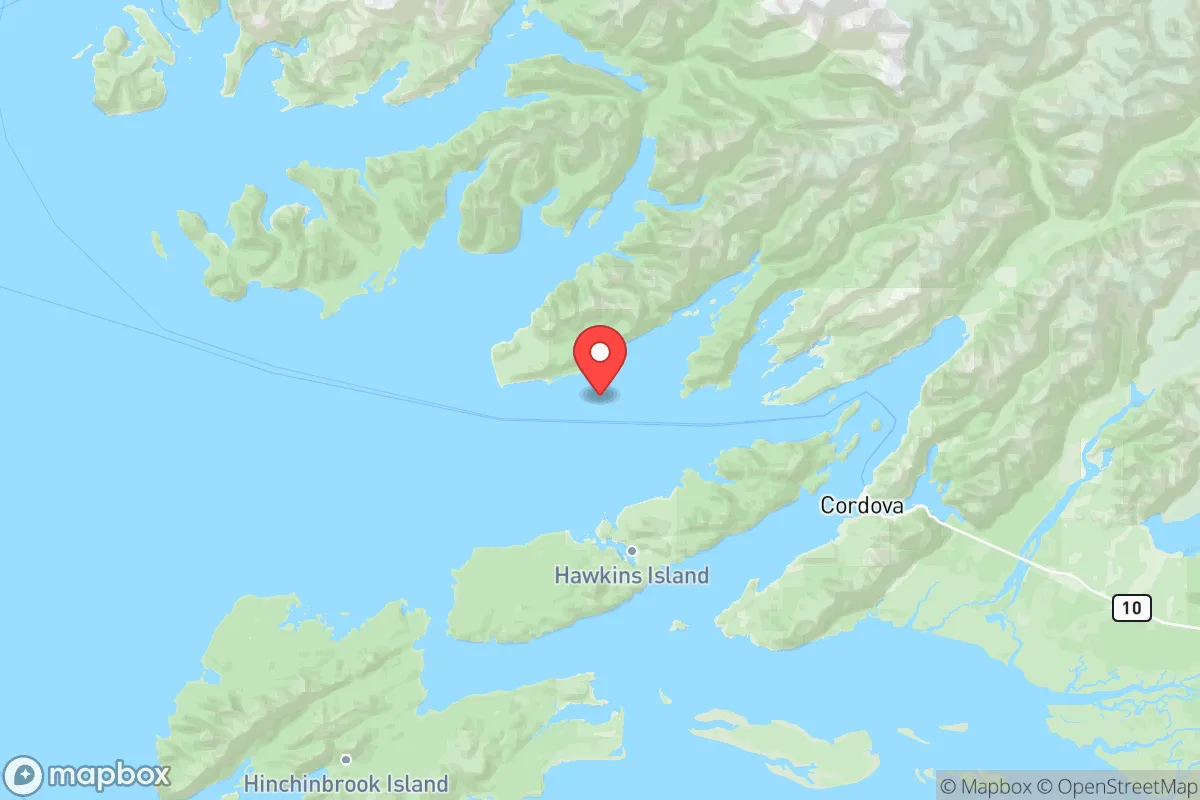
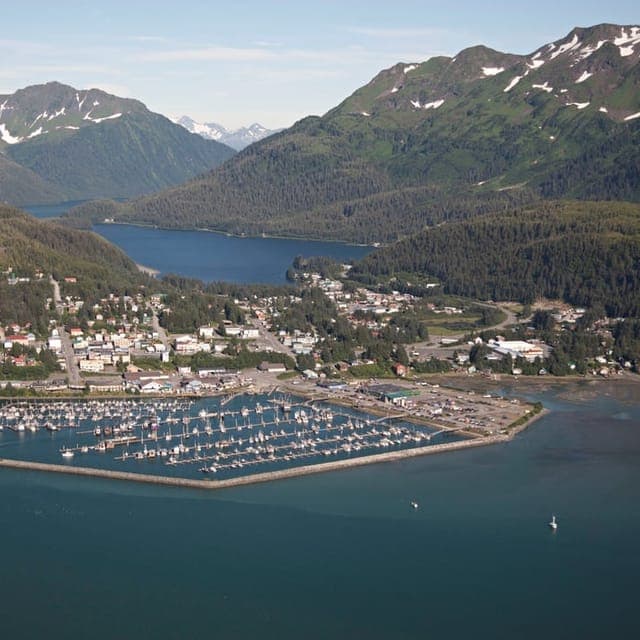
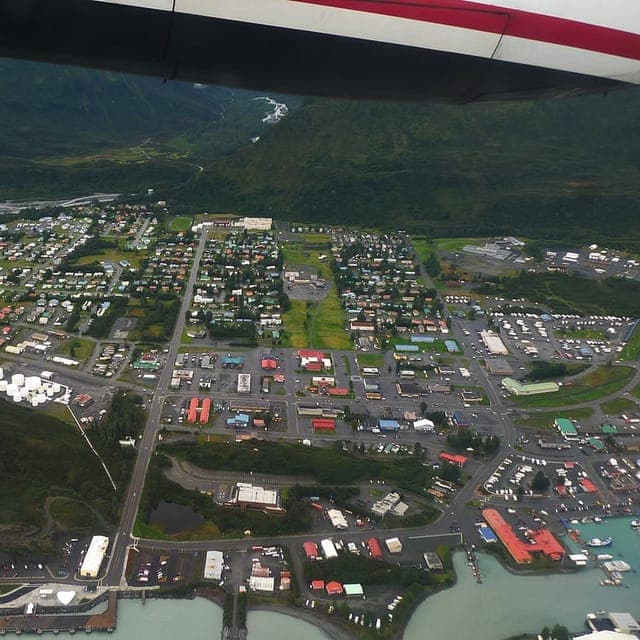
Living in Chugach County, Alaska, means trading the convenience of a big city for a life defined by raw, stunning geography and a fiercely independent, self-reliant community. This is not a place for people who need a mall on every corner or a 24-hour diner; it’s for those who see a 20-minute commute as a luxury and consider a well-stocked hardware store a major amenity. The county, which includes the towns of Cordova, Valdez, and Whittier, along with the smaller communities of Tatitlek and Chenega Bay, is a collection of isolated pockets where the Prince William Sound is the real highway.
Daily Rhythm in the Sound: Work, Weather, and Self-Reliance
The rhythm of life here is dictated by the seasons and the sea. In Valdez, the commercial fishing fleet and the Trans-Alaska Pipeline Terminal are the economic anchors, meaning a typical day might start before dawn for a fisherman or involve shift work at the terminal. In Cordova, the Copper River salmon fishery is the heartbeat of the town; during the summer opener, the entire community buzzes with the energy of a gold rush. For those not on the water, jobs are often in local government, healthcare, or the school district. The median income of $88,565 reflects the high wages needed to offset the cost of living, which sits at a 119 index (19% above the national average). You pay a premium for everything from groceries to gas, and that reality shapes daily choices. A trip to the grocery store in Whittier is a strategic event, not a casual errand, because the only road in and out is a one-lane tunnel that closes at night.
The average commute of just under 20 minutes is a genuine perk, but it’s a deceptive statistic. In Valdez, that commute might be a beautiful drive along the port, but in Cordova, it could involve a boat or a plane if you live in a remote bay. The median age of 38.4 suggests a population that is settled but not elderly—people who have chosen this life and are raising families or building careers around the resource economy. The 29.6% college-educated rate is lower than the national average, but that doesn’t reflect a lack of intelligence; it reflects a place where hands-on skills—welding, diesel mechanics, navigation—are often more valuable than a liberal arts degree.
Sports, Community, and What People Actually Do for Fun
Friday nights in Chugach County don’t look like Friday nights in Texas. There’s no massive high school football stadium. Instead, the community gathers for Valdez’s annual Iceworm Festival in February, a quirky celebration that includes a parade, a talent show, and the crowning of a “Miss Iceworm.” In Cordova, the Copper River Wild! Salmon Festival in July is the social highlight, featuring a salmon bake, a fun run, and a bed race. High school sports are a big deal, but they’re smaller and more intimate—basketball and volleyball games in Cordova or Valdez draw the whole town because there’s often little else to do. The local teams, the Valdez Buccaneers and the Cordova Wolverines, are sources of genuine pride, and a rivalry game can feel like the Super Bowl in a town of 2,000.
Outdoor recreation isn’t a hobby here; it’s the default entertainment. In Valdez, heli-skiing and snowmachining in the Chugach Mountains draw hardcore adventurers from around the world. In Whittier, the primary pastime is watching the tide come in and out, or taking a boat tour to see tidewater glaciers. Cordova is a hub for world-class fly-fishing on the Copper River, and the Orca Adventure Lodge is a popular spot for visitors and locals alike. The downside? The violent crime rate of 726.6 per 100,000 is alarmingly high—more than double the national average. This is a reality that locals don’t sugarcoat. Much of it is tied to alcohol and the transient nature of seasonal work, but it’s a factor that families and single people need to weigh seriously. The pros are the unparalleled access to wilderness and a tight-knit community where everyone knows your name; the cons are the isolation, the high cost of goods, and the very real safety concerns that come with a remote, resource-driven economy.
Housing, Schools, and the Realities of Remote Living
The median home value of $330,900 might sound affordable compared to Anchorage or the Lower 48, but it buys a different kind of home. In Valdez, that could get you a modest three-bedroom house with a view of the mountains, but it might also need a new roof and a heated foundation to deal with the snow load. In Cordova, housing is tight, and many people live in older homes or condos. The market is small and insular; homes don’t sit on the market long, and they often sell by word of mouth. The schools—Valdez High School and Cordova Jr/Sr High School—are the social and cultural centers of their towns. They’re small, with graduating classes of 30-50 students, which means teachers know every kid by name and parent involvement is high. For parents, this is a double-edged sword: your child will get personalized attention, but they’ll also have limited extracurricular options compared to a larger district.
Living here requires a specific mindset. You have to be comfortable with being uncomfortable—with power outages during a winter storm, with the fact that a trip to Costco means a flight to Anchorage, and with the knowledge that help is often hours away. The people who thrive in Chugach County are the ones who see the isolation not as a burden, but as a feature. They’re the ones who own a generator, know how to fix their own snowmachine, and don’t mind that the nearest Target is a 6-hour ferry ride away. It’s a life of trade-offs, but for the right person, the view of the glaciers from your front porch and the silence of a winter night make every compromise worth it.

* Values derived from national, state, county, city and local statistics and may differ in a specific area. Last updated: 2026-05-12T10:29:30.000Z
Narrative content on this page is AI-generated and may contain mistakes. Verify any details that matter before acting on them.
ReloMaps may earn a commission from affiliate links at no extra cost to you.

