Photo: Wikipedia
Strategic Assessment of Chugach County
Deep buffer from population centers and strategic targets. Low natural disaster risk and minimal exposure to border or coastal threats.
What does the Strategic Assessment tell us?
Our Strategic Assessment grades tactical survivability of an area. Major population centers, military targets, fallout zones, natural disasters, and border exposure all drive risk — lower exposure means a more defensible position in a crisis.
This is heavily inspired by Joel Skousen's Strategic Relocation book. Highly recommended you checkout the book ($)What does this tell us?
Our Strategic Assessment grades tactical survivability of an area. Major population centers, military targets, fallout zones, natural disasters, and border exposure all drive risk — lower exposure means a more defensible position in a crisis.
This is heavily inspired by Joel Skousen's Strategic Relocation book. Highly recommended you checkout the book ($)Strategic Pillars

Key Distances
Strategic Assessment Analysis
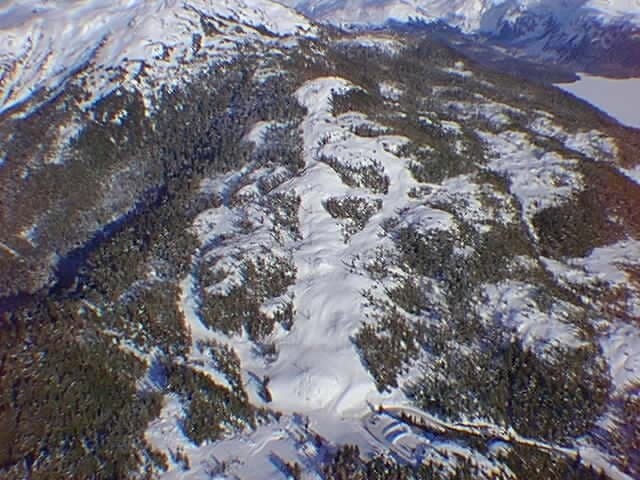
Chugach County, Alaska, offers a strategic relocation option for those prioritizing resilience and distance from the cascading failures of the Lower 48. Anchored by the port of Valdez and the remote communities of Cordova and Whittier, this region sits at the terminus of the Trans-Alaska Pipeline, providing a unique energy security advantage. Its location on Prince William Sound, shielded by the Chugach Mountains, creates a natural buffer against both fallout from major industrial targets and the logistical choke points that would cripple urban centers during a crisis. For a conservative-leaning individual or family seeking to step off the grid of vulnerability, this is a place where geography itself becomes a defensive asset.
Geographic position and natural advantages for long-term security
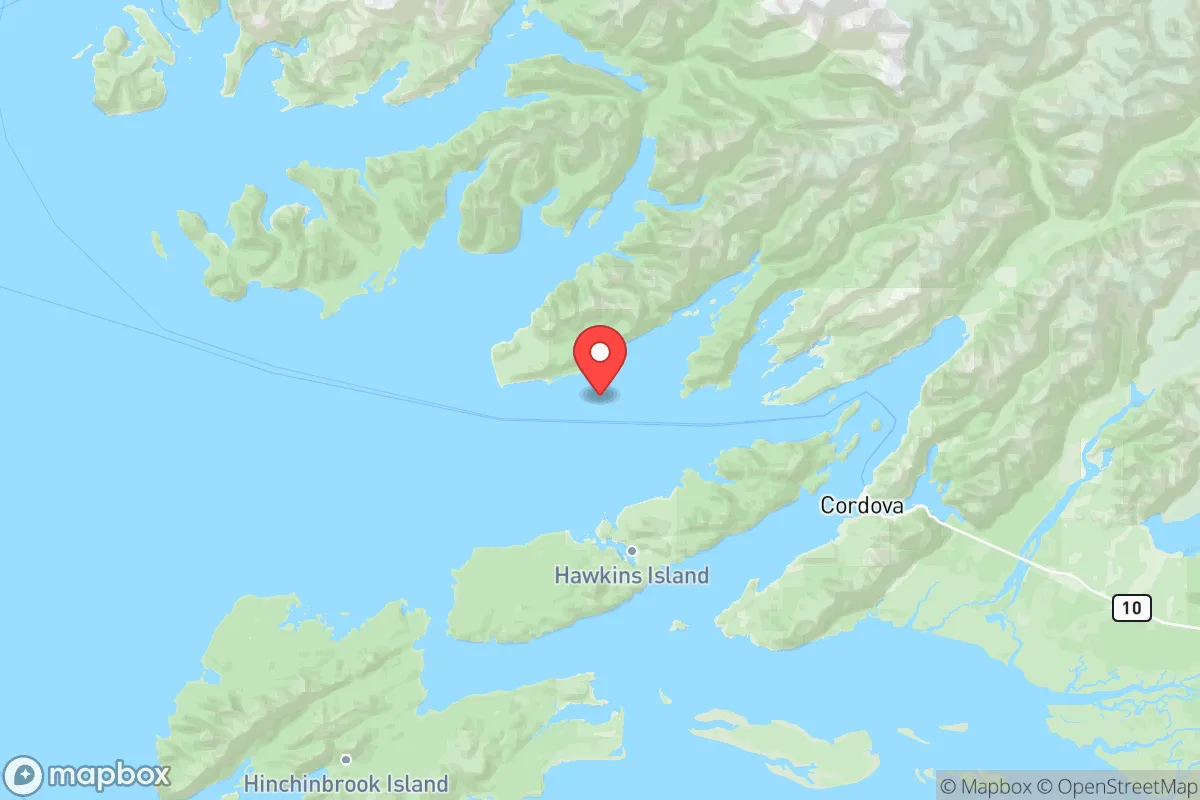
Chugach County’s primary strategic value lies in its isolation and natural defenses. The county encompasses the eastern edge of the Kenai Peninsula and the coastal communities along Prince William Sound, with the Chugach Mountains forming a near-impenetrable wall to the north and east. This terrain makes overland access from Anchorage or the Mat-Su Valley difficult, funneling movement through a few narrow corridors like the Seward Highway or the Whittier Tunnel. For a relocator, this means any potential threat—whether from civil unrest, supply chain collapse, or mass migration from urban centers—is inherently slowed and channeled. The region’s deep fjords and protected harbors also offer defensible maritime access, with Valdez being the only year-round ice-free port in Alaska north of the Aleutians. This port is not just a shipping hub; it’s a lifeline for fuel and goods that would remain operational even if the Lower 48’s ports were compromised. The county’s abundant freshwater from glacial runoff and its position in a temperate rainforest zone (receiving over 100 inches of precipitation annually) mean water scarcity is virtually nonexistent—a critical advantage over arid regions of the West.
Risks, exposures, and proximity to fallout-relevant landmarks
No strategic assessment is complete without acknowledging the risks, and Chugach County has a few that demand attention. The most obvious is the Trans-Alaska Pipeline, which terminates at the Valdez Marine Terminal. While this provides energy security, it also makes Valdez a potential target for sabotage or attack—whether from state actors, domestic terrorists, or cascading infrastructure failures. The terminal itself is a hardened facility, but a major incident there could contaminate the sound and disrupt fuel supplies for the entire state. Additionally, the county sits in a seismically active zone; the 1964 Good Friday earthquake (9.2 magnitude) devastated the region, and a repeat event would pose a serious threat to coastal infrastructure, including the pipeline. For those concerned with fallout from nuclear events, Chugach County’s distance from major strategic targets in the Lower 48 (like the refineries in Houston or the missile fields in Montana) is a clear positive. However, the county is within 200 miles of Joint Base Elmendorf-Richardson in Anchorage, a major military installation that could be a target in a conflict. The prevailing winds from the south and west would carry fallout away from most of Chugach County, but Cordova and Whittier are closer to the Gulf of Alaska, where maritime threats or submarine activity could be a concern. The key takeaway: the risks are primarily natural (earthquakes, tsunamis) and infrastructure-dependent (pipeline), not the dense, cascading vulnerabilities of a city like Seattle or Los Angeles.
Practical resilience for a relocator: food, water, energy, and defensibility
For a relocator serious about self-sufficiency, Chugach County offers a mixed but workable picture. Water is abundant—glacial streams, lakes, and high rainfall mean you can source and filter water easily, unlike the desert Southwest. Food security is the harder piece. The growing season is short (May to September) and the soil is thin, so large-scale gardening is limited. However, the marine bounty is exceptional: salmon runs in the Copper River and Prince William Sound are among the healthiest in the world, and halibut, crab, and shellfish are plentiful. Hunting for moose, black bear, and Sitka black-tailed deer is viable, but requires skill and gear. The real advantage is energy independence. The Valdez terminal and the local hydroelectric projects (like the Solomon Gulch plant in Valdez) mean electricity is reliable and relatively cheap. For off-grid setups, micro-hydro from the steep creeks is feasible, and solar works in the long summer days (though winter is dark). Defensibility is excellent for a small group. The terrain funnels access, and the communities are small (Valdez has about 3,800 people; Cordova around 2,200; Whittier fewer than 300). This means you can know your neighbors and build a mutual-aid network. The downside: resupply is expensive and dependent on the Alaska Marine Highway ferry system or air cargo, so stockpiling ammunition, medical supplies, and tools is essential. The county’s remoteness also means emergency services are limited—a serious injury could be hours from a hospital in Anchorage.
The overall strategic picture for Chugach County is one of high reward with manageable, specific risks. It is not a place for someone seeking a suburban retreat with easy access to Costco; it is a place for those willing to trade convenience for genuine security. The county’s isolation, energy assets, and natural resources make it one of the few regions in the United States where a prepared family could ride out a major societal disruption without being overrun. The threats—earthquakes, pipeline vulnerability, and the shadow of Anchorage’s military presence—are real but localized and predictable. For the conservative relocator who values self-reliance, community cohesion, and a buffer from the chaos of the Lower 48, Chugach County deserves serious consideration. Just be ready to learn how to fish, fix a diesel engine, and store a year’s worth of supplies before you make the move.

* Values derived from national, state, county, city and local statistics and may differ in a specific area. Last updated: 2026-05-12T10:29:30.000Z
Narrative content on this page is AI-generated and may contain mistakes. Verify any details that matter before acting on them.
ReloMaps may earn a commission from affiliate links at no extra cost to you.

