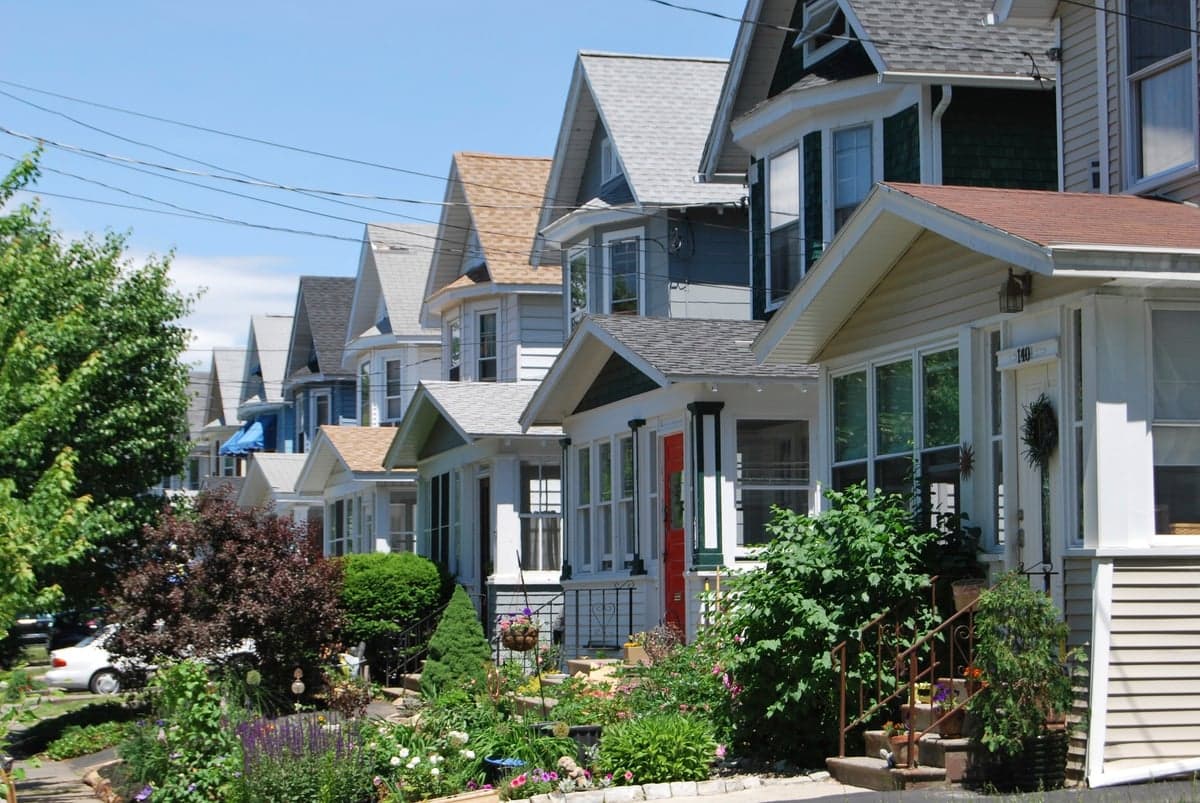
Photo: Wikipedia
Strategic Assessment of Albany, NY
Multiple tactical vulnerabilities. Population density, target proximity, or disaster risk are likely compounding. A retreat property and exit planning is required.
What does the Strategic Assessment tell us?
Our Strategic Assessment grades tactical survivability of an area. Major population centers, military targets, fallout zones, natural disasters, and border exposure all drive risk — lower exposure means a more defensible position in a crisis.
This is heavily inspired by Joel Skousen's Strategic Relocation book. Highly recommended you checkout the book ($)What does this tell us?
Our Strategic Assessment grades tactical survivability of an area. Major population centers, military targets, fallout zones, natural disasters, and border exposure all drive risk — lower exposure means a more defensible position in a crisis.
This is heavily inspired by Joel Skousen's Strategic Relocation book. Highly recommended you checkout the book ($)Strategic Pillars

Key Distances
Regional Safe Places
Below is our recommended "safe zones" in New York and the surrounding area based on our strategic heuristics. For most people, it's unrealistic to live in a “safe zone” full-time due to work, family or other personal reasons. They tend to be more rural. However, many of these areas are perfect for second homes and retreat properties that double as a vacation home or even a short-term rental.
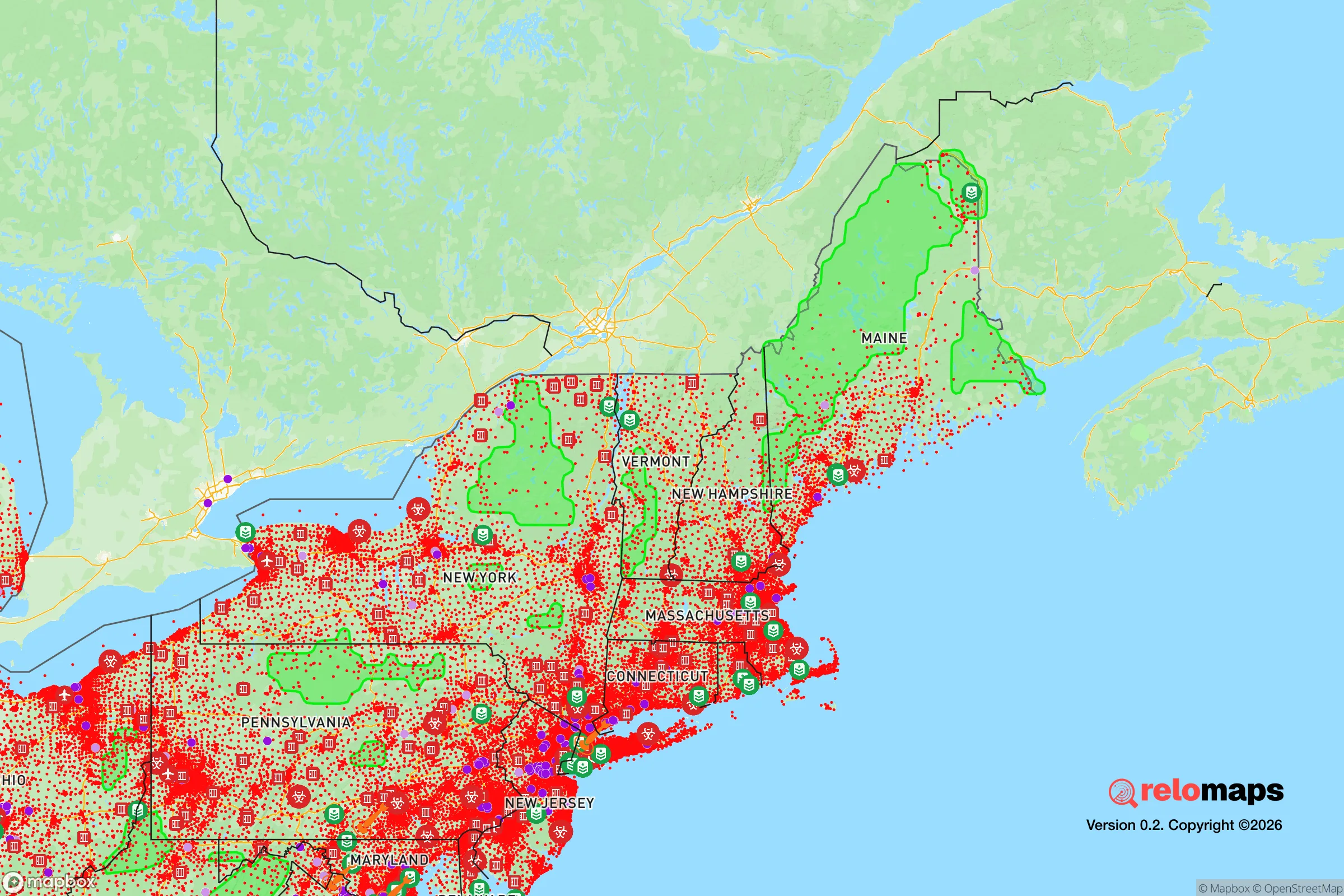
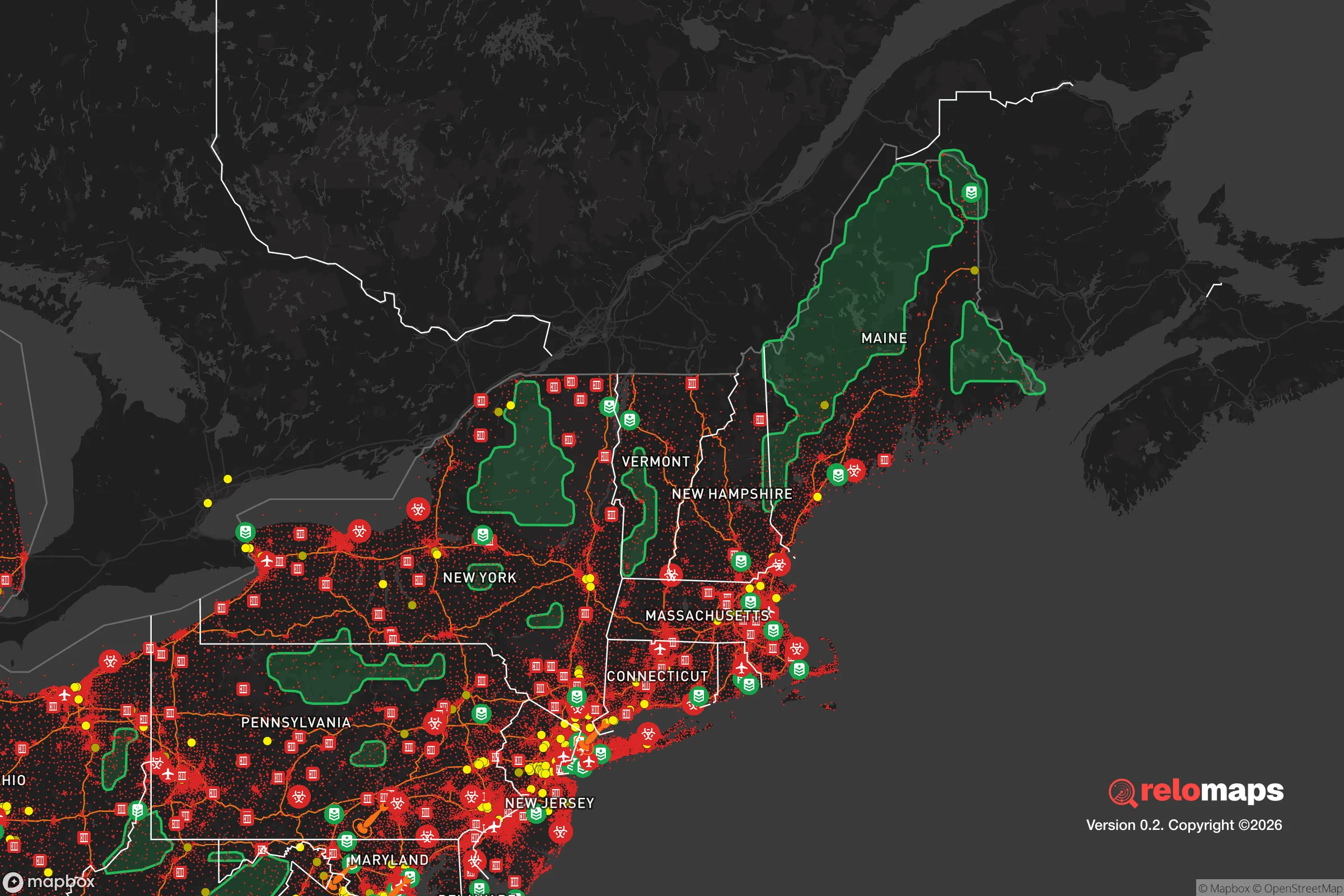


Important Note: For informational purposes only. This does not mean nothing bad ever happens in the green zones. Please use common sense. This is based on public data and modeled with AI. We tried to take a conservative approach but mistakes happen. We update this regularly as new information becomes available.
Solar Generator Recommendations
Backup power matters more here than in safer locations. We've picked three solar generators across budgets and capacity tiers — start with the budget unit if you only need a few essentials, or step up if you want to run a fridge and HVAC for days at a time.

Jackery Portable Power Station Explorer 300
Budget OptionPower on the Go: Weighing only 11 lbs, it's convenient to set up and store with book-sized foldable solar panels

BLUETTI Portable Power Station AC180
Designed for both indoor and outdoor scenarios, AC180 is highly capable as it has a robost capacity and continuous output power.

EF ECOFLOW DELTA Pro Ultra Power Station
Upgraded PickEcoFlow DELTA Pro Ultra is a whole-home energy system designed to grow with your family. Integrated with the Smart Home Panel 2, it scales to meet your evolving energy needs — keeping your home powered, intelligent, and secure through every stage of life.
We earn a commission, at no additional cost to you.
Strategic Assessment Analysis
Albany, New York, presents a complex strategic picture for the conservative prepper or survivalist. While its position as a state capital and regional hub offers certain logistical advantages, its proximity to major population centers, critical infrastructure, and potential geopolitical targets introduces significant vulnerabilities that must be weighed carefully. For the single individual or family prioritizing long-term resilience, Albany is less a sanctuary and more a location requiring a high degree of situational awareness and a robust exit plan.
Geographic position and natural advantages for long-term survival
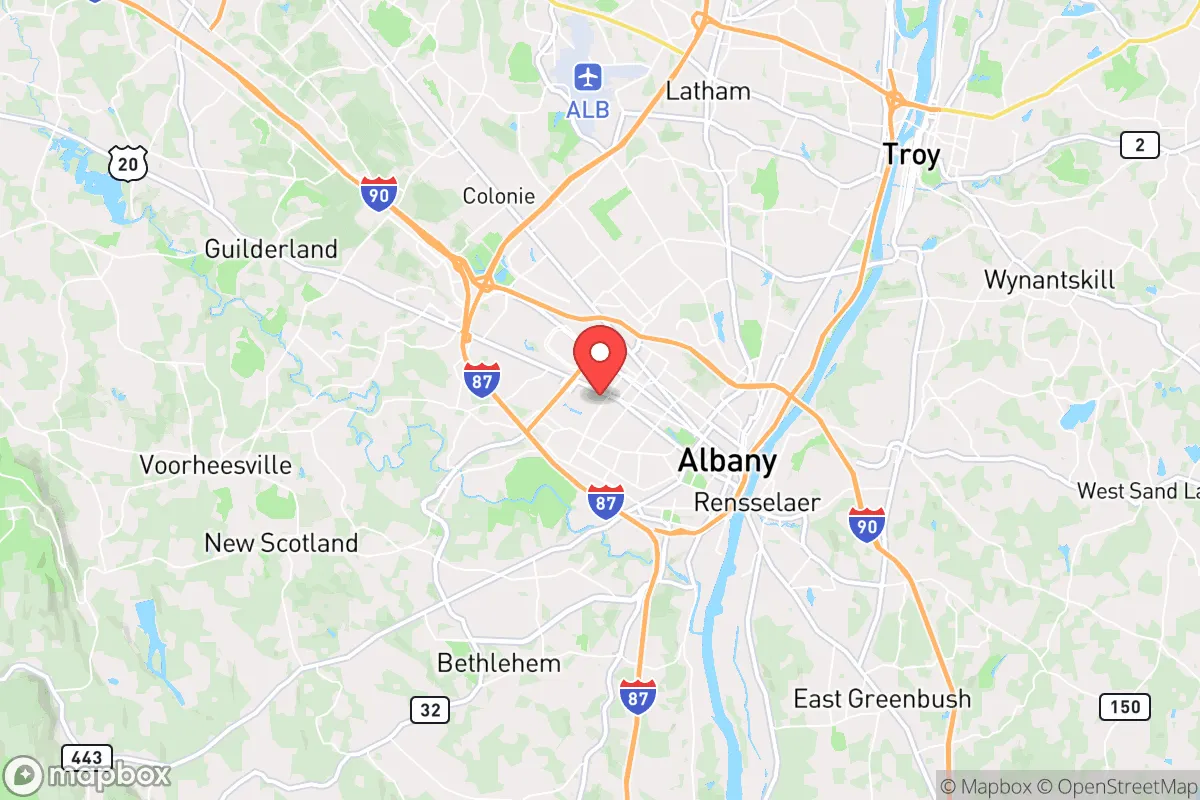
Albany sits at a strategic crossroads, roughly 150 miles north of New York City and 40 miles south of the Adirondack Park, one of the largest protected wilderness areas in the contiguous United States. This positioning offers a genuine natural buffer: the Hudson River provides a major water source, and the surrounding Capital District is ringed by the Helderberg Escarpment to the southwest and the Rensselaer Plateau to the east. These topographic features create natural chokepoints and defensible terrain, particularly for those willing to relocate 20–30 minutes outside the urban core. The region’s four-season climate means reliable annual precipitation—roughly 39 inches of rain and 60 inches of snow—which supports local agriculture and groundwater recharge. For a prepper, the ability to tap into the Adirondack watershed or the Mohawk River basin is a genuine asset, provided you secure land with a well and septic before the next crisis. The area’s history as a canal and rail hub also means multiple redundant transportation corridors, though these same routes become liabilities during a mass evacuation event.
Risks, exposures, and proximity to fallout-relevant landmarks
The most glaring vulnerability for Albany is its proximity to high-value targets. The city itself hosts the New York State Capitol, the State Emergency Management Office, and the Albany International Airport, which also serves as a base for the New York Air National Guard’s 109th Airlift Wing. Within a 50-mile radius lie the Knolls Atomic Power Laboratory (a naval nuclear propulsion research facility) in Niskayuna, the GlobalFoundries semiconductor fab in Malta (a critical microchip supplier to the Department of Defense), and the Port of Albany, which handles hazardous materials including propane and ethanol. Any of these sites could become a primary or secondary target during a conflict, a cyber-physical attack, or a cascading infrastructure failure. Furthermore, the New York State Thruway (I-87) and I-90 converge here, meaning a mass casualty event or civil unrest in New York City would likely send a wave of evacuees northward, overwhelming local resources within hours. The 2024 census estimates place the Albany-Schenectady-Troy metro population at roughly 900,000, and that density becomes a liability when supply chains snap. For the survivalist, the risk of being caught in a “choke point” during a regional evacuation is high, especially if bridges over the Hudson are compromised or blocked.
Practical resilience for a relocator: food, water, energy, and defensibility
For a relocator willing to live on the rural fringe—say, in Greene County to the south or Washington County to the north—Albany’s practical resilience improves markedly. The surrounding farmland produces dairy, apples, corn, and hay, and the region has a strong network of farmers’ markets and CSAs that could be leveraged for barter in a collapse scenario. Water is abundant: the Hudson is navigable but brackish south of Albany, while the Mohawk and Hoosic Rivers offer clean sources for filtration. The biggest energy concern is grid reliability. New York’s aging power infrastructure, combined with the state’s aggressive push toward renewable mandates (70% renewable electricity by 2030), means the grid is increasingly brittle during winter storms. A prepper should budget for a whole-home propane generator or a solar array with battery storage, as power outages lasting 3–7 days are common in the Capital District during ice storms. Defensibility is a mixed bag. The city itself is flat and exposed, but the surrounding hill towns—like Berne, Westerlo, or Stephentown—offer elevation, limited road access, and a more self-reliant population. These areas also have lower property taxes than the immediate suburbs, though New York’s overall tax burden remains among the highest in the nation. For a single individual or family, the key is to secure a property with a well, septic, and at least 5–10 acres of wooded land, ideally with a southern slope for passive solar gain. Without that, Albany is just a high-risk urban node with a nice view of the river.
The overall strategic picture for Albany is one of calculated risk. It offers genuine natural resources, a four-season climate, and a geographic buffer from the densest coastal populations, but it sits squarely in the shadow of multiple critical infrastructure targets and a state government that has shown a willingness to impose restrictive policies during emergencies. For the conservative prepper, Albany is not a bug-out destination—it is a location that demands a pre-positioned retreat within 45 minutes’ drive, a well-stocked pantry, and a realistic plan for self-sufficiency during a 30- to 90-day disruption. The area’s greatest strength is its access to the Adirondack wilderness and the working farms of the Hudson Valley; its greatest weakness is the political and logistical gravity of being a state capital in a region that could become a focal point for unrest or attack. If you can secure land outside the urban ring and maintain a low profile, Albany’s region can work as a base of operations. If you plan to live inside the city limits, you are betting that the state’s security apparatus will hold—a bet that, in the current climate, carries more risk than reward.

* Values derived from national, state, county, city and local statistics and may differ in a specific area. Last updated: 2026-04-21T10:08:08.000Z
Narrative content on this page is AI-generated and may contain mistakes. Verify any details that matter before acting on them.
ReloMaps may earn a commission from affiliate links at no extra cost to you.

