Photo: Wikipedia
Find The Best Places To Live
in Troy
PRO TIP! You can paste a Zillow or Redfin link to get info on that property.
What It's Like Living in Troy, NY
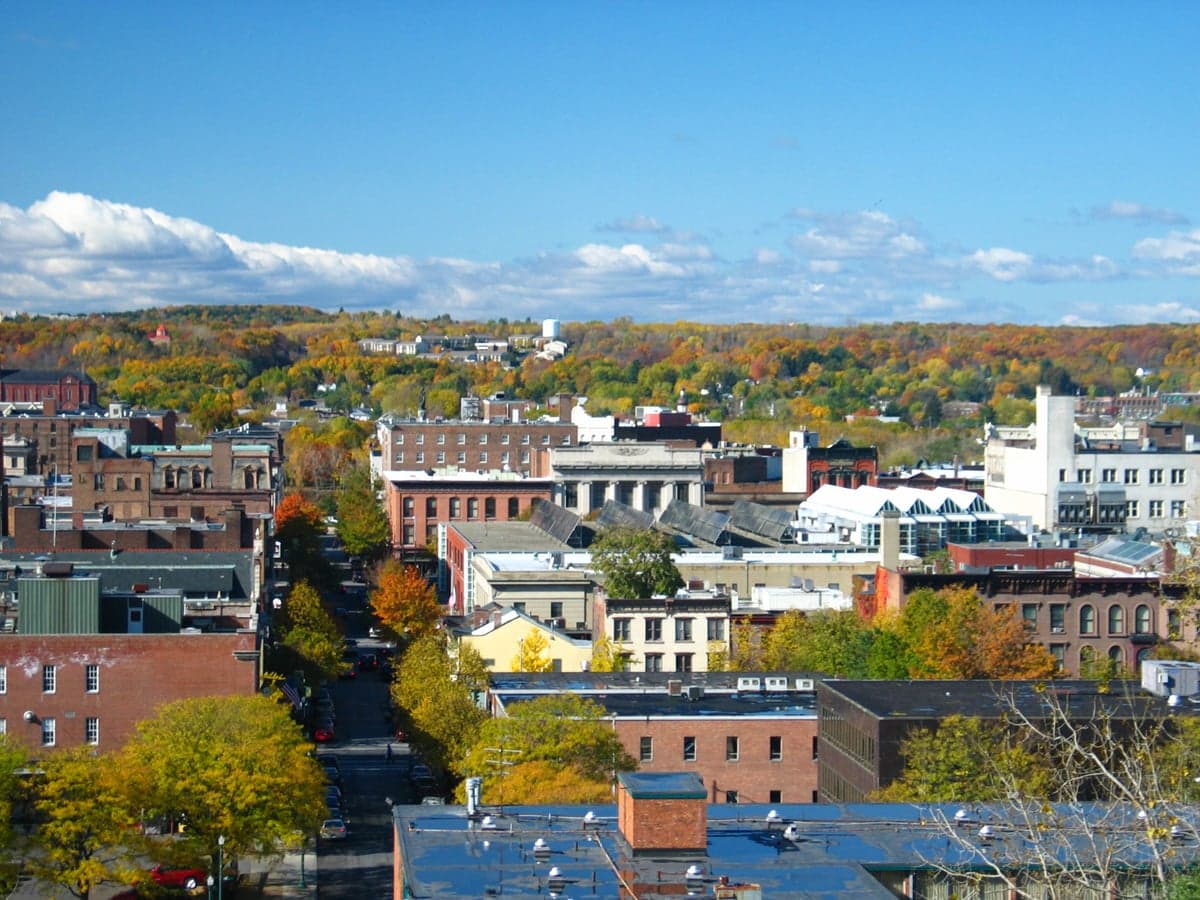
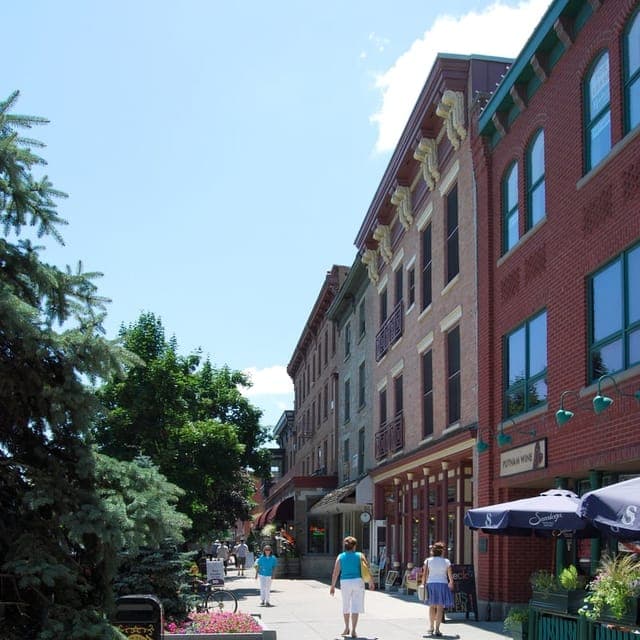
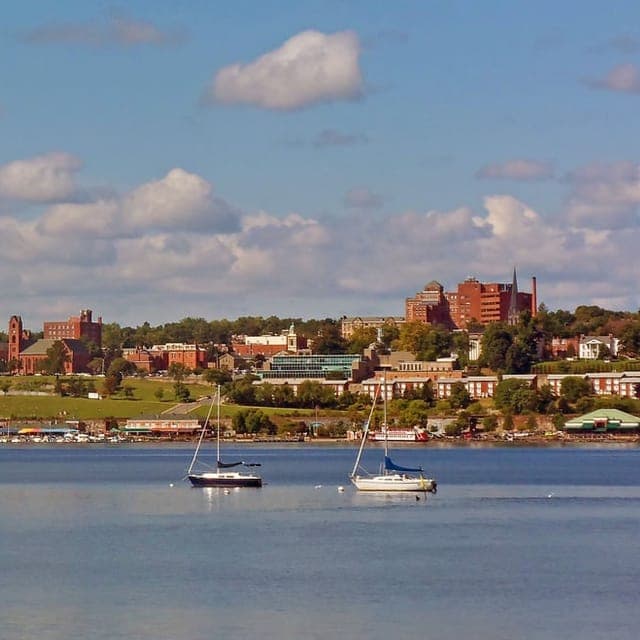
Troy has a way of surprising you. It’s not the polished, manicured suburb you might picture when you think “upstate New York.” Instead, it’s a brick-and-mortar city with a working-class spine, a growing creative class, and a skyline that still looks like a 19th-century industrial postcard. With a population just over 51,000, it’s big enough to have its own rhythm but small enough that you’ll start recognizing faces at the farmers market within a few months. The vibe here is less “perfect family town” and more “interesting place to build a real life.”
Daily Rhythm: What People Actually Do
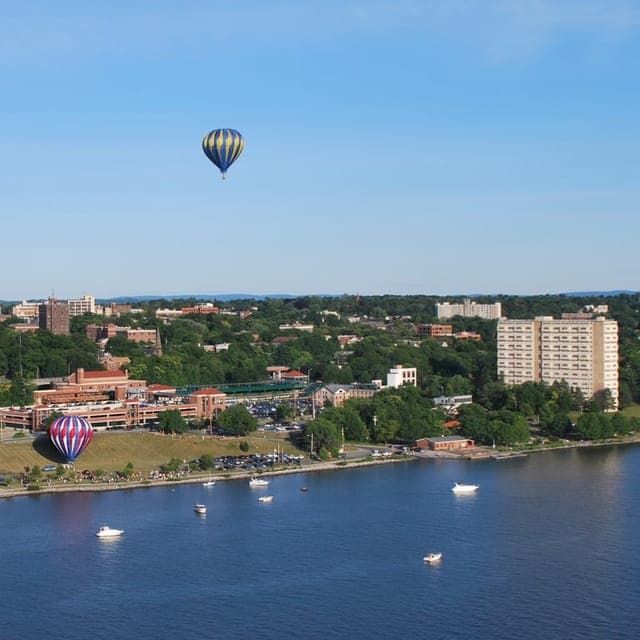
A typical weekday in Troy moves at a deliberate pace. The morning commute averages about 21 minutes—short enough that you can actually enjoy a coffee before heading out. People shop at the Troy Waterfront Farmers Market on Saturdays, grab groceries at the Price Chopper on Hoosick Street, and hit up the local hardware store on River Street for weekend projects. The median age here is 33, which means you’ll find a mix of young professionals, RPI grad students, and families who’ve been in the same house for decades. Weekends often involve a hike at the nearby Grafton Lakes State Park or a lazy afternoon at one of the city’s breweries—Brown’s Brewing on River Street is a local institution, with a solid IPA and a patio overlooking the Hudson.
Dinner out might mean a table at Muddaddy Flats for a quesadilla the size of your head, or a more refined meal at Bacchus on the corner of Broadway and 2nd. The food scene punches above its weight for a city of 51,000, with a handful of farm-to-table spots and a surprisingly good ramen joint. For groceries, the Troy Farmers Market is a Saturday ritual—it’s one of the oldest continuously running markets in the country, and it’s where you’ll see neighbors catch up over maple syrup and fresh bread.
Sports & Community: Where the Energy Goes
Sports here aren’t a religion the way they are in, say, Buffalo or Green Bay, but they’re a steady undercurrent. Rensselaer Polytechnic Institute (RPI) hockey is the big draw—the Engineers play at the Houston Field House, and on game nights the place fills with students, alumni, and locals who just love a good college hockey atmosphere. The team has a passionate following, and tickets are affordable enough that you can take the family without breaking the bank. High school sports are a quieter affair, but Troy High School football games still draw decent crowds on Friday nights, especially when they’re playing crosstown rival Albany High.
For the sports-minded adult, there are recreational leagues for softball, soccer, and kickball that run through the city’s parks department. The Hudson River itself is a major recreational asset—kayaking and paddleboarding are popular in warmer months, and the riverfront trail is a go-to for joggers and dog walkers. The city also hosts the Troy Turkey Trot every Thanksgiving, a 5K and 10K that draws thousands of runners and has become a genuine local tradition.
What’s There to Do: Festivals, Music, and the Quirks
Troy’s cultural calendar is busier than you’d expect. The Rockin’ on the River concert series brings free live music to the waterfront all summer, and the Troy Night Out art walk happens on the last Friday of every month, with galleries, shops, and bars staying open late. The Victorian Stroll in December is a big deal—people dress in period costume, horse-drawn carriages roll down 2nd Street, and the whole downtown feels like a holiday card. For music, The Hangar on the Hudson is a small but beloved venue that books indie bands and local acts, while No Fun on River Street leans into punk and alternative shows.
One quirk you’ll notice: Troy has a fierce local identity that borders on stubborn. People here will tell you they’re from Troy, not “the Albany area.” The city has a long history as a manufacturing hub—it’s where Uncle Sam was born, and where the detachable shirt collar was invented—and that legacy shows up in the architecture and the attitude. There’s a pride in the city’s grit, even when that grit means potholes and old infrastructure. The cost of living index sits at 86, well below the national average, and the median home value is $192,500, which means you can actually buy a house here on a median income of $57,688. That combination is the main reason people stay.
Pros and Cons of Living Here
Let’s be honest about the trade-offs. On the upside, Troy offers genuine affordability in a region with real character. You get walkable neighborhoods, a downtown that’s not dead after 5 PM, and access to the Adirondacks and Berkshires within an hour’s drive. The violent crime rate is 231.4 per 100,000, which is higher than the national average—it’s something to be aware of, especially in certain blocks near the downtown fringe, but most residents will tell you it’s not a constant worry in day-to-day life. Property crime is more of a nuisance, with car break-ins and porch thefts being the common complaints.
On the downside, winter is long. Snow starts in November and can linger through March, and the gray skies wear on you. The school system is a mixed bag—Troy City School District has some strong programs and dedicated teachers, but it struggles with funding and test scores compared to suburban districts like East Greenbush or Brunswick. Many families with school-age children factor in private or charter options. Traffic is rarely a real problem, but Hoosick Street (Route 7) can back up during rush hour, and parking downtown on event nights requires patience. The 36.8% college-educated rate is lower than some nearby suburbs, which reflects the city’s blue-collar roots—but it also means you get a more diverse mix of neighbors than you would in a purely professional-class town.
Ultimately, Troy works best for people who want an urban feel without the urban price tag, who don’t mind a little rough around the edges, and who value a community where you can actually get to know your neighbors. It’s not for everyone, but the people who love it really love it.

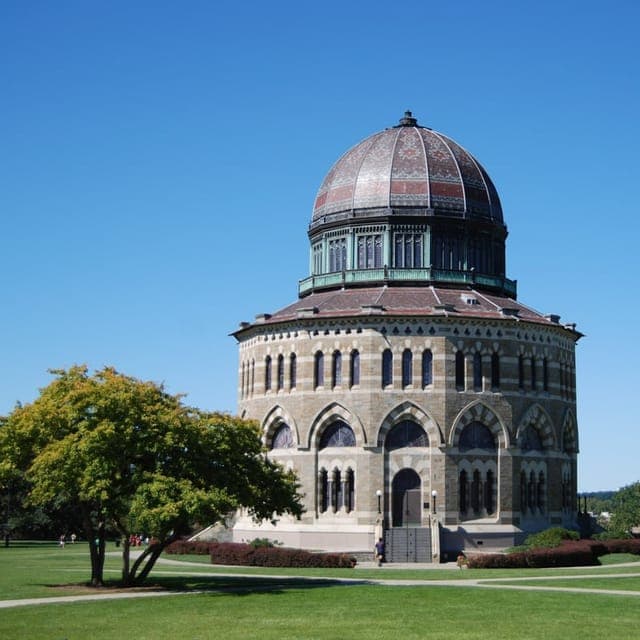
Similar small cities to Troy
* Values derived from national, state, county, city and local statistics and may differ in a specific area. Last updated: 2026-04-24T15:14:18.000Z
Narrative content on this page is AI-generated and may contain mistakes. Verify any details that matter before acting on them.
ReloMaps may earn a commission from affiliate links at no extra cost to you.

