Photo: Wikipedia
Quality of Life in Albany, VT
Above-average quality of iife. The area offers a reasonable cost of living, decent mobility, and a mix of neighborhood amenities.
What does Quality of Life tell us?
Quality of Life blends cost of living, nearby amenities, socioeconomic signals, and neighborhood character. City-level scores represent the whole municipality; individual neighborhoods can differ.
What does this tell us?
Quality of Life blends cost of living, nearby amenities, socioeconomic signals, and neighborhood character. City-level scores represent the whole municipality; individual neighborhoods can differ.
Cost of Living
33% below national average
The Real Cost of Living in Albany, VT for 2026
| Tier | Individual | Family (4) |
|---|---|---|
| Survival | $26k | $48k |
| Comfortable | $53k | $78k |
| Luxury | $174k+ | $270k+ |
123%
The Area Signal
A metric tracking the socioeconomic signals of the area.
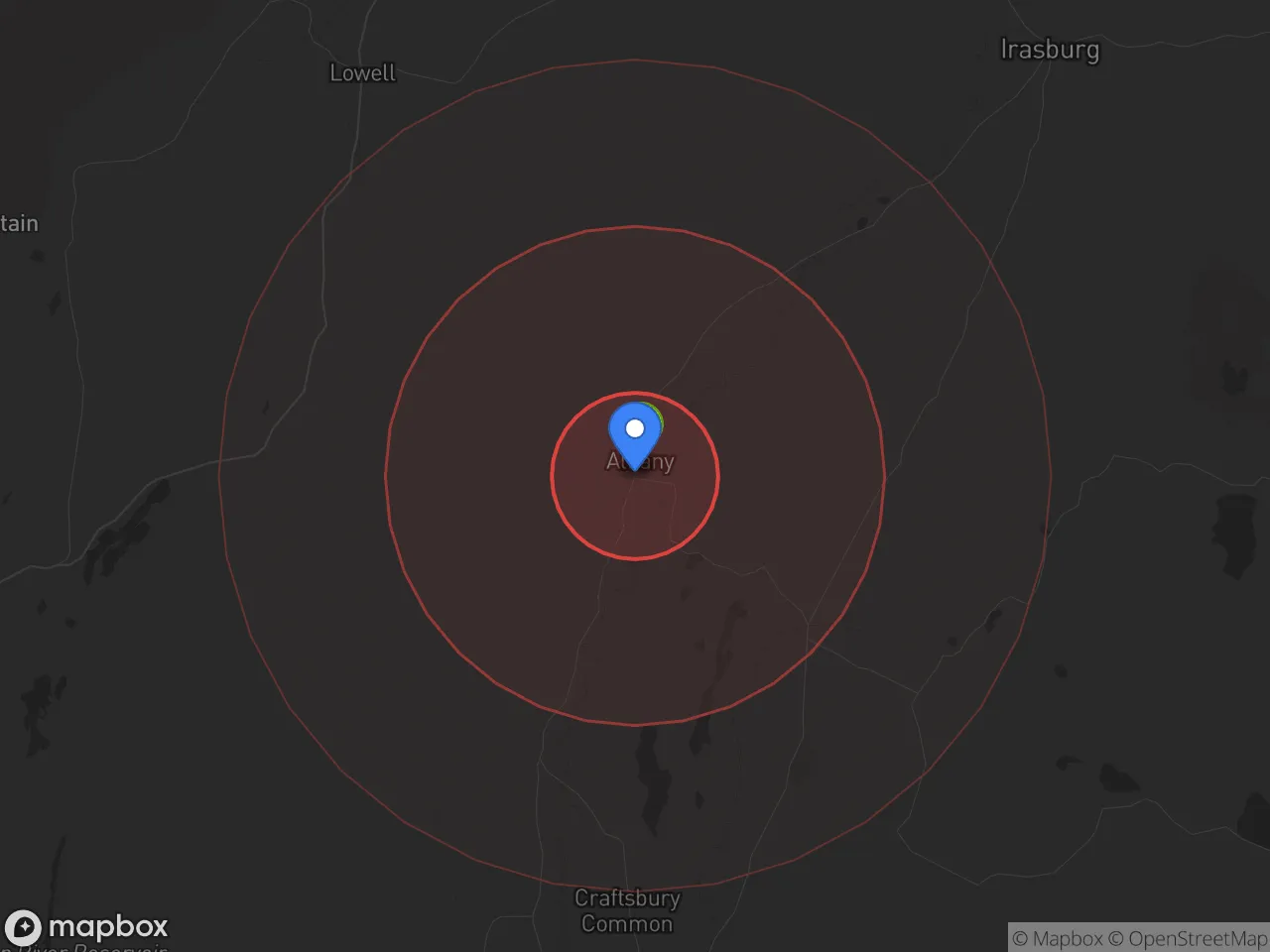
Limited data for this area
Limited data for this area
Hobbies
Explore the areaGroceries
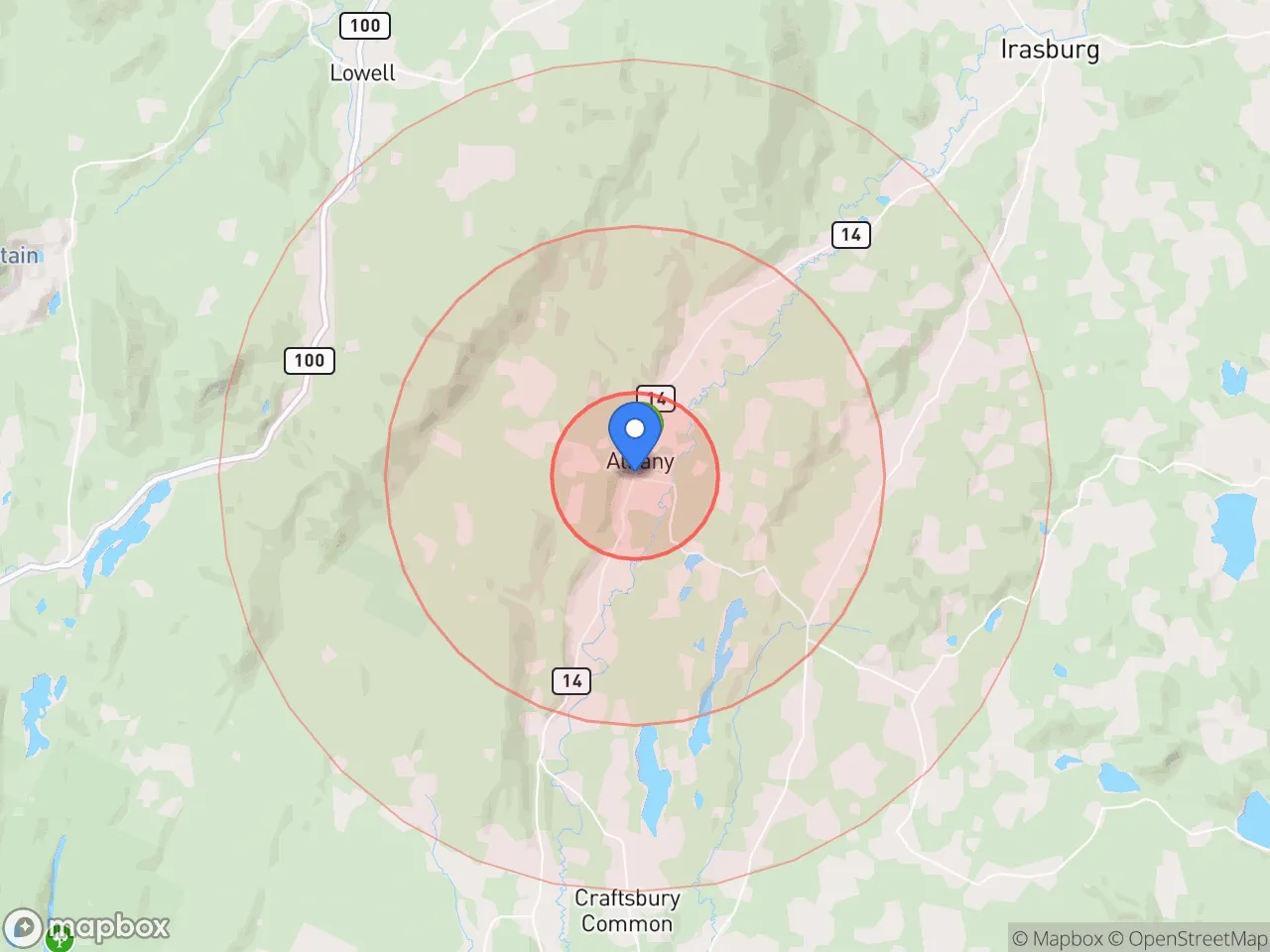
0 within 10 miles
Gas
3 within 10 miles
Hospital
2 within 20 miles
Airport
PDX — Portland International Jetport
Post Office
USPS — Albany, VT
Critical Amenities
Quality-of-Life Analysis
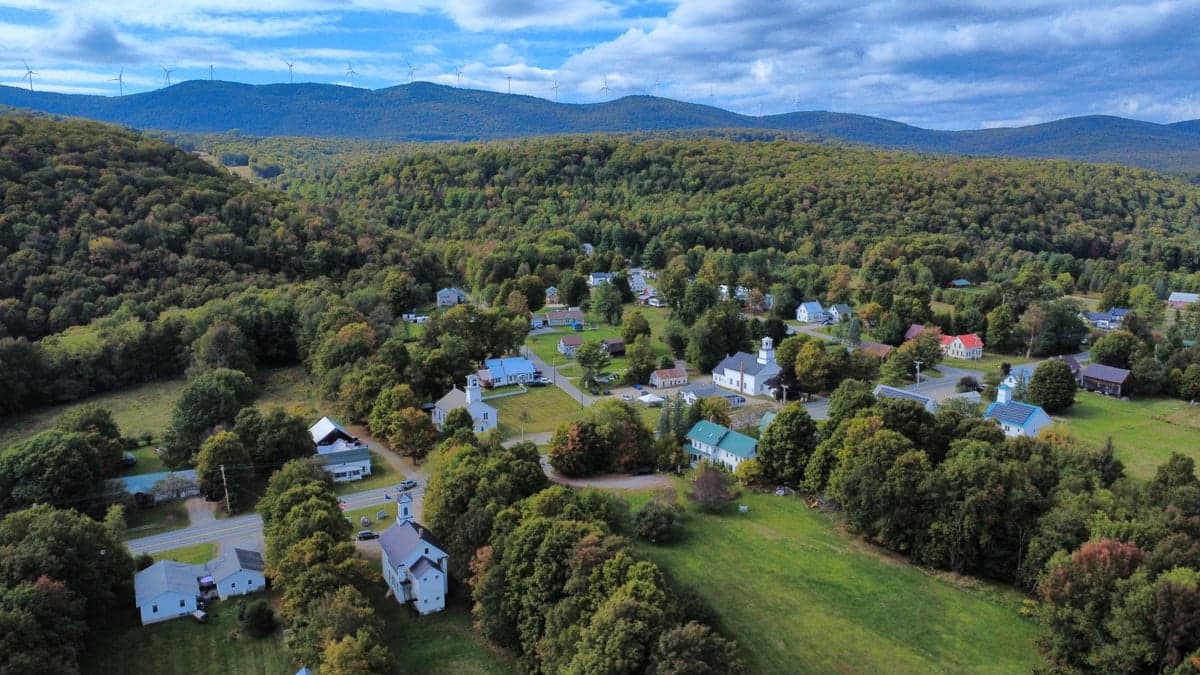
Albany, Vermont, presents a distinctive quality-of-life profile defined by rural tranquility and a cost of living that is significantly lower than the national average, attracting a mix of retirees, remote workers, and families seeking space and affordability. With a cost of living index of 67 (where 100 equals the U.S. average), residents spend substantially less on housing, groceries, and utilities than the typical American. The population is small and tight-knit, with many households owning their land and valuing self-sufficiency, while a growing number of newcomers are drawn by the promise of a slower pace within driving distance of larger employment centers like Montpelier and St. Johnsbury.
Cost of living and housing affordability compared to nearby towns
The most compelling draw to Albany is its housing market. The median home value of $187,500 is roughly half the Vermont state median and dramatically lower than in Chittenden County (Burlington area), where comparable homes often exceed $400,000. This affordability allows buyers to purchase a single-family home on multiple acres for what a one-bedroom condo costs in Burlington. Rentals are scarce but also below state averages, with a typical two-bedroom apartment renting for around $900–$1,100 per month. While property taxes in Vermont are relatively high (around 1.8% of assessed value), the low purchase price keeps annual tax bills manageable. The trade-off is limited inventory and a market that moves quickly, so prospective buyers often need to act fast or consider fixer-uppers. Compared to nearby towns like Newport or Barton, Albany offers slightly lower prices per square foot, though all three share a similar rural character.
Local amenities, schools, and the daily rhythm of life
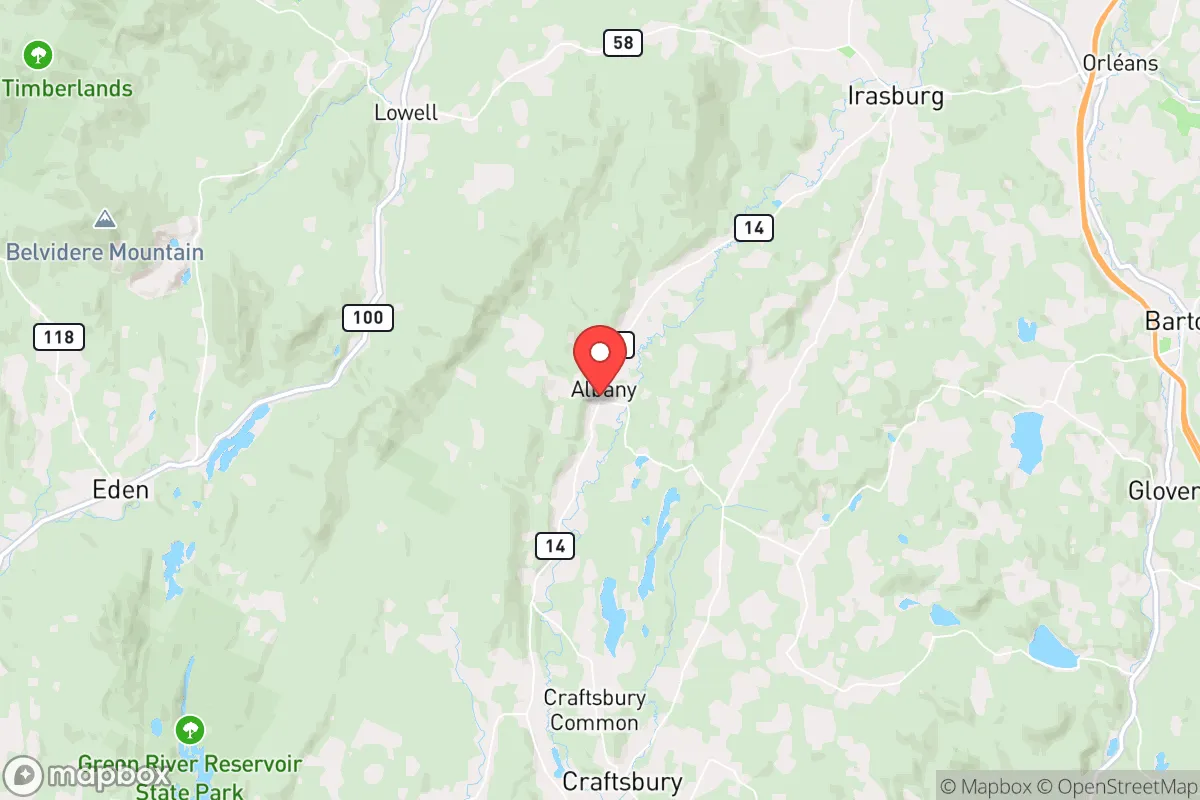
Daily life in Albany revolves around the village center, which contains a post office, a general store, and a town office. For groceries, dining, and medical services, residents drive 15 minutes to Newport or 30 minutes to St. Johnsbury. The Albany Community School serves grades K–6 with a student-teacher ratio of roughly 10:1, while older students attend Lake Region Union High School in Barton. Outdoor recreation defines the local rhythm: the Kingdom Trails network in nearby Burke is a world-class mountain biking destination, and the Missisquoi River offers fishing and kayaking. Winters are long and snowy, with average annual snowfall exceeding 90 inches, so snowmobiling and cross-country skiing are common pastimes. Internet access has improved markedly since 2020, with fiber-optic service now available in parts of town, making remote work feasible for many. The nearest hospital is North Country Hospital in Newport, about 20 minutes away, which provides emergency and primary care but requires travel to Burlington for specialist services.
Albany is best suited for those who prioritize space, affordability, and quiet over urban convenience. Retirees on fixed incomes, outdoor enthusiasts, and remote workers who can tolerate a long winter will find the low cost of living and strong sense of community appealing. Families should be comfortable with a small school and limited after-school activities, while anyone needing frequent access to airports, cultural venues, or specialized healthcare may find the isolation challenging. For the right person, however, Albany offers a rare combination of financial breathing room and unspoiled natural surroundings that is increasingly hard to find in New England.

Crime in Albany, VT
Generally safer than 71% of comparable U.S. locations.
Violent CrimeViolent Crime Analysis
Property CrimeProperty Crime Analysis
Crime Analysis
Albany, Vermont, presents a mixed safety picture that warrants careful consideration for potential residents. The town’s violent crime rate of 213.8 per 100,000 residents is notably lower than the national average, but its property crime rate of 1,415.9 per 100,000 is significantly elevated, indicating a higher risk of theft and burglary. This disparity suggests that while violent confrontations are less common, residents face a tangible threat to their personal property and sense of security.
Crime in context
When compared to state and national benchmarks, Albany’s crime data reveals a distinct pattern. The violent crime rate is approximately 39% lower than the U.S. average of roughly 380 per 100,000, aligning more closely with Vermont’s generally lower violent crime profile. However, the property crime rate is nearly 30% higher than the national average of about 1,100 per 100,000. This places Albany in a challenging position: it is safer from violent assault than many American communities, but its property crime problem is more acute, potentially fueled by its proximity to larger population centers and the associated transient criminal activity.
What residents experience
For those living in Albany, the daily reality is shaped more by property crime than by violent threats. Residents commonly report concerns about theft from vehicles, break-ins of sheds or outbuildings, and occasional burglaries of unoccupied homes. The elevated property crime rate suggests that opportunistic theft is a persistent issue. A critical factor influencing this environment is the broader legal and prosecutorial climate in Vermont. The state, including Orleans County where Albany is located, operates under a legal framework often characterized as progressive, with district attorneys and judges who may prioritize rehabilitation and diversion programs over incarceration. While intended to reduce recidivism, this approach can result in more offenders remaining on the street, directly increasing the likelihood of repeat property crimes and diminishing the deterrent effect of the justice system. For victims, this can feel like a lack of accountability, where the system’s sympathy for offenders comes at the expense of public safety and justice for those affected by crime.
Neighborhood-level variation in Albany is limited due to the town’s small size and rural character. Crime tends to be more concentrated along the main transportation corridors, such as Route 14, and in areas with higher rental property density. More isolated, owner-occupied residential streets generally experience fewer incidents, though no area is entirely immune from property crime. Prospective residents should prioritize securing outbuildings, installing exterior lighting, and participating in neighborhood watch efforts to mitigate the elevated property crime risk.
* Values derived from national, state, county, city and local statistics and may differ in a specific area. Last updated: 2026-04-22T22:44:33.000Z
Narrative content on this page is AI-generated and may contain mistakes. Verify any details that matter before acting on them.
ReloMaps may earn a commission from affiliate links at no extra cost to you.

