Photo: Wikipedia
Demographics of Alburgh, VT
Historical data isn't available for Alburgh, VT. Trends shown are for Grand Isle County, VT.
Affluence Level in Alburgh, VT
A middle-class area roughly in line with national averages across income, home values, education, and employment.
People of Alburgh, VT
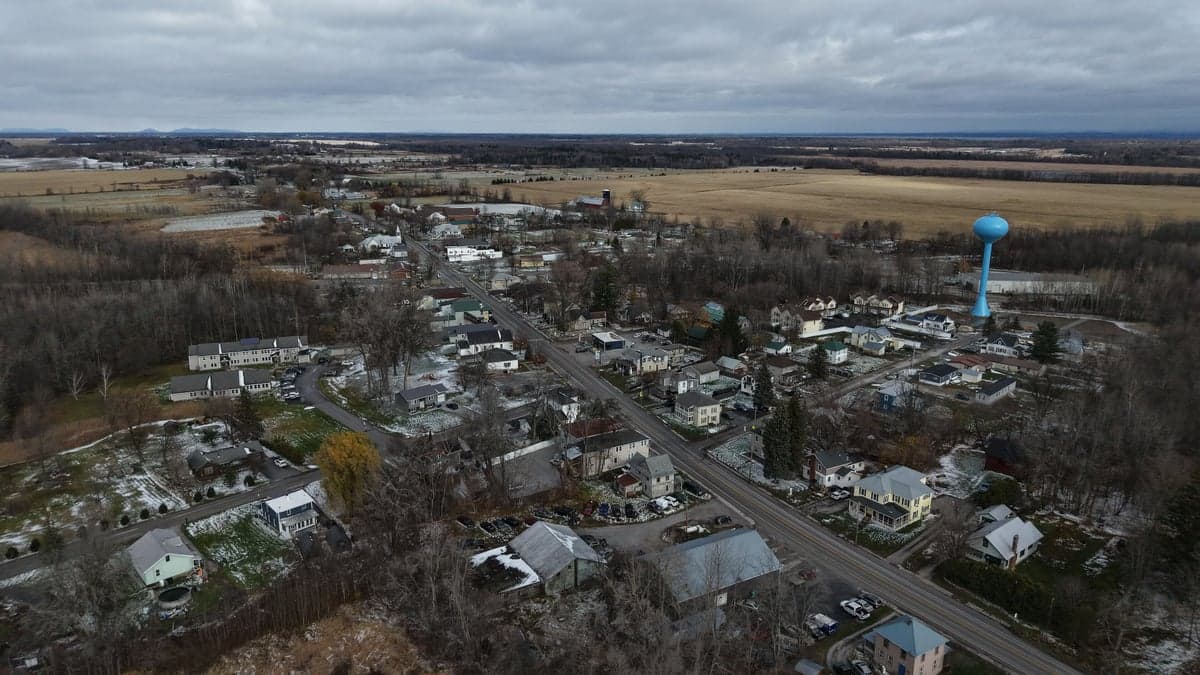
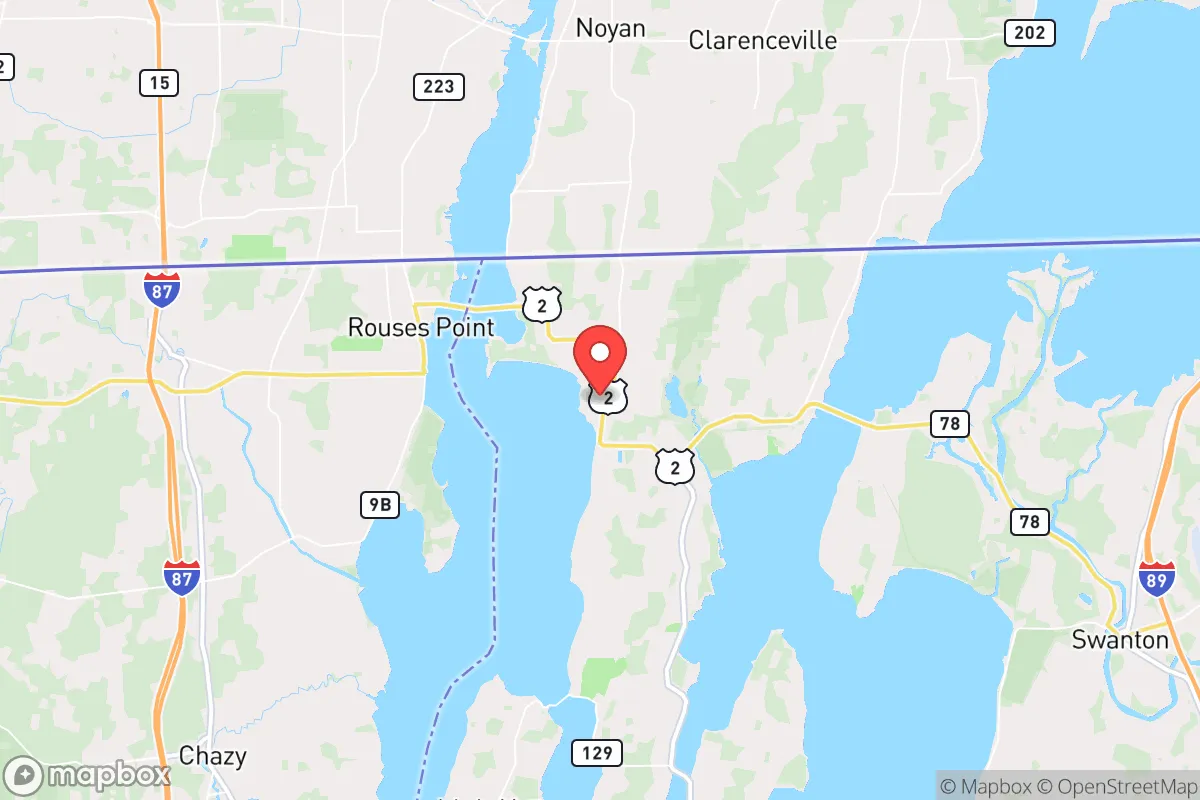
Alburgh, Vermont, is a small, tight-knit community of 586 residents, overwhelmingly white (83.8%) and with a very low foreign-born population (2.0%). The village is characterized by its rural, lakeside setting on the Alburgh Peninsula in Lake Champlain, where a sense of isolation and self-reliance has shaped a population that values privacy, property rights, and local governance. With only 16.3% of adults holding a college degree, the workforce is heavily blue-collar, centered on agriculture, small trades, and seasonal tourism, giving the town a distinctly working-class, conservative identity.
How the city was settled and grew
Alburgh’s human history begins with the Abenaki people, who used the peninsula for fishing and seasonal camps long before European contact. The first permanent white settlers arrived in the late 18th century, primarily Yankees from Massachusetts and Connecticut drawn by land grants from the Vermont Republic. These early families—names like Bishop, Fletcher, and Mott—established farms along the lake’s fertile shoreline, founding the historic Alburgh Center district, which remains the village’s oldest residential core. By the mid-19th century, the construction of the Rutland & Burlington Railroad in the 1850s spurred a second wave of settlement, bringing Irish and French-Canadian laborers who built homes in the Alburgh Village area near the depot. These groups worked the rail lines, quarries, and emerging dairy farms, establishing a Catholic presence that contrasted with the earlier Protestant Yankees. The population peaked around 1,200 in the 1880s, then declined as rail traffic diminished and agriculture consolidated, leaving Alburgh a quiet, homogeneous community through the mid-20th century.
Modern era (post-1965)
After the 1965 Hart-Cellar Act, Alburgh saw virtually no immigration-driven diversification. The foreign-born population today is just 2.0%, and the village remains 83.8% white. The modest demographic shifts that did occur came from domestic in-migration: retirees and second-home buyers from southern New England and New York, drawn by lakefront property values that remain below Vermont’s Champlain Valley average. These newcomers settled primarily in the Alburgh Beach and Point Au Roche areas, where seasonal cottages have been converted to year-round residences. The Hispanic population (2.6%) and Black population (1.9%) are small but concentrated in the Alburgh Springs neighborhood, where migrant farmworkers—mostly from Mexico and Central America—have found seasonal work on apple orchards and dairy operations. There are no recorded East/Southeast Asian or Indian subcontinent residents, reflecting the village’s lack of professional or tech-sector employment. The college-educated share (16.3%) is well below Vermont’s state average of roughly 40%, underscoring that Alburgh has not attracted the educated, progressive transplants reshaping Burlington and Chittenden County.
The future
Alburgh’s population is aging and slowly shrinking, with a median age likely in the mid-50s and limited in-migration of young families. The village is not homogenizing or tribalizing into distinct ethnic enclaves—it is simply becoming whiter and older as the small Hispanic and Black populations, tied to agricultural labor, remain transient and do not establish permanent communities. The next 10-20 years will likely see continued population decline, with lakefront properties increasingly bought by out-of-state retirees or remote workers seeking low taxes and privacy, while the working-age population continues to leave for jobs in Burlington or beyond. No significant immigrant growth is projected, as the area lacks the economic magnets—diverse employers, affordable rental stock, or ethnic networks—that drive such change.
For a conservative-leaning mover today, Alburgh offers a stable, low-crime, and culturally homogeneous environment where property taxes are low and neighbors know each other. The trade-off is limited economic opportunity, minimal diversity, and a shrinking tax base that may strain local services. This is a place for those seeking quiet, self-sufficient living on the lake, not for those expecting growth, career prospects, or demographic change.

* Values derived from national, state, county, city and local statistics and may differ in a specific area. Last updated: 2026-04-30T15:43:22.000Z
Narrative content on this page is AI-generated and may contain mistakes. Verify any details that matter before acting on them.
ReloMaps may earn a commission from affiliate links at no extra cost to you.

