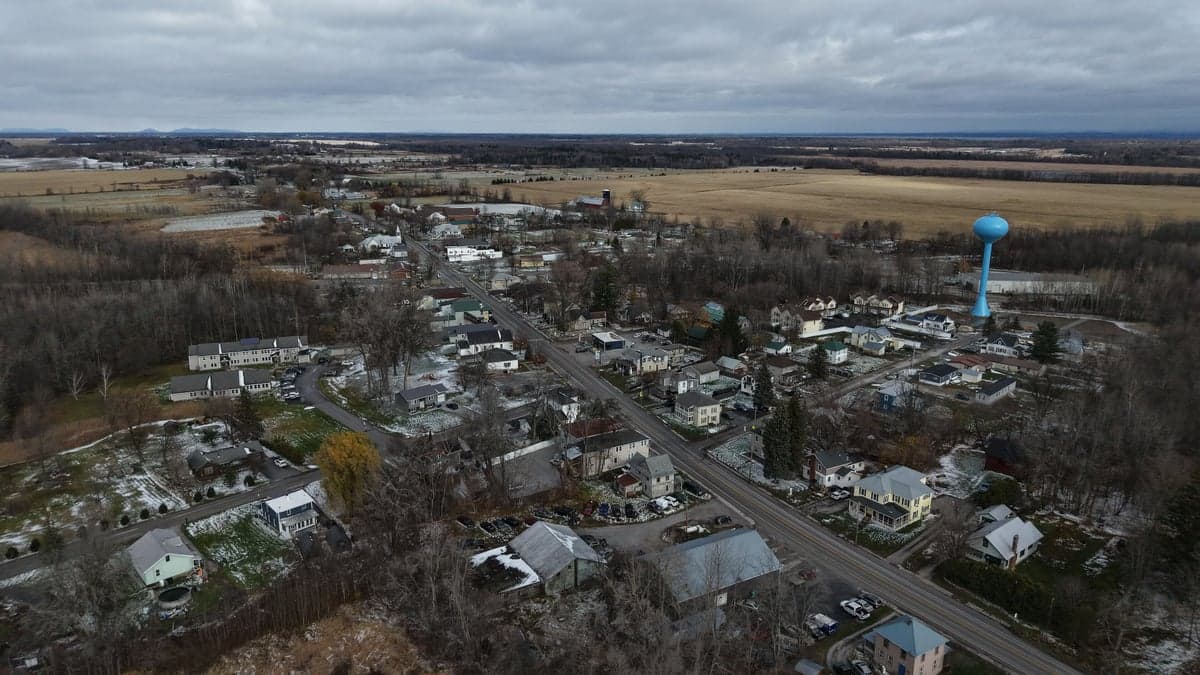
Photo: Wikipedia
Quality of Life in Alburgh, VT
Above-average quality of iife. The area offers a reasonable cost of living, decent mobility, and a mix of neighborhood amenities.
What does Quality of Life tell us?
Quality of Life blends cost of living, nearby amenities, socioeconomic signals, and neighborhood character. City-level scores represent the whole municipality; individual neighborhoods can differ.
What does this tell us?
Quality of Life blends cost of living, nearby amenities, socioeconomic signals, and neighborhood character. City-level scores represent the whole municipality; individual neighborhoods can differ.
Cost of Living
8% above national average
The Real Cost of Living in Alburgh, VT for 2026
| Tier | Individual | Family (4) |
|---|---|---|
| Survival | $19k | $36k |
| Comfortable | $34k | $50k |
| Luxury | $79k+ | $122k+ |
| Elite (Top 5%) | $92k+ | $143k+ |
126%
The Area Signal
A metric tracking the socioeconomic signals of the area.
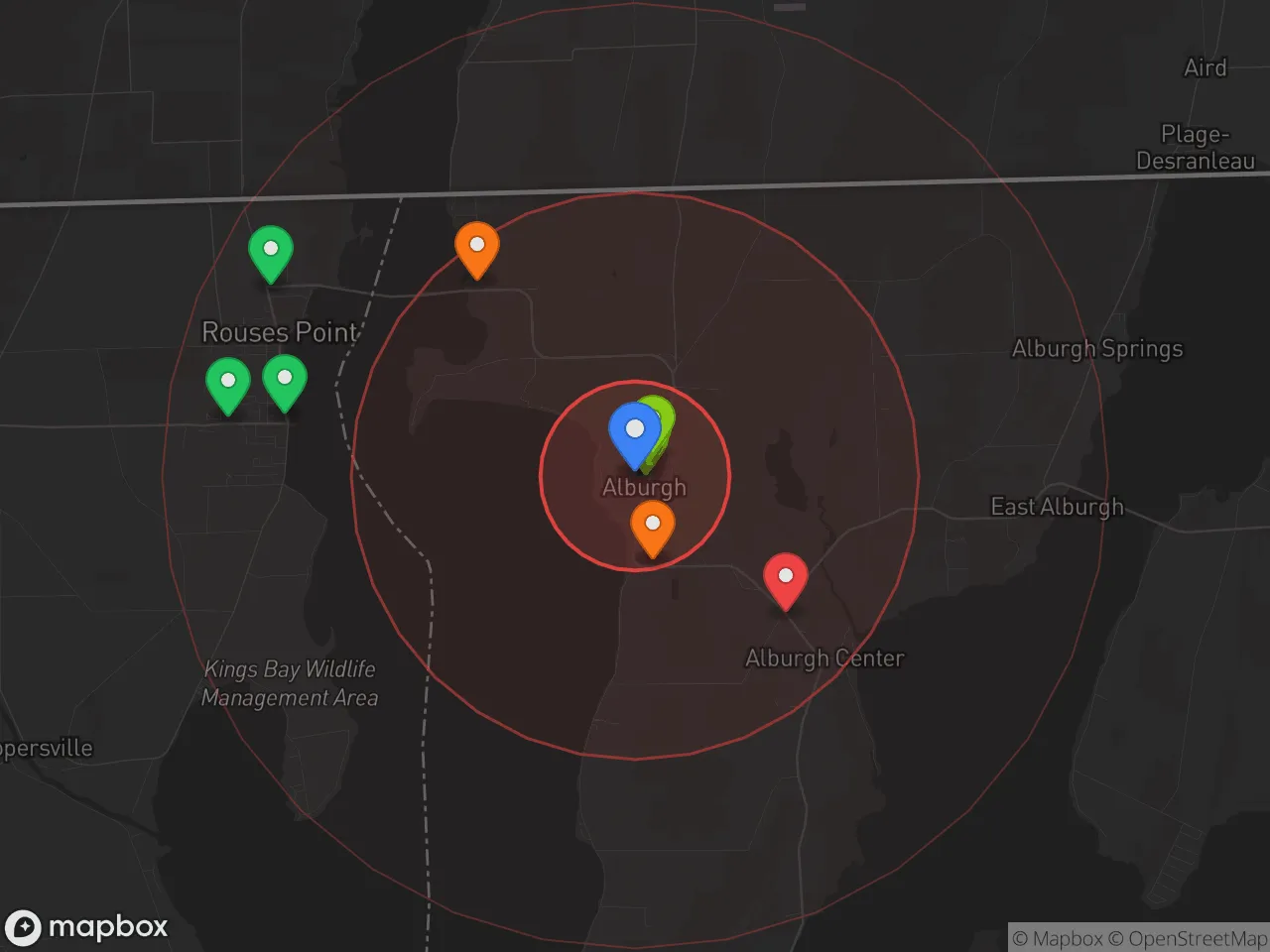
Hobbies
Explore the areaGroceries
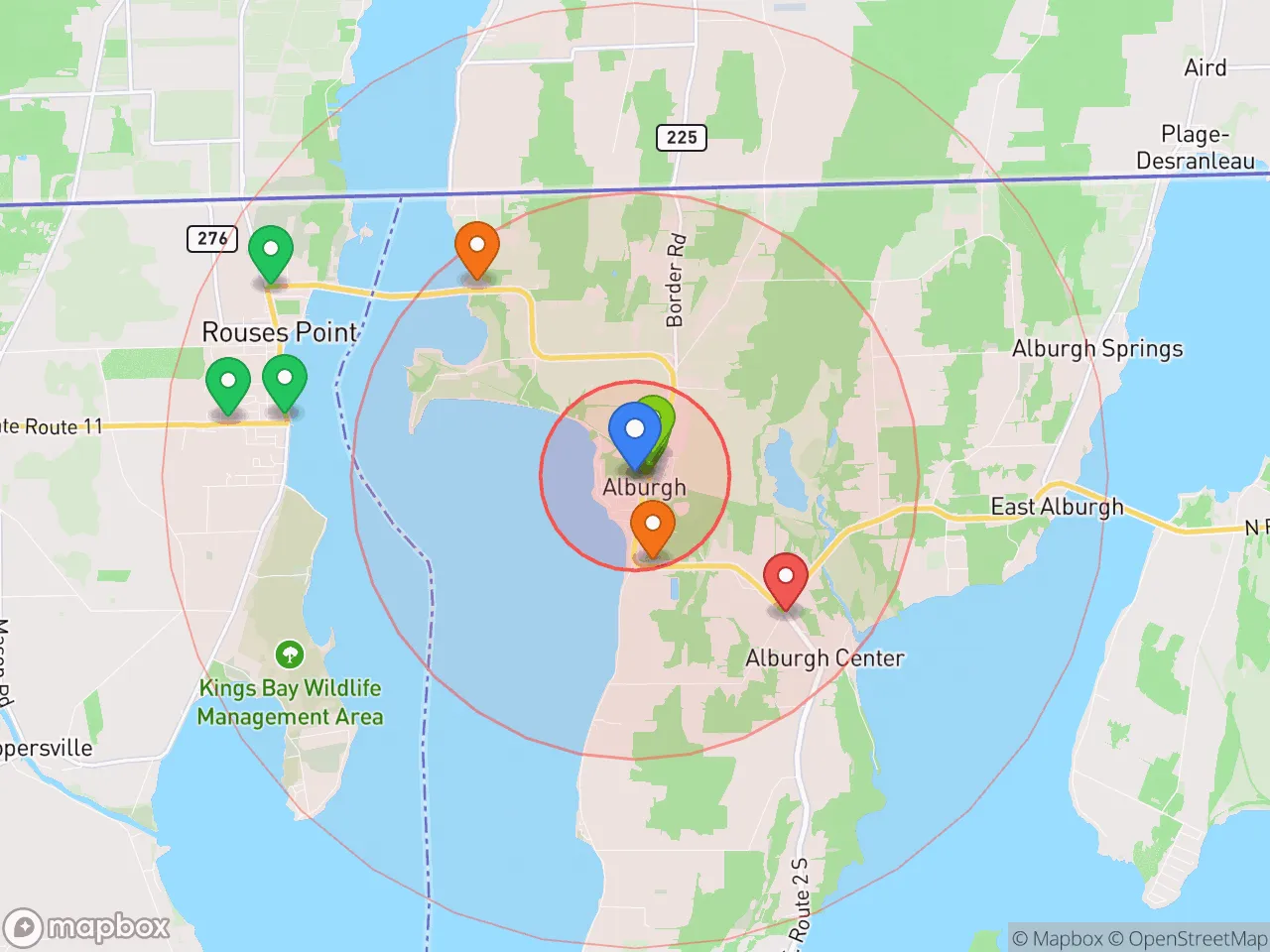
2 within 10 miles
Gas
16 within 10 miles
Hospital
1 within 20 miles
Airport
PDX — Portland International Jetport
Post Office
USPS — Alburgh, VT
Critical Amenities
Quality-of-Life Analysis
Alburgh, Vermont, presents a distinctive quality-of-life profile as a small, rural community situated on a peninsula in Lake Champlain, with a cost of living index of 108 (8% above the U.S. average) that reflects its relative affordability within the expensive Champlain Valley. The area attracts a mix of long-term agricultural families, seasonal lakefront property owners, and remote workers seeking a quiet, nature-oriented lifestyle away from the commercial corridors of Burlington. With a median home value of $175,000—significantly lower than Chittenden County’s median of roughly $400,000—Alburgh offers a rare entry point into lake-adjacent living in northwestern Vermont, though this affordability comes with trade-offs in employment density and commercial services.
Cost of living, housing affordability, and how Alburgh compares to nearby towns
Alburgh’s cost of living index of 108 is driven primarily by housing and transportation, but remains notably cheaper than neighboring communities like St. Albans (index ~112) and Burlington (index ~125). The median home value of $175,000 is roughly 56% lower than the Vermont state median of about $300,000, making Alburgh one of the most affordable lakefront municipalities in the region. Median rent sits at $1,620, which is comparable to rents in St. Albans but about $200–$300 less per month than comparable units in Burlington or South Burlington. However, property taxes in Alburgh are relatively high—the town’s effective tax rate hovers around 2.1% of assessed value—partly due to the local school district’s funding formula. For buyers, the trade-off is clear: a lower purchase price but higher annual tax burden compared to towns in Franklin County’s interior, such as Enosburg Falls or Montgomery. Renters face a tight market, with vacancy rates below 3% in 2025, so securing a lease often requires acting quickly on listings.
Local amenities, schools, and what daily life actually feels like
Daily life in Alburgh is defined by its geography: the town is a 35-minute drive from Burlington’s hospitals, shopping, and airport, but has no supermarket, pharmacy, or gas station within its borders—residents rely on nearby Swanton (10 minutes) or St. Albans (20 minutes) for most errands. The Alburgh Community Education Center serves pre-K through 8th grade, with roughly 180 students and a student-teacher ratio of 11:1, though high school students commute to Missisquoi Valley Union Middle/High School in Swanton. Outdoor amenities are the primary draw: the Missisquoi National Wildlife Refuge, Lake Champlain’s fishing and boating access, and the 7-mile Alburgh Dunes State Park provide year-round recreation. Internet connectivity has improved with the rollout of fiber-optic service through VTel, supporting remote work, but cellular coverage remains spotty in the northern parts of town. The town’s commercial core is minimal—a few small restaurants, a general store, and a seasonal farmers’ market—so residents typically plan weekly supply runs to St. Albans or Burlington.
Alburgh is best suited for self-sufficient individuals and families who prioritize lake access, quiet rural living, and lower home prices over urban convenience and employment density. Remote workers, retirees, and second-home buyers will find the most value here, as the commute to Burlington or Plattsburgh, NY (via the Champlain Bridge) is manageable but not ideal for daily in-office work. Families should weigh the limited school options and need for extracurricular travel against the benefits of a tight-knit community and low crime rates. For those who can adapt to the logistical realities—driving 20 minutes for groceries, planning around seasonal tourism traffic on Route 78—Alburgh offers a rare combination of lakefront affordability and genuine small-town character that is increasingly hard to find in the Lake Champlain region.

Crime in Alburgh, VT
Generally safer than 71% of comparable U.S. locations.
Violent CrimeViolent Crime Analysis
Property CrimeProperty Crime Analysis
Crime Analysis
Alburgh, Vermont, a small town situated on the Alburgh Peninsula in Lake Champlain, presents a mixed safety profile that requires careful consideration for potential movers. The town’s violent crime rate of 213.8 incidents per 100,000 residents is notably lower than the national average, but its property crime rate of 1,415.9 per 100,000 is a significant concern, exceeding both state and national benchmarks. This combination of relatively low violent crime and elevated property crime is a key factor for anyone evaluating relocation to this rural community.
Crime in context
When compared to broader trends, Alburgh’s violent crime rate is roughly 39% below the national average, offering a degree of reassurance regarding personal safety. However, the property crime rate tells a different story, sitting approximately 15% above the national average and well above the Vermont state average. This disparity is critical: while the risk of violent assault or robbery is lower than in many parts of the country, the likelihood of experiencing theft, burglary, or vandalism is elevated. The town’s location near the Canadian border and its seasonal tourism traffic may contribute to these property crime figures, as transient populations can create opportunities for theft from vehicles and seasonal homes.
What residents experience
Daily life in Alburgh for most residents is characterized by a quiet, rural atmosphere where violent incidents are rare. The low violent crime rate means that random acts of violence are uncommon, and most serious crime is typically isolated or domestic in nature. However, the elevated property crime rate is a tangible issue. Residents frequently report concerns about theft from unlocked cars, shed break-ins, and occasional burglaries of unoccupied homes, particularly during the off-season. The town’s small population and limited law enforcement presence mean that prevention often falls on individual vigilance—locking doors, securing outbuildings, and installing outdoor lighting are common practices. The broader context of Vermont’s justice system, which has been influenced by progressive policies emphasizing rehabilitation over incarceration, is a factor some residents cite as contributing to a perceived lack of consequences for property offenders, potentially emboldening repeat thefts.
Neighborhood-level variation
Crime in Alburgh is not uniformly distributed. The most concentrated issues occur along the main thoroughfares, particularly near the village center and the areas closest to the Canadian border crossing, where transient traffic is highest. In contrast, the more remote lakeside neighborhoods and dead-end roads off the peninsula’s interior experience significantly lower crime rates. Properties with clear sightlines from neighbors and those with active community watch participation report fewer incidents. For those considering a move, choosing a home on a quieter, less-trafficked road away from the main commercial corridor can substantially reduce the risk of property crime, while the overall violent crime risk remains low across all parts of town.
* Values derived from national, state, county, city and local statistics and may differ in a specific area. Last updated: 2026-04-30T15:43:22.000Z
Narrative content on this page is AI-generated and may contain mistakes. Verify any details that matter before acting on them.
ReloMaps may earn a commission from affiliate links at no extra cost to you.

