Photo: Wikipedia
Personal Sovereignty in Alburgh, VT
Moderate friction. Expect trade-offs in some aspect of personal liberty and independence.
What does Personal Sovereignty tell us?
Personal Sovereignty measures your capacity for self-reliance and independence with minimal government friction. Higher scores mean fewer barriers between you and the way you want to live... but it assumes you have the space you need and good neighbors.
What does this tell us?
Personal Sovereignty measures your capacity for self-reliance and independence with minimal government friction. Higher scores mean fewer barriers between you and the way you want to live... but it assumes you have the space you need and good neighbors.
State Policy
Energy independence: Importer (15% of energy produced in-state)
Personal Liberty
Homesteading

Personal Liberty Analysis
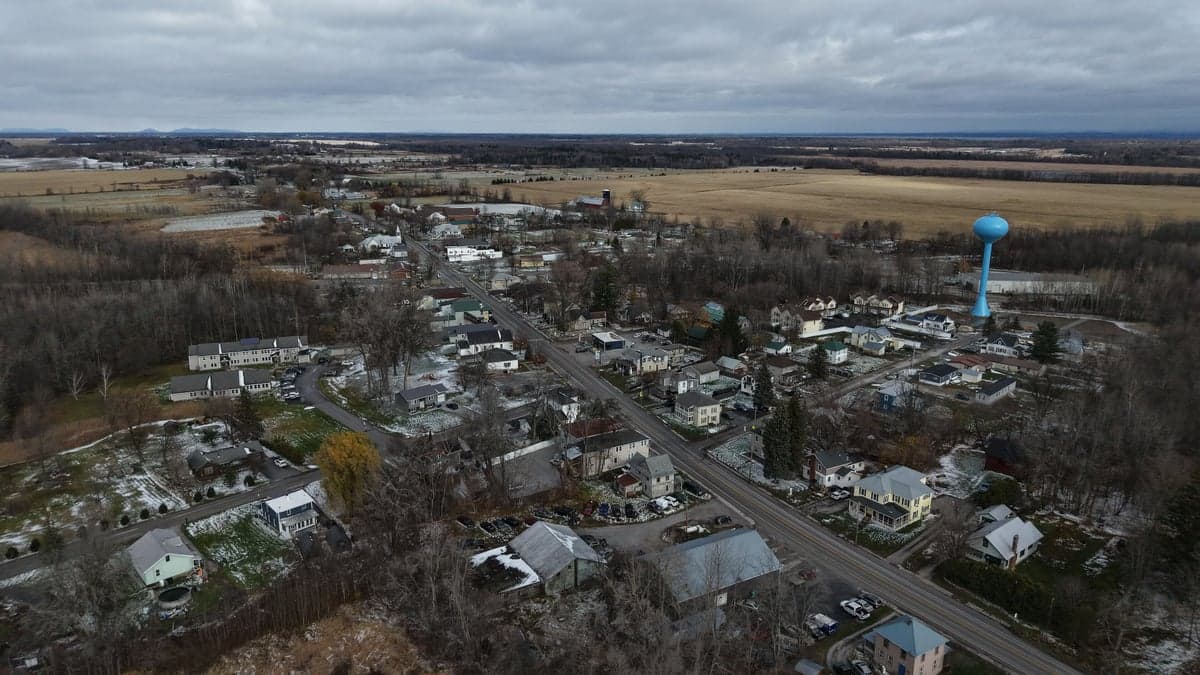
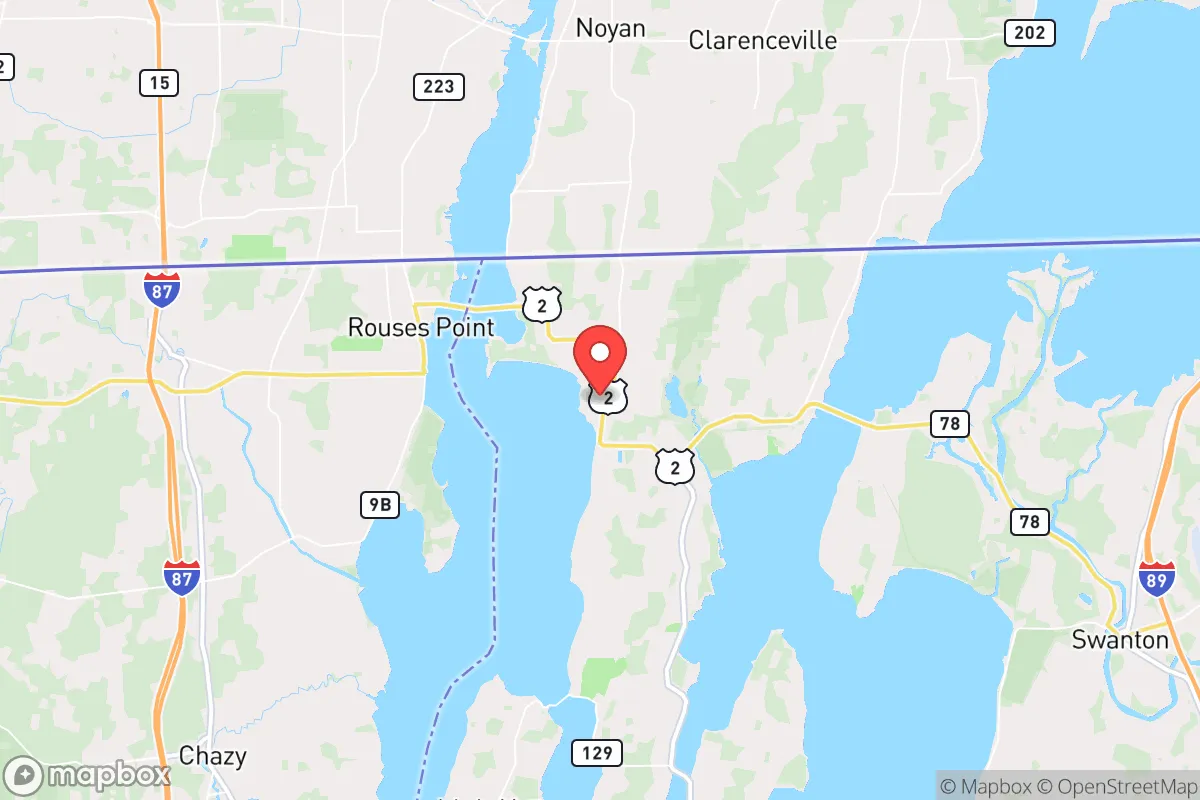
Alburgh, Vermont, offers a unique sovereignty proposition that is far more complex than its rural, lakeside setting suggests. While the town itself is a quiet, sparsely populated peninsula on Lake Champlain, it sits under the full legal and regulatory authority of Vermont state government, which has a well-documented record of progressive intervention in personal and economic affairs. For a survivalist or prepper evaluating this area, the core tension is clear: you gain significant physical isolation and a low-crime environment, but you must navigate a state-level apparatus that is actively hostile to many forms of personal autonomy, from gun rights to property use. The decision to relocate here hinges on whether the tactical advantages of remoteness outweigh the strategic liabilities of state overreach.
Tax burden and regulatory posture in a high-intervention state
Vermont’s tax and regulatory climate is a primary concern for anyone prioritizing personal sovereignty. The state imposes a progressive income tax with rates reaching 8.75% on higher earners, and a statewide property tax that funds education averages roughly $1.60 per $100 of assessed value—among the highest in the nation. Alburgh’s local property tax rate is slightly lower than the state average, but the combined burden is still significant. For a prepper, this means a substantial portion of your income and property value is funneled into state programs you may not support. Furthermore, Vermont’s regulatory posture is interventionist: the state has strict land use laws under Act 250, which can delay or block development, including construction of outbuildings, fences, or alternative energy systems. There is no right-to-work law, and the state mandates paid family leave and a $15+ minimum wage. For someone seeking to minimize government entanglement, this is a high-friction environment where the state is a constant partner in your financial and property decisions.
Self-defense and gun law specifics in a restrictive state
Vermont’s gun laws have shifted dramatically, and this is a critical red flag for the survivalist. While the state historically had some of the most permissive carry laws, the legislature passed significant restrictions in recent years. Vermont now requires universal background checks for all firearm sales, including private transactions, and has enacted a "red flag" law (Extreme Risk Protection Order) that allows authorities to seize firearms based on a complaint, without a criminal conviction. Magazine capacity is limited to 15 rounds for handguns and 10 for long guns. The state also bans the carry of firearms in certain public buildings and on school grounds. For a prepper, this means your ability to arm yourself and your family is subject to state oversight and potential confiscation. While Alburgh itself is a low-crime area, the legal framework means you are one bureaucratic step away from losing your defensive capability. Concealed carry is still permitted with a license, but the trend is clearly toward restriction, not preservation, of the right to keep and bear arms.
Self-reliance and homesteading viability: lot sizes, zoning, and off-grid feasibility
This is where Alburgh’s physical geography offers genuine advantages, though they are tempered by state-level constraints. The town is predominantly agricultural, with many parcels of 5 to 20 acres available at prices significantly lower than Chittenden County. Zoning is relatively light at the town level, and there are no county-level planning commissions to contend with. This makes it feasible to establish a small homestead with gardens, livestock, and a woodlot. However, going fully off-grid is legally complicated. Vermont’s building codes require compliance with state energy standards, and while solar panels are permitted, you must connect to a licensed installer and meet grid-tie requirements in many cases. Rainwater collection is legal but regulated for potable use. Septic systems require state permits and inspection. For a prepper, the land itself is viable, but the dream of complete independence from utilities and state oversight is difficult to achieve. You can be largely self-sufficient in food and water, but you will still be tied to the state for energy and waste management unless you navigate a costly and bureaucratic approval process.
Personal liberties: parental rights, medical autonomy, speech, and property
Vermont’s posture on personal liberties is a mixed bag that leans heavily toward state control. On parental rights, the state mandates comprehensive sex education in public schools and has laws that allow minors to consent to certain medical treatments without parental notification, including reproductive health services. For a conservative parent, this represents a direct challenge to family authority. Medical autonomy is similarly constrained: Vermont has a vaccine mandate for school attendance (with limited exemptions) and has shown willingness to enforce public health orders. During the COVID-19 pandemic, the state imposed some of the longest-lasting emergency restrictions in the nation. On speech, Vermont has no specific laws that suppress political expression, but the cultural environment in the state as a whole is left-leaning, and Alburgh’s proximity to the more liberal Burlington area means you may encounter social pressure. Property rights are the strongest liberty here: as a landowner, you have significant control over your parcel, but Act 250 and state environmental regulations can limit what you build or how you use your land. Overall, the state’s legal framework prioritizes collective welfare and state authority over individual autonomy, which is a fundamental mismatch for the prepper mindset.
In the final analysis, Alburgh offers a tactical sanctuary—remote, low-crime, and with affordable land—but it is not a sovereignty haven. The state of Vermont actively regulates your income, your firearms, your children’s education, your medical choices, and your land use. For a survivalist, this means you are trading one set of government constraints for another, albeit in a more isolated setting. Compared to states like New Hampshire or Idaho, where constitutional carry, lower taxes, and stronger property rights prevail, Alburgh falls short on personal sovereignty. It is a viable option only if you are willing to fight a constant defensive battle against state overreach, or if your primary concern is physical security from urban unrest rather than legal and regulatory independence. For most preppers, the juice is not worth the squeeze.

* Values derived from national, state, county, city and local statistics and may differ in a specific area. Last updated: 2026-04-30T15:43:22.000Z
Narrative content on this page is AI-generated and may contain mistakes. Verify any details that matter before acting on them.
ReloMaps may earn a commission from affiliate links at no extra cost to you.

