Photo: Wikipedia
Strategic Assessment of Alburgh, VT
Meaningful friction. Expect exposure to either population pressure, blast zones, or natural disaster risk. Consider buying a retreat property.
What does the Strategic Assessment tell us?
Our Strategic Assessment grades tactical survivability of an area. Major population centers, military targets, fallout zones, natural disasters, and border exposure all drive risk — lower exposure means a more defensible position in a crisis.
This is heavily inspired by Joel Skousen's Strategic Relocation book. Highly recommended you checkout the book ($)What does this tell us?
Our Strategic Assessment grades tactical survivability of an area. Major population centers, military targets, fallout zones, natural disasters, and border exposure all drive risk — lower exposure means a more defensible position in a crisis.
This is heavily inspired by Joel Skousen's Strategic Relocation book. Highly recommended you checkout the book ($)Strategic Pillars

Key Distances
Regional Safe Places
Below is our recommended "safe zones" in Vermont and the surrounding area based on our strategic heuristics. For most people, it's unrealistic to live in a “safe zone” full-time due to work, family or other personal reasons. They tend to be more rural. However, many of these areas are perfect for second homes and retreat properties that double as a vacation home or even a short-term rental.
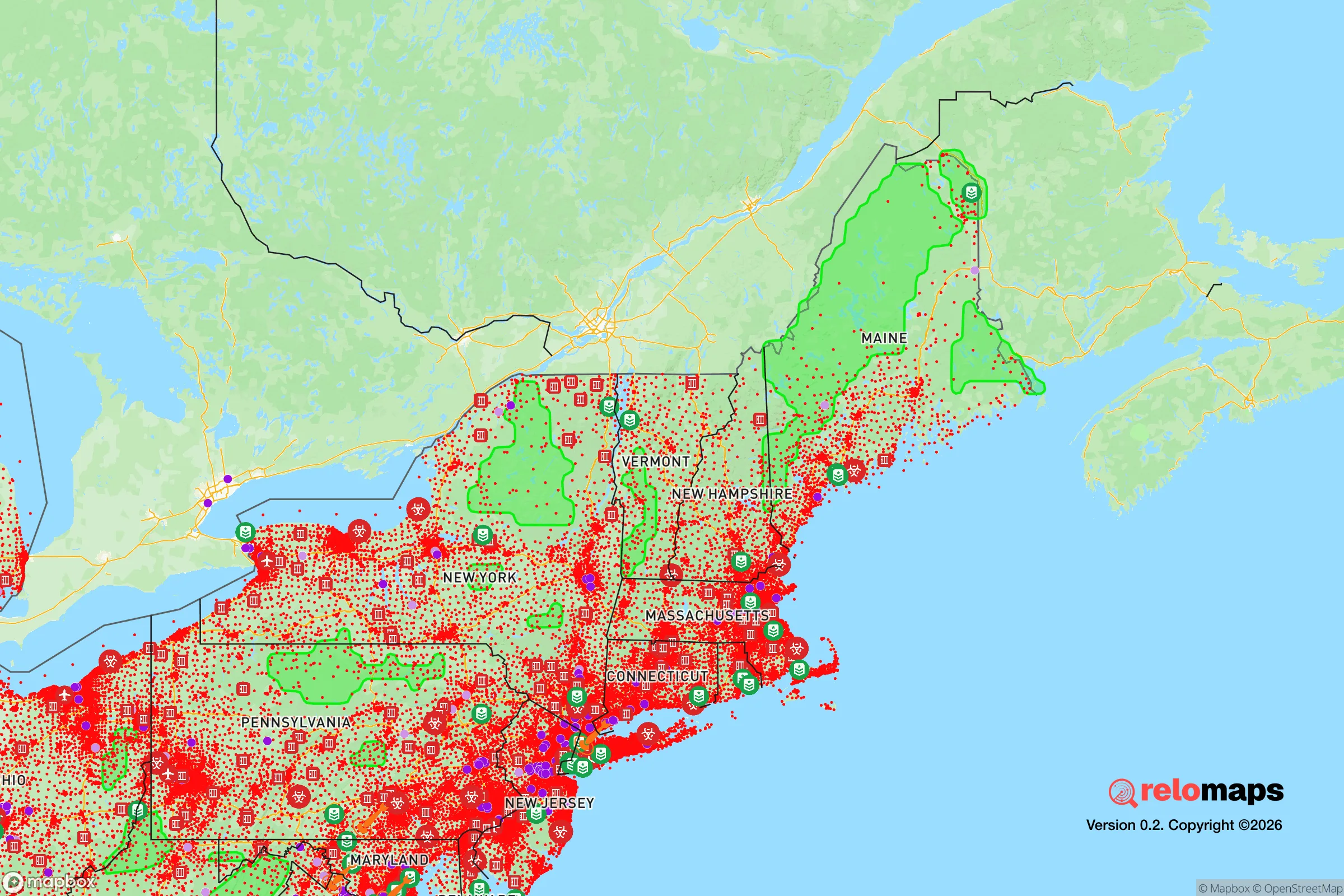
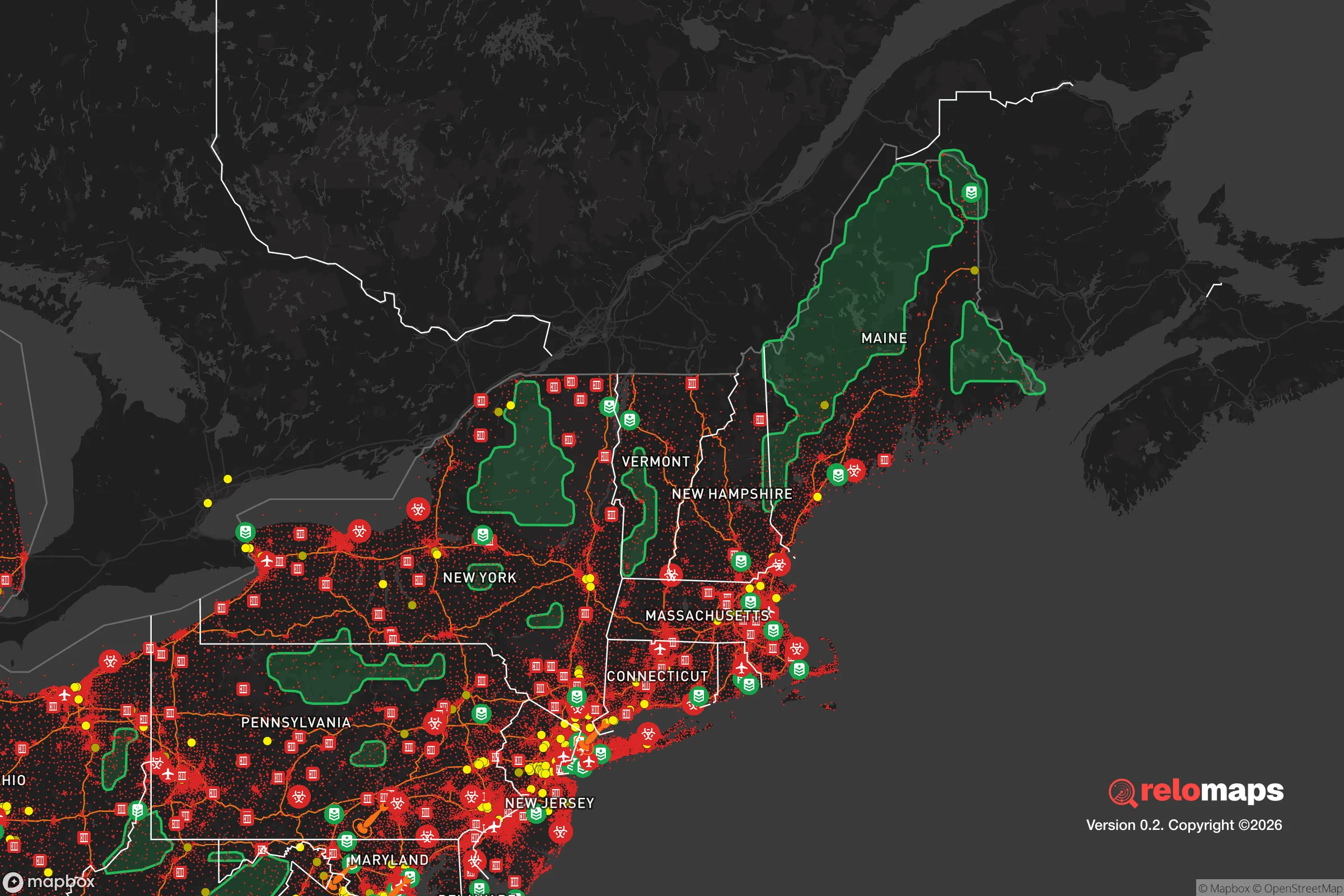


Important Note: For informational purposes only. This does not mean nothing bad ever happens in the green zones. Please use common sense. This is based on public data and modeled with AI. We tried to take a conservative approach but mistakes happen. We update this regularly as new information becomes available.
Solar Generator Recommendations
Backup power matters more here than in safer locations. We've picked three solar generators across budgets and capacity tiers — start with the budget unit if you only need a few essentials, or step up if you want to run a fridge and HVAC for days at a time.

Jackery Portable Power Station Explorer 300
Budget OptionPower on the Go: Weighing only 11 lbs, it's convenient to set up and store with book-sized foldable solar panels

BLUETTI Portable Power Station AC180
Designed for both indoor and outdoor scenarios, AC180 is highly capable as it has a robost capacity and continuous output power.

EF ECOFLOW DELTA Pro Ultra Power Station
Upgraded PickEcoFlow DELTA Pro Ultra is a whole-home energy system designed to grow with your family. Integrated with the Smart Home Panel 2, it scales to meet your evolving energy needs — keeping your home powered, intelligent, and secure through every stage of life.
We earn a commission, at no additional cost to you.
Strategic Assessment Analysis
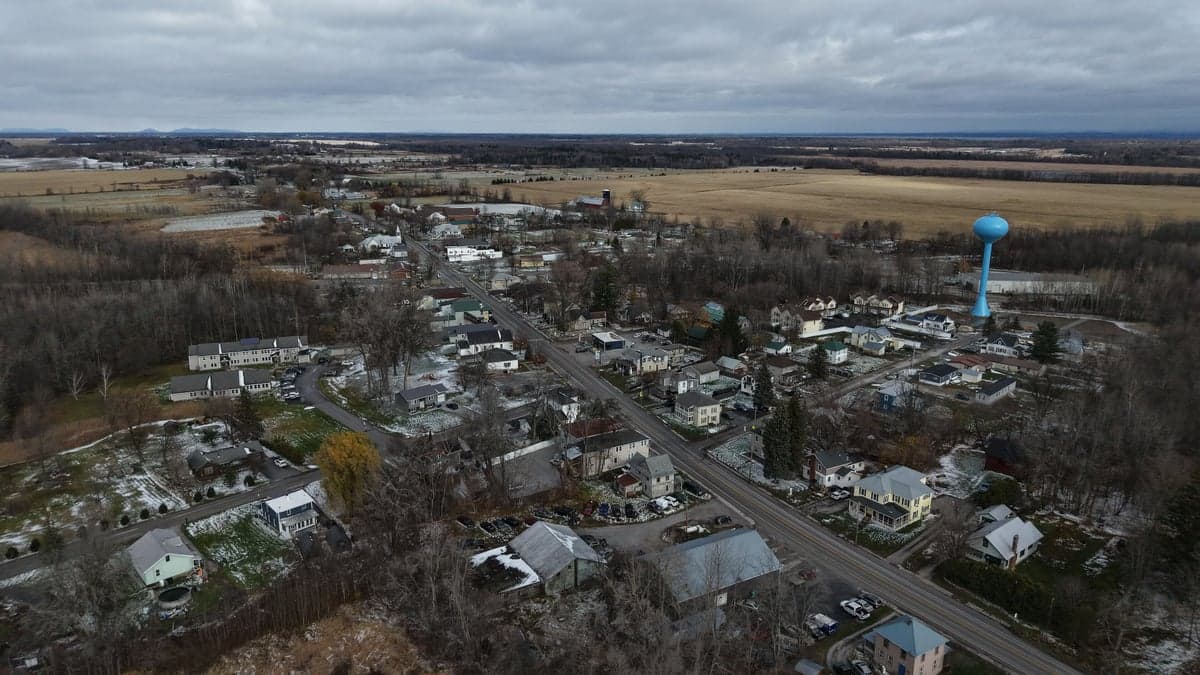
Alburgh, Vermont, offers a unique strategic proposition for those prioritizing resilience and self-sufficiency, but it comes with a distinct set of trade-offs that demand careful consideration. Situated on a peninsula jutting into Lake Champlain, this town is physically isolated from the rest of Vermont, connected only by a narrow strip of land and bridges to New York and Canada. For a relocator with a prepper mindset, this geographic quirk provides a natural buffer against the chaos of population centers, but it also creates a potential trap if the single egress points become compromised. The area's low population density—roughly 2,000 residents spread across a rural landscape—means you won't be competing with crowds for resources, but you'll also have limited local support networks and services.
Geographic position and natural advantages for long-term security
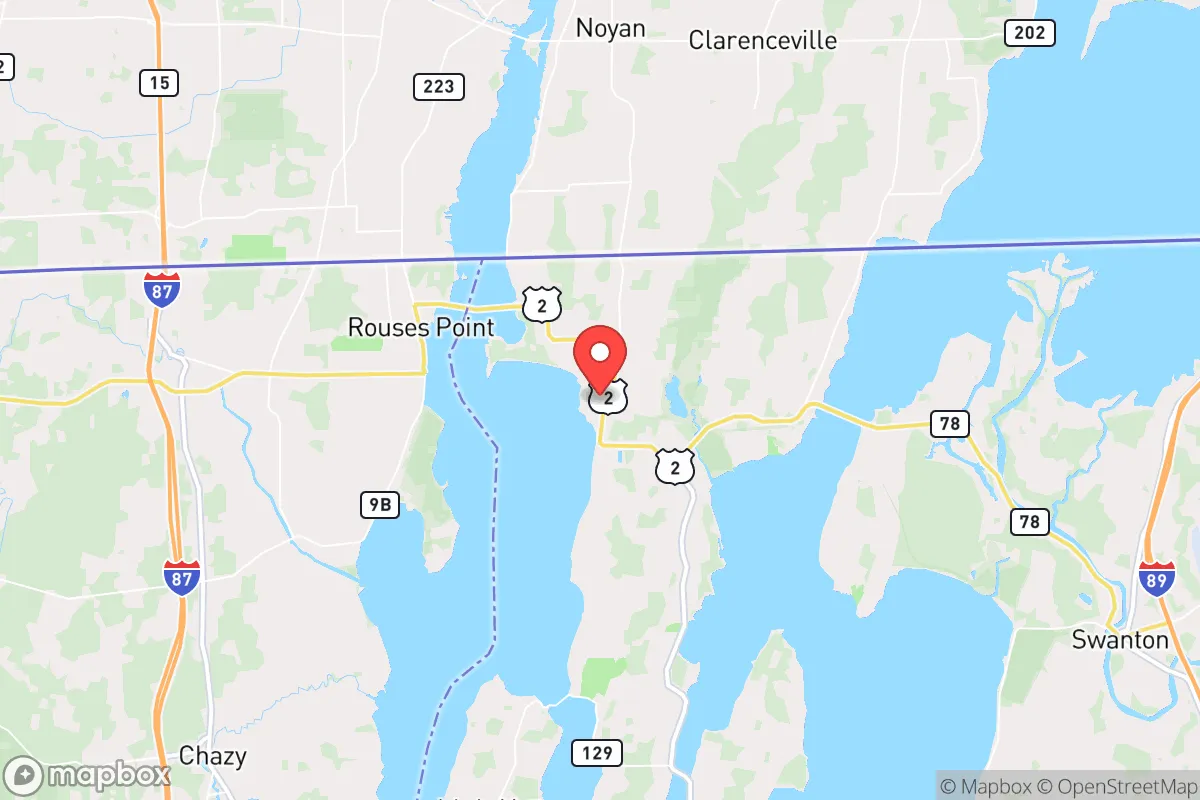
Alburgh's location is its primary strategic asset. The town sits on the Alburgh Peninsula, which extends north into Lake Champlain, with the Canadian border just a few miles to the north and the New York state line to the west. This positioning creates a natural choke point: the only land route into Alburgh from the rest of Vermont is a single two-lane road (US Route 2) across a narrow causeway. In a scenario of widespread civil unrest or mass casualty events, this chokepoint can be monitored and, if necessary, defended with minimal manpower. The lake itself provides a formidable barrier on three sides, making the town inherently defensible against large-scale incursions. For a conservative-leaning individual concerned about the breakdown of social order, this isolation is a double-edged sword—it keeps threats out but also makes resupply and evacuation difficult. The proximity to the Canadian border (less than 10 miles to the St. Armand/Phillipsburg crossing) offers an additional layer of strategic depth, though it also introduces the risk of cross-border issues during a crisis. The area's agricultural land is fertile, with several working farms that could support local food production in a prolonged disruption, a significant advantage over suburban or urban locations.
Risks, exposures, and proximity to fallout-relevant landmarks
Alburgh's strategic value is tempered by its proximity to several high-risk targets. The town is roughly 40 miles south of Montreal, a major metropolitan area with a population of over 4 million. In the event of a mass casualty event, economic collapse, or civil unrest, Montreal's population could surge southward, overwhelming local infrastructure and creating a refugee crisis. The single road into Alburgh could become a bottleneck for desperate people, turning the town's isolation into a liability. Additionally, the area is within 100 miles of the Plattsburgh Air Force Base (now a civilian airport but still a potential military asset) and the Burlington International Airport, which could be targets in a conflict scenario. The Lake Champlain corridor is also a major transportation route for hazardous materials, with rail lines and highways carrying chemicals and fuels. For a survivalist, the risk of a chemical spill or industrial accident is real, though the prevailing winds typically carry such threats away from the peninsula. The region's cold winters and heavy snowfall (averaging 70-80 inches annually) pose a natural hazard, potentially cutting off road access for days at a time. This makes stockpiling heating fuel, food, and medical supplies a non-negotiable requirement for anyone considering a move here.
Practical resilience for a relocator: food, water, energy, and defensibility
For a relocator focused on practical self-sufficiency, Alburgh presents a mixed picture. Water is abundant—Lake Champlain provides a virtually unlimited freshwater source, but it requires treatment or boiling before consumption due to agricultural runoff and potential contamination. Wells are common in the area, but their reliability varies, and drilling a new well can cost $5,000-$15,000. Food production is feasible: the growing season is short (roughly 120 frost-free days), but the fertile clay-loam soils support vegetables, grains, and livestock. Several local farms sell directly to residents, and the Alburgh Farmers' Market operates seasonally. For energy, the region is heavily reliant on the grid, which is vulnerable to winter storms and aging infrastructure. Solar panels are a viable option, but the area's frequent cloud cover (especially from November to March) reduces their efficiency. Wood stoves are common for heating, and the surrounding forests provide ample fuel, though cutting and splitting firewood is labor-intensive. Defensibility is the town's strongest suit: the peninsula's narrow neck can be secured with a single vehicle or barrier, and the lake provides a natural perimeter. However, this also means that any threat that breaches the chokepoint has free rein over the entire peninsula. The local law enforcement presence is minimal—the Vermont State Police cover the area, with response times that can exceed 30 minutes in remote parts of town. For a prepper, this means self-reliance is not optional; it's the baseline expectation.
The overall strategic picture for Alburgh is one of high potential reward paired with significant risk. It is not a location for someone seeking a comfortable suburban retreat with easy access to hospitals and grocery stores. It is a location for a relocator who understands that isolation is both a shield and a cage. The town's geography makes it one of the most defensible locations in the Northeast, but its proximity to Montreal and the Lake Champlain corridor means that a major crisis could turn it into a pressure point. For a conservative-leaning individual or family willing to invest in off-grid infrastructure—solar panels, a well, a wood stove, a substantial food cache, and a reliable vehicle capable of navigating snow—Alburgh offers a genuine opportunity to build a resilient life far from the chaos of urban centers. The key is to approach it with eyes wide open: this is a place where you must be prepared to be your own first responder, your own farmer, and your own security detail. If that sounds like a challenge worth accepting, Alburgh deserves a serious look. If it sounds like too much, look elsewhere—because the margin for error here is thin, and the winters are long.

* Values derived from national, state, county, city and local statistics and may differ in a specific area. Last updated: 2026-04-30T15:43:22.000Z
Narrative content on this page is AI-generated and may contain mistakes. Verify any details that matter before acting on them.
ReloMaps may earn a commission from affiliate links at no extra cost to you.

