Photo: Wikipedia
Political ClimatePolitical Climate in Anaconda, MT
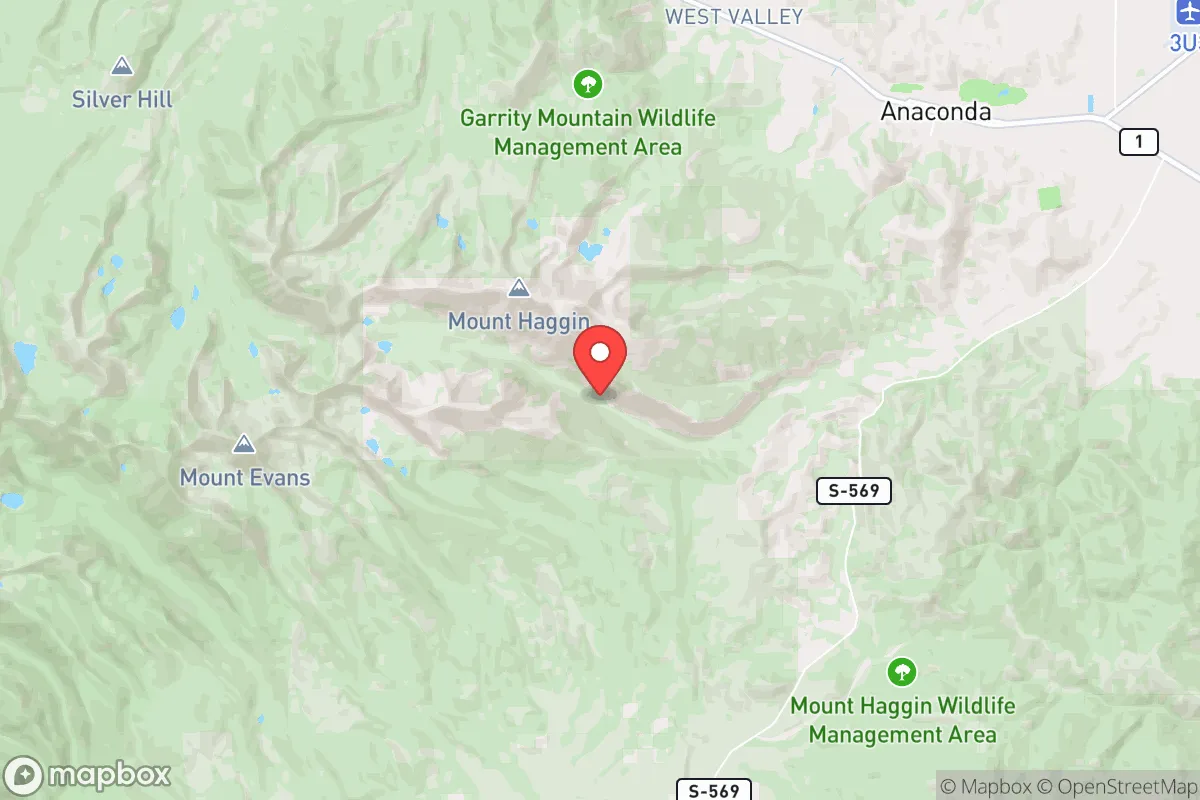
District shown is the primary district for this city’s centroid. Cities may span multiple districts.
Local Political AnalysisPolitical Analysis of Anaconda, MT
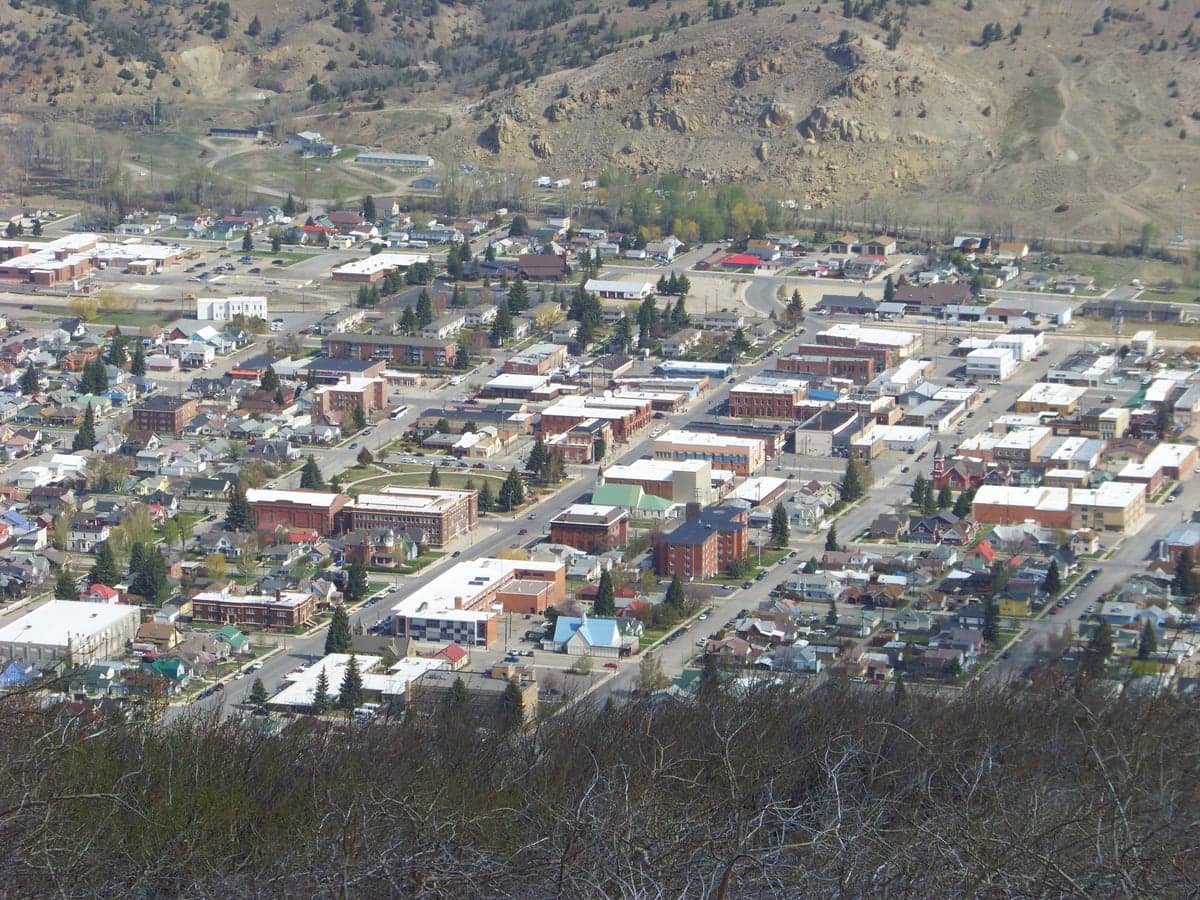
Anaconda, Montana, sits in a political landscape that’s been shifting underfoot. For decades, this was a solidly blue-collar, union Democrat town, but the Cook PVI of R+5 tells you the county has swung hard to the right in recent cycles. The 2024 election saw the area vote for Trump by a comfortable margin, but you can still feel the old labor roots in local conversations—it’s not a deep-red burn like you’d find in, say, nearby Butte’s more libertarian-leaning precincts or the reliably conservative ranch country east of Deer Lodge. The real story here is the tension between that fading Democratic heritage and the newer, more conservative transplants who are tired of being told how to live their lives.
How it compares
Drive 30 minutes north to Butte, and you’ll hit a place that’s still proudly, almost defiantly, Democratic—it’s one of the last blue strongholds in western Montana. Butte’s politics are rooted in the old mining unions, and they vote accordingly. Anaconda, by contrast, has been shedding that identity. The copper smelter closed decades ago, and the working-class families who stayed are now more likely to vote on gun rights, property taxes, and government overreach than on union solidarity. Head east to Deer Lodge, and you’ll find a more consistent conservative streak, but it’s quieter, less combative. Anaconda’s shift feels more like a reaction—a place that got tired of being told what to do by Helena and Washington, and decided to push back.
What this means for residents
For folks living here, the political climate means a few concrete things. First, local government is still relatively hands-off—you won’t see the kind of zoning overreach or mask mandates that plague bigger cities. Property taxes are a constant gripe, but the county commission tends to lean toward fiscal restraint, which keeps the tax hikes slower than in liberal strongholds like Missoula or Bozeman. Second, the Second Amendment is still treated as a given, not a debate. You can carry without a permit, and there’s no appetite for red flag laws. Third, the school board has been a battleground. A few years back, there was a push for more progressive curriculum materials, and it got shut down hard by parents who didn’t want their kids taught that America is the problem. That fight isn’t over, but for now, the conservative majority on the board is holding the line.
One thing that sets Anaconda apart from some of the more libertarian corners of Montana is the lingering influence of the Catholic Church and the old union halls. It’s a community that values neighborliness and self-reliance, but it’s not the “leave me alone and I’ll leave you alone” vibe you get in the more rural parts of the state. People here still show up for each other, and that includes at the ballot box. The concern I hear most often from long-time residents is that the progressive wave washing over places like Missoula and Helena is creeping this way—through state-level mandates on energy, land use, and education. The hope is that Anaconda’s shift to the right is permanent enough to keep that wave at bay. If the trend holds, this will remain a place where personal freedom isn’t just a talking point—it’s the way things are done.

State Political ClimatePolitical Climate in Montana
State Political AnalysisPolitical Environment in the State
Montana has long been a reliably Republican state at the presidential level, voting for the GOP candidate in every election since 1968 except for Bill Clinton’s 1992 win, but the political landscape is far more nuanced than a simple red-state label suggests. The dominant coalition is a mix of libertarian-leaning ranchers, conservative small-town residents, and a growing number of out-of-state transplants, many of whom are fleeing progressive policies elsewhere. Over the last 10-20 years, the state has shifted rightward on cultural issues while seeing a notable influx of left-leaning voters into its western mountain towns, creating a dynamic where the rural eastern two-thirds of the state now vote overwhelmingly Republican, while a handful of counties—like Missoula, Gallatin (Bozeman), and Lewis and Clark (Helena)—have become increasingly blue. This tension between a deeply conservative rural base and a handful of growing progressive urban islands defines Montana’s current political climate.
Urban vs. rural divide
The political map of Montana is a study in stark contrasts. The eastern plains, including cities like Miles City, Glendive, and Sidney, are deeply conservative, often voting 80% or more for Republican candidates. These are agricultural and energy-producing communities where gun rights, property rights, and limited government are bedrock values. In contrast, the western mountain corridor—particularly Missoula (home to the University of Montana), Bozeman (a booming tech and outdoor recreation hub), and Helena (the state capital)—has seen a surge of out-of-state transplants, many from California and the Pacific Northwest, who have shifted these counties toward the Democratic column. Missoula County, for example, voted for Joe Biden by a 20-point margin in 2020, while neighboring rural counties like Ravalli and Granite went heavily for Trump. The fastest-growing city, Bozeman, is a political battleground: its Gallatin County flipped from a 10-point Romney win in 2012 to a narrow Biden win in 2020, driven by a tech and remote-worker influx that has alarmed longtime residents. Meanwhile, Billings, the largest city, remains a conservative anchor, with Yellowstone County voting +18 for Trump in 2020, though its suburbs like Laurel and Lockwood are even more reliably red.
Policy environment
Montana’s policy environment is a mixed bag for conservatives, with some bright spots and growing concerns. On the plus side, the state has no sales tax, a flat income tax rate of 5.9% (recently reduced from 6.75% via 2023’s House Bill 192), and relatively low property taxes compared to coastal states. The regulatory posture is generally business-friendly, with a right-to-work law and minimal zoning restrictions outside of a few progressive cities. However, education policy is a flashpoint: while the state has a strong tradition of local control, the 2023 Montana Parental Rights Act (SB 154) was a win for conservatives, requiring schools to notify parents of any curriculum changes involving sexuality or gender identity. Healthcare remains a concern, with the state’s Medicaid expansion (passed in 2015 and reauthorized in 2023) being a point of contention—many conservatives see it as a government overreach that discourages work. Election laws are relatively secure: Montana requires voter ID, has no same-day registration, and in 2021 passed SB 169, which ended same-day voter registration and tightened absentee ballot rules, a move that drew praise from election integrity advocates but criticism from progressives. The state also has a strong tradition of citizen-led initiatives, which has allowed both conservative and progressive measures to bypass the legislature, such as the 2020 legalization of recreational marijuana via I-190.
Trajectory & freedom
Montana’s trajectory on personal freedom is a tale of two trends. On one hand, the state has expanded liberty in several key areas: in 2021, the legislature passed HB 102, making Montana a constitutional carry state, meaning no permit is needed to carry a concealed firearm. The same year, SB 279 prohibited vaccine passports, and HB 257 banned mask mandates in schools and public buildings, a direct response to COVID-era overreach. Property rights were strengthened with HB 700 (2023), which limited the ability of local governments to impose zoning restrictions that devalue land. On the other hand, the influx of new residents from high-tax, high-regulation states is slowly eroding the state’s libertarian ethos. Bozeman and Missoula have seen local governments push for inclusionary zoning, rent control measures, and even plastic bag bans—small but symbolic steps toward the kind of progressive governance many Montanans moved here to escape. The 2023 Land Use Planning Act (HB 819) was a major win for property rights, preempting local governments from imposing certain zoning restrictions, but it faced fierce opposition from city councils in Bozeman and Missoula. The bottom line: Montana is still freer than most states, but the freedom is under constant pressure from the growing urban enclaves.
Civil unrest & political movements
Montana has seen its share of political flashpoints, though they tend to be more organized and less chaotic than in larger states. The Montana Freedom Caucus, a hardline conservative group in the state legislature, has been a driving force behind the parental rights and gun legislation mentioned above, and they’ve clashed repeatedly with moderate Republicans and Democrats. On the left, groups like Montana Women Vote and Indivisible Montana have been active in organizing protests against abortion restrictions and for expanded voting access. The most visible flashpoint in recent years has been the debate over election integrity: in 2022, the Montana Secretary of State’s office conducted a full audit of the 2020 election, finding no widespread fraud, but the issue remains a rallying cry for conservative activists. Immigration politics are less heated than in border states, but the 2023 HB 393 banned sanctuary cities, a preemptive move as some local governments considered non-cooperation with federal immigration enforcement. The Yellowstone County area, particularly around Billings, has seen a rise in organized conservative activism, including regular “Back the Blue” rallies and Second Amendment sanctuary resolutions passed by several rural counties. A new resident would notice that political signs and bumper stickers are common, but actual civil unrest is rare—Montanans tend to be more “live and let live” until their rights are directly threatened.
Projection
Looking ahead 5-10 years, Montana is likely to become more politically polarized, with the urban-rural divide deepening. The in-migration wave, which saw the state grow by over 10% between 2010 and 2020, shows no signs of slowing, and most of those new arrivals are settling in the western counties—Gallatin, Missoula, and Lewis and Clark. This will likely turn these areas into solidly Democratic strongholds, while the eastern two-thirds of the state remains deeply red. The state legislature, however, is likely to stay Republican-controlled for the foreseeable future, thanks to gerrymandered districts and the rural tilt of the state senate. The key battleground will be the governor’s mansion and the state supreme court, where progressive candidates have made inroads. Expect continued fights over property rights (as local governments try to manage growth), education (with school choice and parental rights remaining hot topics), and election laws (with further tightening likely). The wildcard is the Montana Supreme Court, which in 2023 struck down a law requiring parental consent for minors’ abortions—a decision that has energized both sides. For a conservative moving here now, the next decade will likely see a state that remains broadly free but with constant battles to preserve that freedom against the encroaching progressive influence of the growing urban centers.
For a new resident, the bottom line is this: Montana offers a high degree of personal freedom, low taxes, and a strong conservative culture outside of a few cities, but you need to choose your location carefully. If you want to avoid the progressive drift, stick to the eastern plains or the smaller towns like Miles City or Glendive. If you’re moving to Bozeman or Missoula, be prepared for a political environment that increasingly resembles the places you may have left behind. The state’s trajectory is still largely in the hands of its rural voters, but the demographic tide is slowly turning. Get involved in local politics, join a county GOP group, and keep an eye on the state legislature—because the fight for Montana’s soul is far from over.
* Values derived from national, state, county, city and local statistics and may differ in a specific area. Last updated: 2026-04-30T03:41:35.000Z
Narrative content on this page is AI-generated and may contain mistakes. Verify any details that matter before acting on them.
ReloMaps may earn a commission from affiliate links at no extra cost to you.

