Photo: Wikipedia
Find The Best Places To Live
in Miles City
PRO TIP! You can paste a Zillow or Redfin link to get info on that property.
What It's Like Living in Miles City, MT
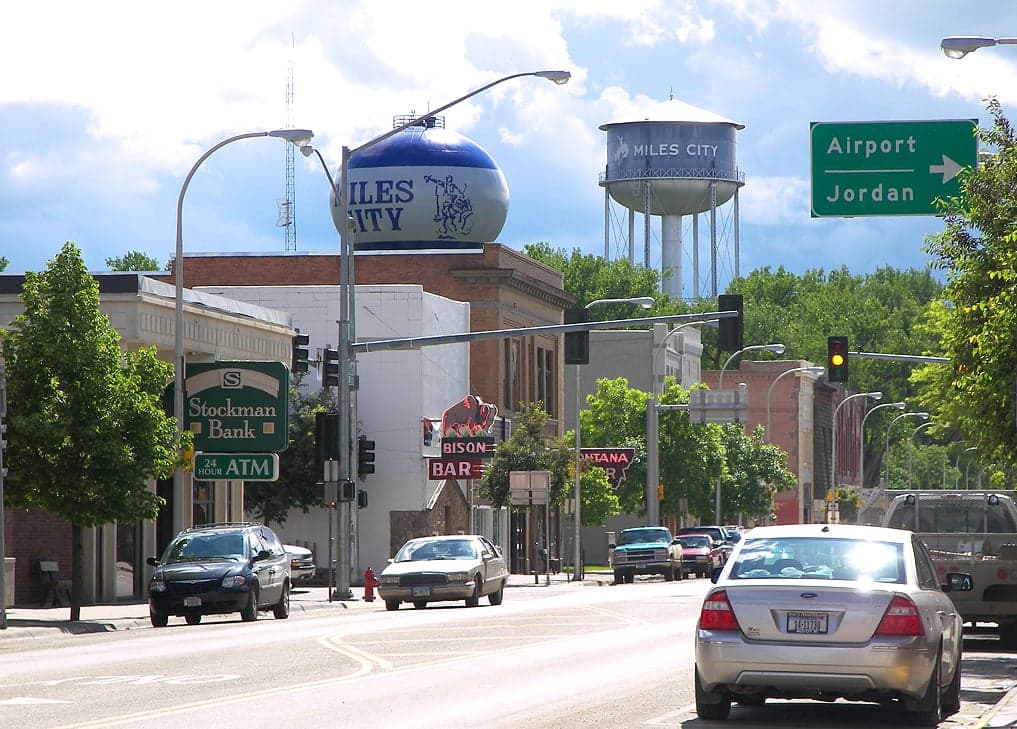
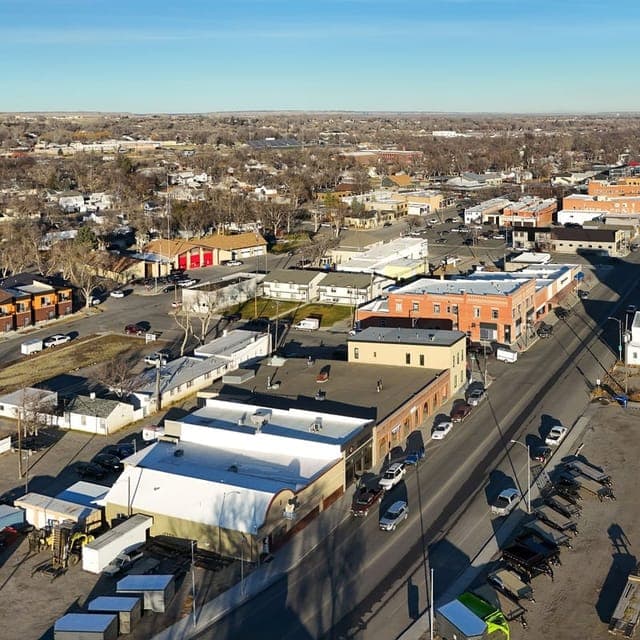
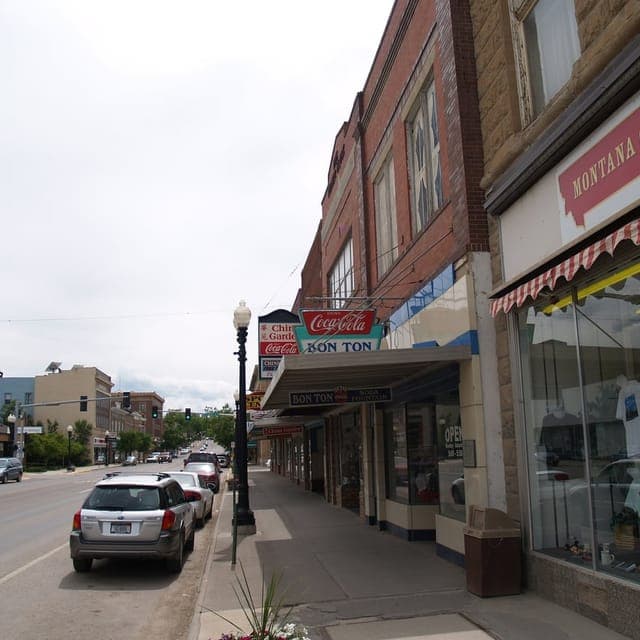
Miles City feels like a place where the Old West didn’t just get preserved in a museum—it got woven into the daily rhythm. With a population hovering around 8,400, it’s the kind of town where you can’t walk into the grocery store without running into someone you know, and where the high school football game on Friday night is the main event of the week. Life here moves at a deliberate, unhurried pace, and that’s exactly what draws people in—or drives them crazy.
The Daily Rhythm: Slow, Self-Reliant, and Surprisingly Social
Most mornings start early, often before sunrise, especially if you work in agriculture, at the local hospital, or for one of the big employers like the Montana Department of Livestock or the railroad. The average commute is a breezy 19 minutes—and that’s if you’re driving from one end of town to the other. Traffic jams aren’t a thing; the biggest delay is stopping to let a herd of cattle cross the road. People shop at the local IGA or the Miles City Farmers Market in summer, and for anything bigger, they’ll make the two-hour drive to Billings. Weekends are for yard work, hunting, fishing on the Yellowstone River, or grabbing a beer at the Montana Bar—a historic spot with a long wooden bar and a mural of a cowboy that’s been there since the 1930s. The median age here is 43.1, which skews a bit older, so you’ll find a mix of established families and retirees, with fewer young singles than in a college town.
Sports, Community, and the Events That Define the Year
High school sports are a big deal—really big. Miles City is home to the Cowboys and Cowgirls of Custer County District High School, and Friday night football in the fall is essentially a community gathering. The stands are packed, the concession stand does brisk business, and everyone has an opinion on the quarterback. There’s no pro or college team nearby, so this is your main sports fix, and people take it seriously. Beyond the gridiron, the town’s identity is wrapped up in the Miles City Bucking Horse Sale, a four-day event every May that draws thousands. It’s part rodeo, part street fair, part reunion—locals plan their whole year around it. There’s also the Eastern Montana Fair in August, which brings carnival rides, 4-H livestock shows, and a demolition derby. For outdoor types, the Pirogue Island State Park is a short drive away, offering hiking, birdwatching, and a quiet stretch of the Yellowstone River for fishing or floating.
What Fits Here—and What Doesn’t
The kind of person who thrives in Miles City is someone who values self-sufficiency and community over convenience and variety. If you’re a single person who loves nightlife, you’ll be disappointed—there are a handful of bars (the Club 17 and J&L Tavern are local favorites), but they close early, and the live music scene is sporadic. If you’re a parent, the schools are a central part of life—the elementary and high schools are well-regarded, and the Miles Community College offers a solid start for kids who want to stay close to home. The median household income is $60,732, and with a cost of living index of 74 (well below the national average of 100), that money goes further here than almost anywhere else. The median home value is $182,700, which means a young family can actually afford a house with a yard—something that’s getting harder in bigger Montana towns like Bozeman or Missoula.
Pros and Cons: The Honest Trade-Offs
- Pro: The cost of living is genuinely low. You can buy a decent three-bedroom home for under $200,000, and your utility bills won’t break the bank.
- Con: The violent crime rate is 356.2 per 100,000, which is higher than the national average. Most of it is tied to domestic disputes and alcohol, but it’s something to be aware of—especially if you’re used to a low-crime suburb.
- Pro: The sense of community is real. Neighbors help each other, and if your car breaks down in January, someone will stop to help.
- Con: Winters are long and harsh. From November through March, you’re looking at single-digit temps, wind chill, and the occasional blizzard that shuts down the highway. Cabin fever is a real thing.
- Pro: The outdoor access is unmatched—hunting, fishing, and hiking are all within 20 minutes of town.
- Con: Only 29.7% of adults have a college degree, which means the job market is heavily tilted toward trades, healthcare, and service work. If you’re in tech or corporate, you’ll likely be working remotely or commuting.
Cultural Quirks and Local Identity
Miles City has a distinct, unapologetic cowboy culture. You’ll see more pickup trucks than sedans, and the local radio station plays a mix of classic rock and country. The town’s nickname is the “Cow Capital of the West,” and they mean it—the Range Riders Museum is a genuine collection of pioneer and ranching artifacts, not a tourist trap. One quirk: people here are fiercely proud of their town’s history, from the days of the Northern Pacific Railroad to the 1905 “Miles City Fire” that burned half the downtown. There’s also a strong sense of personal responsibility—if you’re the type who wants a government solution for every problem, you’ll feel out of step. The political leanings are conservative, and the local culture reflects that: self-reliance, neighborly help, and a healthy skepticism of outsiders telling you how to live. For the right person—someone who values quiet, space, and a slower pace—Miles City isn’t just a place to live; it’s a place to put down roots.

Similar small towns to Miles City
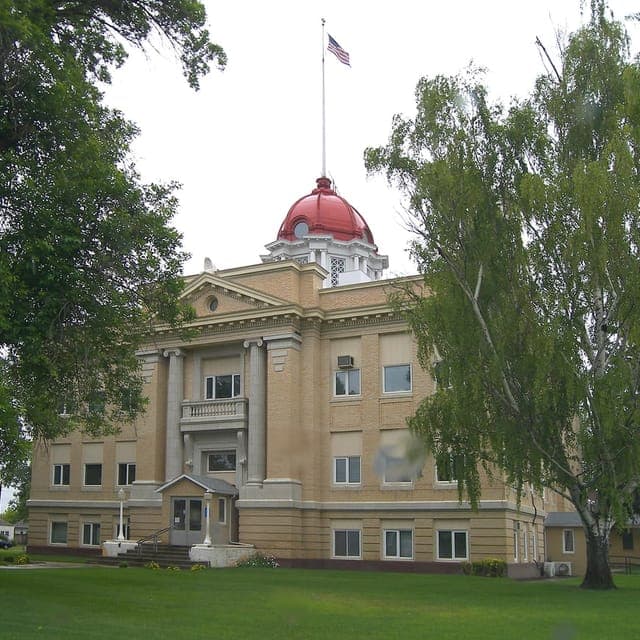
* Values derived from national, state, county, city and local statistics and may differ in a specific area. Last updated: 2026-04-29T21:08:11.000Z
Narrative content on this page is AI-generated and may contain mistakes. Verify any details that matter before acting on them.
ReloMaps may earn a commission from affiliate links at no extra cost to you.

