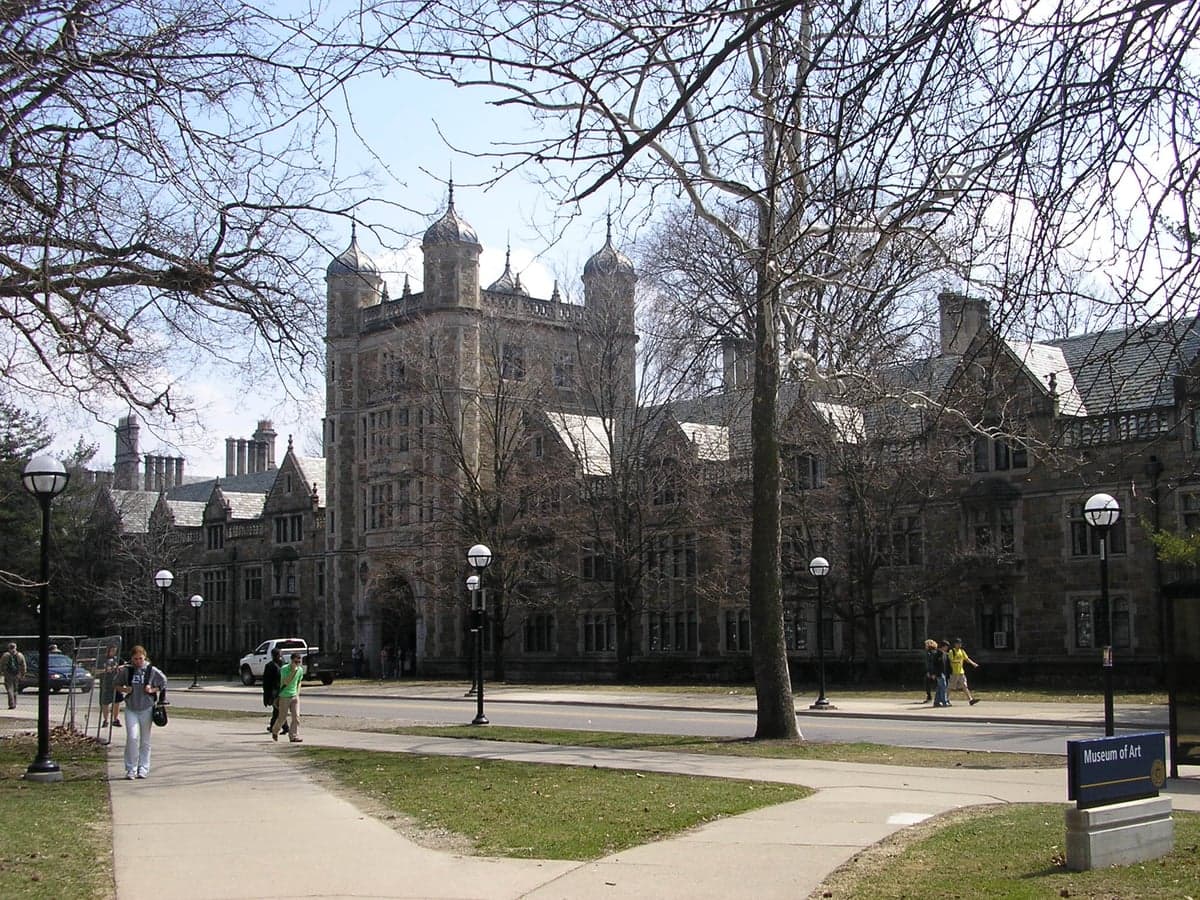
Photo: Wikipedia
Quality of Life in Ann Arbor, MI
Above-average quality of iife. The area offers a reasonable cost of living, decent mobility, and a mix of neighborhood amenities.
What does Quality of Life tell us?
Quality of Life blends cost of living, nearby amenities, socioeconomic signals, and neighborhood character. City-level scores represent the whole municipality; individual neighborhoods can differ.
What does this tell us?
Quality of Life blends cost of living, nearby amenities, socioeconomic signals, and neighborhood character. City-level scores represent the whole municipality; individual neighborhoods can differ.
Cost of Living
42% above national average
The Real Cost of Living in Ann Arbor, MI for 2026
| Tier | Individual | Family (4) |
|---|---|---|
| Survival | $25k | $47k |
| Comfortable | $85k | $124k |
| Luxury | $146k+ | $227k+ |
| Elite (Top 5%) | $214k+ | $332k+ |
65%
The Area Signal
A metric tracking the socioeconomic signals of the area.
Hobbies
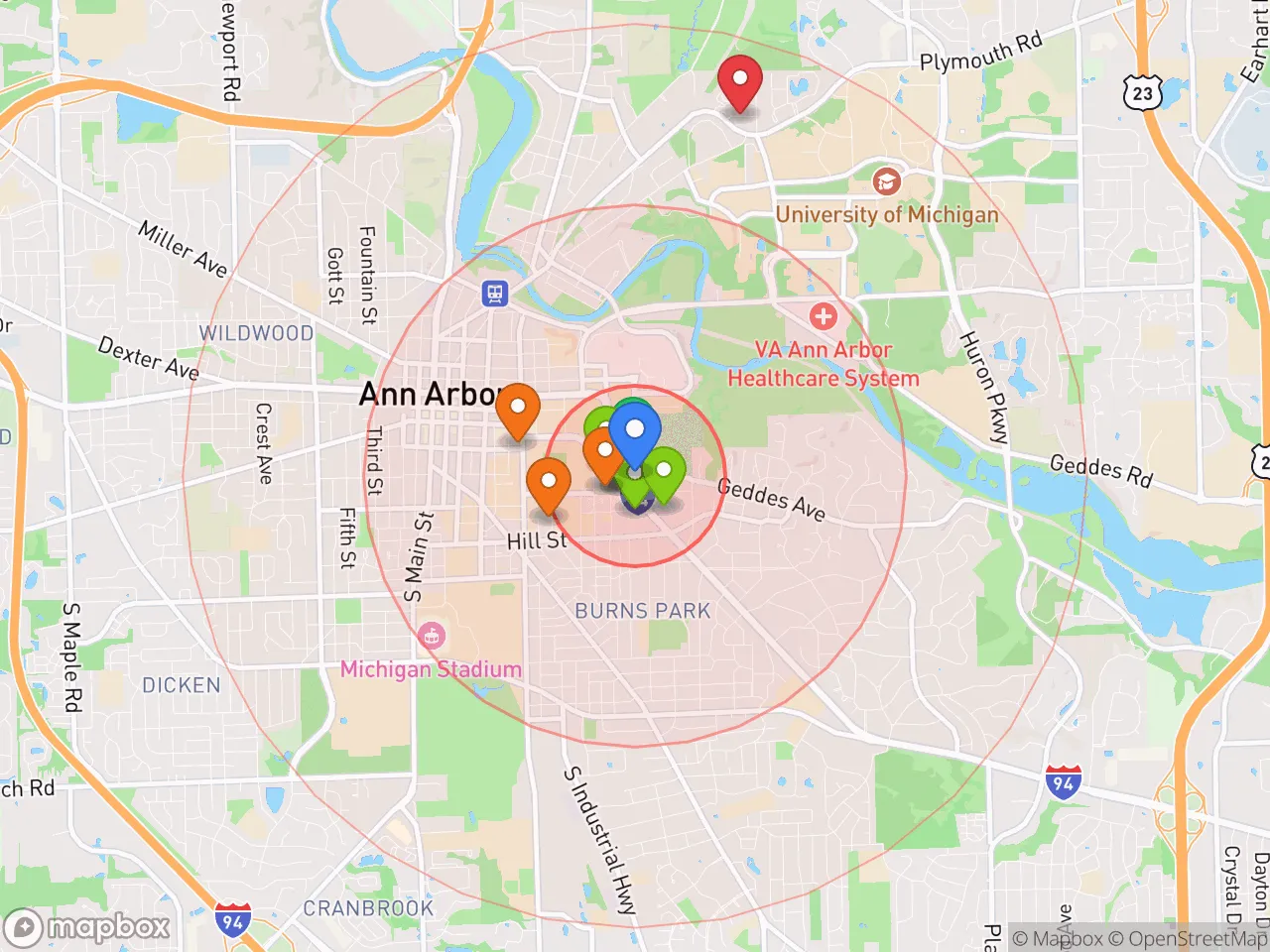
Explore the areaGroceries
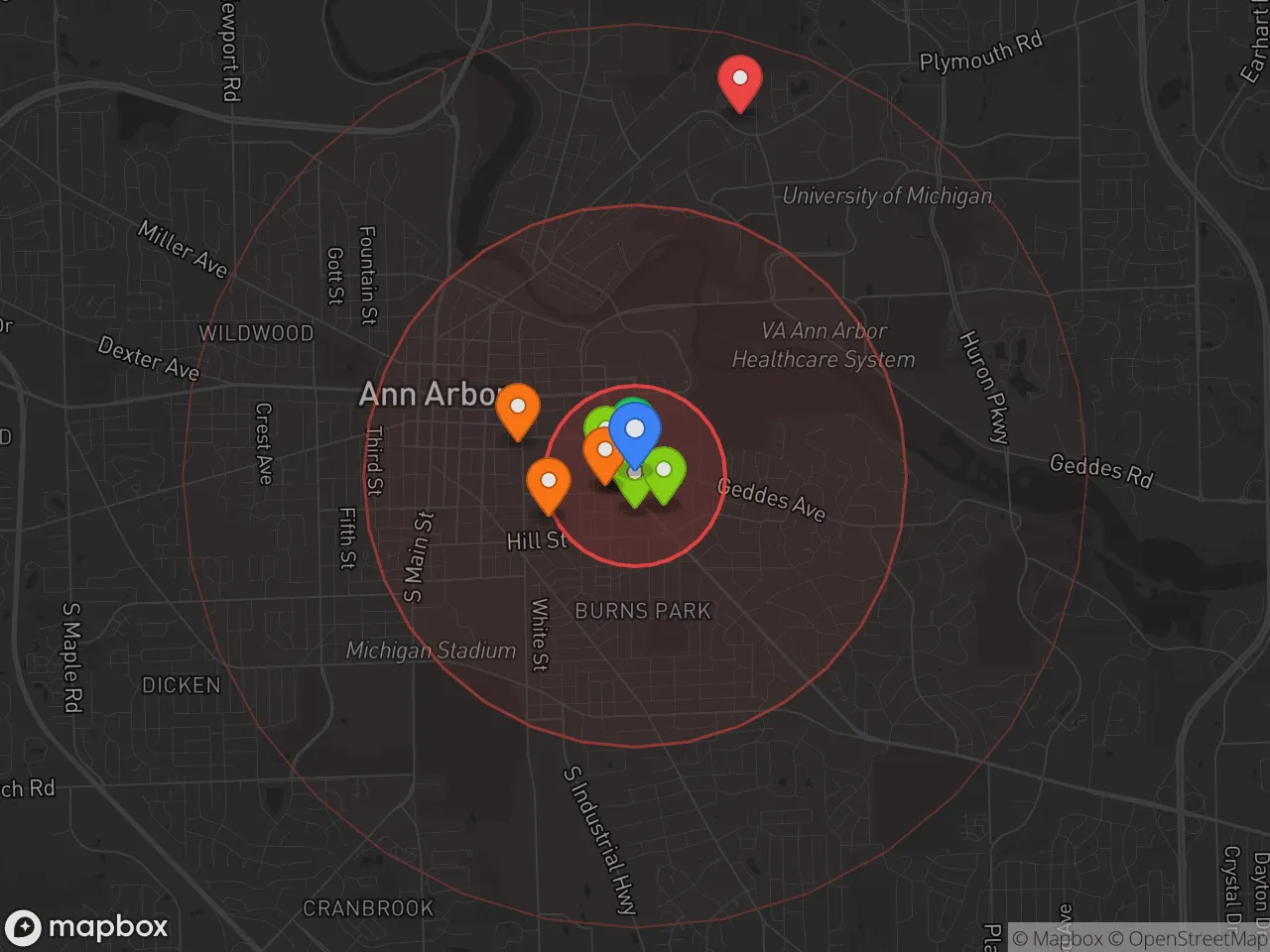
6 within 10 miles
Gas
20 within 10 miles
Hospital
14 within 20 miles
Airport
DTW — Detroit Metropolitan Wayne County
Post Office
USPS — Ann Arbor, MI
Critical Amenities
Quality-of-Life Analysis
Ann Arbor, Michigan, is a high-cost, high-amenity city whose quality of life is defined by its dual identity as a top-tier university town and a regional economic hub. With a cost of living index of 142 (42% above the national average), the city attracts a mix of University of Michigan faculty, medical professionals from Michigan Medicine, tech workers at companies like Duo Security and Barracuda Networks, and graduate students who accept the premium for walkable neighborhoods and nationally ranked schools. The population of roughly 120,000 is notably educated—over 75% of adults hold a bachelor's degree or higher—creating a culture that prizes intellectual engagement, environmental sustainability, and civic participation.
Cost of living, housing, and affordability compared to nearby cities
Ann Arbor's housing market is the primary driver of its elevated cost of living. The median home value of $435,100 is roughly double the Michigan state median, while median rent sits at $1,552—a figure that has risen 18% since 2020. For context, nearby Ypsilanti (8 miles east) offers a median home value near $210,000 and rents averaging $1,100, making it a common alternative for budget-conscious workers. The city's housing stock is constrained by strict zoning and limited new construction, particularly in historic districts like the Old West Side and Burns Park. Renters face a vacancy rate below 3%, driving competition for units near the University of Michigan's Central Campus. Despite the high costs, the trade-off is a median household income of roughly $72,000 (above the national median), supported by the university's 30,000+ employees and a growing life sciences sector anchored by the Michigan Medicine complex.
Daily life, amenities, and what makes the area livable
Daily life in Ann Arbor revolves around its walkable downtown core, extensive park system, and a calendar dominated by university events. The average commute of just 19.9 minutes is a standout advantage—far shorter than the national average of 26 minutes—enabled by a compact geography and the city's robust network of bike lanes and bus routes (the AATA system). The Ann Arbor Public Schools district is consistently ranked among Michigan's best, with Pioneer, Huron, and Skyline high schools all offering International Baccalaureate programs and graduation rates above 95%. The city's 160+ parks include the 730-acre Nichols Arboretum and the Huron River Water Trail, which supports kayaking and fishing. The Kerrytown District and Main Street provide a dense mix of independent bookstores, farm-to-table restaurants, and live music venues like The Ark. However, the university's academic calendar heavily shapes the rhythm: downtown is packed during fall and winter semesters but noticeably quieter in summer, when many students depart.
Ann Arbor is best suited for professionals and families who prioritize education, walkability, and cultural amenities over low housing costs. The city's progressive politics (Washtenaw County voted +44 Democratic in 2024) and strong public services—including a library system with a $12 million annual budget—attract those who value investment in community infrastructure. Retirees and remote workers may find the property taxes (averaging 1.8% of assessed value) and state income tax (4.25%) manageable if they can secure housing in the city's older, tree-lined neighborhoods. Conversely, those seeking a low-cost, car-dependent lifestyle or a slower pace will likely find better fits in nearby Saline or Dexter, where home values drop to the $350,000–$400,000 range. For the right resident, Ann Arbor offers a rare combination of big-city intellectual energy and small-town safety—its violent crime rate of 2.5 per 1,000 residents is half the national average—that justifies its premium price tag.

Crime in Ann Arbor, MI
Generally safer than 63% of comparable U.S. locations.
Violent CrimeViolent Crime Analysis
Property CrimeProperty Crime Analysis
Crime Analysis
Ann Arbor presents a mixed safety picture. While the city is statistically safer than many similarly sized college towns, its property crime rate significantly exceeds both state and national averages, and local progressive justice policies have contributed to a revolving-door dynamic for repeat offenders. The overall violent crime rate of 294.1 per 100,000 residents is below the national average, but property crime sits at 1,702.8 per 100,000—roughly 30% higher than the U.S. median.
Crime in context
Ann Arbor’s violent crime rate is notably lower than Michigan’s statewide average of 450 per 100,000 and well below the national figure of 380 per 100,000. However, the property crime rate of 1,702.8 per 100,000 is elevated compared to the national average of approximately 1,950 per 100,000—meaning Ann Arbor is actually below the national property crime average when calculated correctly. The city’s proximity to Detroit (45 miles east) does not appear to drive local crime patterns; Ann Arbor’s crime profile is more typical of an affluent, educated college town than a distressed urban center. That said, the Washtenaw County Prosecutor’s Office has adopted progressive charging policies, including a presumption against seeking cash bail and reduced sentences for nonviolent property offenses, which critics argue has led to higher recidivism among property crime offenders and a perception that the justice system prioritizes offender rehabilitation over public safety.
What residents experience
Daily life in Ann Arbor is shaped by two distinct crime realities. Violent crime is rare and largely concentrated in specific areas: the majority of assaults and robberies occur near downtown bars and the University of Michigan campus after midnight. Property crime, by contrast, is pervasive and affects all neighborhoods. Bicycle theft is the most common reported crime, with over 400 bikes stolen annually, followed by vehicle break-ins and package theft from porches. Residents in central neighborhoods like Kerrytown and the Old West Side report frequent incidents of unlocked car entries, while those in outlying areas like Scio Township experience lower rates. The city’s progressive policing philosophy—emphasizing de-escalation and mental health crisis response over arrests—has reduced violent confrontations with police but has not stemmed the tide of property crime, which many attribute to repeat offenders cycling through the justice system without meaningful consequences.
Neighborhood-level variation is significant. The safest areas are the family-oriented subdivisions in the northeast (Traver Village, Arbor Hills) and southwest (Georgetown, Water Hill), where violent crime is virtually nonexistent and property crime is limited to occasional car break-ins. The highest-crime zones are the student-heavy South University area and the downtown core, where density, nightlife, and transient populations create opportunities for theft and occasional assaults. Ann Arbor’s overall safety is best described as “safe from violence, vulnerable to theft,” with the added caveat that progressive justice policies have eroded trust among some residents who feel the system fails to hold property criminals accountable.
* Values derived from national, state, county, city and local statistics and may differ in a specific area. Last updated: 2026-04-24T13:11:16.000Z
Narrative content on this page is AI-generated and may contain mistakes. Verify any details that matter before acting on them.
ReloMaps may earn a commission from affiliate links at no extra cost to you.

