Photo: Wikipedia
Strategic Assessment of Arizona
Meaningful friction. Expect exposure to either population pressure, blast zones, or natural disaster risk. Consider buying a retreat property.
What does the Strategic Assessment tell us?
Our Strategic Assessment grades tactical survivability of an area. Major population centers, military targets, fallout zones, natural disasters, and border exposure all drive risk — lower exposure means a more defensible position in a crisis.
This is heavily inspired by Joel Skousen's Strategic Relocation book. Highly recommended you checkout the book ($)What does this tell us?
Our Strategic Assessment grades tactical survivability of an area. Major population centers, military targets, fallout zones, natural disasters, and border exposure all drive risk — lower exposure means a more defensible position in a crisis.
This is heavily inspired by Joel Skousen's Strategic Relocation book. Highly recommended you checkout the book ($)Regional Safe Places
Below is our recommended "safe zones" in Arizona and the surrounding area based on our strategic heuristics. For most people, it's unrealistic to live in a “safe zone” full-time due to work, family or other personal reasons. They tend to be more rural. However, many of these areas are perfect for second homes and retreat properties that double as a vacation home or even a short-term rental.
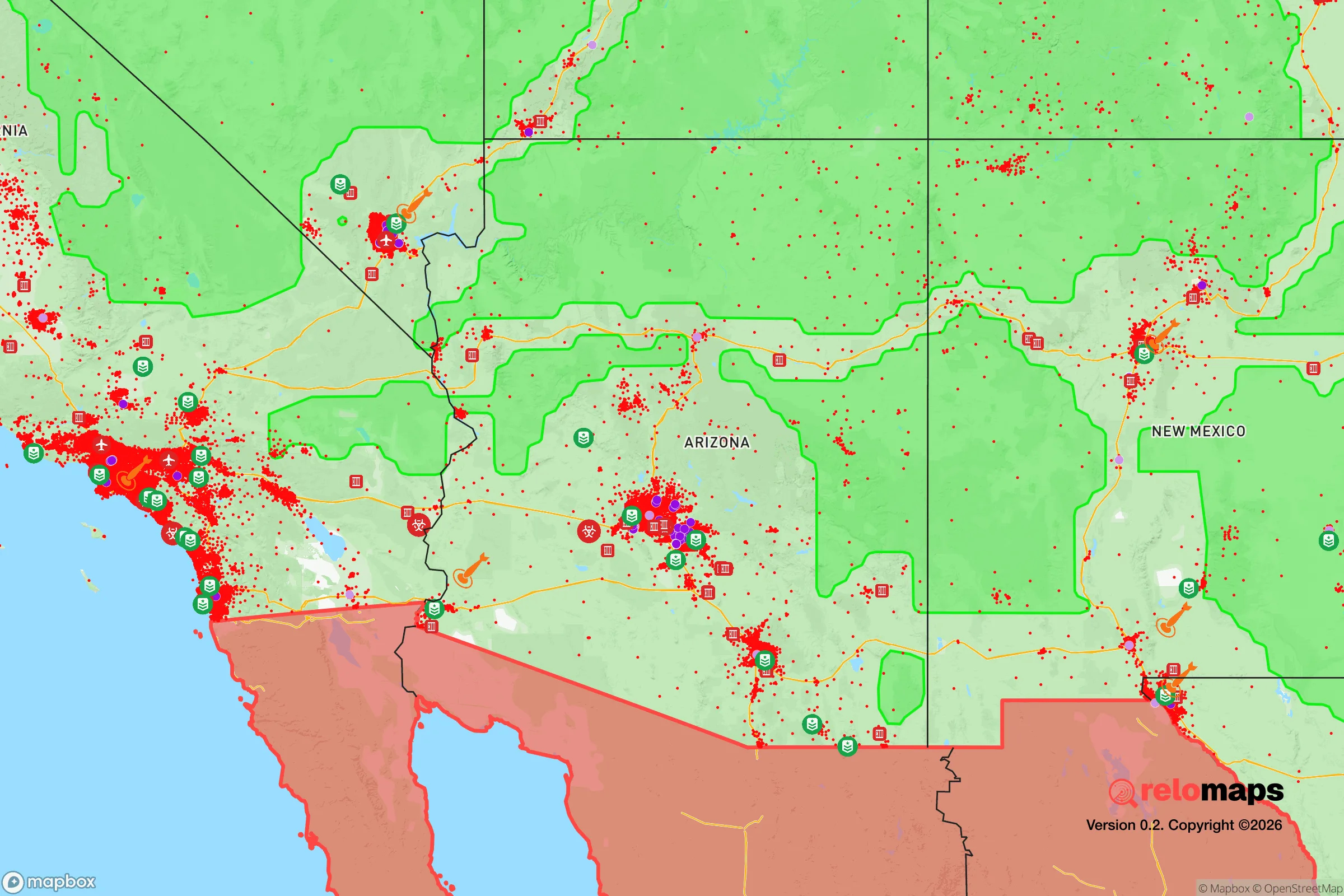
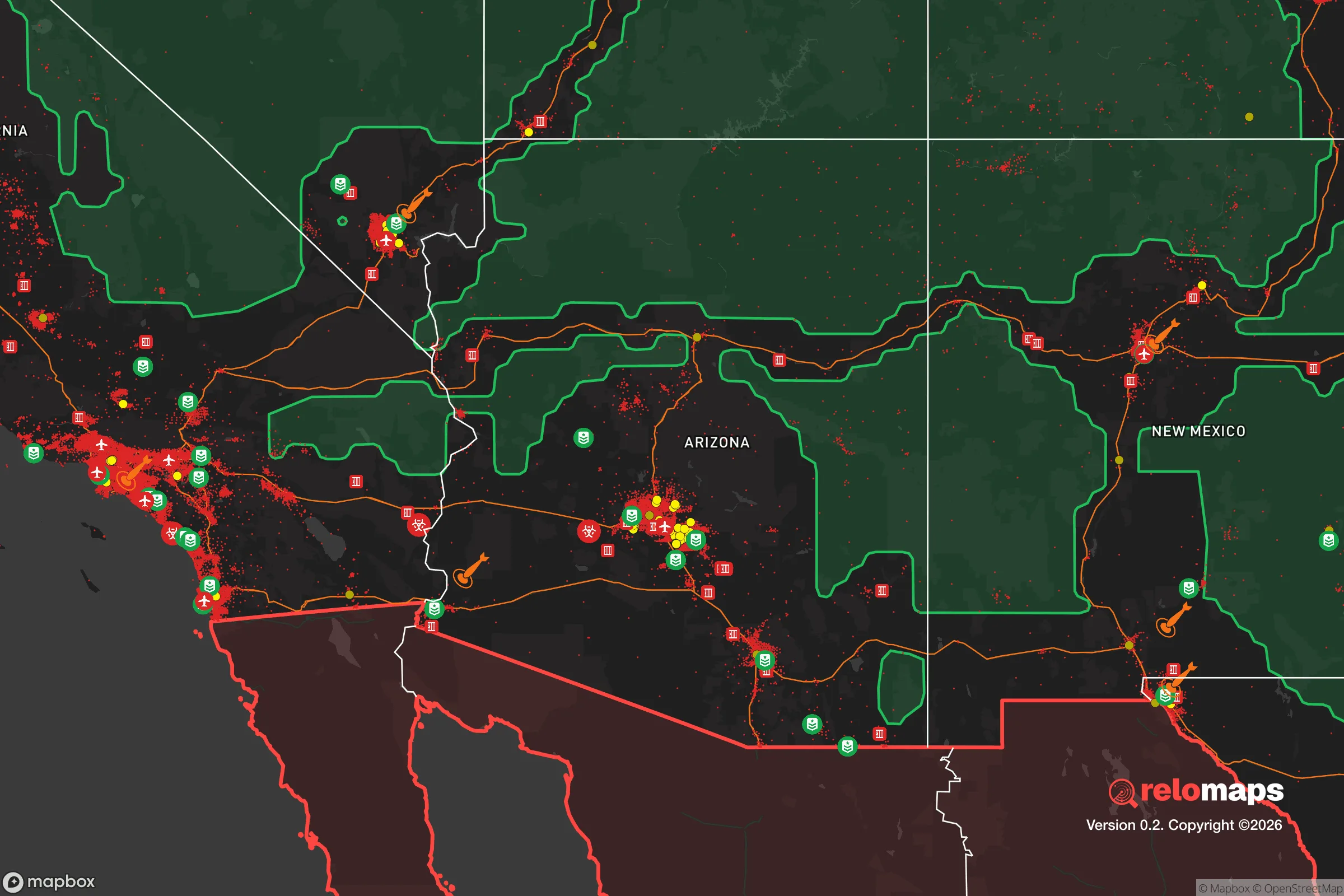


Important Note: For informational purposes only. This does not mean nothing bad ever happens in the green zones. Please use common sense. This is based on public data and modeled with AI. We tried to take a conservative approach but mistakes happen. We update this regularly as new information becomes available.
Solar Generator Recommendations
Backup power matters more here than in safer locations. We've picked three solar generators across budgets and capacity tiers — start with the budget unit if you only need a few essentials, or step up if you want to run a fridge and HVAC for days at a time.

Jackery Portable Power Station Explorer 300
Budget OptionPower on the Go: Weighing only 11 lbs, it's convenient to set up and store with book-sized foldable solar panels

BLUETTI Portable Power Station AC180
Designed for both indoor and outdoor scenarios, AC180 is highly capable as it has a robost capacity and continuous output power.

EF ECOFLOW DELTA Pro Ultra Power Station
Upgraded PickEcoFlow DELTA Pro Ultra is a whole-home energy system designed to grow with your family. Integrated with the Smart Home Panel 2, it scales to meet your evolving energy needs — keeping your home powered, intelligent, and secure through every stage of life.
We earn a commission, at no additional cost to you.
Strategic Assessment Analysis
Arizona offers a compelling mix of geographic isolation and resource independence that makes it a serious contender for those prioritizing long-term resilience and self-sufficiency. The state’s position in the arid Southwest provides natural buffers against the coastal and urban chaos that could erupt in places like Los Angeles or Denver, while its high desert terrain and sparse population density in regions like the Mogollon Rim and the White Mountains create defensible, low-profile living options. For a conservative-leaning individual or family looking to weather civic unrest, supply chain collapse, or mass casualty events, Arizona’s strategic value lies in its ability to support a decentralized, prepared lifestyle—if you choose your location wisely.
Geographic position and natural advantages for long-term security
Arizona’s geography is its first line of defense. The state sits far from major coastal fallout zones—over 300 miles from the Pacific and 200 miles from the Gulf of California—and its interior deserts and mountain ranges create natural barriers against large-scale population movement. The Mogollon Rim, a 200-mile escarpment running from near Flagstaff to the New Mexico border, offers elevated terrain with cooler temperatures, reliable water sources from seasonal snowmelt, and dense pine forests that provide cover and timber. Towns like Show Low, Pinetop-Lakeside, and Greer sit at 6,000–8,000 feet, giving residents a climate that supports agriculture and reduces wildfire risk compared to lower desert areas. The Colorado Plateau in northern Arizona, including the Kaibab National Forest and Grand Canyon region, offers extreme remoteness—hundreds of square miles of public land with minimal infrastructure, ideal for off-grid setups. For a relocator, the state’s elevation gradients mean you can choose a microclimate that fits your needs: high-altitude forests for water security, or lower desert for solar energy and minimal snowfall. The Salt River Project and Central Arizona Project canals are critical water infrastructure, but they also represent a vulnerability—any disruption to these systems would impact Phoenix and Tucson, making rural self-reliance on wells and rainwater capture a smarter bet.
Risks, exposures, and proximity to fallout-relevant landmarks
No state is without risks, and Arizona has several that demand attention. The most obvious is the Phoenix metropolitan area, home to over 4.8 million people—a massive population center that would become a humanitarian crisis zone during a grid-down event or mass casualty incident. Its reliance on the Colorado River via the Central Arizona Project makes it a single-point-of-failure target; a major earthquake or sabotage at Lake Mead or Parker Dam could cut water to the entire valley within days. Tucson, with 1 million residents, is similarly vulnerable, though its proximity to the Davis-Monthan Air Force Base (a major logistics hub) could make it a secondary target in a conflict scenario. Military installations are scattered across the state: Luke Air Force Base near Phoenix, Fort Huachuca near Sierra Vista, and Yuma Proving Ground near the California border. These are strategic assets but also potential targets for sabotage or direct attack, and their presence could draw unrest to surrounding areas. The Palo Verde Nuclear Generating Station, 50 miles west of Phoenix, is the largest nuclear plant in the U.S. by output—a major fallout risk if compromised. For a prepper, living within 50 miles of any of these landmarks is a liability. The Interstate 10 and I-17 corridors are chokepoints that would clog with refugees fleeing Phoenix or Tucson, making rural access roads critical. Wildfire is a growing threat, especially in the pine forests of the Rim and White Mountains—the 2021 Telegraph Fire and 2022 Pipeline Fire near Flagstaff each burned over 100,000 acres, demonstrating how quickly a dry year can turn a safe zone into a hazard.
Practical resilience for a relocator: food, water, energy, and defensibility
For a family or individual serious about self-reliance, Arizona offers a mixed bag that rewards careful planning. Water is the critical constraint. In the high country (above 5,000 feet), annual precipitation ranges from 20–30 inches, enough to support rainwater catchment systems with proper storage—think 5,000-gallon cisterns and first-flush diverters. The White Mountains have perennial streams like the Little Colorado River and Salt River headwaters, but surface water rights are complex and often tied to federal land. Drilling a well in these areas can cost $10,000–$20,000 and hit depths of 300–500 feet, but yields are generally good if you avoid over-pumped basins. In the lower desert, water is scarce—reliance on trucked-in supplies or deep wells is expensive and risky. Food production is viable in the high country with short growing seasons (90–120 days) for cold-hardy crops like potatoes, beans, and squash; greenhouses extend the window. The Verde Valley (Cottonwood, Camp Verde) offers a milder climate with longer seasons and access to the Verde River, but it’s also closer to Phoenix’s sprawl. Energy is a strength: Arizona averages 300+ sunny days per year, making solar panels a no-brainer. Off-grid systems with battery storage (e.g., lithium iron phosphate) are common, and net metering policies in rural areas are favorable. For backup, wood stoves are standard in mountain homes, and propane tanks can be buried for long-term storage. Defensibility is where Arizona shines. The Mogollon Rim’s steep canyons and dense forests create natural chokepoints; a property with a single access road and good sightlines can be secured with minimal effort. The San Rafael Valley near the Mexican border offers extreme remoteness but carries border security risks—drug trafficking and illegal crossings are real concerns. For a conservative relocator, the state’s strong gun culture and stand-your-ground laws are assets, but they also mean neighbors are likely armed and wary of outsiders. Building trust in a small community (e.g., Eagar, Springerville, or St. Johns) takes time but pays off in mutual aid networks.
The overall strategic picture for Arizona is one of high potential tempered by real trade-offs. The state’s interior position, low population density outside the major cities, and abundant solar resources make it a strong candidate for a prepared lifestyle—especially if you target the high country or remote plateaus. But the risks are non-trivial: proximity to Phoenix’s collapse scenario, water scarcity in the desert, wildfire in the forests, and the presence of military and nuclear infrastructure that could draw trouble. For a single individual or family willing to invest in water storage, solar power, and community integration, Arizona offers a defensible, self-sufficient base that can weather many of the shocks the next decade may bring. The key is to avoid the traps—stay away from the I-10 corridor, the nuclear plant’s fallout zone, and the border’s chaos—and instead anchor yourself in a small, tight-knit town where you can become part of the solution, not just another refugee.

Top 10 Cities by Strategic Assessment in Arizona
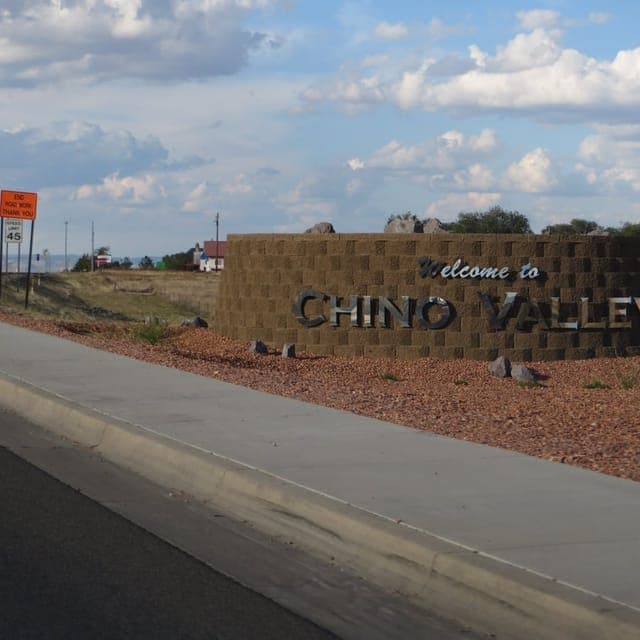
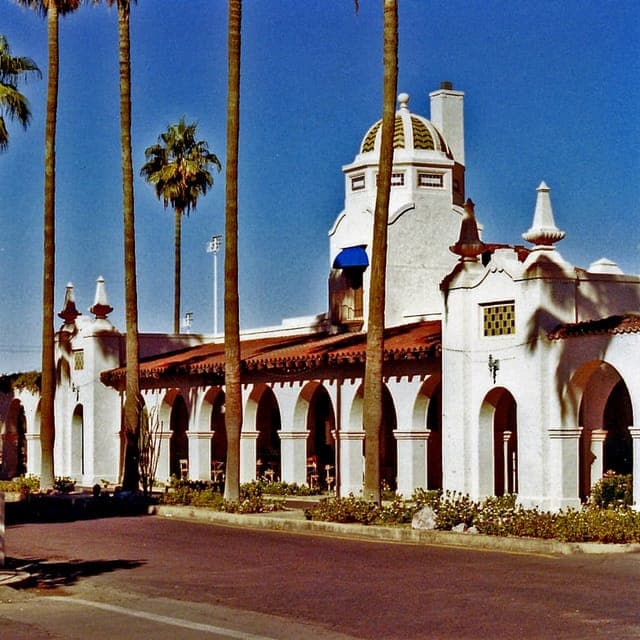

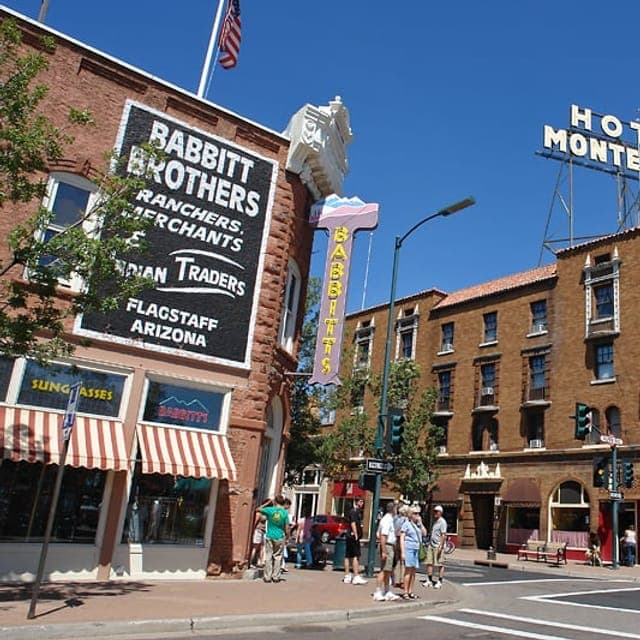
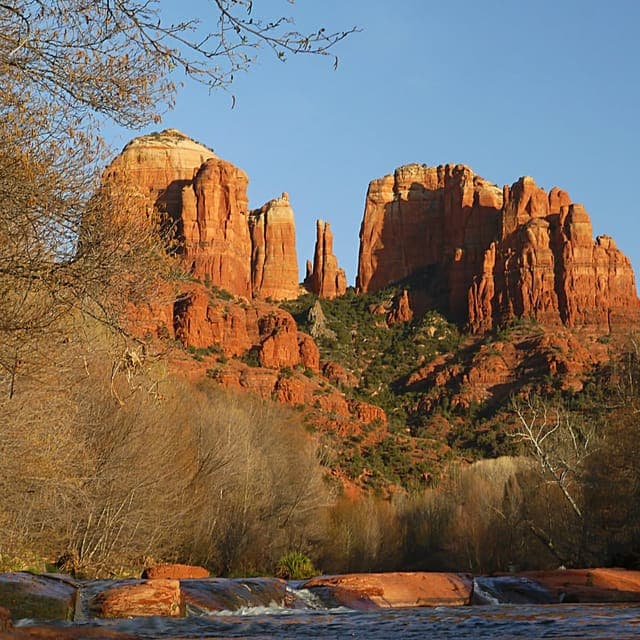
* Values derived from national, state, county, city and local statistics and may differ in a specific area. Last updated: 2026-04-16T00:42:46.000Z
Narrative content on this page is AI-generated and may contain mistakes. Verify any details that matter before acting on them.
ReloMaps may earn a commission from affiliate links at no extra cost to you.

