Photo: Wikipedia
Find The Best Places To Live
in Phoenix
PRO TIP! You can paste a Zillow or Redfin link to get info on that property.
What It's Like Living in Phoenix, AZ
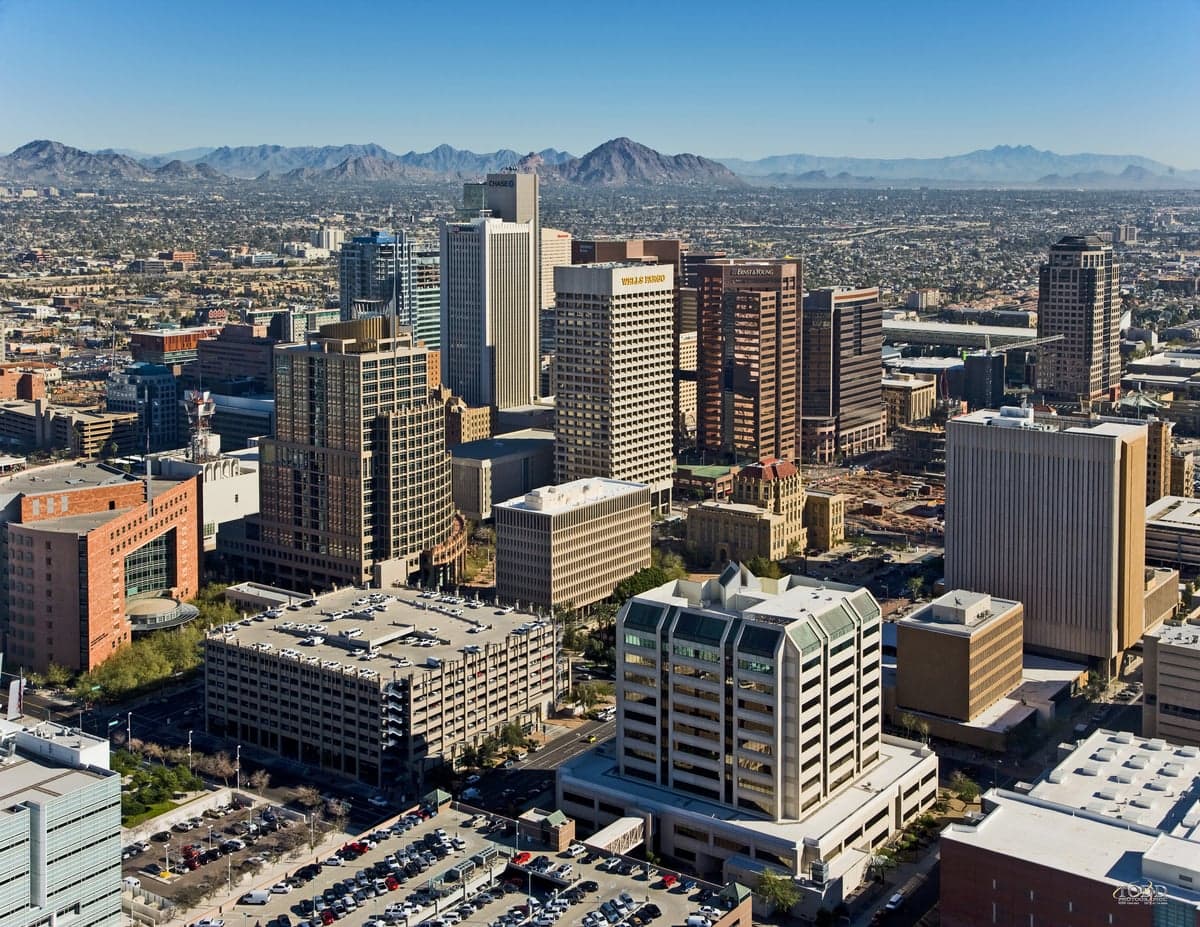
Living in Phoenix means trading four seasons for one spectacular one and learning to plan your day around the sun. This is a city that runs on air conditioning, iced tea, and a collective agreement that 110°F is just “hot” until it hits 115°F. With over 1.6 million people, it’s a sprawling desert metropolis where the vibe shifts dramatically depending on which part of the valley you’re in — from the golf-cart suburbs of Ahwatukee to the artsy bungalows of Roosevelt Row.
Daily Rhythm: Early Birds, Late Nights, and the Great Indoors
The heat dictates everything from May through October. Most residents learn to be morning people — hiking Camelback Mountain or running the canal paths before 7 a.m., then retreating indoors by noon. The city’s median age of 34.8 means a lot of young professionals and families, and you’ll see them at places like the Biltmore Fashion Park for shopping or Postino Annex for bruschetta and wine on a patio with misters running full blast. Weekends often revolve around pool time, air-conditioned breweries (check out AZ Wilderness or O.H.S.O.), or catching a Diamondbacks game at Chase Field — one of the few stadiums with a retractable roof, because baseball in July is otherwise a heatstroke risk.
The commute is manageable by big-city standards — average drive time is about 26 minutes — but the sprawl is real. You can live 45 minutes from your office if you’re on the wrong side of the I-10 or the 101 during rush hour. Grocery shopping is a mix of Fry’s (Kroger) and Bashas’, with a strong presence of Mexican markets like Food City for fresh tortillas and carne asada. Dinner reservations at popular spots like Pizzeria Bianco or Little Miss BBQ require planning weeks ahead, but the food scene is genuinely underrated — Sonoran hot dogs, green chile burros, and fry bread are local staples you’ll miss anywhere else.
Sports & Community: More Than Just the Suns
Phoenix is a sports town that doesn’t always act like one — partly because half the population moved here from somewhere else and still roots for their hometown teams. That said, when the Phoenix Suns are in the playoffs, the entire city buzzes. The Footprint Center downtown turns into a sea of orange, and bars like The Valley Bar or Coach House get packed. The Arizona Cardinals draw big crowds in Glendale, but the real local passion is for spring training — the Cactus League brings 15 MLB teams to the valley every February and March, and it’s the best time of year to be outside.
High school football is a big deal in suburbs like Chandler and Scottsdale, but in Phoenix proper, it’s more about Arizona State University sports in nearby Tempe. ASU’s Sun Devil Stadium is a Saturday ritual for thousands, and the tailgating scene is rowdy but family-friendly. For a city its size, Phoenix lacks a major college football powerhouse, but the Fiesta Bowl and the Waste Management Phoenix Open (the “Greatest Show on Grass”) are annual events that draw national attention and local pride.
What’s There to Do: Desert Play, Festivals, and the Night Shift
Outdoor life is the main draw. South Mountain Park is the largest municipal park in the country — 16,000 acres of trails you can hike, bike, or horseback ride without ever leaving city limits. The Phoenix Zoo and the Desert Botanical Garden are world-class and surprisingly pleasant even in summer if you go at opening time. For music, Van Buren and The Crescent Ballroom host national acts, while First Fridays on Roosevelt Row turn downtown into an open-air art gallery with food trucks and live music every month.
The festival calendar is packed: Phoenix Film Festival in April, Lost Lake Festival (when it runs), and the Arizona State Fair in October. But the real cultural quirk is how much of the city’s social life happens after dark in summer — late-night coffee shops, midnight movies, and pool parties that start at 9 p.m. The heat creates a kind of reverse seasonality where winter is the busy time and summer is for hibernation.
Pros and Cons of Living Here
What longtime residents love:
- The winter weather is unbeatable. From November through March, it’s 70°F and sunny — perfect for golf, hiking, and patio dining. You’ll never shovel snow.
- Cost of living is reasonable for a major metro. The median home value of $382,000 is steep compared to the national average, but far cheaper than Los Angeles or Denver. The median income of $77,000 supports a comfortable middle-class lifestyle.
- No state income tax. Arizona is one of the few states that doesn’t tax your wages, which is a big draw for remote workers and retirees.
- The food scene punches above its weight. From high-end tasting menus to taco stands, Phoenix has become a legitimate culinary destination.
What frustrates them:
- The summer heat is brutal and long. Four months of 100°F+ days means you’re trapped indoors or in a car. It wears on your mental health and your electric bill.
- Violent crime is a real concern. The rate of 693.6 per 100,000 is higher than the national average, and while it’s concentrated in certain areas, it’s something to research before choosing a neighborhood.
- Sprawl and traffic. The city is spread out over 500 square miles, so you’ll drive everywhere. Public transit is limited to a single light rail line and spotty buses.
- Water scarcity looms. The Colorado River cuts and ongoing drought are a constant topic of local news and long-term worry.
Phoenix isn’t for everyone. It’s a place for people who don’t mind a little discomfort in exchange for a lot of sun, who value space and affordability over walkability, and who understand that the best time to be outside is between October and April. If that sounds like you, the valley has a way of growing on you — one Sonoran hot dog at a time.

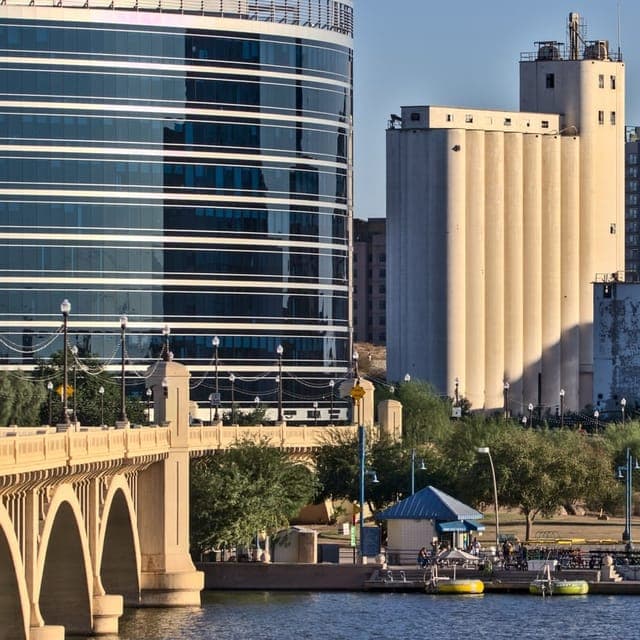
Similar major cities to Phoenix
* Values derived from national, state, county, city and local statistics and may differ in a specific area. Last updated: 2026-04-29T02:20:33.000Z
Narrative content on this page is AI-generated and may contain mistakes. Verify any details that matter before acting on them.
ReloMaps may earn a commission from affiliate links at no extra cost to you.

