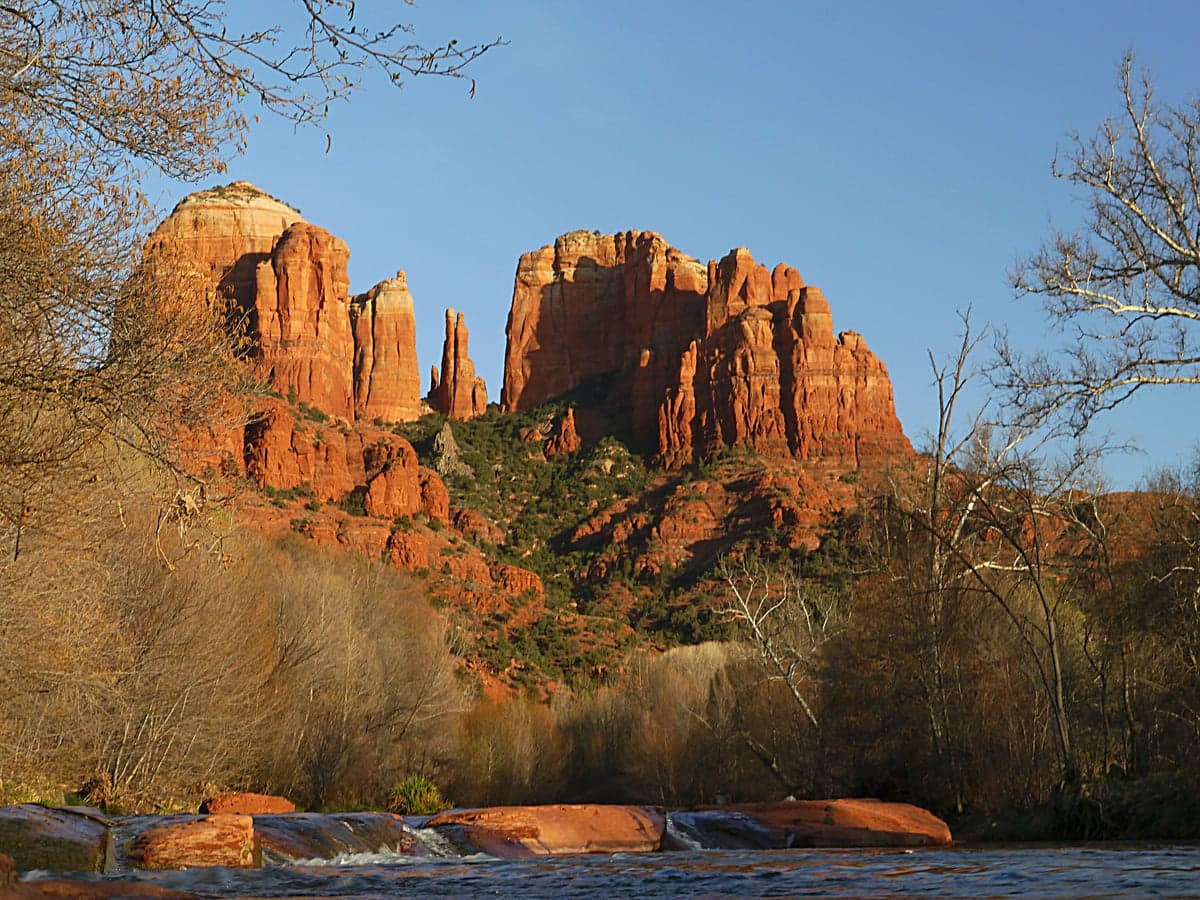
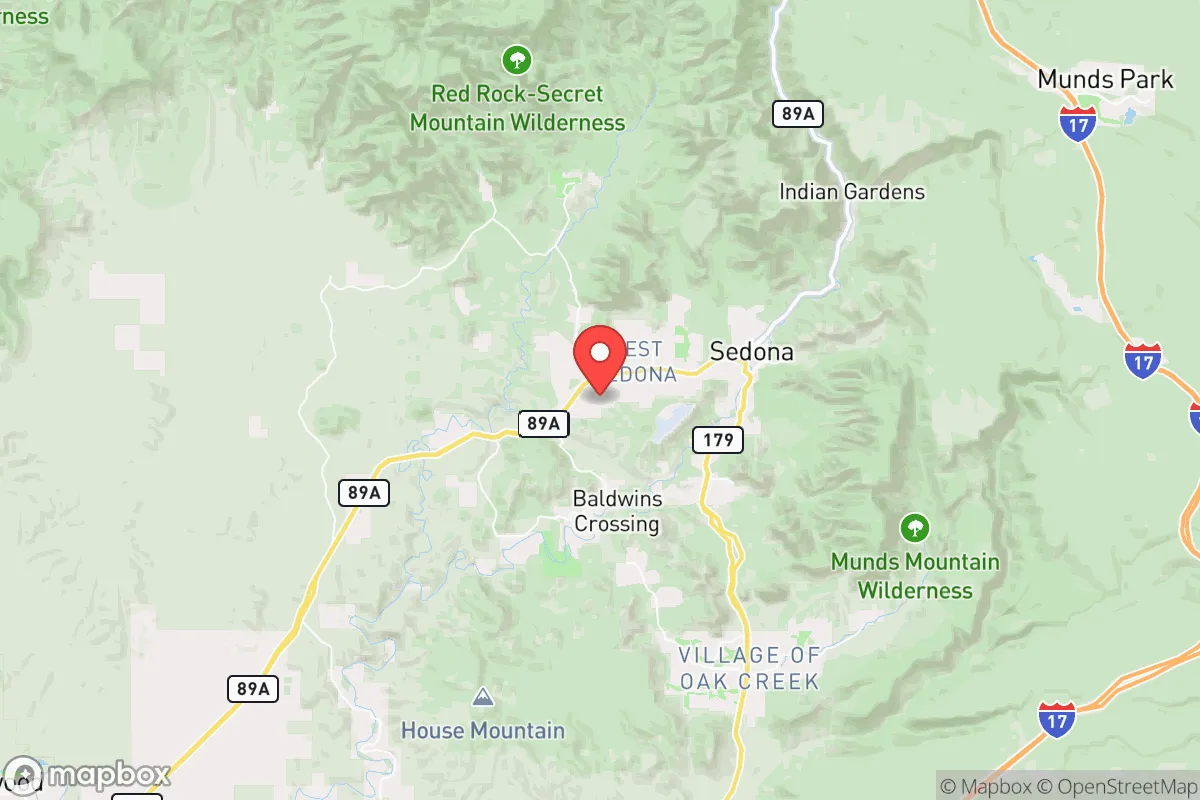
Photo: Wikipedia
Find The Best Places To Live
in Sedona
PRO TIP! You can paste a Zillow or Redfin link to get info on that property.
What It's Like Living in Sedona, AZ
Sedona, Arizona, is a place that feels both like a world-class resort and a small, quirky desert town, often leaving visitors wondering if anyone actually lives there year-round. With a population hovering just under 10,000, the community is dominated by retirees, wellness seekers, and remote workers who have traded corporate ladders for red rock views, creating a daily rhythm that is slower, more intentional, and distinctly un-suburban. Living here means accepting that the stunning scenery comes with a steep price tag and a very specific set of trade-offs that make it a perfect fit for some and a frustrating mismatch for others.
The Daily Rhythm: Slow Mornings and Tourist Traffic
For residents, a typical weekday starts with coffee at a local spot like Black Cow Cafe or Red Rock Bakery, where conversations often drift toward hiking conditions or the latest city council debate about short-term rentals. The median age of 59 is not a statistic you can ignore—it shapes the town's pace. You won't find a bustling rush hour, but you will find a steady stream of rental Jeeps and tour buses clogging the main drag of State Route 179 by 10 a.m. The average commute is a merciful 22 minutes, but those minutes are often spent idling behind tourists who have stopped in the middle of the road to photograph a juniper tree. Most shopping is done at the local Sedona Safeway or the Uptown Market, and for anything beyond groceries, residents drive 30 minutes down the hill to Cottonwood or an hour to Flagstaff. The weather is the great equalizer: mild winters and a monsoon season in July and August that turns the red rocks a deeper, almost alien shade of crimson.
Who Fits In Here: The Affluent, The Retired, and The Rugged
Sedona is not a place you move to for a career ladder—it’s a place you move to because you’ve already climbed one. The median income of $67,374 might seem modest, but it is deceptive; many households are supported by retirement savings, investment income, or remote tech salaries that far exceed that figure. The median home value of $708,400 and a cost of living index of 174 (nearly double the national average) mean that homeownership is largely out of reach for anyone earning a typical local wage. The people who thrive here are either financially secure retirees, self-employed creatives, or families who bought in before the boom. The town’s identity is deeply tied to spirituality and wellness—crystal shops, vortex tours, and yoga studios are as common as gas stations—and newcomers who scoff at that culture often find themselves isolated. The kind of person who fits in is someone who values solitude, has a high tolerance for tourist crowds, and doesn’t mind driving an hour for a Target run.
What There Is to Do: Hiking, Festivals, and a Surprisingly Quiet Nightlife
Outdoor activities are the main event. Residents hike Cathedral Rock and Devil’s Bridge before the heat sets in, mountain bike on the Highline Trail, and spend weekends swimming at Oak Creek or exploring Slide Rock State Park. The town’s festivals lean heavily into its artistic and spiritual reputation—the Sedona International Film Festival draws indie film lovers each February, and the Sedona Arts Festival in October showcases local painters and sculptors. Nightlife is minimal; the Sedona Beer Company and Mesa Grill at the Airport pull a local crowd for live music and trivia, but most bars close by 10 p.m. Sports are not a major part of the culture. There are no pro teams, and the local high school, Sedona Red Rock High School, fields small teams that rarely draw big crowds. The community’s energy is directed more toward environmental stewardship and preserving the dark night sky than toward Friday night football.
Pros and Cons of Living Here: The Honest Trade-Offs
Longtime residents love the access to nature, the quiet nights, and the strong sense of community among those who have chosen to stay. They appreciate that violent crime is relatively low (204.1 per 100,000, slightly above the national average but concentrated in tourist areas), and that the schools, while small, offer a tight-knit environment where teachers know every student by name. What frustrates them is the crushing cost of living, the lack of affordable housing for young families and service workers, and the seasonal traffic that turns a 10-minute errand into a 30-minute ordeal. The town’s median age of 59 also means that singles under 40 often struggle to find a dating scene, and parents report that their teenagers feel isolated without the typical suburban amenities of malls or multiplex theaters. The biggest cultural quirk is the “Sedona stare”—a polite but firm refusal to make eye contact with tourists—which locals use to preserve a sliver of privacy in a town that feels perpetually on display.

Similar small towns to Sedona


* Values derived from national, state, county, city and local statistics and may differ in a specific area. Last updated: 2026-05-14T18:03:46.000Z
Narrative content on this page is AI-generated and may contain mistakes. Verify any details that matter before acting on them.
ReloMaps may earn a commission from affiliate links at no extra cost to you.

