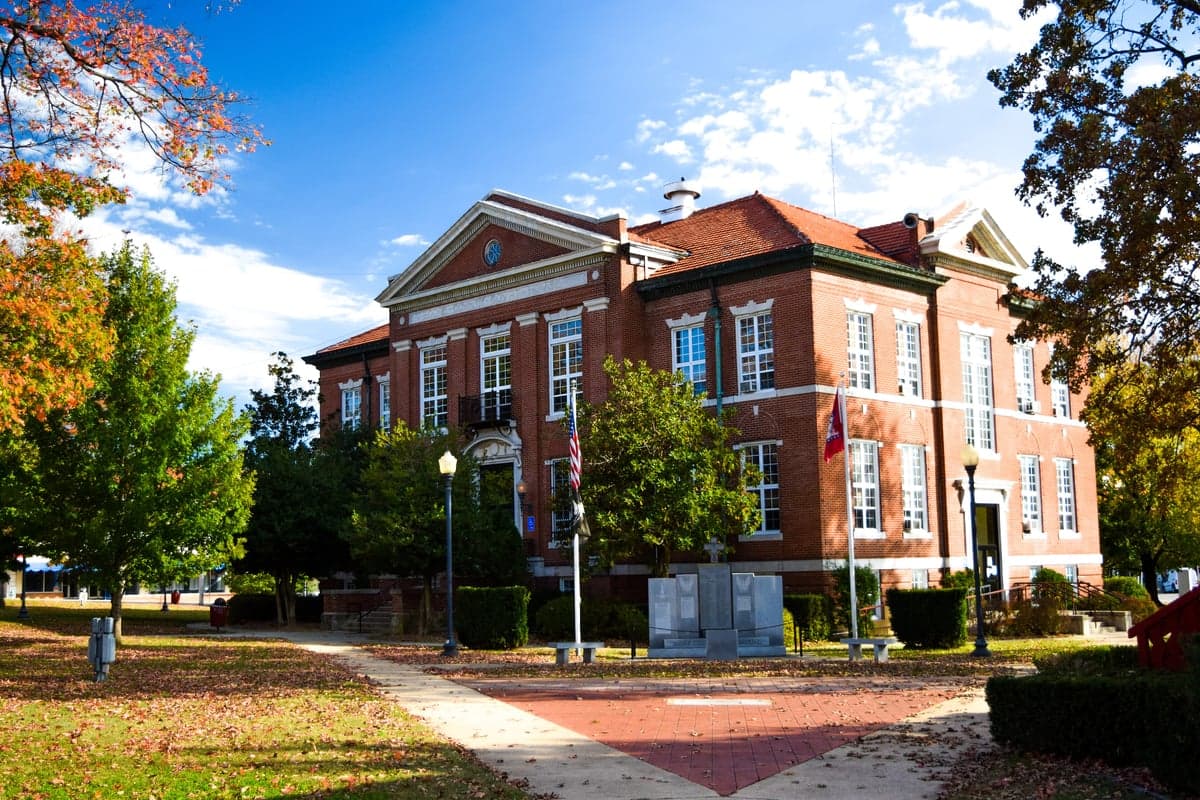
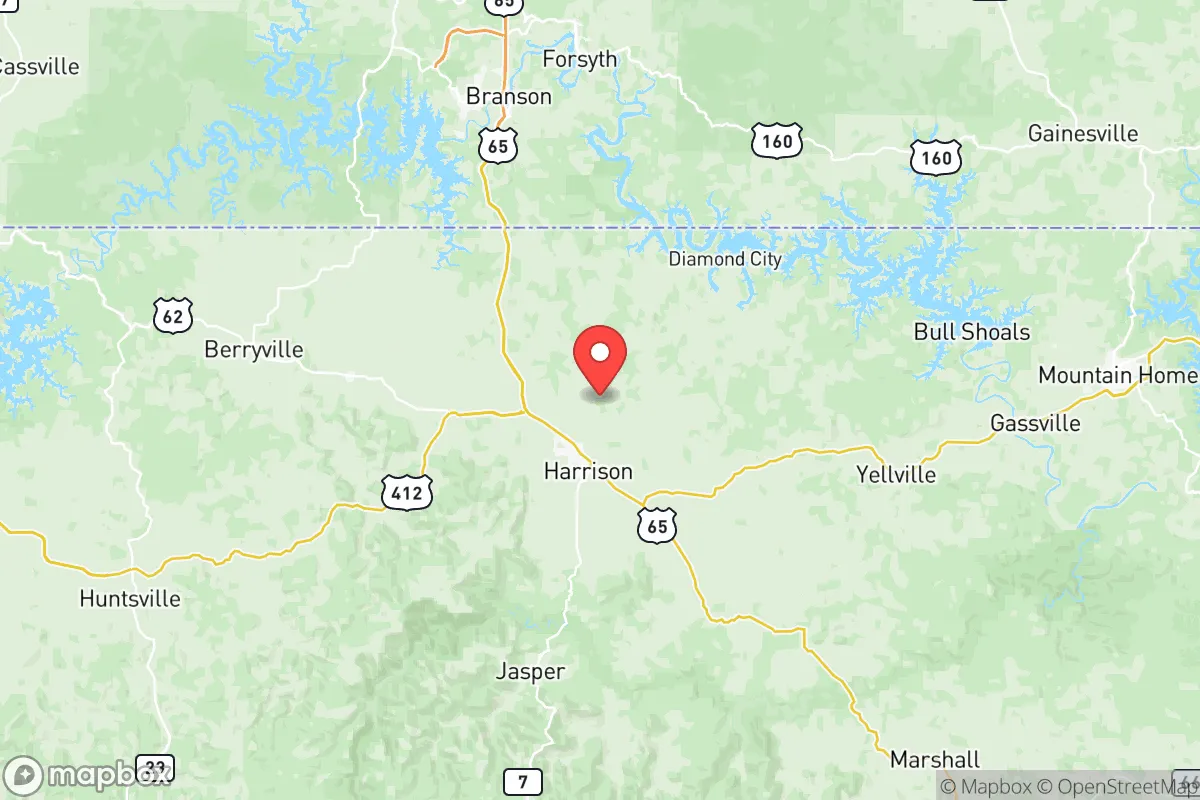
Photo: Wikipedia
Find The Best Places To Live in Boone County
PRO TIP! You can paste a Zillow or Redfin link to get info on that property.
Best Places to Live in Boone County
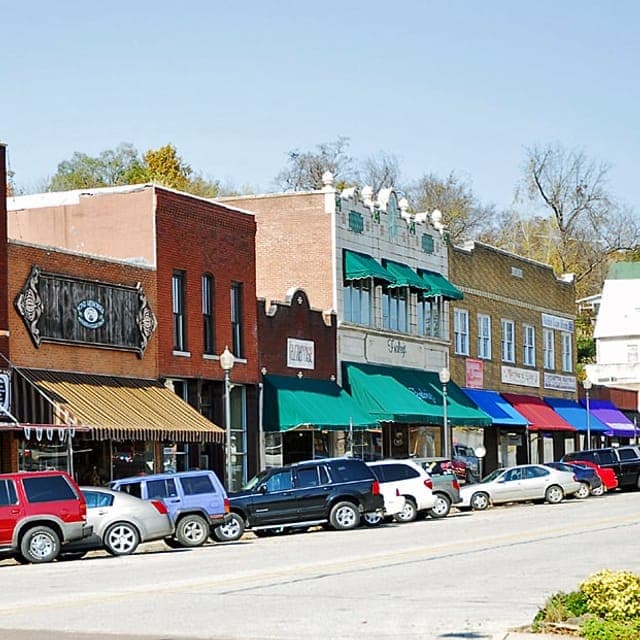
Cities & Towns in Boone County
Cities in Boone County
What It's Like Living in Boone County, AR
Living in Boone County, Arkansas, feels like being part of a place that’s just big enough to have a Walmart and a hospital, but small enough that you still wave at people you know in the checkout line. The county’s anchor is Harrison, the largest city, but the real character comes from the mix of smaller towns like Bergman, Valley Springs, and Lead Hill, plus the rural stretches where your nearest neighbor might be a quarter-mile down the road. It’s a corner of the Ozarks where the pace is slow, the scenery is steep, and most people are here because they want to be left alone—or because they’ve figured out that a median home value of $169,300 buys a lot more house than it does in Fayetteville or Bentonville.
Daily Rhythm in the Ozarks: What People Actually Do
A typical weekday in Boone County starts early. The average commute is just over 19 minutes, which means you can live on a gravel road outside of Valley Springs and still be at your job in Harrison before the coffee gets cold. Many residents work in healthcare, manufacturing, or retail—North Arkansas Regional Medical Center in Harrison is the county’s largest employer, followed by a few local factories and the school districts. The median household income sits at $54,195, which isn’t high by national standards, but with a cost of living index of 61 (nearly 40% below the U.S. average), that paycheck stretches further than you’d expect. People here spend weekends on their own property—mowing, gardening, working on a truck—or heading to Lead Hill to launch a boat on Bull Shoals Lake. Shopping is practical: you hit the Harrison Walmart or the local hardware store, and for anything else, you drive an hour south to Springdale or Fayetteville.
The median age is 41.3, which tells you this isn’t a college town or a retirement enclave—it’s a place where people settle down in their thirties and forties, often to raise kids or run a small business. Only 16.3% of adults hold a bachelor’s degree, so the workforce is heavy on trades and hands-on work. The kind of person who fits in here values self-reliance, doesn’t mind a long driveway, and probably owns at least one firearm and a fishing rod. It’s not a place for someone who needs a craft coffee shop on every corner—there’s one in Harrison, and it’s fine—but it’s ideal if you want space, quiet, and a lower cost of living.
Sports, Community, and Where People Gather
High school sports are the main event. Friday nights in the fall mean driving to Bergman or Valley Springs for a football game, and the stands are packed with parents, grandparents, and local business owners. The Harrison Goblins are the biggest draw in the county, and their games against Berryville or Green Forest are genuine community events. There’s no pro or college team nearby—the nearest Division I action is the University of Arkansas in Fayetteville, about 90 minutes south—but that doesn’t matter much. People here follow the Razorbacks on TV and save their live-event energy for the Boone County Fair in Harrison every August, which has rodeo, livestock shows, and carnival rides that feel unchanged since the 1980s.
Outdoor life is the real entertainment. Bull Shoals Lake and the Buffalo National River are both within 30 minutes of Harrison, and locals spend summer weekends on houseboats, kayaking, or swimming at Lead Hill’s public access points. The Ozark Mountains make for good hiking and deer hunting, and the fall color draws leaf-peepers from the flatlands. For indoor socializing, there are a handful of bars and restaurants in Harrison—try the Ozark Cafe for a burger and pie, or Bubba’s BBQ for pulled pork—but the social scene is mostly church potlucks, family gatherings, and the occasional concert at the Lyric Theater in Harrison, a restored 1920s venue that hosts bluegrass and country acts.
Pros and Cons of Living Here: The Honest Trade-Offs
- Pro: Affordability. A median home value of $169,300 means a family can buy a three-bedroom house on an acre lot for under $200,000. Rent is similarly low—a two-bedroom apartment in Harrison runs around $800–$900.
- Con: Crime is a real concern. The violent crime rate is 523.1 per 100,000, which is roughly double the national average. Most of it is concentrated in Harrison and tied to property crime and drug-related incidents, but it’s something to be aware of if you’re moving from a low-crime suburb.
- Pro: Low traffic and short commutes. You won’t sit in gridlock. Even the busiest stretch of Highway 65 through Harrison clears out after 5:30 PM.
- Con: Limited job diversity. If you’re not in healthcare, manufacturing, or a trade, you’ll likely need to commute to Springdale or Bentonville for white-collar work—that’s a 60- to 90-minute drive each way.
- Pro: Outdoor access. You can be on a lake or river in 20 minutes, and hunting land is plentiful.
- Con: Few entertainment options. There’s no mall, no movie theater (the one in Harrison closed years ago), and no major music venue. For a night out beyond a bar or a church event, you’re driving to Branson, Missouri, or Fayetteville.
The weather follows a four-season rhythm: hot, humid summers (90s with thunderstorms), crisp autumns, cold winters with occasional ice storms, and a brief, muddy spring. Snow is hit-or-miss—maybe two or three accumulations a year. Schools like Bergman High School and Valley Springs High School are central to community identity, with strong FFA programs and sports that draw the whole county. If you’re looking for a place where you can own land, raise kids, and not spend half your income on housing, Boone County delivers—just know that the trade-off is fewer amenities and a higher crime rate than you’d find in the safer corners of northwest Arkansas.

* Values derived from national, state, county, city and local statistics and may differ in a specific area. Last updated: 2026-06-12T18:58:57.000Z
Narrative content on this page is AI-generated and may contain mistakes. Verify any details that matter before acting on them.
ReloMaps may earn a commission from affiliate links at no extra cost to you.

