 Popular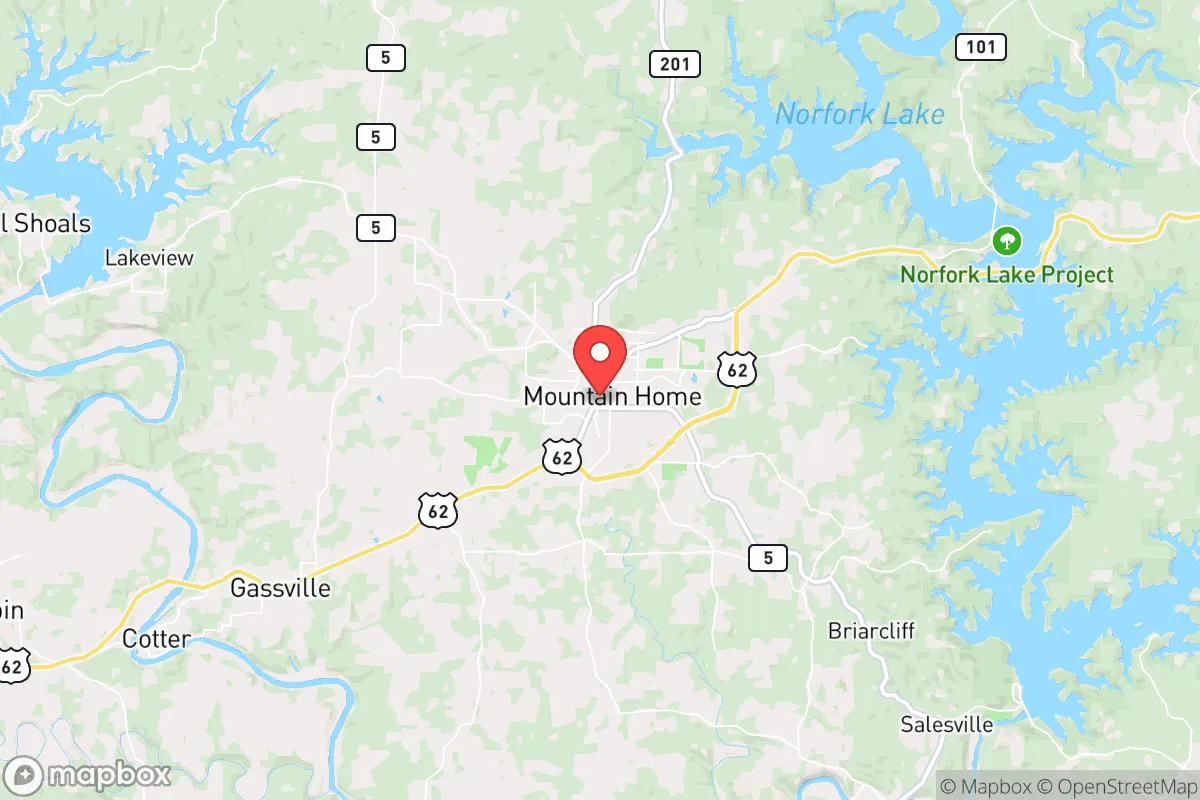
Photo: Wikipedia
Find The Best Places To Live
in Mountain Home
PRO TIP! You can paste a Zillow or Redfin link to get info on that property.
What It's Like Living in Mountain Home, AR
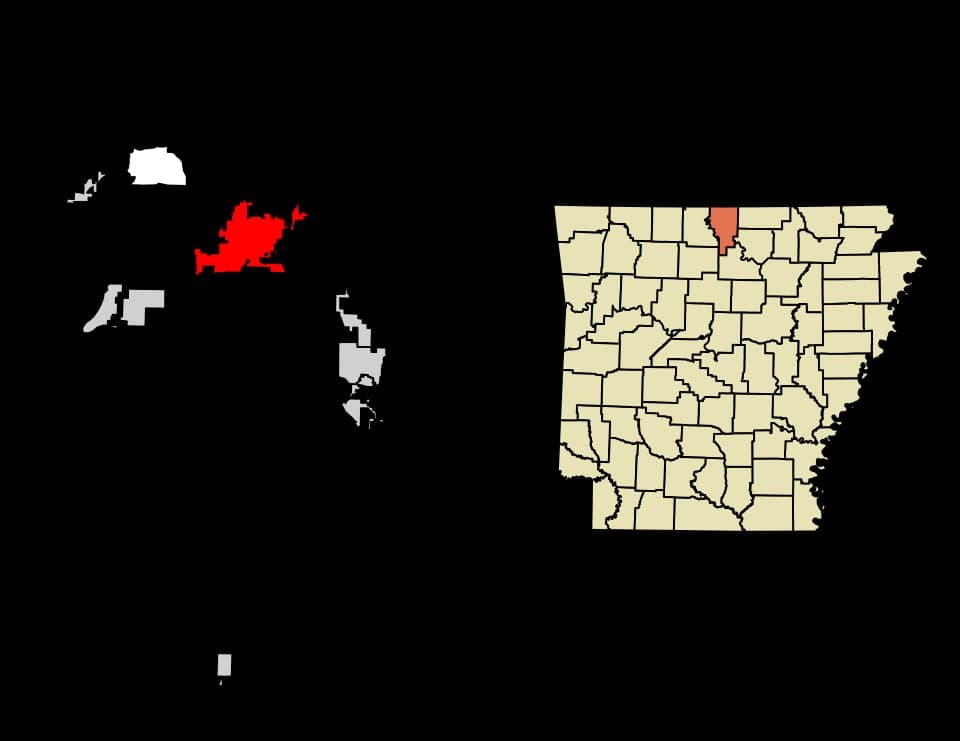
Mountain Home, Arkansas, is one of those places where the pace of life slows down to something you can actually feel—a small town of about 13,000 people that sits squarely in the Ozark Mountains, wrapped around the shores of Norfork Lake. It’s the kind of community where people wave to each other at the grocery store, where the high school football game on Friday night is a genuine social event, and where the biggest decision you might make on a weekend is whether to fish the lake or hike the hills. It’s not for everyone, but for those who fit—often retirees, remote workers, or families looking for a quieter, more affordable life—it feels like a well-kept secret.
The Daily Rhythm: Slow Mornings and Lake Afternoons
Life here moves on its own schedule. Most mornings, you’ll find folks grabbing coffee at The Daily Bean or a breakfast biscuit at Fred’s Fish House (yes, the fish place does breakfast). The main shopping corridor is Highway 62, where you’ll find a Walmart Supercenter, a few local hardware stores, and the occasional antique shop. Weekends are often spent on the water—Norfork Lake and Bull Shoals Lake are both within a 15-minute drive, and they’re the heart of local recreation. Boating, fishing for bass and crappie, and floating in the summer are practically a birthright here. In the cooler months, the Buffalo National River and the Ozark National Forest offer hiking trails that are genuinely uncrowded, even on a Saturday.
The median age is 43, and the median household income sits at $42,103—lower than the national average, but the cost of living index is 67, meaning everyday expenses are about a third cheaper than in most of the country. That math works for a lot of people: you can buy a home for a median of $160,200, which is a fraction of what you’d pay in a coastal city. The trade-off is that jobs are limited—the biggest employers are Baxter Regional Medical Center, the school district, and a few manufacturing plants. If you’re not retired or working remotely, you’ll likely need to be a nurse, a teacher, or a skilled tradesperson to find steady work.
Sports, Community, and the Local Identity
High school sports are a big deal here—Mountain Home High School Bombers football and basketball games draw crowds that fill the stands, and the community rallies around the teams in a way that feels like a throwback to an earlier era. There’s no pro or college team within an hour’s drive, so the Bombers are the main event. The local identity is proudly Ozarkian—people are self-reliant, friendly but not pushy, and they value hard work and neighborliness. You’ll see American flags on porches, trucks with gun racks, and a general sense that people look out for each other. The biggest cultural quirk might be the Mountain Home Bluegrass Festival every September, which brings in musicians from across the region and turns the town square into a pickin’ party. It’s not flashy, but it’s authentic.
For entertainment beyond sports, there’s the Vada Sheid Community Development Center on the Arkansas State University–Mountain Home campus, which hosts concerts, plays, and community events. The local bar scene is modest—Rusty’s Bar & Grill and The Vault are the main spots for a beer and a burger, and they’re more about conversation than a nightclub vibe. If you’re looking for a chain restaurant experience, you’ve got a few options, but most locals prefer the independent spots like Dugan’s Pub or Baxter’s Grill.
What Works, What Doesn’t: The Honest Trade-Offs
Pros: The cost of living is the headline—your money goes a long way here. The outdoor access is world-class, with two major lakes, the Buffalo River, and hundreds of miles of hiking and mountain biking trails. The crime rate is moderate; the violent crime rate is 252.3 per 100,000, which is slightly above the national average but concentrated in specific areas, and most people feel safe walking their neighborhoods at night. The schools—Mountain Home Public Schools—are a point of pride, with a strong focus on community involvement and extracurriculars. Traffic is essentially nonexistent; you can get from one side of town to the other in 10 minutes, even at rush hour.
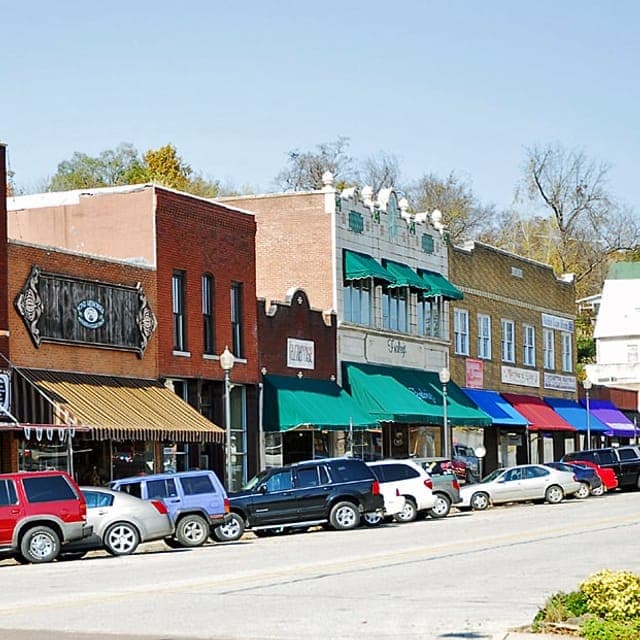
Cons: The job market is thin, and wages are low. Only about 20% of adults have a college degree, which reflects the limited professional opportunities. The weather is a mixed bag—summers are hot and humid, winters are cold but not brutal, and spring brings tornado season (you’ll learn to pay attention to the sirens). The nearest major city is Springfield, Missouri, about 90 minutes away, so if you want a Costco, an airport, or a concert, you’re driving. Some longtime residents grumble that the town lacks a true downtown—most of the commerce is strung along Highway 62, which feels more like a strip than a square. And if you’re under 30 and single, the dating pool is small; this is a place where people tend to marry young or move away.
For the right person—someone who values quiet, affordability, and the outdoors over nightlife and career hustle—Mountain Home is a solid, unpretentious place to put down roots. It’s not trying to be anything it’s not, and that honesty is part of its charm.

Similar towns to Mountain Home
* Values derived from national, state, county, city and local statistics and may differ in a specific area. Last updated: 2026-04-23T02:11:34.000Z
Narrative content on this page is AI-generated and may contain mistakes. Verify any details that matter before acting on them.
ReloMaps may earn a commission from affiliate links at no extra cost to you.

