Photo: Wikipedia
Find The Best Places To Live
in Arlington
PRO TIP! You can paste a Zillow or Redfin link to get info on that property.
What It's Like Living in Arlington, TN
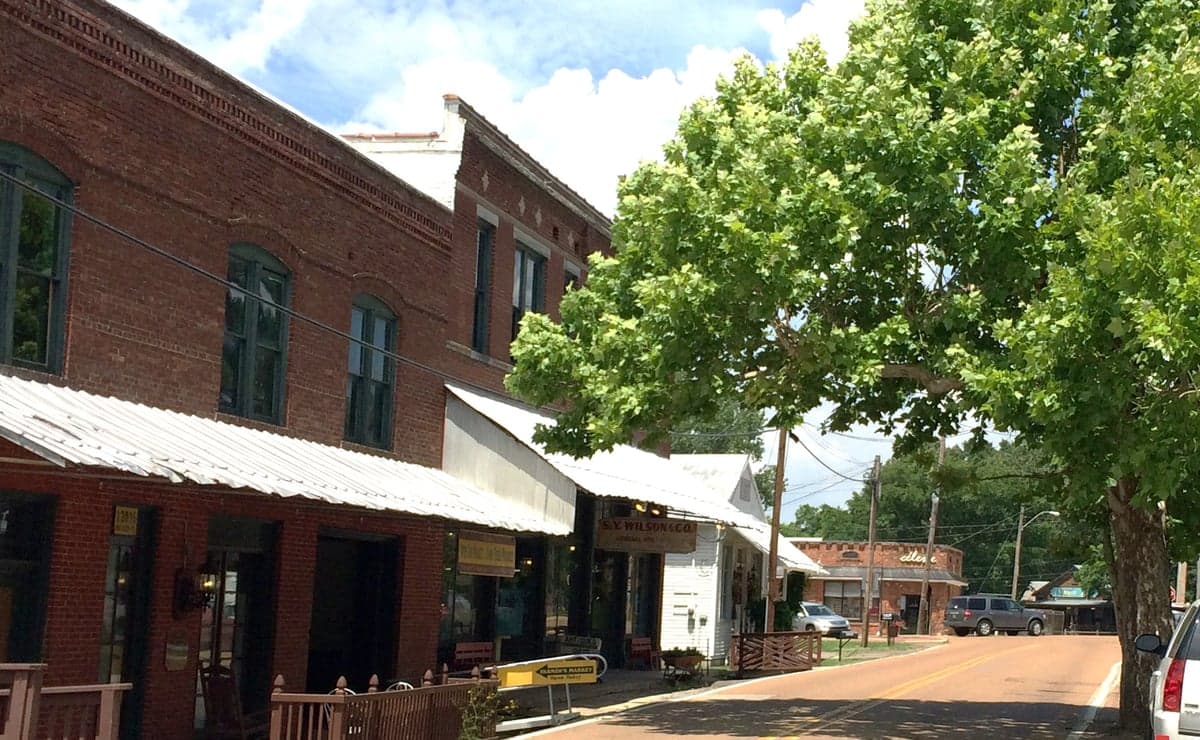
Arlington, Tennessee, feels like a carefully planned small town that grew up fast, where new subdivisions with front porches sit alongside a historic downtown square that still hosts the annual Christmas parade. It’s the kind of place where neighbors wave from golf carts on summer evenings, and the biggest local debate is whether the town’s growth is a blessing or a burden. For families and professionals who want a safe, affluent suburb with strong schools and a conservative tilt, Arlington delivers—but the trade-off is a long commute and a social life that often revolves around school events and church.
The Daily Rhythm: Commutes, Schools, and Weekend Errands
Most Arlington residents live in single-family homes in subdivisions like Belle Meade or Arlington Woods, with median home values around $367,700—high for West Tennessee but reasonable compared to national averages. The median household income of $125,909 supports a lifestyle where both parents often work, and the average commute of nearly 30 minutes is the price of living in a quiet bubble while working in Memphis or its suburbs. People spend weekends at the Arlington Farmers Market on the square, grabbing coffee at Muddy’s Bake Shop (a local favorite), or driving 15 minutes to Wolf River Boulevard for big-box shopping. The town’s median age of 35.2 reflects a population heavy on young families, so you’ll see minivans and SUVs everywhere, and the Arlington Community Center is packed with youth soccer and swim lessons.
Sports, Schools, and Community Identity
High school football is the closest thing Arlington has to a civic religion. Arlington High School’s Tigers draw big crowds on Friday nights, and the rivalry with nearby Bartlett is genuine—expect friendly trash talk at the Arlington Bar & Grill on game days. The town doesn’t have pro sports, but many residents are Memphis Grizzlies or Tennessee Volunteers fans, and you’ll see orange on Saturdays in fall. The schools themselves are a major draw: Arlington Community Schools consistently rank among the best in Shelby County, with a 50.1% college-educated population backing up the emphasis on academics. That said, the schools are also a pressure cooker—parents are deeply involved, and PTA meetings can feel like competitive social events.
What’s There to Do: Festivals, Parks, and Local Hangouts
Entertainment is low-key but intentional. The Arlington Music Festival in September brings local bands and food trucks to the square, and the Christmas on the Square event is a genuine community highlight—hayrides, hot cocoa, and Santa. Outdoor life centers on W.E. “Bill” Morris Park, which has walking trails, baseball fields, and a splash pad that’s packed in summer. For a night out, locals head to The Grove Grill for upscale Southern comfort food or Memphis Pizza Cafe for a casual dinner. The bar scene is thin: Arlington Bar & Grill is the main sports bar, and Ghost River Brewing in Memphis is a 20-minute drive for craft beer. If you want live music or a club, you’re going to Memphis—and most residents are fine with that.
Pros and Cons of Living Here
- Pro: Safety and community feel. Violent crime is a real concern at 490.5 per 100,000—higher than the national average—but most of it is concentrated outside Arlington’s borders. Inside town, residents feel safe walking at night and letting kids play outside.
- Con: The commute and cost. The cost of living index of 158 (58% above the US average) is driven by housing and car dependency. You’ll spend $60–$80 a week on gas if you work in Memphis, and there’s no public transit.
- Pro: Strong schools and family networks. If you have kids, the schools are a clear draw, and the community is built around family-friendly events.
- Con: Limited nightlife and dining. After 9 p.m., the town is quiet. Single people or couples without kids may feel bored—most socializing happens through church, school, or neighborhood gatherings.
- Pro: Conservative values and neighborly culture. The town leans Republican, and you’ll see American flags on porches and “Support Our Troops” signs. It’s a place where people still bring casseroles to new neighbors.
Cultural Quirks and Practical Realities
One quirk: Arlington has a “no billboards” ordinance that keeps the main roads looking clean, which residents love. Another is the Arlington Antebellum Home & Garden Tour every spring—a nod to the town’s history as a railroad stop. Weather-wise, summers are hot and humid (90°F+ with high humidity), and winters are mild but can bring ice storms that shut down schools for days. Tornado season (March–May) is taken seriously; most homes have storm shelters or safe rooms. Traffic on Highway 70 (the main drag) backs up during school drop-off and pickup, but it’s nothing like Memphis gridlock. For the right person—someone who values safety, schools, and a predictable routine—Arlington feels like a smart, stable choice. For someone craving urban energy or cultural diversity, it might feel too quiet.

Similar towns to Arlington
* Values derived from national, state, county, city and local statistics and may differ in a specific area. Last updated: 2026-04-21T10:11:30.000Z
Narrative content on this page is AI-generated and may contain mistakes. Verify any details that matter before acting on them.
ReloMaps may earn a commission from affiliate links at no extra cost to you.

