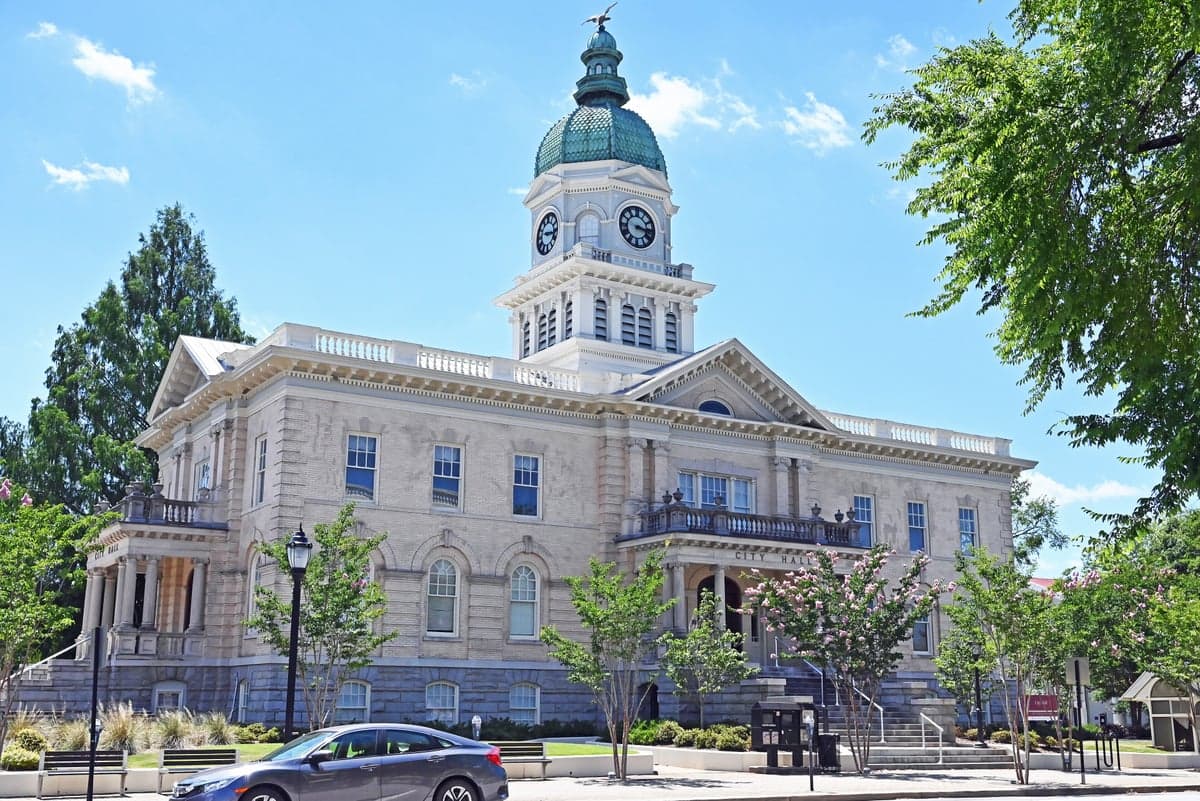
Photo: Wikipedia
Quality of Life in Athens, GA
Above-average quality of iife. The area offers a reasonable cost of living, decent mobility, and a mix of neighborhood amenities.
What does Quality of Life tell us?
Quality of Life blends cost of living, nearby amenities, socioeconomic signals, and neighborhood character. City-level scores represent the whole municipality; individual neighborhoods can differ.
What does this tell us?
Quality of Life blends cost of living, nearby amenities, socioeconomic signals, and neighborhood character. City-level scores represent the whole municipality; individual neighborhoods can differ.
Cost of Living
1% below national average
The Real Cost of Living in Athens, GA for 2026
| Tier | Individual | Family (4) |
|---|---|---|
| Survival | $19k | $35k |
| Comfortable | $53k | $78k |
| Luxury | $93k+ | $145k+ |
| Elite (Top 5%) | $132k+ | $205k+ |
67%
The Area Signal
A metric tracking the socioeconomic signals of the area.
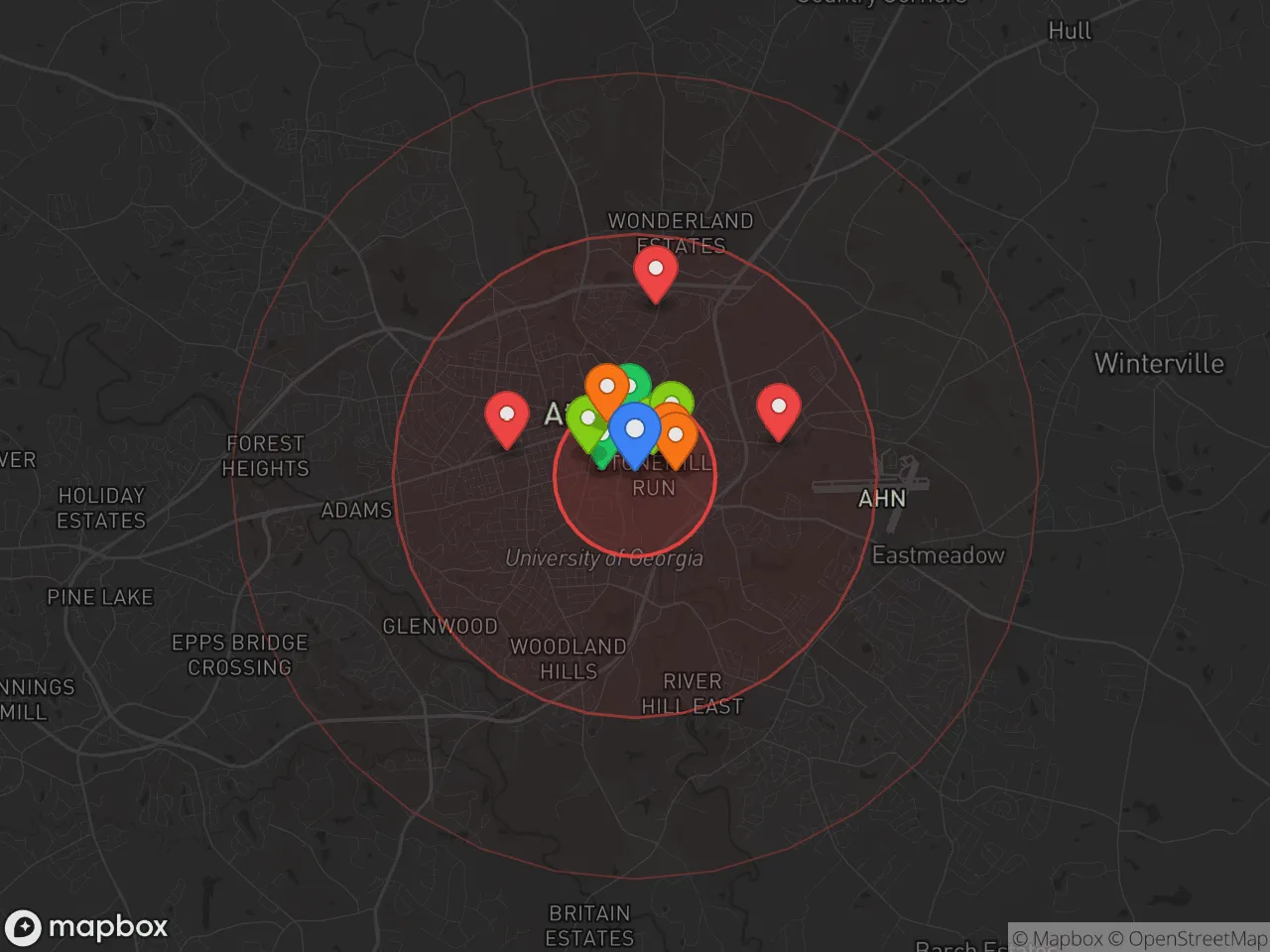
Hobbies
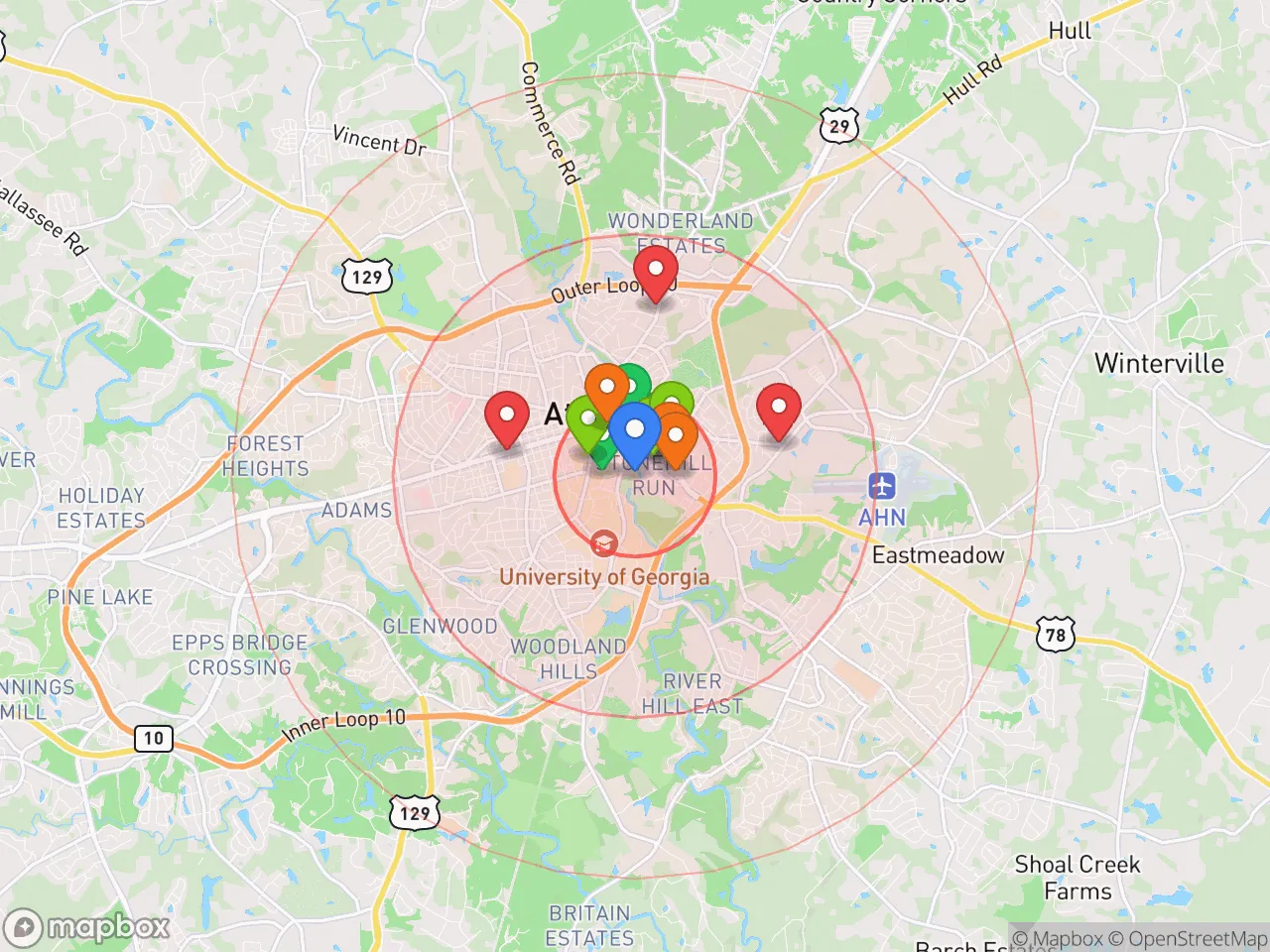
Explore the areaGroceries
7 within 10 miles
Gas
20 within 10 miles
Hospital
5 within 20 miles
Airport
ATL — Hartsfield–Jackson Atlanta International
Post Office
USPS — Athens, GA
Critical Amenities
Quality-of-Life Analysis
Athens, Georgia, presents a quality-of-life profile that blends college-town energy with a cost structure slightly below the national average, attracting a diverse mix of University of Georgia students, faculty, creative professionals, and young families. The city’s overall cost of living index sits at 99 (where 100 equals the U.S. average), making it more affordable than metro Atlanta while offering a distinctly different cultural and economic rhythm. The population skews younger and more educated than the state average, driven by the university’s 40,000+ enrollment, but also includes a growing cohort of remote workers and retirees drawn to the walkable downtown and music scene.
Cost of living, housing affordability, and how Athens compares to Atlanta and surrounding counties
Housing in Athens remains a relative bargain compared to Atlanta’s core, though prices have risen steadily since 2020. The median home value is $271,800, roughly 15% below the national median and about 30% lower than Atlanta’s median. Median rent sits at $1,162, which is notably lower than the national median of $1,400 and far below Atlanta’s average of $1,700. However, inventory is tight in desirable neighborhoods like Five Points and Normaltown, where older bungalows and craftsman homes command premiums. The average one-way commute is 20.7 minutes, significantly shorter than Atlanta’s 30-minute average, a practical advantage for residents working at the university or local employers like Caterpillar and St. Mary’s Health Care System. Property taxes in Clarke County are moderate, though buyers should note that the county’s school system receives mixed ratings compared to neighboring Oconee County, which has higher home prices but top-ranked schools.
What daily life is like for families, students, and professionals: amenities, schools, and local rhythm
Daily life in Athens revolves around the university calendar, with a palpable shift between the bustling fall and spring semesters and quieter summers. The Clarke County School District operates 21 schools, with Clarke Central and Cedar Shoals high schools offering International Baccalaureate programs, though overall test scores lag behind state averages. For families, the Athens-Clarke County Library system and the State Botanical Garden of Georgia provide free, high-quality recreational options. The city’s live music scene—anchored by the Georgia Theatre and the 40 Watt Club—punctuates weeknights and weekends, while the North Oconee River Greenway offers a 3.5-mile paved trail for running and cycling. Grocery access is strong, with a mix of national chains and local markets like the Athens Farmers Market (Saturdays year-round). Restaurants and bars cluster downtown and along Prince Avenue, with a notable concentration of farm-to-table and international cuisine options that reflect the university’s diverse student body.
Athens is best suited for individuals and families who value cultural vibrancy, walkability, and a slower pace than Atlanta but still want access to a major airport (about 90 minutes via I-85). The low commute time and below-average housing costs make it particularly attractive for remote workers and early-career professionals. Retirees may find the noise and student traffic around campus frustrating, but quieter neighborhoods like Cobbham and Boulevard offer historic homes and mature tree canopies. Those seeking top-tier public schools or a more suburban, car-dependent lifestyle will likely prefer Oconee County or the Madison area. For anyone who prioritizes live music, a strong sense of community, and a cost structure that leaves room for savings, Athens delivers a quality of life that punches above its price point.

Crime in Athens, GA
Generally safer than 61% of comparable U.S. locations.
Violent CrimeViolent Crime Analysis
Property CrimeProperty Crime Analysis
Crime Analysis
Athens, Georgia, presents a crime picture that demands careful consideration, particularly for those relocating from safer suburban or rural environments. The city's violent crime rate stands at 253 incidents per 100,000 residents, while property crime reaches 1,189.7 per 100,000. These figures place Athens above both state and national averages, a reality shaped in part by its status as a college town and the broader challenges of a metro area influenced by progressive judicial policies.
Crime in context
Athens' violent crime rate of 253 per 100,000 is notably higher than the Georgia state average of roughly 380 per 100,000 and the national average of about 380 per 100,000. However, the property crime rate of 1,189.7 per 100,000 significantly exceeds the national average of approximately 1,954 per 100,000. This disparity is partly attributable to the city's location within a large metro area (Atlanta) and the presence of a liberal-leaning judiciary in Clarke County. Progressive district attorneys and judges, while often sympathetic to offender rehabilitation, have been associated with reduced incarceration rates and shorter sentences. This approach can lead to more repeat offenders on the streets, directly impacting public safety and victim justice. The combination of a transient student population and a justice system that prioritizes diversion over detention creates an environment where property crime, in particular, can flourish.
What residents experience
Daily life in Athens involves navigating a higher-than-average risk of property crime, including theft, burglary, and vehicle break-ins, especially near the University of Georgia campus and downtown entertainment districts. Violent crime, while less frequent, is concentrated in specific areas and often linked to disputes or drug activity. Residents report that car break-ins and package thefts are common nuisances, requiring constant vigilance. The progressive judicial philosophy in Clarke County means that many property offenders face minimal consequences, with cases frequently diverted to treatment or probation rather than jail time. This pattern frustrates victims and emboldens criminals, as the perceived risk of meaningful punishment is low. For families and professionals, this translates into a need for proactive security measures—gated parking, security cameras, and neighborhood watch programs—that are less necessary in more conservative jurisdictions.
Neighborhood-level variation is significant. Areas like Five Points and Boulevard tend to have lower crime rates due to higher property values and active community policing. In contrast, parts of East Athens and the area around the Georgia Square Mall experience elevated crime, particularly property offenses. Prospective residents should research specific neighborhoods and consider that the city's overall crime data masks pockets of relative safety and risk. The influence of progressive prosecutors means that even in safer neighborhoods, the broader environment of leniency can erode confidence in the justice system, making Athens a location where personal safety requires constant attention.
* Values derived from national, state, county, city and local statistics and may differ in a specific area. Last updated: 2026-04-30T03:18:30.000Z
Narrative content on this page is AI-generated and may contain mistakes. Verify any details that matter before acting on them.
ReloMaps may earn a commission from affiliate links at no extra cost to you.

