 Popular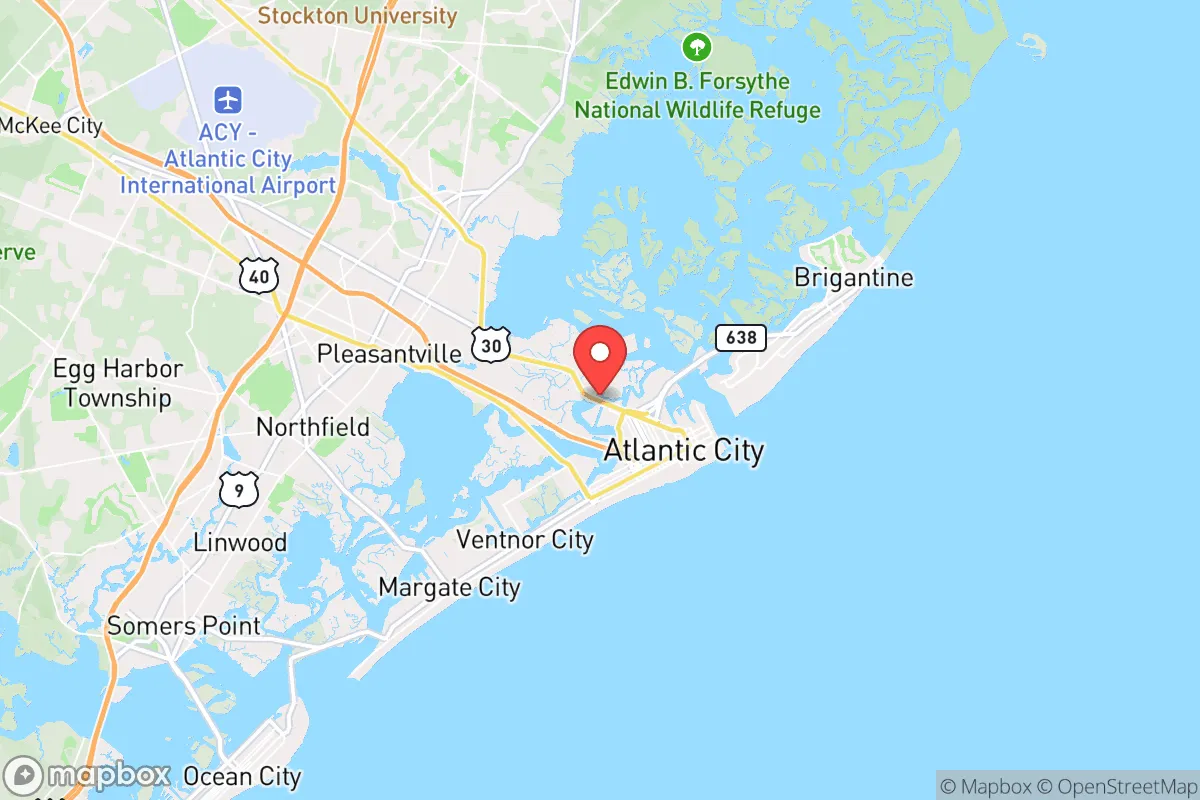
Photo: Wikipedia
Find The Best Places To Live
in Atlantic City
PRO TIP! You can paste a Zillow or Redfin link to get info on that property.
What It's Like Living in Atlantic City, NJ
Living in Atlantic City is a study in contrasts—you’re never more than a few blocks from the neon hum of the Boardwalk, yet most of the 38,486 residents live in quiet residential neighborhoods where the biggest weekend decision is whether to grab a slice at Tony’s Baltimore Grill or hit the beach before the summer crowds arrive. The median age here is 37.8, which means the city skews slightly older than a typical college town, but it’s not a retirement community either. What you get is a place where the casino industry dominates the economy, but the people who actually live here year-round have carved out a surprisingly tight-knit, working-class life that feels a world away from the tourist zone.
The Daily Rhythm: Boardwalk, Backstreets, and the Commute
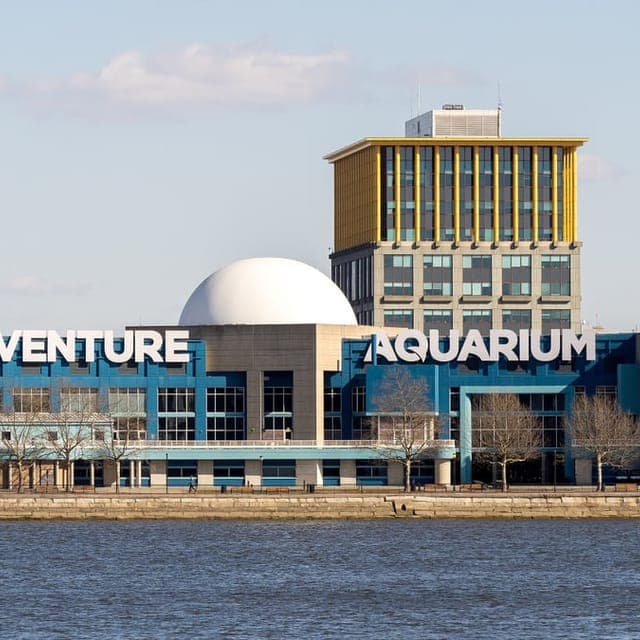
For most locals, daily life doesn’t revolve around the casinos. People shop at the Acme on Baltic Avenue or the ShopRite in the Marina District, grab coffee at the local Dunkin’ or the indie spot Back Bay Coffee on Atlantic Avenue, and spend weekends at Gardner’s Basin—a working waterfront with a small aquarium, a fishing pier, and the Back Bay Ale House, where the crab cakes are a point of local pride. The average commute is about 24 minutes, which is manageable, but traffic on the Atlantic City Expressway can back up badly on summer Fridays and during major Boardwalk events. Many residents work in the casinos, in healthcare at AtlantiCare Regional Medical Center, or in the growing number of back-office and tech jobs that have moved into the city’s former retail spaces. The median household income is $36,220, which is low by national standards, and that reality shapes a lot of daily decisions—eating out is usually a treat, not a routine.
Sports, Nightlife, and the Local Identity
Atlantic City doesn’t have a major pro sports team of its own, but that doesn’t mean sports culture is absent. High school football is a genuine community anchor—Atlantic City High School’s Vikings draw real crowds on Friday nights, and the games at the historic Bader Field (now a redevelopment site) were a rite of passage for generations. For pro sports, locals are split between Philadelphia and New York allegiances, with Eagles and Phillies flags flying from porches in the Chelsea and Venice Park neighborhoods. The city’s entertainment scene is dominated by the casinos—Borgata, Hard Rock, and Ocean Casino host everything from A-list concerts to boxing matches—but the real local haunts are places like The Irish Pub on St. James Place, a no-frills bar that’s been pouring since 1947, or Ducktown Tavern in the Ducktown neighborhood, where the Italian beef sandwiches are a local institution. The annual Atlantic City Airshow in August and the Boardwalk Con (a massive pop culture convention) bring in crowds that locals either love or avoid entirely.
What’s There to Do: Beaches, Boardwalk, and the Quirks of a Resort Town
The biggest outdoor draw is the beach itself—free and open to the public, with a wide, flat shoreline that’s great for walking or just sitting. The Boardwalk stretches 4 miles, but locals tend to avoid the tourist-heavy stretch near the Tropicana and Caesars in favor of the quieter northern end near Gardner’s Basin or the southern end near Ventnor. Absecon Lighthouse, the state’s tallest, offers a 228-step climb with a view that’s worth the effort. For green space, O’Donnell Park in the Ducktown neighborhood has a playground and basketball courts, and the Atlantic City Reservoir is a surprising spot for a quiet walk. The cultural quirk that defines Atlantic City is its dual identity: it’s a place that markets itself as a nonstop party, but the year-round residents are deeply practical, often skeptical of the casino industry’s promises, and fiercely proud of the city’s history as a beachfront community that predates the gambling era. You’ll hear locals refer to “AC” with a mix of affection and frustration—they love the ocean, the diversity, and the fact that you can still buy a home for a median price of $189,600, but they’re tired of the crime headlines and the seasonal roller coaster.
Pros and Cons of Living Here
- Pro: Affordability. The cost of living index is 83, well below the national average. A home that would cost $400,000 in a Philly suburb can be had for half that here, though the housing stock is older and often needs work.
- Con: Crime is a real concern. The violent crime rate of 1,498.9 per 100,000 is roughly four times the national average. Most incidents are concentrated in specific blocks near the tourist corridor, but it’s a fact that shapes where people choose to live and how they move around after dark.
- Pro: Beach access and entertainment. You can walk to the ocean, see a major concert, and eat world-class seafood without ever getting in a car. Summer weekends feel like a vacation even if you’re not a tourist.
- Con: Seasonal economy and limited career options. The job market is heavily tilted toward hospitality and gaming. Only 20.5% of adults hold a college degree, and white-collar jobs are scarce unless you work in healthcare or for the city government.
- Pro: A genuine sense of community. The neighborhoods—Chelsea, Venice Park, Ducktown—have block parties, volunteer fire companies, and a “everyone knows everyone” feel that’s rare in a city this size.
- Con: Weather and seasonal rhythm. Winters are cold and windy, and the city empties out after Labor Day. Many restaurants and shops reduce hours or close entirely from November through March, which can feel isolating.

Similar towns to Atlantic City

* Values derived from national, state, county, city and local statistics and may differ in a specific area. Last updated: 2026-04-30T01:25:51.000Z
Narrative content on this page is AI-generated and may contain mistakes. Verify any details that matter before acting on them.
ReloMaps may earn a commission from affiliate links at no extra cost to you.

