 Popular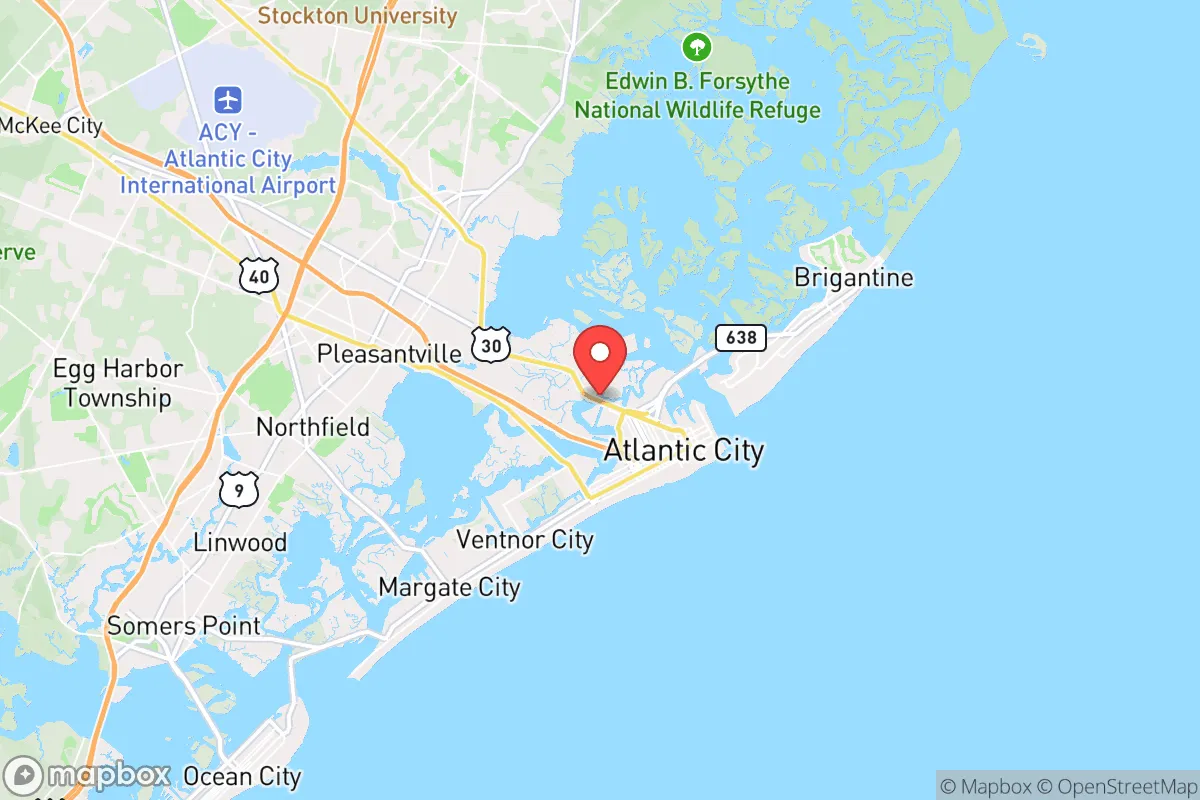
Photo: Wikipedia
Political ClimatePolitical Climate in Atlantic City, NJ
District shown is the primary district for this city’s centroid. Cities may span multiple districts.
Local Political AnalysisPolitical Analysis of Atlantic City, NJ
Atlantic City has always been a bit of an odd duck politically, and if you’ve lived here as long as I have, you’ve seen the pendulum swing. The city itself leans reliably Democratic in local elections, but the surrounding area tells a different story. The Cook PVI for the region is R+5, meaning the broader district is actually more Republican-leaning than the nation as a whole. That split creates a real tension: you’ve got the casino-driven, union-heavy city voting blue, while the working-class suburbs and rural parts of Atlantic County—places like Egg Harbor Township, Hammonton, and Galloway—tend to vote red. Over the last decade, I’ve watched the national progressive agenda creep into local policy, and it’s got a lot of us worried about where things are headed.
How it compares
If you drive just 15 minutes west to Hammonton, you’ll find a town that feels like a different world politically—more small-business owners, more hunters, more people who just want the government to stay out of their lives. Same goes for the shore towns to the south, like Brigantine and Ventnor, which lean more conservative than the city proper. The contrast is stark: Atlantic City’s city council has been pushing things like sanctuary city policies and higher minimum wages for casino workers, while the county commissioners are often fighting to keep taxes low and property rights intact. It’s a constant tug-of-war. The R+5 rating isn’t just a number—it reflects a region that’s skeptical of the kind of top-down mandates you see coming out of Trenton. People here remember when the city was run more by local common sense than by outside political pressure, and they’re not thrilled with the shift.
What this means for residents
For the average person living here, the political climate directly affects your wallet and your freedoms. The push for progressive policies—like stricter zoning laws, higher business taxes, and more regulation on short-term rentals—has made it harder for small landlords and family-owned shops to survive. I’ve seen friends sell their properties because they couldn’t keep up with the new fees and red tape. Meanwhile, the county’s conservative lean means there’s still a fight to keep school boards focused on education rather than social agendas, and to keep law enforcement funded and independent. If you value the right to run your own business without a dozen new permits, or the right to speak your mind without being labeled, you’ll find more allies in the surrounding towns than in the city hall. The long-term trend is concerning: as more state and federal money flows into Atlantic City for “revitalization,” it often comes with strings attached that push a progressive vision many locals didn’t vote for.
One cultural distinction that stands out is the strong union presence in the casinos—it’s a powerful force that often aligns with Democratic candidates, but even within those unions, you’ll find plenty of members who are socially conservative and just want to protect their pensions. That’s the real Atlantic City: a place where a casino dealer might vote for a Republican sheriff because he trusts him on crime, even if his union endorses the Democrat. The policy battles here are real—over property taxes, over school curriculum, over how much say the state should have in local affairs. If you’re looking for a place where government keeps its nose out of your business, you’ll want to live in the suburbs or rural parts of the county, not in the city itself. The next few years will tell us whether the R+5 district can hold the line against the progressive tide coming from Trenton.

State Political ClimatePolitical Climate in New Jersey
State Political AnalysisPolitical Environment in the State
New Jersey has long been one of the most reliably Democratic states in the nation, but don't let the blue label fool you—it's a complicated place politically. The state hasn't voted for a Republican for president since George H.W. Bush in 1988, and Democrats control both legislative chambers and the governor's office as of 2026. But beneath that surface, the state is a patchwork of deep-blue urban machines, purple suburbs that have shifted left in recent cycles, and surprisingly conservative rural and coastal pockets that feel like a different country. Over the past 20 years, the overall trajectory has been a slow but steady march leftward, driven by demographic change and the exodus of moderate Republicans from the suburbs.
Urban vs. rural divide
The political map of New Jersey is a tale of two worlds. The state's massive Democratic majorities come almost entirely from the northeastern corridor—Newark, Jersey City, Paterson, and Elizabeth—where machine politics and union density produce margins of 70-80% for Democrats. Hudson County, home to Jersey City, is the bluest county in the state, routinely delivering 75%+ for Democratic candidates. Meanwhile, the suburbs of Montclair, Maplewood, and South Orange in Essex County have become progressive strongholds, with residents pushing for higher taxes and stricter gun laws. On the flip side, the rural northwest and the Jersey Shore are where Republicans still hold ground. Sussex County is the reddest county in the state, voting +20 points for Trump in 2020, and Ocean County (home to Toms River and Lakewood) is a reliable GOP bastion thanks to a mix of retirees, veterans, and Orthodox Jewish voters who lean conservative on social issues. The divide is stark: drive 30 minutes west from Newark and you're in Hunterdon County, where horse farms and small towns vote Republican by double digits, but their votes are swamped by the urban core.
Policy environment
If you're coming from a low-tax state, brace yourself. New Jersey has the highest property taxes in the nation—the average effective rate hovers around 2.23% of home value, meaning a $400,000 home costs nearly $9,000 a year in property tax alone. The state income tax tops out at 10.75% for income over $1 million, and the sales tax is 6.625%. The regulatory environment is among the most burdensome in the country, with strict environmental rules, a powerful state bureaucracy, and a Public Question 2 (2024) that enshrined a right to abortion in the state constitution. Education policy is dominated by the teachers' union—the New Jersey Education Association (NJEA) is arguably the most powerful political force in the state, and it successfully fought off school choice expansion and charter school growth for years. Healthcare is heavily regulated, with the state running its own health insurance exchange (Get Covered NJ) and expanding Medicaid under the Affordable Care Act. Election laws are among the most liberal: no-excuse mail-in voting was made permanent in 2020, and same-day voter registration is allowed. For a conservative, the policy environment feels like a one-party state where the levers of power are firmly in progressive hands.
Trajectory & freedom
Over the past five years, New Jersey has become less free by almost any measure. The state passed a sweeping gun control package in 2022 (the "Gun Safety Act") that banned carrying firearms in sensitive places like parks, libraries, and public transit, and required liability insurance for gun owners—a law that was partially blocked by federal courts but remains in effect in many areas. On parental rights, the state passed a law in 2024 that prohibits school districts from notifying parents if a child changes their gender identity or pronouns, a direct blow to parental authority. The New Jersey Family First Act (2023) expanded the definition of child abuse to include "gender-affirming care" denial, effectively making it illegal for parents to refuse such treatments for their children. On speech, the state has considered but not yet passed a "disinformation" bill that would regulate online content, though local school boards have increasingly restricted library books and curriculum. Property rights are under pressure from a statewide rent control push in 2025 that failed in the legislature but remains a live issue in cities like Newark and Jersey City. The trajectory is clear: more regulation, less parental autonomy, and a shrinking sphere of personal freedom.
Civil unrest & political movements
New Jersey has seen its share of political flashpoints. In 2020, Black Lives Matter protests in Newark, Trenton, and Camden turned violent, with looting and property damage, though the state's Democratic leadership largely declined to prosecute rioters. The Parents' Rights movement has been active in suburbs like Marlboro and Freehold, where school board meetings have erupted over critical race theory and LGBTQ curriculum. The state is a sanctuary state—the 2018 "Immigrant Trust Directive" prohibits state and local law enforcement from cooperating with ICE detainers, and Governor Phil Murphy has repeatedly blocked federal immigration enforcement. In 2024, a pro-Palestinian encampment at Rutgers University in New Brunswick drew national attention, with administrators eventually negotiating a settlement that included academic concessions. On the right, the New Jersey Republican Party has been fractured between establishment moderates and a growing MAGA wing, with the latter gaining ground in Ocean and Sussex counties. Election integrity remains a hot-button issue: the state's widespread mail-in voting system has led to allegations of fraud, though no major cases have been proven. A new resident would notice that political activism is loud and visible, especially in the suburbs, where both sides are organized and vocal.
Projection
Looking ahead 5-10 years, the trend is not encouraging for conservatives. Demographic shifts are accelerating: the state's white population is declining, while Hispanic and Asian populations are growing, and both groups have voted increasingly Democratic in recent cycles. The exodus of Republicans to Florida, Texas, and the Carolinas continues—New Jersey lost 100,000 residents to other states between 2020 and 2024, and most of those leavers were higher-income, conservative-leaning households. The state's Democratic supermajority in the legislature is likely to persist, and the next governor (2025 election) will almost certainly be a Democrat, given the party's registration advantage of nearly 1 million voters. Expect more progressive policies: a statewide rent control law is likely within five years, a public option for health insurance is being discussed, and a wealth tax on high-income earners is on the table. The only wild card is the growing Orthodox Jewish community in Lakewood and surrounding Ocean County, which votes reliably Republican and could shift a few legislative seats over time, but not enough to flip the state. For a conservative moving in now, the next decade will feel like living in a blue state that's getting bluer.
Bottom line for a new resident: New Jersey offers proximity to New York and Philadelphia, excellent schools in certain suburbs, and beautiful coastline, but you'll pay dearly for it in taxes and personal freedom. If you value low taxes, gun rights, parental authority in education, and a limited government, this state will be a constant frustration. The political climate is hostile to conservative values, and the trajectory is toward more regulation and less individual autonomy. If you're moving here for a job or family, pick a red pocket like Sussex County or Ocean County to minimize the culture shock, but understand that state-level policies will still affect your daily life. It's a beautiful place to live if you can afford it and don't mind the government being deeply involved in your choices—but for a conservative, it's a tough sell.
* Values derived from national, state, county, city and local statistics and may differ in a specific area. Last updated: 2026-04-30T01:25:51.000Z
Narrative content on this page is AI-generated and may contain mistakes. Verify any details that matter before acting on them.
ReloMaps may earn a commission from affiliate links at no extra cost to you.

