 Popular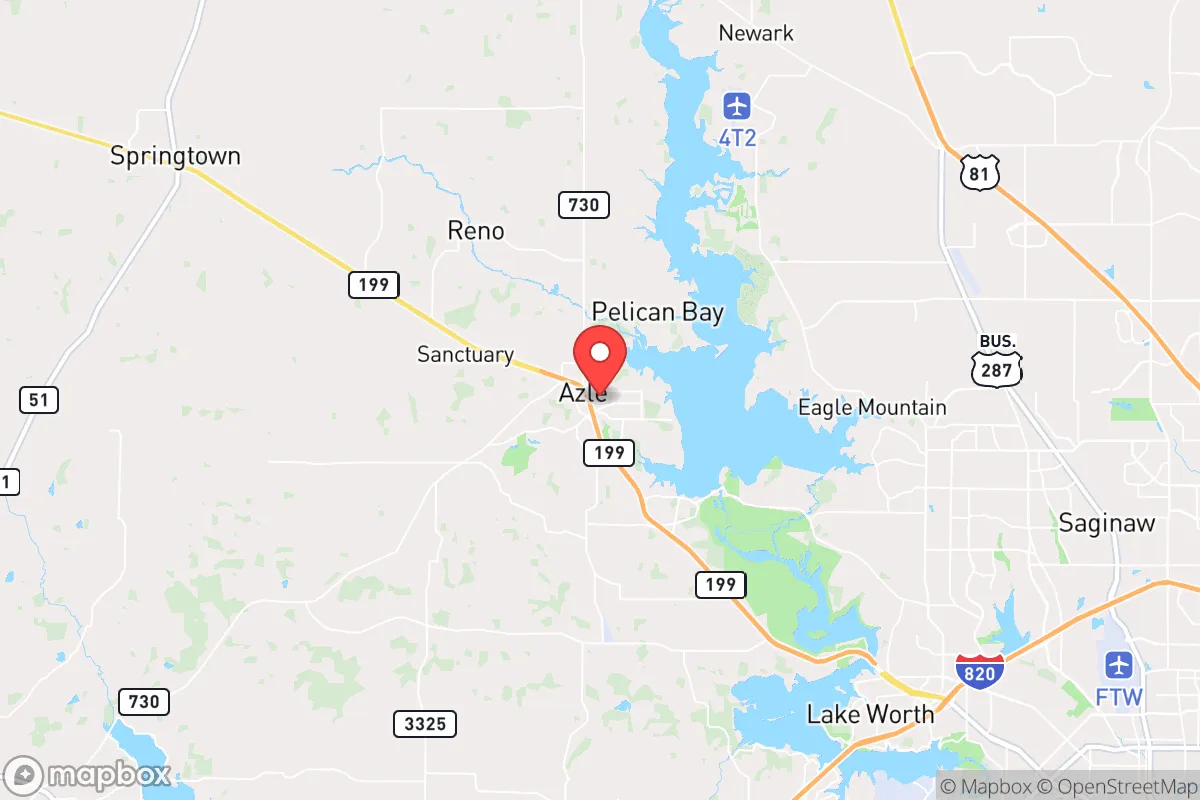
Strategic Assessment of Azle, TX
Multiple tactical vulnerabilities. Population density, target proximity, or disaster risk are likely compounding. A retreat property and exit planning is required.
What does the Strategic Assessment tell us?
Our Strategic Assessment grades tactical survivability of an area. Major population centers, military targets, fallout zones, natural disasters, and border exposure all drive risk — lower exposure means a more defensible position in a crisis.
This is heavily inspired by Joel Skousen's Strategic Relocation book. Highly recommended you checkout the book ($)What does this tell us?
Our Strategic Assessment grades tactical survivability of an area. Major population centers, military targets, fallout zones, natural disasters, and border exposure all drive risk — lower exposure means a more defensible position in a crisis.
This is heavily inspired by Joel Skousen's Strategic Relocation book. Highly recommended you checkout the book ($)Strategic Pillars

Key Distances
Regional Safe Places
Below is our recommended "safe zones" in Texas and the surrounding area based on our strategic heuristics. For most people, it's unrealistic to live in a “safe zone” full-time due to work, family or other personal reasons. They tend to be more rural. However, many of these areas are perfect for second homes and retreat properties that double as a vacation home or even a short-term rental.

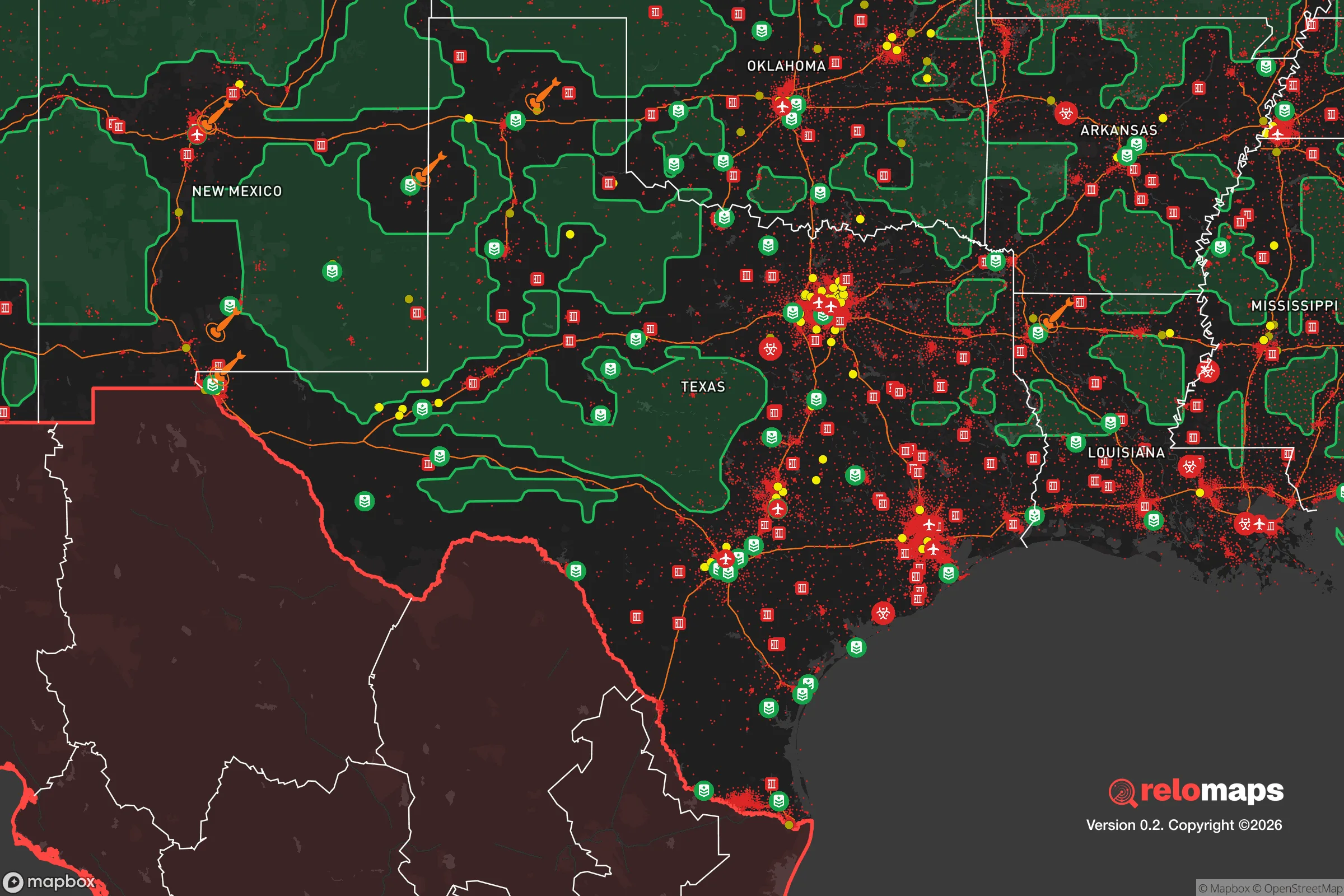


Important Note: For informational purposes only. This does not mean nothing bad ever happens in the green zones. Please use common sense. This is based on public data and modeled with AI. We tried to take a conservative approach but mistakes happen. We update this regularly as new information becomes available.
Solar Generator Recommendations
Backup power matters more here than in safer locations. We've picked three solar generators across budgets and capacity tiers — start with the budget unit if you only need a few essentials, or step up if you want to run a fridge and HVAC for days at a time.

Jackery Portable Power Station Explorer 300
Budget OptionPower on the Go: Weighing only 11 lbs, it's convenient to set up and store with book-sized foldable solar panels

BLUETTI Portable Power Station AC180
Designed for both indoor and outdoor scenarios, AC180 is highly capable as it has a robost capacity and continuous output power.

EF ECOFLOW DELTA Pro Ultra Power Station
Upgraded PickEcoFlow DELTA Pro Ultra is a whole-home energy system designed to grow with your family. Integrated with the Smart Home Panel 2, it scales to meet your evolving energy needs — keeping your home powered, intelligent, and secure through every stage of life.
We earn a commission, at no additional cost to you.
Strategic Assessment Analysis
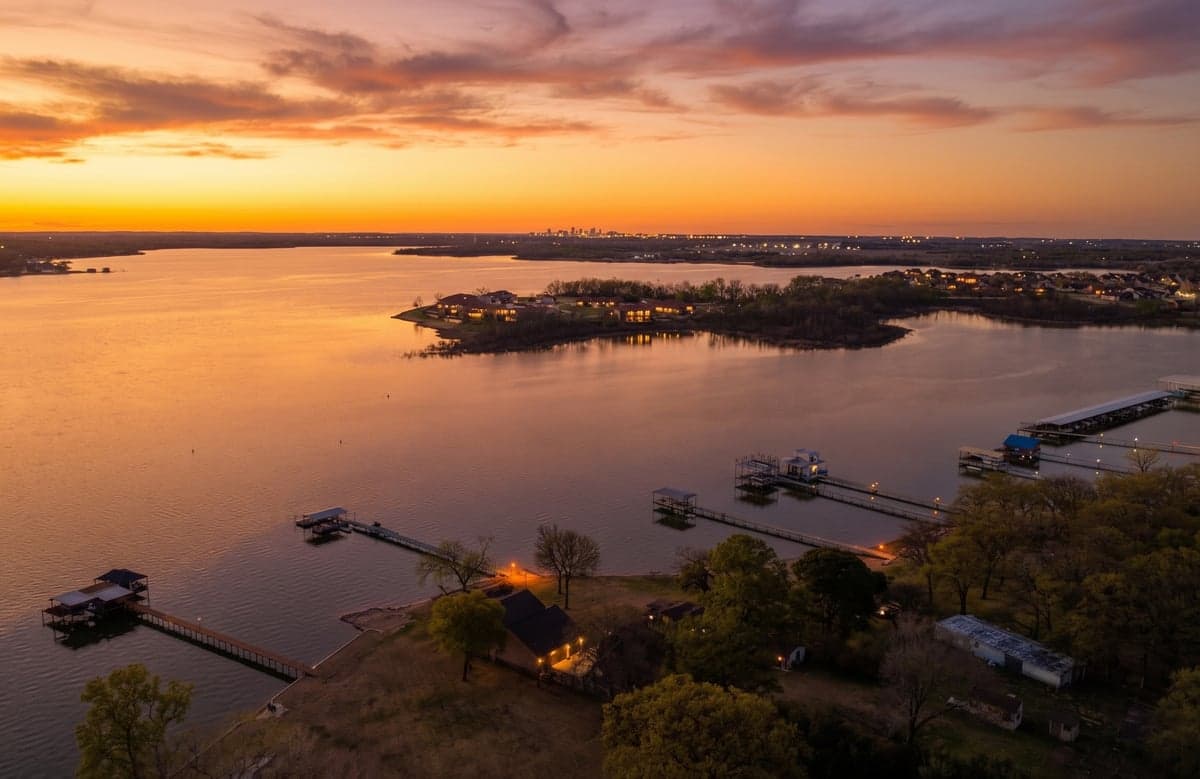
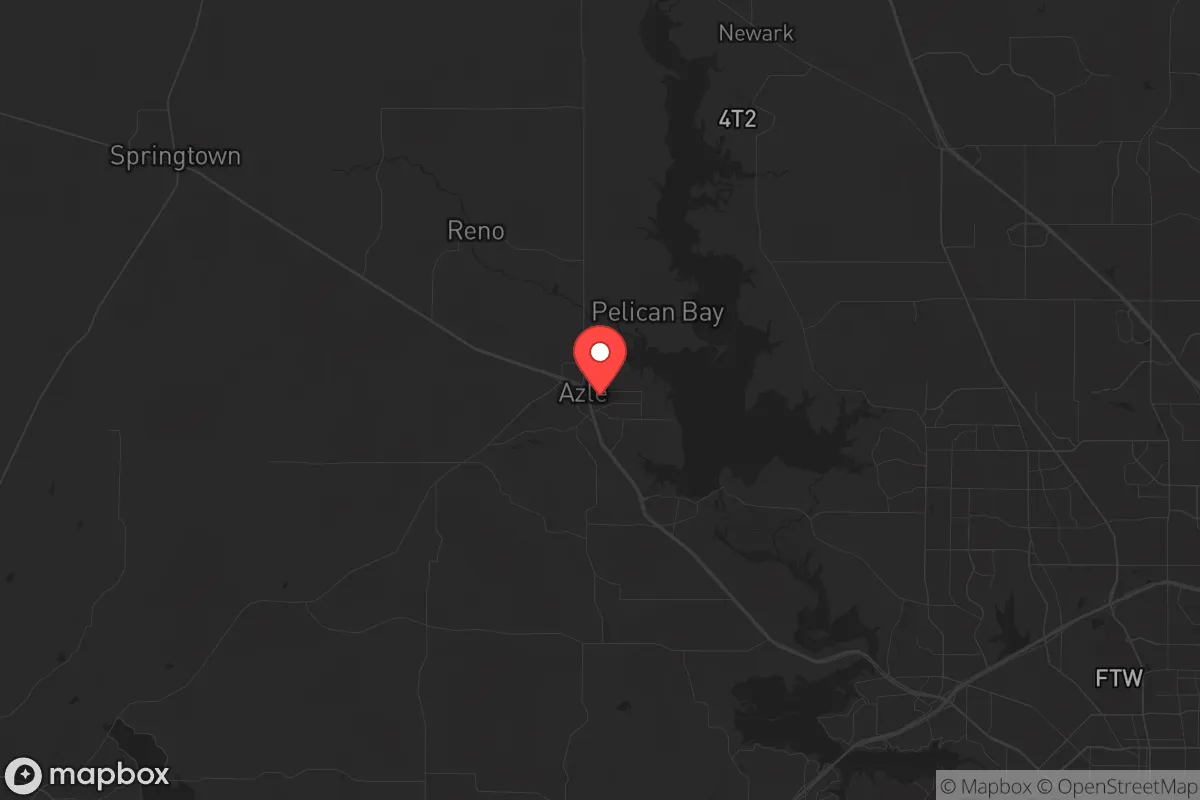
Azle, Texas, offers a compelling mix of strategic advantages and notable vulnerabilities for those prioritizing long-term resilience and self-sufficiency. Located roughly 15 miles northwest of Fort Worth, this small city of about 13,000 people sits at the edge of the Dallas-Fort Worth metroplex, close enough for economic access but far enough to avoid the worst of urban collapse scenarios. For a conservative-leaning relocator with a prepper mindset, Azle’s position on the cusp of rural Parker and Tarrant counties provides a buffer zone that many closer-in suburbs lack, though its proximity to major infrastructure and population centers demands careful consideration of fallout risks.
Geographic position and natural advantages for long-term security
Azle’s geography is its strongest card. The city is nestled along the western shore of Eagle Mountain Lake, a 9,200-acre reservoir that serves as a reliable freshwater source—a critical asset for any extended disruption of municipal water supplies. The surrounding terrain is a mix of rolling hills, oak woodlands, and open pasture, offering natural cover and defensible positions that flat, open prairie does not. The area sits atop the Barnett Shale formation, which means abundant natural gas reserves are literally underfoot; while drilling activity has declined, the infrastructure for local energy extraction remains in place. For a relocator, this means potential access to off-grid energy sources if you secure mineral rights or partner with local landowners. The climate is temperate, with hot summers and mild winters, reducing the risk of extreme weather events that could cripple infrastructure elsewhere. The region’s low population density—Parker County has just 140 people per square mile—means fewer neighbors to compete with for resources during a crisis, and the rural character of the surrounding area supports small-scale agriculture and livestock operations.
Risks, exposures, and proximity to fallout-relevant landmarks
Azle’s proximity to the DFW metroplex is a double-edged sword. The city lies within 20 miles of Fort Worth’s Naval Air Station Joint Reserve Base, a strategic military asset that could become a target in a conflict scenario. Additionally, the nearby Eagle Mountain Lake dam and the Trinity River watershed present a flood risk, though the area is not in a designated floodplain. More concerning for the prepper: Azle sits within 30 miles of the Barnett Shale’s natural gas processing plants and pipelines, which could be vulnerable to sabotage or cascading failures during civil unrest. The city is also within 50 miles of the Comanche Peak Nuclear Power Plant in Glen Rose, a potential fallout source if a disaster occurs. On the positive side, Azle is far enough from major interstate highways (I-35W and I-20 are 20+ miles away) to avoid the worst of evacuation gridlock, yet close enough to access them if needed. The real risk is the “spillover” effect: if DFW experiences a major event—riots, supply chain collapse, or a pandemic—Azle will see an influx of refugees from the east, straining local resources and potentially overwhelming the small-town police force. The city’s population has grown 15% since 2020, and that trend will only accelerate as urbanites flee the cities.
Practical resilience for a relocator: food, water, energy, and defensibility
For a relocator serious about self-sufficiency, Azle offers a workable baseline. Water is the most critical resource, and Eagle Mountain Lake provides a year-round supply, though you’ll need a filtration system (e.g., Berkey or reverse osmosis) to treat it, as the lake receives runoff from agricultural and residential areas. The city’s municipal water comes from the lake, but a grid-down scenario would cut that supply; a well is a better long-term bet, and many rural properties in Parker County have them. Food production is viable: the growing season runs from March to November, and local soil is sandy loam, suitable for vegetables, fruit trees, and even small grains. The Parker County Farmers Market in Weatherford (15 minutes south) is a good source for seeds and local produce, but for serious preppers, establishing a home garden and raising chickens or goats is the standard. Energy is where Azle shines: the Barnett Shale means natural gas is cheap and abundant, and many homes already have gas lines for heating and cooking. Solar is viable, with 230 sunny days per year, but the region’s frequent thunderstorms and hail (common in spring) can damage panels. A propane generator or a small wind turbine (average wind speed 12 mph) are practical backups. Defensibility is moderate: the terrain offers natural chokepoints along the lake and wooded areas, but the city itself is spread out, with few natural barriers to entry. A rural property with a long driveway, a perimeter fence, and a clear line of sight to the road is ideal. The local sheriff’s office (Parker County) is conservative-leaning and responsive, but during a widespread event, you’re on your own for the first 72 hours. Stockpiling ammunition and medical supplies is non-negotiable.
The overall strategic picture for a conservative relocator
Azle is a solid B+ option for a prepper who wants to stay within striking distance of the metroplex’s economic opportunities while maintaining a buffer from urban chaos. It’s not a remote bug-out location—you’re still within 30 minutes of Fort Worth’s hospitals, big-box stores, and job centers—but it’s far enough to avoid the worst of a city collapse. The trade-off is exposure to fallout from military and industrial targets, plus the risk of refugee surges from DFW. For a single individual or a family with kids, the local schools are decent (Azle ISD scores above state average), and the community is heavily conservative, with a strong church presence and a “neighbor helps neighbor” ethos that aligns with prepper values. The biggest downside is the lack of true isolation: you can’t disappear here, and the area’s growth means more development and more people every year. If you’re looking for a place to hunker down for a decade or more, Azle works—but only if you secure a property with its own water, energy, and food systems, and build relationships with like-minded locals. The strategic verdict: Azle is a staging ground, not a fortress. It’s a place to live and prepare while keeping one eye on the horizon, ready to move deeper into the country if the situation deteriorates further.

* Values derived from national, state, county, city and local statistics and may differ in a specific area. Last updated: 2026-04-28T18:24:06.000Z
Narrative content on this page is AI-generated and may contain mistakes. Verify any details that matter before acting on them.
ReloMaps may earn a commission from affiliate links at no extra cost to you.

