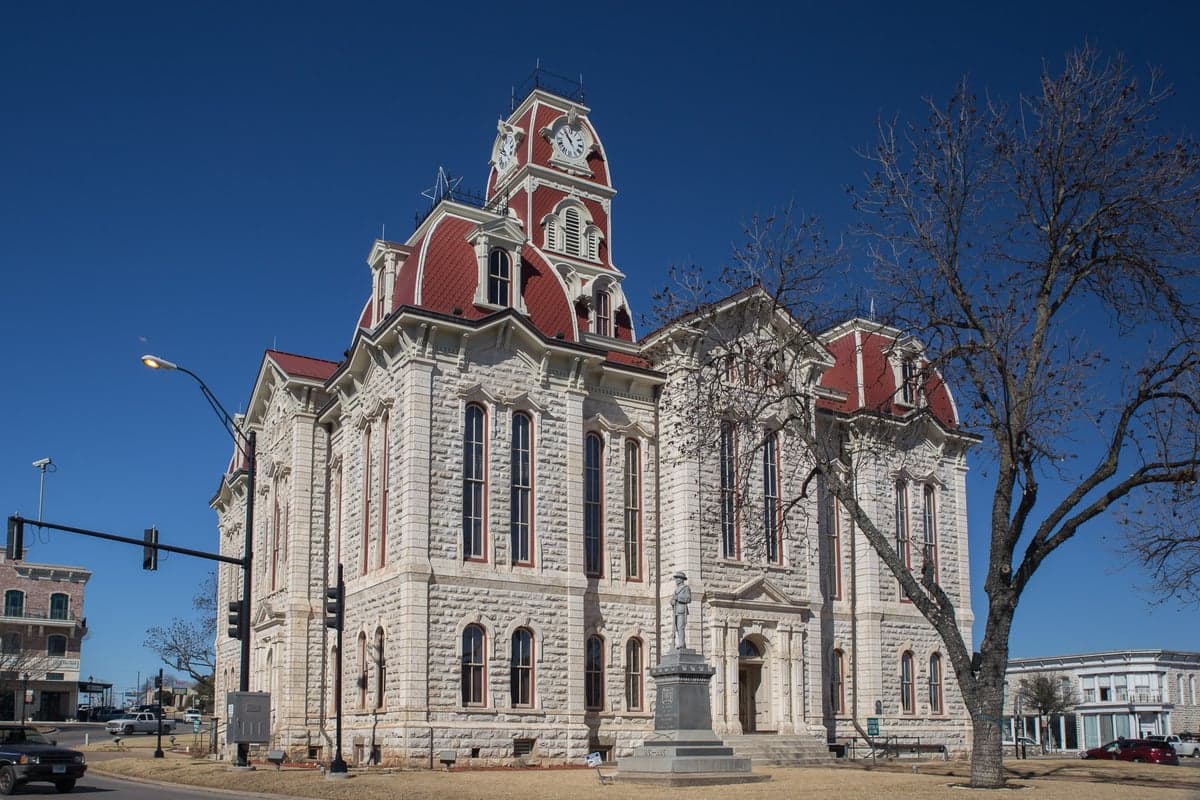
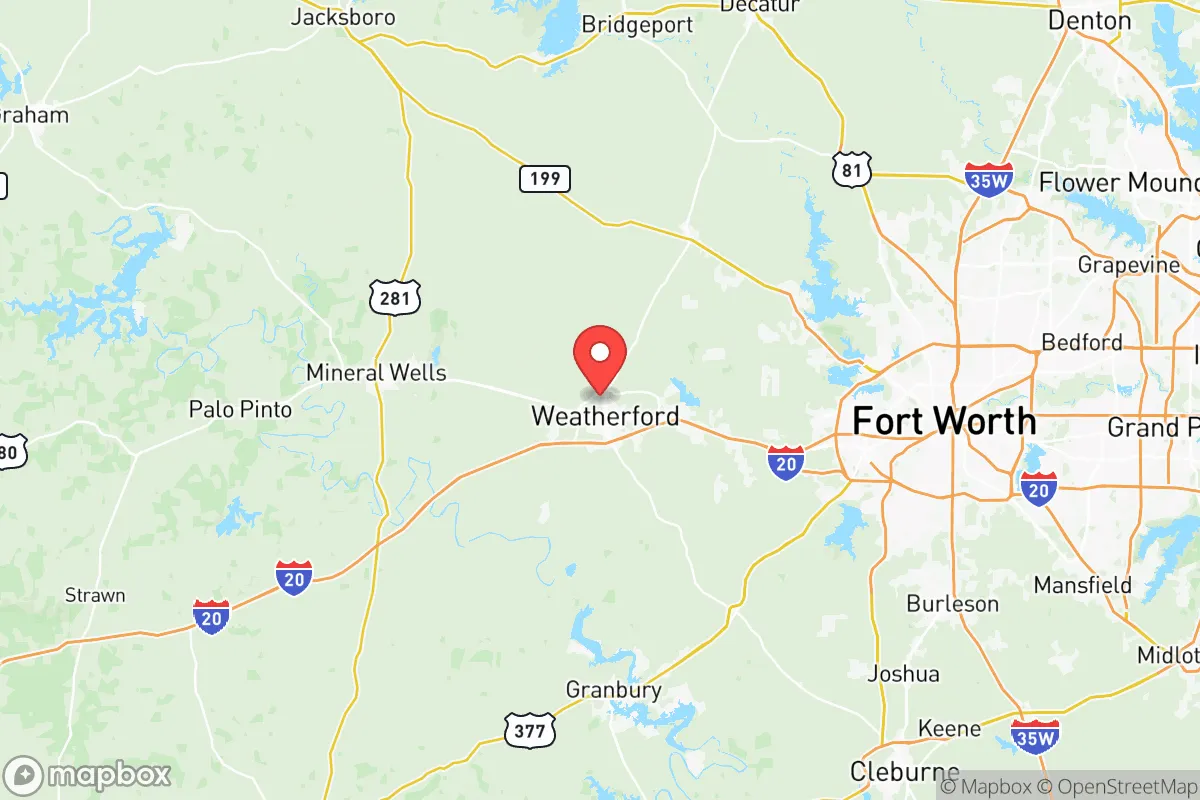
Photo: Wikipedia
Find The Best Places To Live in Parker County
PRO TIP! You can paste a Zillow or Redfin link to get info on that property.
Best Places to Live in Parker County

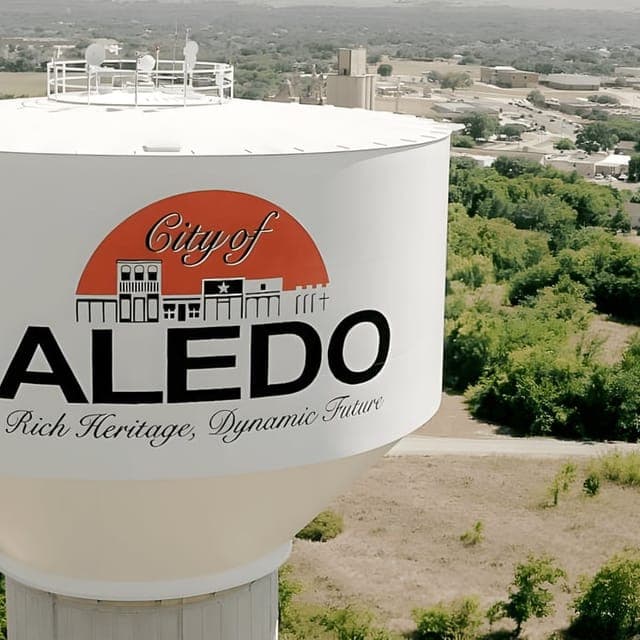

Cities & Towns in Parker County
Cities in Parker County
What It's Like Living in Parker County, TX
Parker County sits right on the edge of the Dallas-Fort Worth metroplex, where the suburban sprawl of Fort Worth gives way to open ranchland and small-town squares. The county seat, Weatherford, anchors a region that feels more like West Texas than the big city, even though you can be downtown Fort Worth in under 40 minutes. With a median household income just over $102,000 and a median home value around $343,600, this is a place where people trade shorter commutes for more land and a slower pace — but the trade-off is real, and the 32-minute average commute tells only part of the story.
Daily Rhythm: Commutes, Schools, and Saturday Mornings
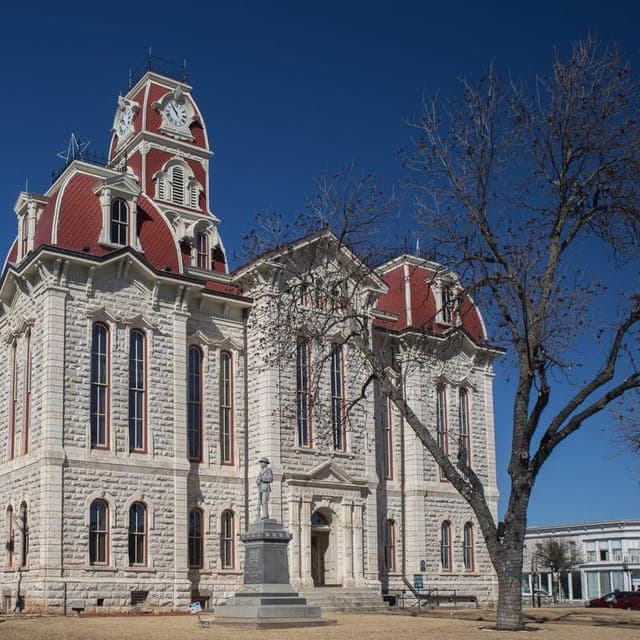
Most mornings in Parker County start early. Parents in Aledo and Willow Park are on the road by 6:45, dropping kids at schools that are the pride of the community — Aledo High School’s football stadium is practically a civic landmark. The commute into Fort Worth can stretch to 45 minutes or more if you’re heading to the Stockyards or downtown, but the trade-off is a home with acreage and a garage big enough for the boat. In Weatherford, the historic courthouse square is the weekday hub: coffee at The Black Cat, lunch at the Fire Oak Grill, and errands at the local H-E-B. Springtown, farther north, feels even more rural — folks there drive 20 minutes just to get to a Walmart. The cost of living index sits at 123, noticeably higher than the national average, largely driven by housing demand from DFW commuters. But for many, the space and the slower rhythm are worth the premium.
Weekends are for the outdoors. Lake Weatherford is a popular spot for fishing and kayaking, and the Brazos River runs through the county’s southern edge. Families spend Saturday afternoons at the Parker County Peach Festival in July, a genuine local tradition that draws crowds from across the region. The county’s median age of 39.3 reflects a mix of young families and empty-nesters who moved out here for the quiet. About 31.6% of adults hold a college degree, slightly below the national average, but the local workforce is heavy on trades, healthcare, and logistics — jobs that don’t require a four-year degree but pay well enough to support the lifestyle.
Sports, Community, and Friday Night Lights
High school football is the dominant religion. Aledo’s Bearcats are a perennial state powerhouse, and their games pack a stadium that seats over 8,000 — bigger than many college venues. Weatherford’s Kangaroos draw strong crowds too, and the rivalry between the two is friendly but fierce. Beyond football, the county loves its rodeo: the Parker County Sheriff’s Posse Rodeo in Weatherford is a summer staple. For pro sports, most residents are Dallas Cowboys or Texas Rangers fans, but the drive to AT&T Stadium in Arlington is about 45 minutes — close enough for a Sunday afternoon trip. Springtown hosts a popular annual Spring Fling festival, and Hudson Oaks has become a retail hub with shopping centers that pull people from surrounding towns. There’s no major music venue in the county, but Fort Worth’s Billy Bob’s Texas and the Bass Performance Hall are a short drive away.
Who Fits In — and the Honest Trade-Offs
Parker County leans heavily conservative, and that’s a feature, not a bug, for most of its residents. Churches are central to social life, and the school boards tend to reflect traditional values. The kind of person who thrives here is someone who values space, privacy, and community over walkability and nightlife. Singles might find the social scene limited — most dating happens through church, work, or mutual friends. Parents, on the other hand, love the school options and the sense that kids can still ride bikes on quiet country roads.
Here are the honest pros and cons:
- Pros: Strong sense of community, excellent public schools (especially Aledo and Weatherford), lower home prices than Tarrant County, abundant outdoor recreation, and a genuine small-town feel within reach of a major city.
- Cons: Long commutes for many, limited entertainment and dining options (you’ll drive to Fort Worth for a concert or a nice dinner), property taxes that can be a shock, and a violent crime rate of 342.3 per 100,000 — slightly above the national average, though most incidents are concentrated in specific areas.
Summer heat is no joke: July and August regularly hit triple digits, and the lack of tree cover in parts of the county makes it feel even hotter. Winters are mild but can bring the occasional ice storm that shuts down roads. Still, the seasonal rhythm is part of the appeal — spring bluebonnets along the highways, fall Friday nights under the lights, and a pace that lets you breathe. For the right person, Parker County isn’t just a place to live; it’s the kind of place you stay.

* Values derived from national, state, county, city and local statistics and may differ in a specific area. Last updated: 2026-05-14T21:08:03.000Z
Narrative content on this page is AI-generated and may contain mistakes. Verify any details that matter before acting on them.
ReloMaps may earn a commission from affiliate links at no extra cost to you.

