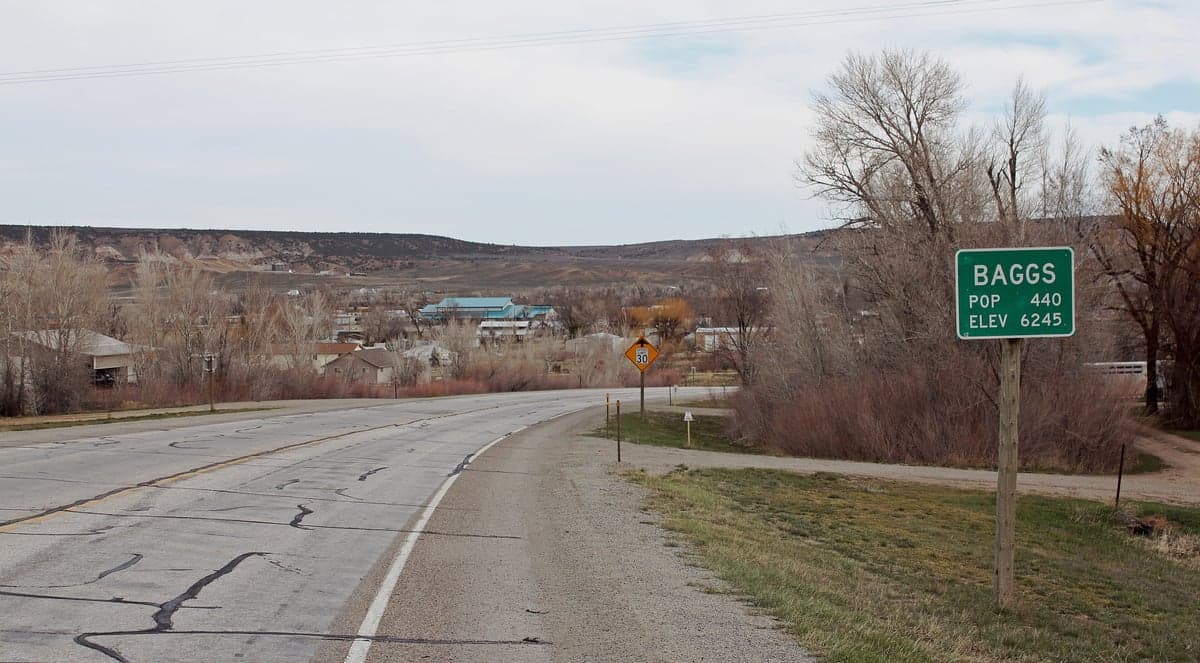
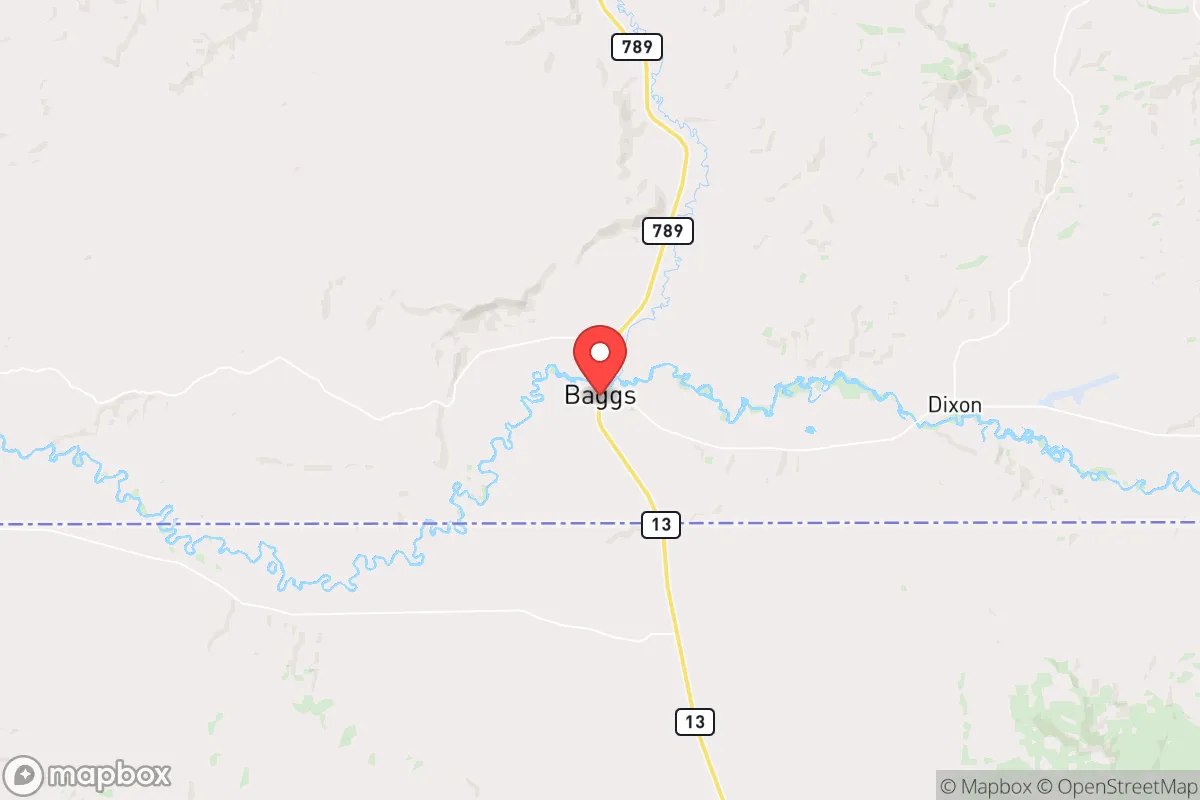
Photo: Wikipedia
Quality of Life in Baggs, WY
Above-average quality of iife. The area offers a reasonable cost of living, decent mobility, and a mix of neighborhood amenities.
What does Quality of Life tell us?
Quality of Life blends cost of living, nearby amenities, socioeconomic signals, and neighborhood character. City-level scores represent the whole municipality; individual neighborhoods can differ.
What does this tell us?
Quality of Life blends cost of living, nearby amenities, socioeconomic signals, and neighborhood character. City-level scores represent the whole municipality; individual neighborhoods can differ.
Cost of Living
38% below national average
The Real Cost of Living in Baggs, WY for 2026
| Tier | Individual | Family (4) |
|---|---|---|
| Survival | $11k | $21k |
| Comfortable | $35k | $52k |
| Luxury | $98k+ | $151k+ |
| Elite (Top 5%) | $152k+ | $235k+ |
105%
* top-5% income substituted from state-level data — local Census figures unavailable for small populations
The Area Signal
A metric tracking the socioeconomic signals of the area.
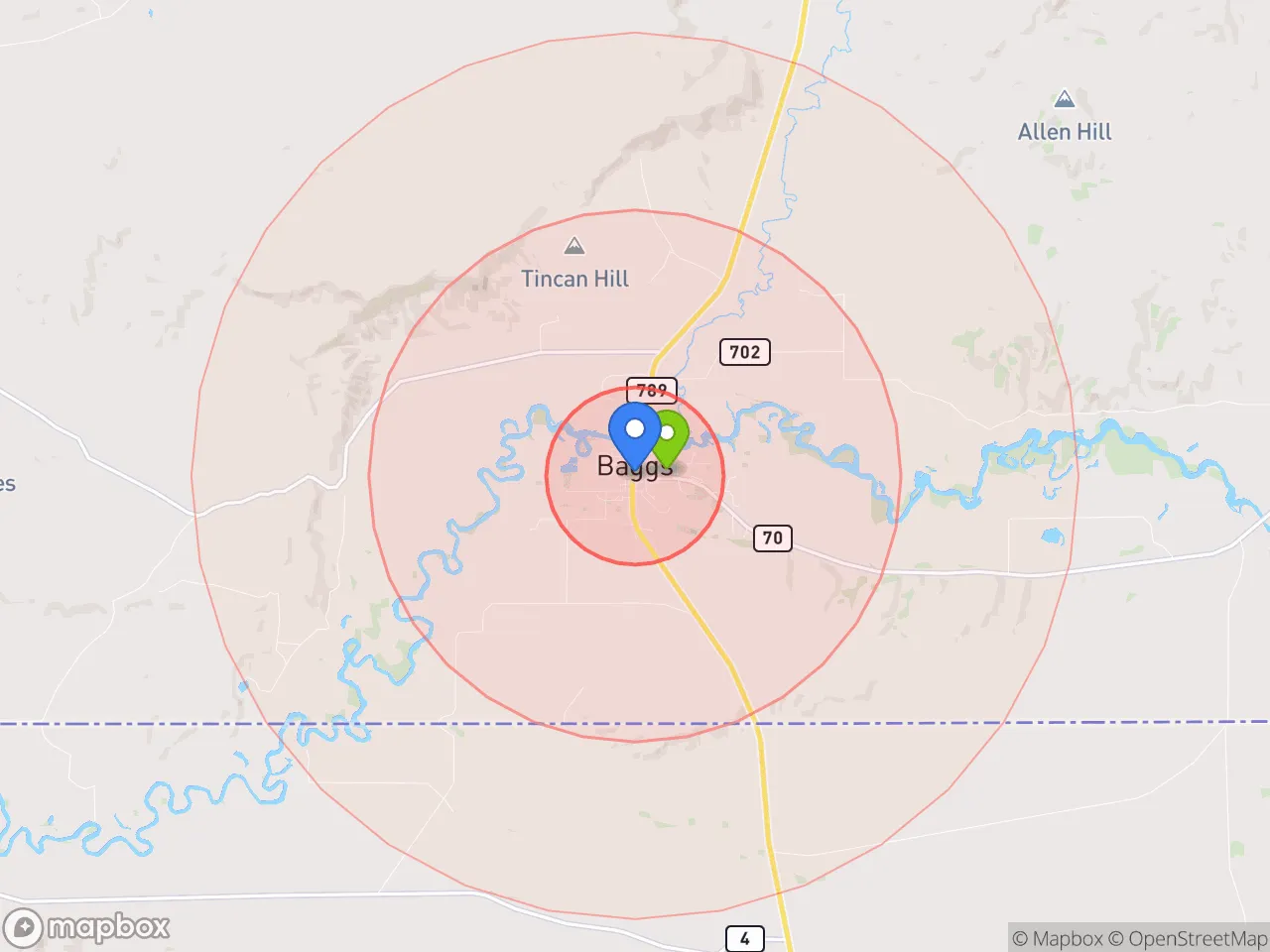
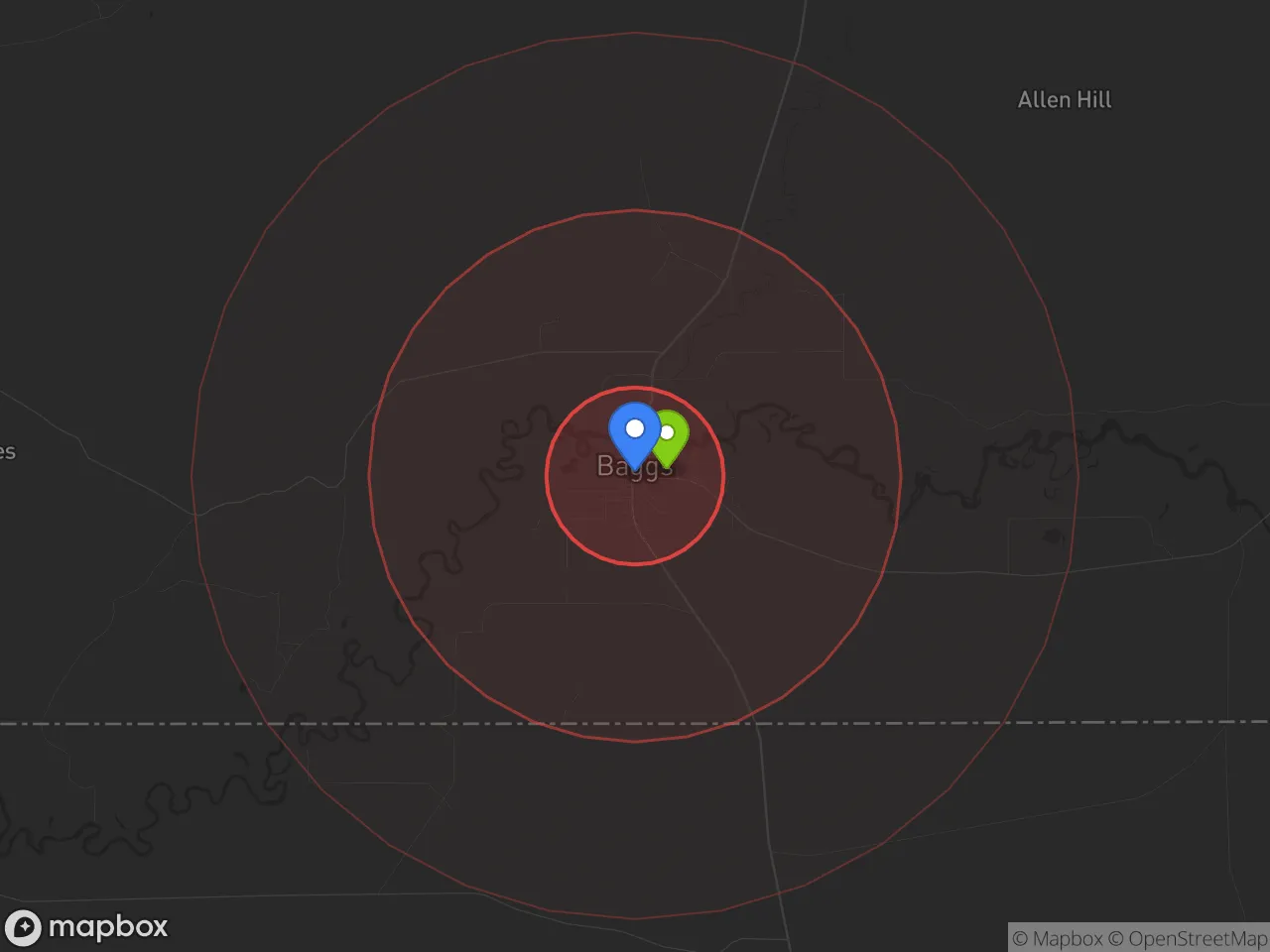
Limited data for this area
Limited data for this area
Hobbies
Explore the areaGroceries
0 within 10 miles
Gas
1 within 10 miles
Hospital
0 within 20 miles
Airport
DEN — Denver International
Post Office
USPS — Baggs, WY
Critical Amenities
Quality-of-Life Analysis
Baggs, Wyoming, is a small, tight-knit community where the cost of living sits well below the national average, attracting a mix of ranchers, energy-sector workers, and remote professionals seeking space and affordability. With a cost of living index of 62 (38% below the U.S. average), the area offers a notably low financial barrier to entry compared to the rest of Carbon County or the nearby Craig, Colorado, metro area. The population skews older and more self-sufficient, with a median age of 47.6, and the town’s economy is anchored by natural gas extraction, ranching, and a growing number of residents commuting to larger employment hubs like Rawlins (about 60 miles north) or Rock Springs (roughly 90 miles west).
Cost of living, housing affordability, and how Baggs compares to nearby towns
Baggs’ housing market is one of the most affordable in southern Wyoming, with a median home value of $180,800—roughly half the national median of $350,000. Median rent sits at just $698, making it a viable option for renters who might be priced out of Craig (median rent ~$950) or Rawlins (~$850). The low cost of living index of 62 is driven primarily by housing and utilities, though groceries and transportation are slightly above the state average due to the town’s remote location. For context, a household earning the Carbon County median income of $62,000 would spend only about 18% of gross income on a mortgage at current rates, compared to the national average of 30%. However, inventory is extremely limited—typically fewer than 10 homes for sale at any given time—and most listings are older single-family homes on large lots. The average commute of 18.5 minutes is short by national standards, reflecting the fact that many residents work locally in the gas fields or at the nearby Little Snake River Valley School, though a significant number drive 30–45 minutes to jobs in Craig or Rawlins.
Amenities, schools, and what daily life is like for families and retirees
Daily life in Baggs revolves around the Little Snake River Valley, with the town’s only grocery store, a hardware store, and a handful of cafes serving as social hubs. The Little Snake River Valley School (K–12) is the sole public school, enrolling about 150 students and offering small class sizes (average 12:1 student-teacher ratio), though advanced placement courses are limited. For healthcare, residents rely on the Memorial Hospital of Carbon County in Rawlins (60 miles north) or the Craig Medical Center (45 miles south), with no urgent care or pharmacy within Baggs itself. Outdoor recreation is the primary amenity: the Little Snake River provides trout fishing and kayaking, while the Medicine Bow National Forest and Bridger Wilderness are within a 30-minute drive for hiking, hunting, and snowmobiling. The town’s rhythm is slow and seasonal—summer brings the Baggs Rodeo and community potlucks, while winter sees residents hunkering down with limited retail and dining options. Internet access is improving, with fiber-optic service from Range Telephone Cooperative available in most of the town, supporting remote work for a small but growing cohort of telecommuters.
Baggs is best suited for those who prioritize low housing costs, solitude, and outdoor access over urban amenities and career diversity. Retirees on fixed incomes, ranchers, and energy-sector workers will find the affordability and quiet lifestyle appealing, while families should weigh the limited school offerings and lack of pediatric care against the safety and community feel. Remote workers with stable, high-speed internet can thrive here, but anyone requiring frequent medical services, diverse employment options, or cultural attractions will likely find the isolation challenging. For the right person, Baggs offers a rare combination of financial freedom and wide-open space that is increasingly hard to find in the Mountain West.

Crime in Baggs, WY
Generally safer than 71% of comparable U.S. locations.
Violent CrimeViolent Crime Analysis
Property CrimeProperty Crime Analysis
Crime Analysis
Baggs, Wyoming, is a small town in Carbon County with a crime profile that demands careful attention from potential residents. The town's violent crime rate of 171.7 incidents per 100,000 people is notably lower than the national average, but its property crime rate of 1,011.3 per 100,000 is significantly higher, creating a mixed safety picture that varies by neighborhood and time of day.
Crime in context
Baggs' violent crime rate sits well below the U.S. average of roughly 380 per 100,000, and is also lower than the Wyoming state average of about 230 per 100,000. This means the risk of homicide, assault, robbery, or rape is statistically low. However, the property crime rate is a different story. At 1,011.3 per 100,000, it exceeds both the national average (approximately 1,950 per 100,000) and the Wyoming state average (around 1,800 per 100,000). This elevated rate is driven primarily by theft and burglary, which are more common in small, rural towns with limited law enforcement coverage and fewer surveillance systems.
What residents experience
Daily life in Baggs is generally quiet, but residents report that unlocked vehicles and outbuildings are frequent targets. The town's small population—under 500 people—means that most crime is opportunistic rather than organized. The local police department and Carbon County Sheriff's Office respond to incidents, but response times can be longer in outlying areas. Importantly, Baggs benefits from Wyoming's conservative legal environment. The state's judiciary and district attorneys in Carbon County are not influenced by the progressive, offender-first ideologies seen in many large metro areas. This means that when crimes are committed, offenders face consistent prosecution and sentencing, which helps deter repeat offenses and supports victims' rights. Residents do not experience the revolving-door justice that plagues many liberal jurisdictions, where soft-on-crime policies can lead to more criminals on the street.
Neighborhood-level variation
Crime in Baggs is not evenly distributed. The core residential blocks along Lincoln Avenue and the older homes near the Little Snake River see fewer incidents, as neighbors know each other and maintain informal watch systems. The commercial strip along U.S. Route 789, particularly around the gas stations and the handful of bars, experiences more property crime, including vehicle break-ins and occasional theft from businesses. The outlying ranch properties and subdivisions on the town's edges face the highest risk of burglary, simply due to isolation and lack of street lighting. For those considering a move, investing in a security system, a locked garage, and good exterior lighting is a practical step, especially for homes near the highway or on the town's periphery.
* Values derived from national, state, county, city and local statistics and may differ in a specific area. Last updated: 2026-05-16T09:59:00.000Z
Narrative content on this page is AI-generated and may contain mistakes. Verify any details that matter before acting on them.
ReloMaps may earn a commission from affiliate links at no extra cost to you.

