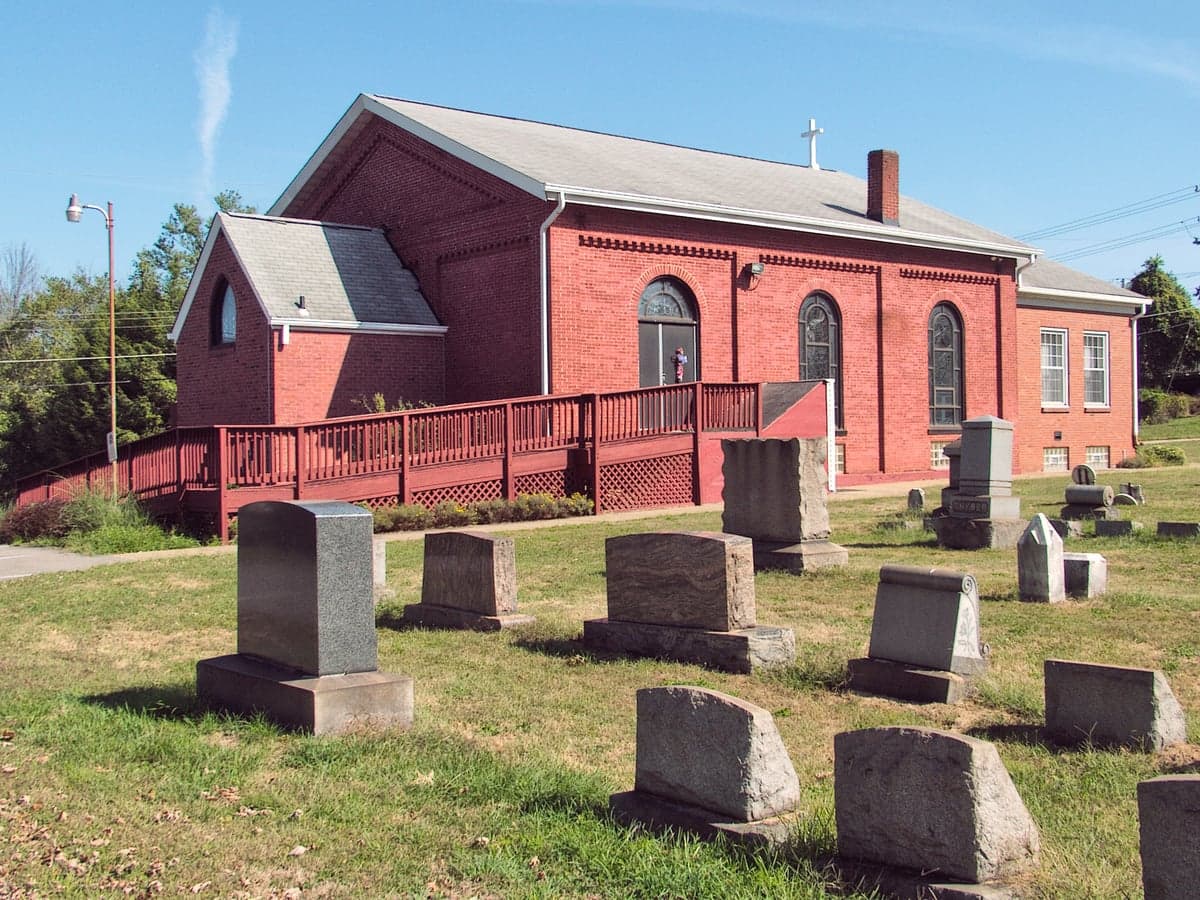
Photo: Wikipedia
Strategic Assessment of Baldwin, PA
Multiple tactical vulnerabilities. Population density, target proximity, or disaster risk are likely compounding. A retreat property and exit planning is required.
What does the Strategic Assessment tell us?
Our Strategic Assessment grades tactical survivability of an area. Major population centers, military targets, fallout zones, natural disasters, and border exposure all drive risk — lower exposure means a more defensible position in a crisis.
This is heavily inspired by Joel Skousen's Strategic Relocation book. Highly recommended you checkout the book ($)What does this tell us?
Our Strategic Assessment grades tactical survivability of an area. Major population centers, military targets, fallout zones, natural disasters, and border exposure all drive risk — lower exposure means a more defensible position in a crisis.
This is heavily inspired by Joel Skousen's Strategic Relocation book. Highly recommended you checkout the book ($)Strategic Pillars

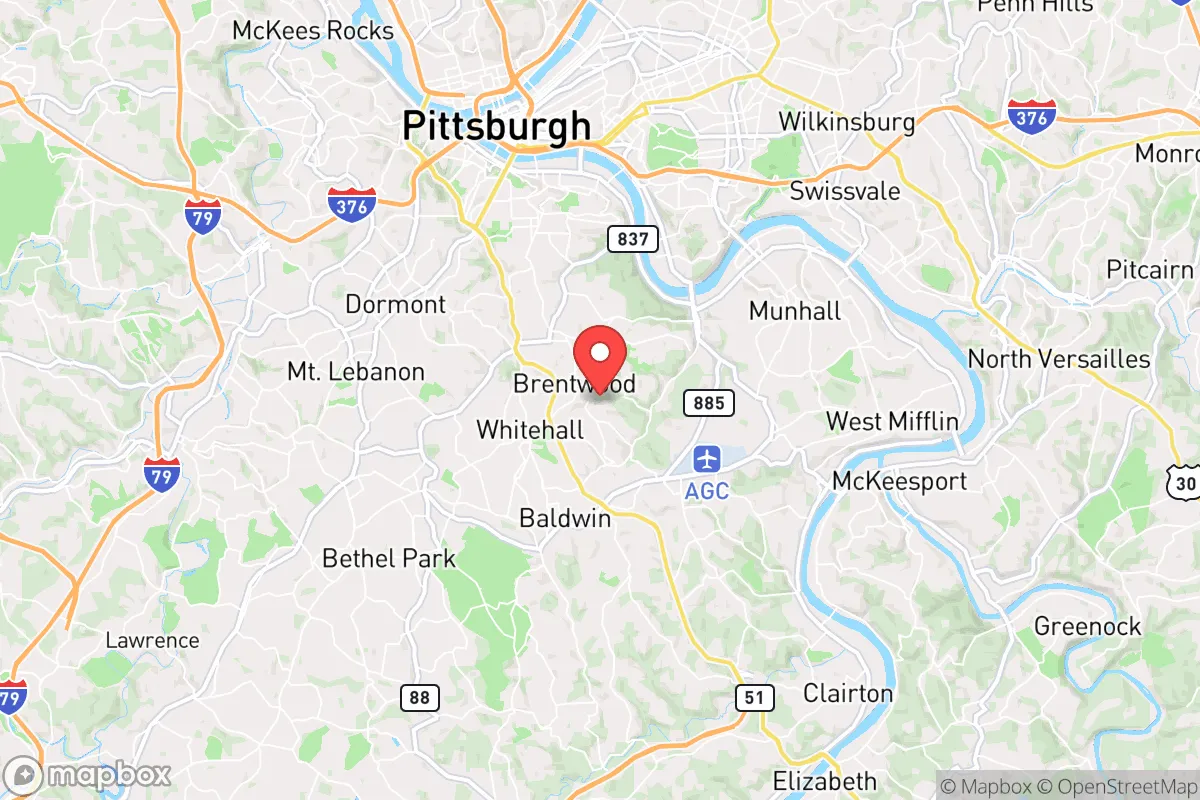
Key Distances
Regional Safe Places
Below is our recommended "safe zones" in Pennsylvania and the surrounding area based on our strategic heuristics. For most people, it's unrealistic to live in a “safe zone” full-time due to work, family or other personal reasons. They tend to be more rural. However, many of these areas are perfect for second homes and retreat properties that double as a vacation home or even a short-term rental.
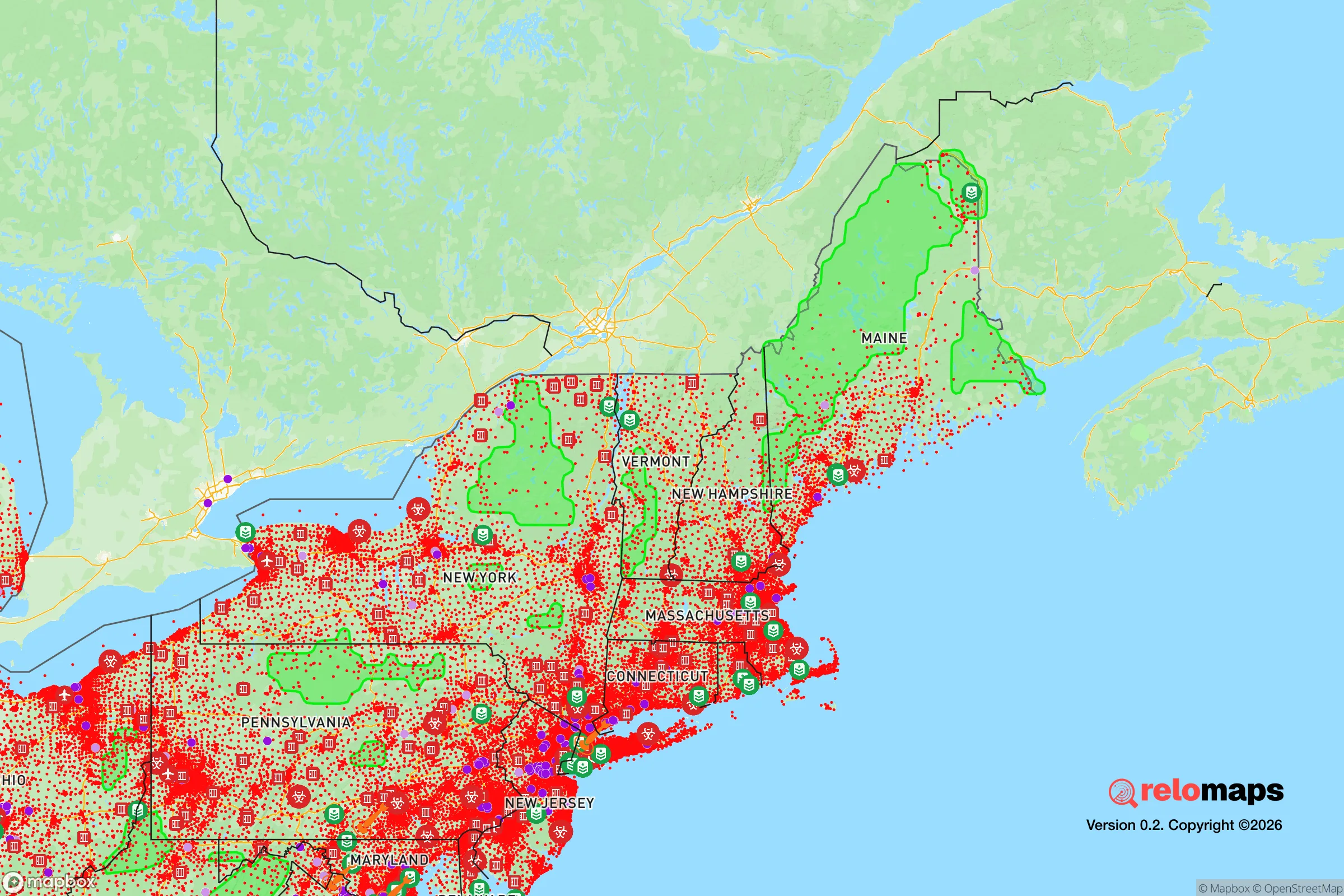
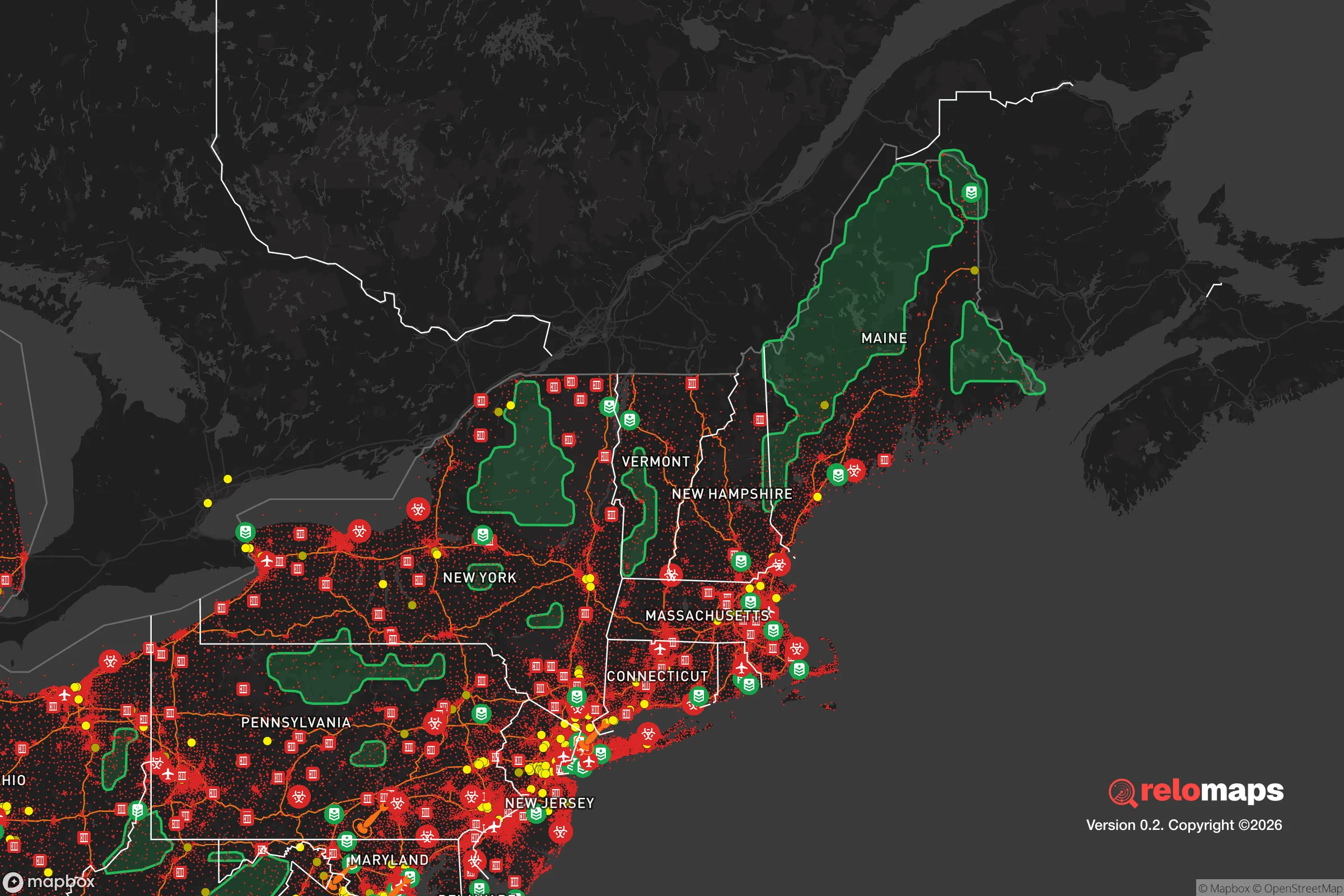


Important Note: For informational purposes only. This does not mean nothing bad ever happens in the green zones. Please use common sense. This is based on public data and modeled with AI. We tried to take a conservative approach but mistakes happen. We update this regularly as new information becomes available.
Solar Generator Recommendations
Backup power matters more here than in safer locations. We've picked three solar generators across budgets and capacity tiers — start with the budget unit if you only need a few essentials, or step up if you want to run a fridge and HVAC for days at a time.

Jackery Portable Power Station Explorer 300
Budget OptionPower on the Go: Weighing only 11 lbs, it's convenient to set up and store with book-sized foldable solar panels

BLUETTI Portable Power Station AC180
Designed for both indoor and outdoor scenarios, AC180 is highly capable as it has a robost capacity and continuous output power.

EF ECOFLOW DELTA Pro Ultra Power Station
Upgraded PickEcoFlow DELTA Pro Ultra is a whole-home energy system designed to grow with your family. Integrated with the Smart Home Panel 2, it scales to meet your evolving energy needs — keeping your home powered, intelligent, and secure through every stage of life.
We earn a commission, at no additional cost to you.
Strategic Assessment Analysis
Baldwin, Pennsylvania, sits in a precarious strategic position that demands serious consideration for anyone prioritizing long-term resilience and family security. While its location in Allegheny County offers immediate access to Pittsburgh’s economic infrastructure, that same proximity introduces significant vulnerabilities in a scenario of civic unrest, supply chain collapse, or mass casualty events. For the conservative prepper or survivalist, Baldwin presents a mixed picture: a suburban buffer zone that is close enough to urban resources to be useful, but dangerously close to the fallout zones that accompany any major metropolitan collapse.
Geographic position and natural advantages for long-term security
Baldwin’s geography is defined by its position roughly seven miles south of downtown Pittsburgh, placing it within the Pittsburgh metropolitan area but outside the immediate urban core. The borough sits on the Allegheny Plateau, with rolling hills and wooded ravines that offer some natural defensibility compared to flat, open terrain. The area’s elevation, averaging around 1,200 feet, provides decent vantage points for observation, though the suburban density limits true tactical advantage. The surrounding landscape includes several small creeks and tributaries of the Monongahela River, which could serve as secondary water sources in a grid-down scenario, though none are reliable year-round without treatment. The region’s temperate climate supports four distinct seasons, meaning a relocator must plan for winter preparedness—snow and ice can isolate neighborhoods quickly if roads go unplowed. The tree cover in Baldwin’s residential areas is moderate, offering some concealment but not the deep forest cover found farther east in the Laurel Highlands. For a family looking to establish a secure base, Baldwin’s primary natural advantage is its position on the edge of the Appalachian foothills, providing a potential retreat corridor into less populated counties like Washington or Fayette if evacuation becomes necessary.
Risks, exposures, and proximity to fallout-relevant landmarks
The most glaring vulnerability for Baldwin is its proximity to Pittsburgh, a major population center and likely target for any coordinated attack or civil unrest event. The city’s infrastructure—including the Pittsburgh International Airport, major rail yards, and industrial complexes along the Ohio and Monongahela rivers—makes it a high-value target for both conventional and asymmetric threats. Baldwin lies within the blast and fallout radius of any significant strike on downtown Pittsburgh, and the prevailing westerly winds would carry contamination directly over the borough. Beyond military threats, the area’s dense suburban layout means that a mass casualty event—whether from a pandemic, a chemical spill, or a terrorist attack—would spread rapidly through the interconnected population. The borough is crisscrossed by major arteries like Route 51 and the Liberty Tunnels, which would become choke points during any evacuation, trapping residents in gridlock. Additionally, the proximity to the Monongahela River and its industrial barge traffic introduces the risk of hazardous material incidents. For the survivalist, Baldwin’s location is a double-edged sword: close enough to urban resources to be useful for resupply in stable times, but dangerously exposed when the system falters. The lack of natural barriers between Baldwin and Pittsburgh means that any civil unrest in the city would spill into the suburbs within hours, not days.
Practical resilience for a relocator: food, water, energy, and defensibility
For a relocator serious about self-sufficiency, Baldwin’s suburban character presents both opportunities and obstacles. The borough’s housing stock is predominantly single-family homes built between 1950 and 1980, many with basements that can be converted into secure storage or shelter spaces. Lot sizes are typically small—quarter-acre or less—limiting the potential for significant food production. A determined family could establish raised garden beds and a small greenhouse, but achieving meaningful caloric self-sufficiency would require creative use of space or acquisition of additional land outside the borough. Water is a critical concern: Baldwin relies on the Pittsburgh Water and Sewer Authority, a municipal system vulnerable to both contamination and service interruption. A well is not an option for most properties, so a relocator must invest in rainwater catchment, storage tanks, and high-quality filtration systems. The borough’s energy grid is standard suburban, with overhead lines susceptible to ice storms and sabotage. Solar panels are feasible on most rooftops, but the area’s frequent cloud cover reduces efficiency; a backup generator with a substantial fuel cache is a practical necessity. Defensibility is moderate at best. Baldwin’s street layout is a typical suburban grid with cul-de-sacs, offering some natural funnel points for security, but the density means neighbors are close, and a determined group could move through backyards easily. The local police department is small, and in a prolonged crisis, response times would stretch to hours or days. For the prepper, the key is to treat Baldwin as a temporary base rather than a final redoubt—a place to stockpile, build skills, and maintain a low profile while monitoring conditions for a potential move to more defensible rural ground.
The overall strategic picture for Baldwin, Pennsylvania, is one of calculated risk. It offers the practical benefits of suburban infrastructure—good schools, medical facilities, and supply chains—during stable times, but those same advantages become liabilities when the system breaks down. For a conservative family or individual who values preparedness but cannot yet relocate to a fully rural property, Baldwin can serve as a viable intermediate position. The key is to avoid complacency: maintain a low profile, build a robust stockpile of food, water, and medical supplies, and have a clear evacuation plan for the Appalachian corridor. The borough’s proximity to Pittsburgh is its greatest weakness, but for those who understand the risks and prepare accordingly, it can be a manageable place to wait out the storm—provided the storm does not come directly through the Liberty Tunnels.

* Values derived from national, state, county, city and local statistics and may differ in a specific area. Last updated: 2026-05-01T10:13:31.000Z
Narrative content on this page is AI-generated and may contain mistakes. Verify any details that matter before acting on them.
ReloMaps may earn a commission from affiliate links at no extra cost to you.

