 Popular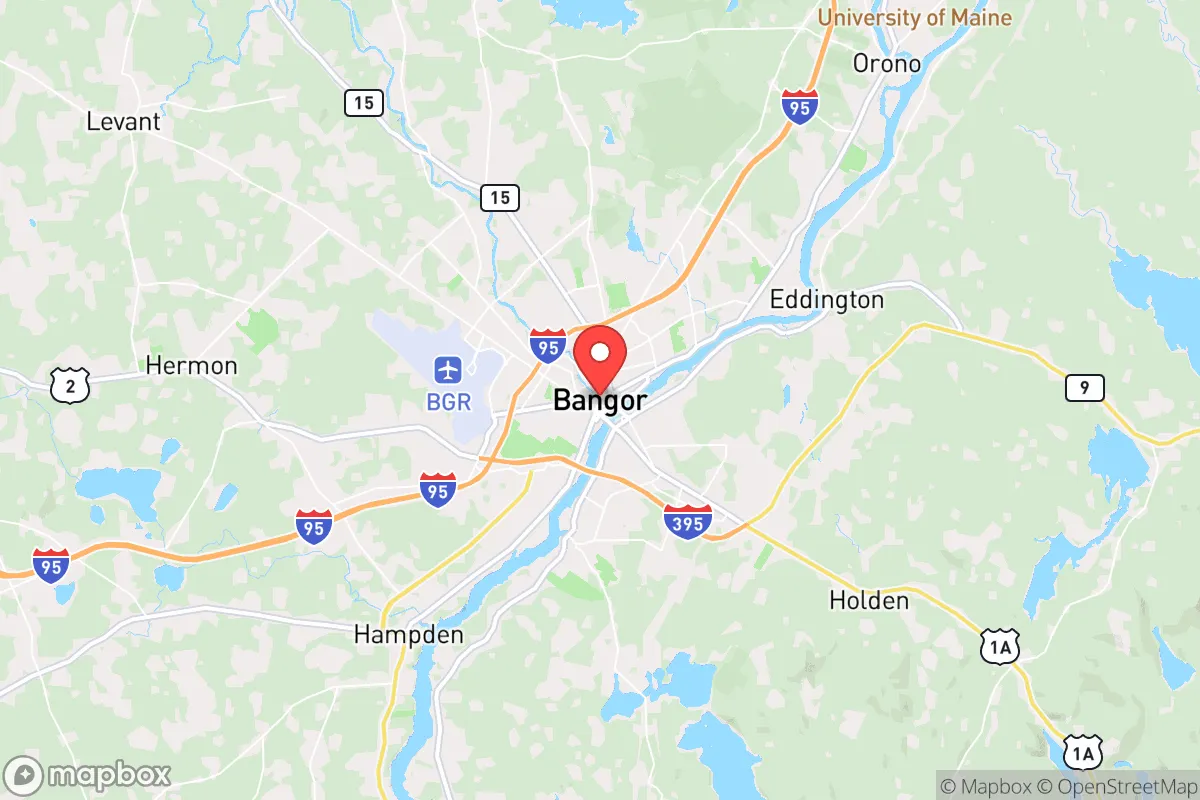
Photo: Wikipedia
Find The Best Places To Live
in Bangor
PRO TIP! You can paste a Zillow or Redfin link to get info on that property.
What It's Like Living in Bangor, ME
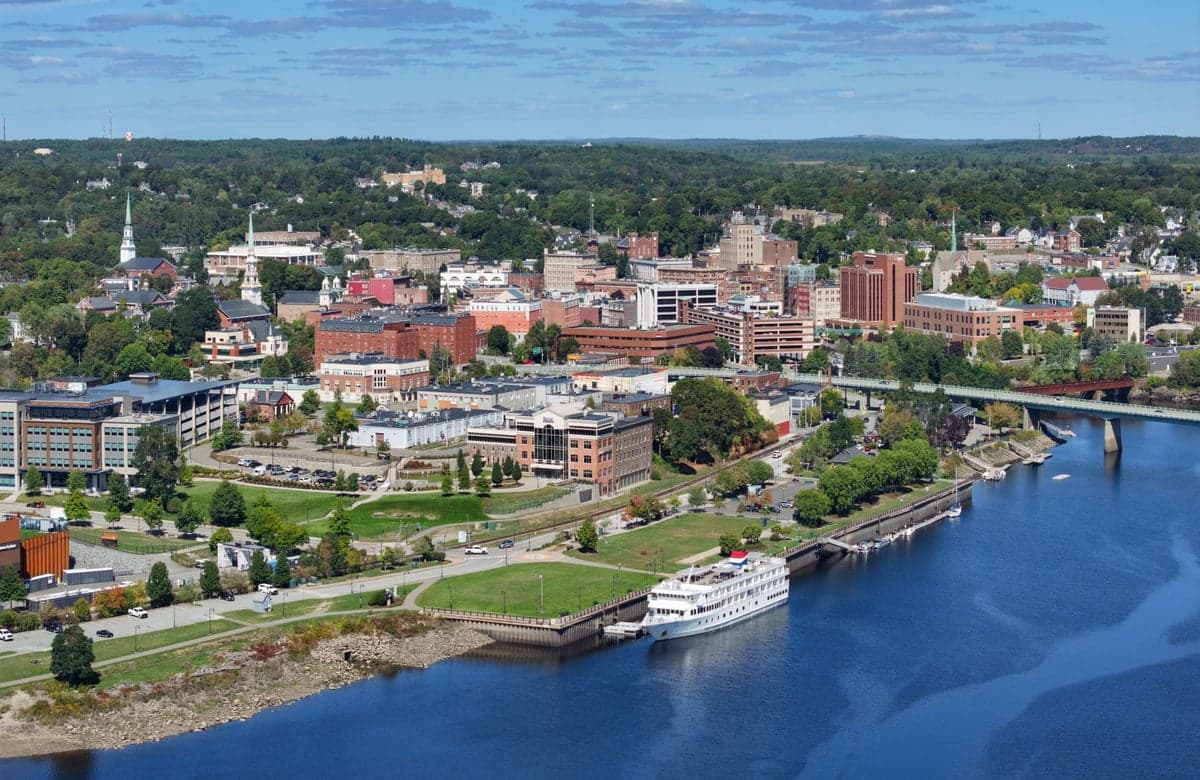
Bangor is a city that feels like it’s perpetually bracing for something—a snowstorm, a leaf-peeper invasion, or the next Stephen King novel. It’s a compact, blue-collar town with a proud, independent streak, where the Penobscot River cuts through the middle and the smell of pine and woodsmoke hangs in the air from October to April. People here don’t move to Bangor for the nightlife; they move here because they want a house they can actually afford, a commute that’s measured in minutes, and a community where your neighbor will plow your driveway before you even ask.
The Daily Rhythm: Slow, Seasonal, and Surprisingly Self-Sufficient
Daily life in Bangor revolves around the seasons. In summer, the sun rises before 5 AM and sets after 8 PM, and people pack every minute with yard work, kayaking on Pushaw Lake, or grabbing a lobster roll at Anglers Restaurant on the waterfront. Winter is a different beast—short days, snowbanks that tower over a pickup truck, and a collective shrug about subzero wind chills. The average commute is just 17 minutes, which means most people live within a few miles of their job, whether that’s at Northern Light Eastern Maine Medical Center (the largest employer), the University of Maine in nearby Orono, or one of the many insurance and call centers along the Hogan Road corridor.
Shopping is practical: Hannaford for groceries, Mardens for discount everything, and Renys for the kind of general store where you can buy a chainsaw, a wedding gift, and a bag of apples in one trip. The median household income is $58,096—below the national average—but the cost of living index is 82, meaning your dollar goes noticeably further. A median home value of $206,300 gets you a solid three-bedroom with a yard, something that would cost three times as much in Portland or Boston. The kind of person who fits in here is someone who values space over square footage, doesn’t mind driving 20 minutes for a decent sushi spot, and understands that “going out” on a Tuesday might mean a beer at Paddy Murphy’s or a show at the Sea Dog Brewing Company.
Sports, Community, and the Local Identity
Bangor doesn’t have a major pro sports team, and nobody pretends otherwise. What it does have is a fierce loyalty to the University of Maine Black Bears—hockey is the religion here, and the Alfond Arena in Orono (10 minutes away) fills up for games against Boston University or Maine’s old rival, New Hampshire. High school sports are a genuine social event: Bangor High School Rams football and basketball games draw crowds that would surprise someone from a bigger city, and the rivalry with Brewer High School is the kind of thing that gets talked about at the post office. For baseball, the Bangor Lumberjacks (a collegiate summer league team) play at Mansfield Stadium, a field that Stephen King helped fund—fitting, since the man himself is often spotted at local restaurants or buying books at Briar Patch.
The city’s cultural identity is a mix of working-class grit and literary weirdness. King’s presence looms large—his Victorian mansion on West Broadway is a local landmark, and the Stephen King House (not open to the public) is a pilgrimage site for fans. But the real local pride is in the Bangor State Fair, a 170-year-old tradition every August that brings carnival rides, livestock shows, and the kind of fried dough that sticks to your ribs. The American Folk Festival on the waterfront in late August is a more polished affair, drawing musicians from across the country and turning the riverfront into a giant picnic.
What’s There to Do: Outdoor Access, Honest Food, and a Few Surprises
Outdoor life is the main event. Katahdin Woods and Waters National Monument is an hour north, Acadia National Park is about 90 minutes southeast, and within city limits, the Bangor City Forest offers 680 acres of trails for hiking, mountain biking, and cross-country skiing. The Kenduskeag Stream Trail runs right through town and is popular for a lunchtime walk. For a city of 31,663 people, the access to wilderness is exceptional—you can be on a quiet lake or a remote hiking trail within 20 minutes of leaving your house.
Restaurants are honest and unpretentious. Dysart’s is the iconic truck stop just off I-95, famous for its whoopie pies and massive breakfasts. Mama’s Italian Restaurant has been serving red-sauce classics since the 1950s. For something a little more modern, 11 Central does farm-to-table in a converted fire station, and Thai Siam is the go-to for takeout. The bar scene is small but friendly: Paddy Murphy’s is the classic Irish pub, Nocturnem Drafthaus has a rotating tap list that rivals Portland, and Geaghan’s Pub & Brewery is where families go for pizza and a craft beer.
Pros and Cons of Living Here: The Honest Trade-Offs
- Pro: Affordability. A $206,300 median home value means you can buy a house on a single income, and property taxes, while not cheap, are manageable compared to southern Maine.
- Con: The weather. Winter runs from November to April, with an average of 70 inches of snow. Seasonal affective disorder is a real concern, and you will own a snowblower.
- Pro: Short commute. The average 17-minute drive means you can go home for lunch, run errands in 20 minutes, and never sit in traffic that isn’t caused by a moose or a construction zone.
- Con: Limited job market. The median income of $58,096 reflects a economy heavy on healthcare, education, and retail. High-paying tech or finance jobs are scarce; many professionals commute to Portland or work remotely.
- Pro: Low crime for a city its size. The violent crime rate of 242.1 per 100,000 is below the national average, and most property crime is concentrated around the Hogan Road retail strip. Neighborhoods like Little City and the Tree Streets feel genuinely safe.
- Con: Isolation. The nearest major city (Portland) is two hours south, and Boston is four hours. If you crave big-city amenities—concerts, museums, ethnic food—you’ll be planning weekend trips.
- Pro: Strong sense of community. People know their neighbors, the schools are a central hub (Bangor High School has a strong reputation, and the city’s 36.3% college-educated rate supports a decent library and arts scene), and there’s a real “we’re in this together” vibe during snowstorms and power outages.
- Con: Limited dating pool for singles. With a median age of 40.7 and a population that skews toward families and retirees, young professionals often find the social scene thin.
Bangor is not a place for someone who wants a new restaurant every week or a nightlife that goes past midnight. It’s a place for someone who wants a yard, a short drive to work, and the ability to own a home without a six-figure salary. The trade-off is that you’ll learn to love winter, you’ll know the name of the guy who runs the hardware store, and you’ll never take a quiet morning on the Kenduskeag for granted.

Similar towns to Bangor

* Values derived from national, state, county, city and local statistics and may differ in a specific area. Last updated: 2026-04-19T09:04:32.000Z
Narrative content on this page is AI-generated and may contain mistakes. Verify any details that matter before acting on them.
ReloMaps may earn a commission from affiliate links at no extra cost to you.

