 Popular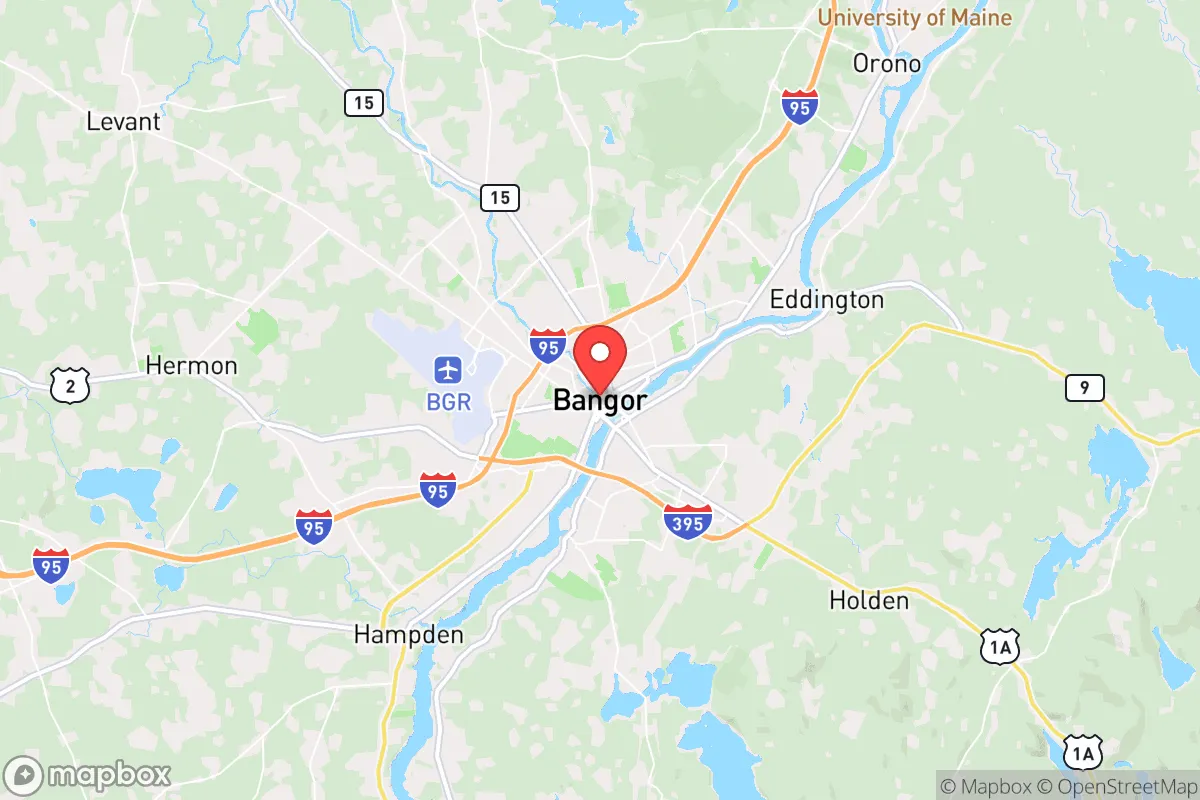
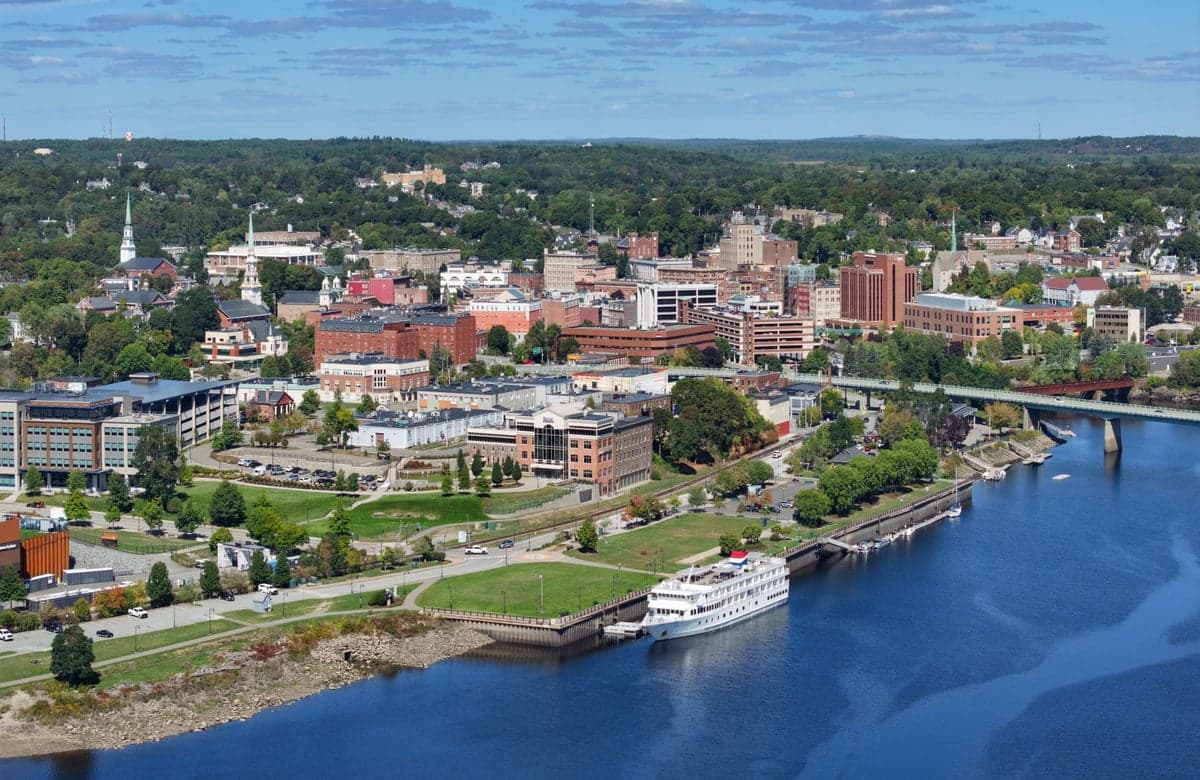
Photo: Wikipedia
Political ClimatePolitical Climate in Bangor, ME
District shown is the primary district for this city’s centroid. Cities may span multiple districts.
Local Political AnalysisPolitical Analysis of Bangor, ME
Bangor’s political climate has shifted noticeably over the past decade, and if you’ve lived here as long as I have, you’ve felt it. The city itself leans left, but the surrounding Penobscot County is a different story—it’s reliably conservative, with a Cook PVI of R+4. That means the area as a whole still tilts red, but Bangor proper has been trending blue, especially in city council races and local school board decisions. The real tension isn’t between parties so much as between the old-school, live-and-let-live Maine attitude and a newer push for progressive policies that feel like they’re creeping into everyday life.
How it compares
Drive 20 minutes south to Hampden or Brewer, and you’ll find towns that vote solidly Republican—places where the Second Amendment isn’t debated, and property taxes stay low. Head north to Orono, home of the University of Maine, and you get a younger, more liberal crowd that’s pushing for things like rent control and diversity mandates. Bangor sits right in the middle, but it’s leaning harder toward Orono’s side every election cycle. The 2022 gubernatorial race saw Penobscot County go for the Republican candidate, but Bangor’s precincts flipped for the Democrat. That split is real, and it’s widening.
What this means for residents
For folks who value personal freedom—whether that’s choosing your own healthcare, keeping your taxes low, or not having the government poke into your business—the trend in Bangor is worth watching. The city council has passed ordinances that feel like overreach, like stricter rental inspection rules and a push for “sanctuary city” policies that limit local cooperation with federal immigration enforcement. These moves sound good on paper, but they often come with more bureaucracy and less accountability. The school board has also debated curriculum changes that lean into social justice themes, which has parents worried about what’s being taught instead of the basics. If you’re a conservative or even a moderate who just wants to be left alone, you’ll find more breathing room in the surrounding towns. Bangor’s still a good place to live, but you’ll want to keep an eye on local elections—that’s where the real changes are happening.
Culturally, Bangor has always prided itself on being a little rough around the edges—a working-class city with a strong sense of community. But lately, there’s a push to rebrand it as a progressive hub, with more bike lanes, higher density zoning, and a focus on “equity” initiatives that often come with new taxes or fees. The old Bangor—the one where you could hunt on your own land without a permit hassle or run a small business without a dozen new regulations—is still here, but it’s fading. The long-term trajectory depends on who shows up to vote in the next few cycles. If the trend continues, expect more government involvement in your daily choices. If the R+4 lean holds, the surrounding county will keep things balanced, but the city itself is at a crossroads.

State Political ClimatePolitical Climate in Maine
State Political AnalysisPolitical Environment in the State
Maine has long been known as a politically independent state, but over the past two decades, it has shifted noticeably to the left, particularly at the state level. While it still elects centrist governors like Janet Mills (a Democrat who often tacks to the middle), the legislature and key policy decisions have moved progressively, driven by the population centers along the southern coast and the Portland metro area. The state’s overall partisan lean is now reliably Democratic in presidential elections—voting for Biden by 9 points in 2020—but the rural interior and northern counties remain deeply conservative, creating a sharp and growing divide.
Urban vs. rural divide
The political map of Maine is a tale of two states. The southern coastal corridor, anchored by Portland, South Portland, and Brunswick, is the engine of Democratic power. These areas have seen an influx of out-of-state transplants, many from Massachusetts and New York, who bring progressive voting habits and drive up housing costs. Portland itself is a deep blue city where progressive activism on climate, housing, and social issues dominates local politics. In contrast, the vast rural interior—places like Bangor, Presque Isle, and Madawaska—votes solidly Republican. The Second Congressional District, which covers most of the state outside the southern coast, is one of the few rural districts in the Northeast that consistently elects Republicans (currently Rep. Jared Golden, a moderate Democrat who often breaks with his party). The divide is stark: in 2020, Lincoln County (coastal, tourist-heavy) went for Biden by 15 points, while Piscataquis County (rural, forested) went for Trump by 20 points. This urban-rural split has only widened since 2016, as cultural and economic differences become more entrenched.
Policy environment
Maine’s policy environment has become increasingly interventionist, especially in the last five years. The state has a progressive income tax structure with rates up to 7.15%, and property taxes are among the highest in the nation—a burden that hits rural homeowners hard. The regulatory posture is generally business-friendly for small farms and tourism, but new environmental and labor regulations are piling up. In 2021, the legislature passed a paid family and medical leave program funded by payroll taxes, and in 2023, it enacted a strict "right to repair" law for vehicle data that has drawn national attention. Education policy is a flashpoint: the state has adopted "Maine Learning Results" standards that many conservatives view as overly progressive, and school boards in places like Cape Elizabeth and Falmouth have faced controversies over critical race theory and gender identity curriculum. Election laws are relatively open—same-day voter registration, no-excuse absentee voting, and ranked-choice voting for federal offices—which some conservatives argue dilutes election integrity. The state also has a "sanctuary state" policy that limits local law enforcement cooperation with federal immigration authorities, a move that has caused friction in more conservative towns like Sanford and Biddeford.
Trajectory & freedom
Over the past decade, Maine has moved decisively toward more government control in several areas of personal liberty. The most concerning trend for conservatives is the erosion of Second Amendment rights. In 2023, after the Lewiston mass shooting, the legislature passed a suite of gun control measures including a 72-hour waiting period for firearm purchases, expanded background checks for private sales, and a "red flag" law allowing courts to temporarily confiscate firearms from individuals deemed a risk. These laws were signed by Governor Mills and are now being challenged in court. On the parental rights front, the state has moved in the opposite direction of many red states: in 2022, it passed a law requiring schools to adopt policies that affirm transgender students' identities, including allowing them to use preferred names and pronouns without parental notification—a direct blow to parental authority. Medical autonomy has also been curtailed; Maine has some of the strictest vaccine mandates in the country, including for healthcare workers and schoolchildren, with limited religious exemptions. Property rights are under pressure from aggressive environmental regulations, particularly around shoreland zoning and renewable energy projects that can override local land-use decisions. The overall trajectory is clear: Maine is becoming less free for those who value individual choice, gun ownership, and parental control.
Civil unrest & political movements
Maine has seen its share of political activism, though it rarely reaches the intensity of larger states. The most visible flashpoint in recent memory was the Lewiston mass shooting in October 2023, which galvanized both gun control advocates and Second Amendment supporters. Protests and counter-protests erupted in Portland and Augusta, with the debate still raw. The state also has a strong environmental activist presence, particularly around the proposed CMP Corridor (a transmission line through western Maine), which sparked years of legal battles and a successful referendum to block it—though the project was ultimately revived by the courts. Immigration politics are quieter but simmering: Portland has seen a surge in asylum seekers, straining city services and causing friction with residents who feel the state’s sanctuary policies are unsustainable. Election integrity has been a persistent concern for conservatives, especially after the 2020 election when Maine became the first state to use ranked-choice voting in a presidential election. Some rural towns, like Dixfield and Rumford, have passed non-binding resolutions questioning the security of mail-in voting. The "Maine Second Amendment Coalition" is an active grassroots group that organizes at the statehouse, and there is a growing "Free Maine" movement that advocates for secession from the United States—though it remains fringe.
Projection
Looking ahead five to ten years, the trends are not encouraging for conservatives. In-migration is heavily skewed toward the southern coast, with people from blue states driving up housing prices and voting patterns. The Portland metro area is expected to continue growing, while rural counties like Aroostook and Washington are losing population. This demographic shift will likely push the state further left on cultural and economic issues. The Second Congressional District may flip permanently blue if population losses continue and redistricting occurs. However, there is a counter-trend: some conservative-leaning families are moving to cheaper, rural areas like Oxford County and Somerset County from more expensive states, which could slow the leftward drift. The state’s high taxes and regulatory burden may also deter some businesses, but the natural beauty and quality of life will continue to attract newcomers. Realistically, a conservative moving to Maine today should expect to live in a state where their political views are increasingly marginalized in state government, but where local control in rural towns still offers some refuge.
For a new resident, the bottom line is this: Maine offers stunning landscapes, strong communities, and a slower pace of life, but it comes with a government that is increasingly comfortable intervening in your personal choices. If you value low taxes, gun rights, and parental control over your children’s education, you will find yourself fighting an uphill battle at the state level. Your best bet is to settle in a conservative rural town like Belfast or Ellsworth, where local politics still reflect traditional values, and be prepared to engage in the political process to defend your freedoms. The state is not lost, but it is changing—and it will take active, informed citizens to keep it from sliding further.
* Values derived from national, state, county, city and local statistics and may differ in a specific area. Last updated: 2026-04-19T09:04:32.000Z
Narrative content on this page is AI-generated and may contain mistakes. Verify any details that matter before acting on them.
ReloMaps may earn a commission from affiliate links at no extra cost to you.

