 Popular
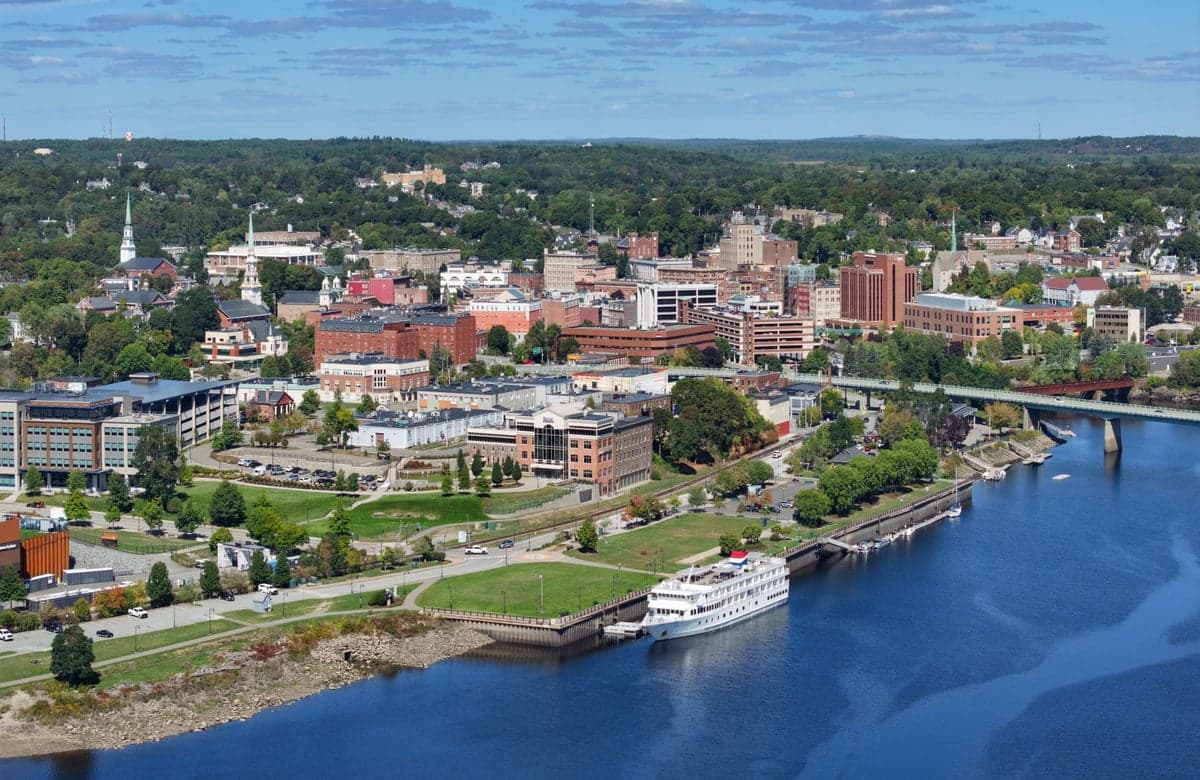
Photo: Wikipedia
Quality of Life in Bangor, ME
A high quality of life with strong walkability, manageable living costs, healthy neighborhood signals, and solid amenity access.
What does Quality of Life tell us?
Quality of Life blends cost of living, nearby amenities, socioeconomic signals, and neighborhood character. City-level scores represent the whole municipality; individual neighborhoods can differ.
What does this tell us?
Quality of Life blends cost of living, nearby amenities, socioeconomic signals, and neighborhood character. City-level scores represent the whole municipality; individual neighborhoods can differ.
Cost of Living
18% below national average
The Real Cost of Living in Bangor, ME for 2026
| Tier | Individual | Family (4) |
|---|---|---|
| Survival | $16k | $31k |
| Comfortable | $40k | $59k |
| Luxury | $105k+ | $163k+ |
| Elite (Top 5%) | $140k+ | $218k+ |
99%
The Area Signal
A metric tracking the socioeconomic signals of the area.


Hobbies
Explore the areaGroceries
5 within 10 miles
Gas
0 within 10 miles
Hospital
3 within 20 miles
Airport
PDX — Portland International Jetport
Post Office
USPS — Bangor, ME
Critical Amenities
Quality-of-Life Analysis
Bangor, Maine offers a quality of life defined by modest affluence and a strong sense of community, attracting a mix of university students, healthcare professionals, and remote workers seeking a lower cost of living without sacrificing urban amenities. With a cost-of-living index of 82—18% below the national average—the city provides a financial cushion that is increasingly rare in the Northeast. The population skews slightly older and more educated than the state average, anchored by the University of Maine and Northern Light Health, which together shape the area's stable, knowledge-driven economy.
How housing costs and daily expenses compare to Portland and other Maine cities
Bangor's housing market is a standout advantage for newcomers. The median home value sits at $206,300, roughly half of Portland's median and well below the national figure of $350,000. Median rent is $1,019, making it one of the most affordable rental markets in New England for a city of its size. The average commute is just 17 minutes, far shorter than the national average of 26 minutes, which translates to lower transportation costs and more time at home. Compared to nearby towns like Orono or Brewer, Bangor offers slightly lower home prices but a wider selection of services and retail, creating a favorable trade-off for most buyers. Property taxes in Penobscot County are moderate for Maine, averaging about 1.2% of assessed value, which keeps monthly carrying costs manageable even for first-time buyers.
What daily life is like for families, students, and remote workers
Daily life in Bangor revolves around a compact, walkable downtown and easy access to outdoor recreation. The Bangor School Department operates six elementary schools, one middle school, and Bangor High School, which has a graduation rate of 88% and offers several Advanced Placement courses. For higher education, the University of Maine in Orono is a 10-minute drive north, and Husson University and Eastern Maine Community College are within city limits. Amenities include the Cross Insurance Center for concerts and sports, the Bangor Public Library (one of the oldest in the U.S.), and the Bangor Mall for shopping. The city's rhythm is notably slower than Portland's—restaurants and cafes close earlier, and nightlife is limited—but residents value the quiet evenings and low crime rates. The Kenduskeag Stream Trail and the Bangor City Forest provide immediate hiking and biking options, while Baxter State Park and Acadia National Park are within a 1.5-hour drive for weekend trips.
Bangor is best suited for people who prioritize affordability, short commutes, and a close-knit community over fast-paced urban energy. Remote workers and early-career professionals will find the housing costs freeing, while families benefit from solid public schools and low traffic. Retirees are drawn to the walkable downtown and proximity to healthcare at Northern Light Eastern Maine Medical Center. Those seeking vibrant nightlife, diverse dining, or a booming job market may find Bangor too quiet, but for anyone looking to stretch their income and enjoy four-season recreation, it is a pragmatic and rewarding choice.

Crime in Bangor, ME
Generally safer than 65% of comparable U.S. locations.
Violent CrimeViolent Crime Analysis
Property CrimeProperty Crime Analysis
Crime Analysis
Bangor, Maine, reports a violent crime rate of 242.1 incidents per 100,000 residents, which is below the national average but above the state average for Maine. However, the city's property crime rate of 3,818.3 per 100,000 is significantly higher than both state and national benchmarks, placing it among the more challenged communities in the region for theft and burglary. This combination of below-average violence and above-average property crime creates a nuanced safety picture that prospective residents should examine closely.
Crime in context
When compared to the rest of Maine, Bangor's violent crime rate is roughly 30% higher than the state average, though it remains about 20% lower than the national median. The property crime rate, however, is nearly double the statewide figure and roughly 15% above the national average. These numbers place Bangor in a tier with other small urban centers in northern New England that serve as regional hubs. A critical factor in this disparity is the influence of progressive judicial policies in Penobscot County and across Maine. Liberal-leaning district attorneys and judges who prioritize offender rehabilitation over incarceration have been linked to higher recidivism and more property crimes, as repeat offenders face reduced consequences. This ideological approach, while sympathetic to offenders, directly contributes to more criminals remaining on the street, undermining public safety and justice for victims.
What residents experience
For daily life in Bangor, the most tangible safety concern is property crime. Residents commonly report vehicle break-ins, bicycle thefts, and package thefts from porches, particularly in neighborhoods near the downtown core and the University of Maine at Augusta's Bangor campus. Violent crime, while less frequent, does occur and is often concentrated in specific areas, including the intersection of Main and Hammond streets and around certain low-income housing complexes. Residents should be aware that the progressive justice system in Maine often results in short sentences for property offenders, meaning a stolen bike or a broken car window may lead to little more than a court appearance for the perpetrator. This creates a sense of impunity among repeat offenders and frustration among law-abiding citizens.
Neighborhood-level variation
Safety in Bangor varies significantly by neighborhood. The Fairmount and Little City areas, along with the outskirts near the Bangor International Airport, generally report lower crime rates and are considered safer for families. In contrast, the downtown corridor, the area around the Bangor Mall, and the neighborhoods near the Penobscot River bridge to Brewer experience higher concentrations of both property and violent crime. Prospective residents should prioritize neighborhoods with higher homeownership rates and active neighborhood watch programs, as these areas tend to have stronger community cohesion and lower crime. The presence of progressive judges in the local court system means that even in safer neighborhoods, residents should remain vigilant about securing property and reporting suspicious activity, as the legal system may not provide a strong deterrent against repeat offenders.
* Values derived from national, state, county, city and local statistics and may differ in a specific area. Last updated: 2026-04-19T09:04:32.000Z
Narrative content on this page is AI-generated and may contain mistakes. Verify any details that matter before acting on them.
ReloMaps may earn a commission from affiliate links at no extra cost to you.

