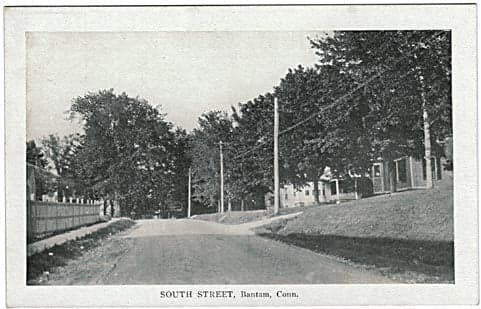
Photo: Wikipedia
Quality of Life in Bantam, CT
A high quality of life with strong walkability, manageable living costs, healthy neighborhood signals, and solid amenity access.
What does Quality of Life tell us?
Quality of Life blends cost of living, nearby amenities, socioeconomic signals, and neighborhood character. City-level scores represent the whole municipality; individual neighborhoods can differ.
What does this tell us?
Quality of Life blends cost of living, nearby amenities, socioeconomic signals, and neighborhood character. City-level scores represent the whole municipality; individual neighborhoods can differ.
Cost of Living
24% below national average
The Real Cost of Living in Bantam, CT for 2026
| Tier | Individual | Family (4) |
|---|---|---|
| Survival | $11k | $20k |
| Comfortable | $57k | $83k |
| Luxury | $93k+ | $144k+ |
| Elite (Top 5%) | $139k+ | $215k+ |
62%
The Area Signal
A metric tracking the socioeconomic signals of the area.
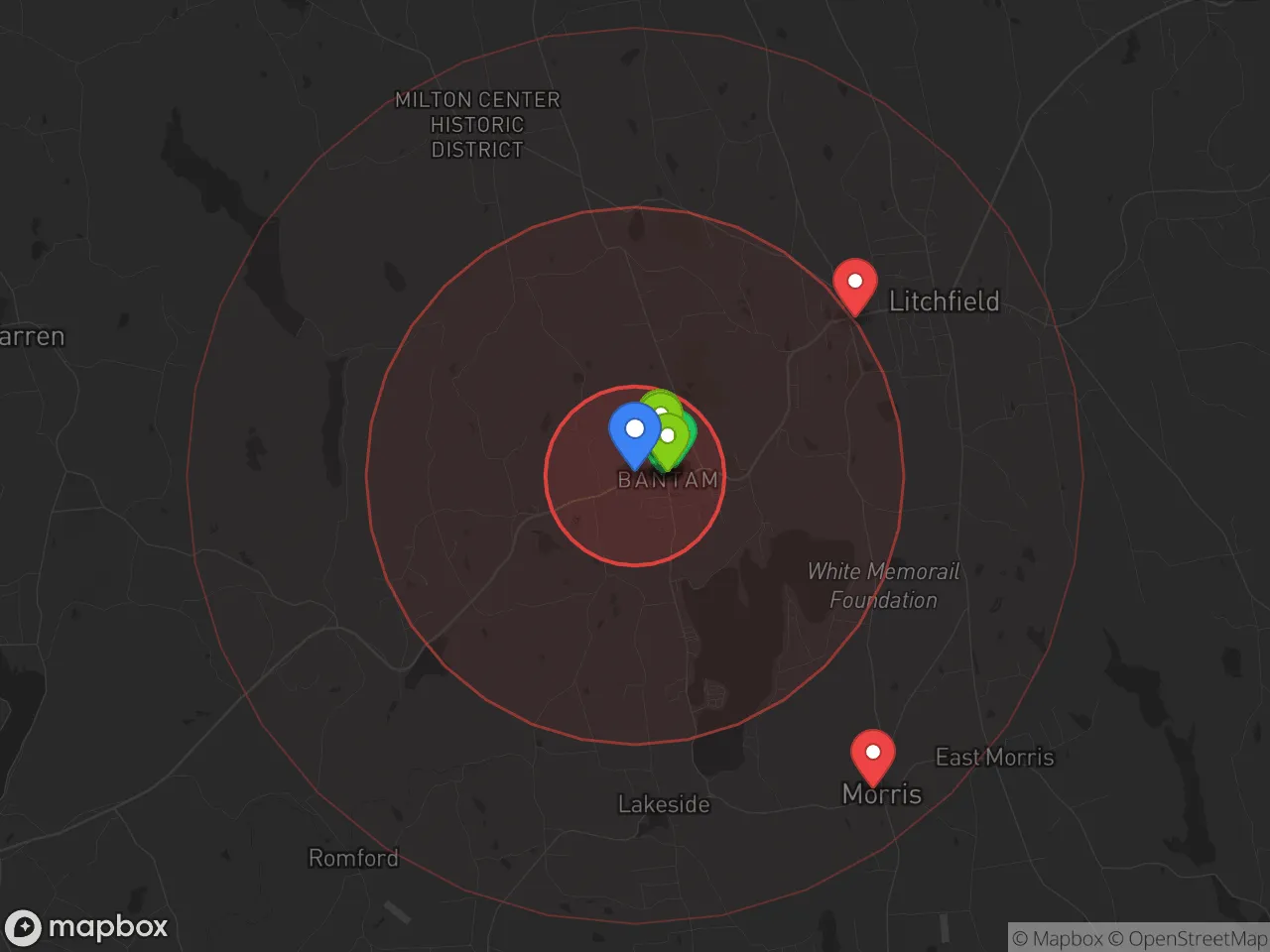
Hobbies
Explore the areaGroceries
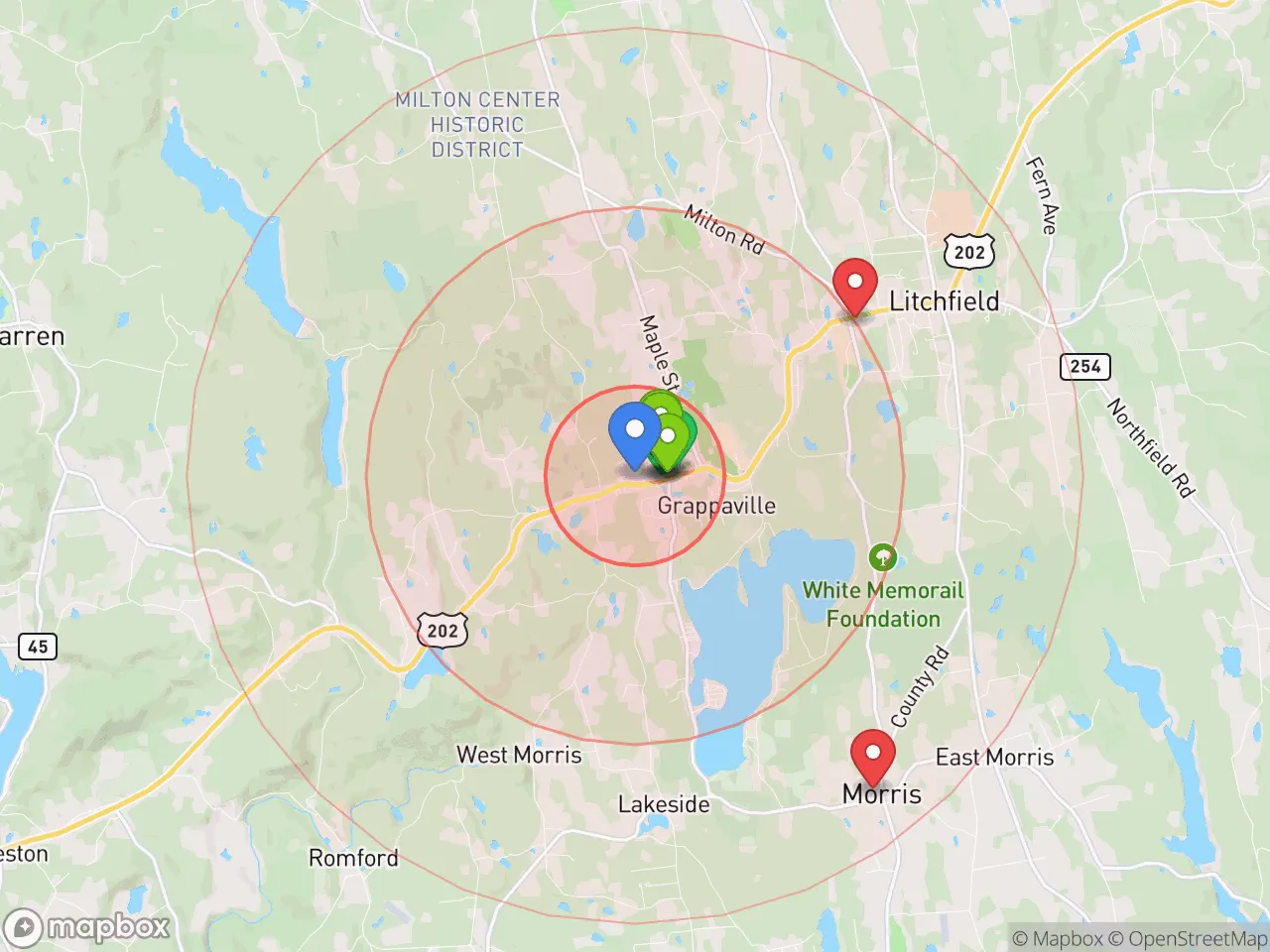
3 within 10 miles
Gas
16 within 10 miles
Hospital
6 within 20 miles
Airport
JFK — John F. Kennedy International
Post Office
USPS — Morris, CT
Critical Amenities
Quality-of-Life Analysis
Bantam, Connecticut, is a small, affluent borough in Litchfield County where the cost of living sits well below the national average despite its high-quality housing stock and scenic surroundings. With a cost-of-living index of 76 (100 = U.S. average), the area attracts a mix of professionals, retirees, and families seeking a quieter, more affordable alternative to nearby Torrington or Litchfield proper. The population skews older and more established, with a median age around 50, reflecting a community that values stability, low crime, and access to outdoor recreation over urban bustle.
Cost of living and housing affordability compared to Litchfield County
Bantam’s housing market is notably affordable for the region, with a median home value of $292,000—roughly 30% lower than the Litchfield County median of $420,000. Renters benefit even more, with a median rent of just $666, which is about half the county average and among the lowest in northwestern Connecticut. This affordability stems from the borough’s compact size and limited new construction, keeping inventory tight but prices grounded. Property taxes in Bantam are moderate for Connecticut, averaging around 2.5% of assessed value, though they are higher than in neighboring Cornwall or Kent. For comparison, a similar home in Litchfield town would cost $100,000–$150,000 more, making Bantam a practical entry point for buyers who want Litchfield Hills access without the premium price tag. Utilities and groceries also run below state averages, though transportation costs can add up due to limited public transit and the need to drive to Torrington (10 minutes) for most shopping and services.
What daily life is like for families and retirees in Bantam
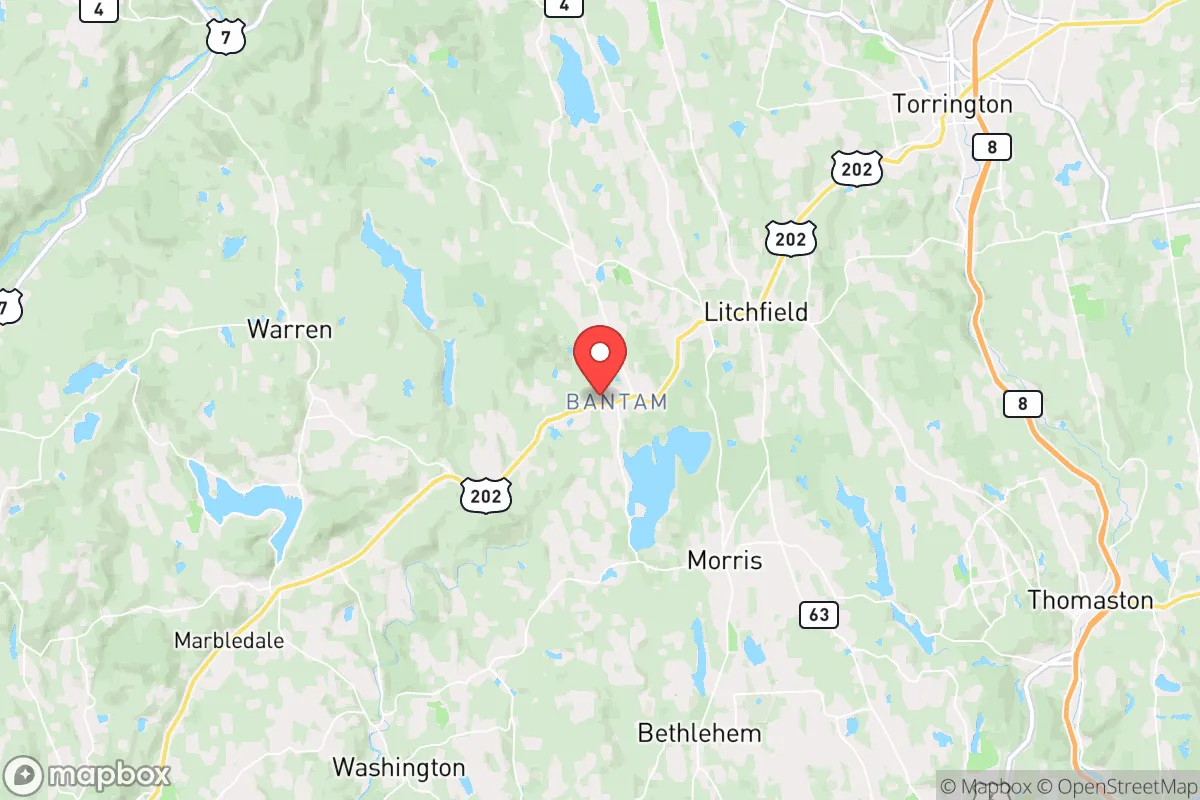
Daily life in Bantam revolves around its walkable downtown core, which features a handful of local businesses, a post office, and the Bantam River running through the center. The borough lacks a supermarket or major retail, so most residents drive to Torrington for groceries and errands. Schools are served by the Litchfield Public Schools district, which includes Litchfield High School (rated above average by Niche) and the smaller Bantam Elementary School. For families, the draw is the low student-to-teacher ratio (around 11:1) and the district’s strong extracurricular programs, though options for specialized education are limited compared to larger districts. Retirees appreciate the quiet streets, the Bantam Lake area for fishing and boating, and the proximity to White Memorial Conservation Center’s 4,000 acres of trails. Dining is sparse but includes the popular Bantam Bread Company and a few casual eateries; for more variety, residents head to Litchfield’s village green or Torrington’s commercial strip. Healthcare is accessible via Charlotte Hungerford Hospital in Torrington (10 minutes away), but specialist care often requires a 30-minute drive to New Milford or Waterbury.
Bantam is best suited for those who prioritize affordability, safety, and a slower pace over urban amenities or career density. Families with young children will find good public schools and a tight-knit community, though they should plan for longer commutes to employment hubs in Hartford (45 minutes) or Danbury (40 minutes). Retirees and remote workers will thrive here, given the low housing costs, low crime rates, and easy access to hiking, lakes, and state parks. The borough is not ideal for singles seeking nightlife or renters needing walkable transit—but for anyone who values a quiet, cost-effective base in the Litchfield Hills, Bantam delivers a quality of life that punches above its price tag.

Crime in Bantam, CT
Generally safer than 72% of comparable U.S. locations.
Violent CrimeViolent Crime Analysis
Property CrimeProperty Crime Analysis
Crime Analysis
Bantam, Connecticut, presents a mixed safety profile that demands careful consideration from potential residents. While the borough’s violent crime rate of 107.9 per 100,000 residents is notably low, its property crime rate of 1,139.8 per 100,000 is a significant concern, particularly given the broader context of Connecticut’s progressive judicial environment. This combination means that while violent confrontations are rare, the risk of theft, burglary, and property damage is elevated, and the local justice system’s approach to offenders may not provide the deterrent effect many homeowners expect.
Crime in context
Bantam’s violent crime rate is roughly 60% lower than the national average, making it a comparatively safe place for personal security. However, its property crime rate is approximately 10% higher than the national average and significantly above the Connecticut state average. This disparity is typical of small, affluent boroughs near larger metro areas like Litchfield County, where property crimes—especially vehicle break-ins and package thefts—are more common. The borough’s proximity to Waterbury and Hartford means it falls under the jurisdiction of courts and district attorneys in Litchfield County, which, like much of Connecticut, has adopted progressive sentencing reforms. These policies, while intended to reduce incarceration, often result in shorter sentences and more diversion programs for property offenders, meaning repeat thefts and burglaries are not uncommon.
What residents experience
Daily life in Bantam is generally peaceful, with residents reporting that violent incidents are virtually unheard of. The primary safety concern is property crime, which manifests as unlocked car thefts, shed burglaries, and occasional home break-ins during daylight hours when homes are vacant. The borough’s small size and tight-knit community mean that many residents know their neighbors, which helps deter some crime, but the lack of a dedicated local police force (the Connecticut State Police and Litchfield County Sheriff’s Office provide coverage) can lead to slower response times for non-emergency property crimes. Residents should be aware that the progressive judicial philosophy in Litchfield County often prioritizes rehabilitation over punishment, which can result in property offenders being released quickly and returning to the same neighborhoods.
Neighborhood-level variation in Bantam is limited due to its small geographic footprint, but some patterns exist. The area around Bantam Lake, with its seasonal vacation homes, sees a higher incidence of burglaries during the off-season (November through March). The more densely settled village center, near the intersection of Route 209 and Route 202, experiences more vehicle-related thefts due to higher foot traffic. In contrast, the residential streets off East Shore Road and West Shore Road are quieter but more vulnerable to isolated break-ins. Overall, Bantam is a safe community for those who take standard precautions—locking doors, installing exterior lighting, and securing vehicles—but the property crime rate and the lenient judicial environment are factors that should weigh on any relocation decision, especially for families with valuable possessions or those accustomed to a more punitive justice system.
* Values derived from national, state, county, city and local statistics and may differ in a specific area. Last updated: 2026-04-30T00:35:56.000Z
Narrative content on this page is AI-generated and may contain mistakes. Verify any details that matter before acting on them.
ReloMaps may earn a commission from affiliate links at no extra cost to you.

