Photo: Wikipedia
Quality of Life in Barton, VT
A high quality of life with strong walkability, manageable living costs, healthy neighborhood signals, and solid amenity access.
What does Quality of Life tell us?
Quality of Life blends cost of living, nearby amenities, socioeconomic signals, and neighborhood character. City-level scores represent the whole municipality; individual neighborhoods can differ.
What does this tell us?
Quality of Life blends cost of living, nearby amenities, socioeconomic signals, and neighborhood character. City-level scores represent the whole municipality; individual neighborhoods can differ.
Cost of Living
43% below national average
The Real Cost of Living in Barton, VT for 2026
| Tier | Individual | Family (4) |
|---|---|---|
| Survival | $12k | $22k |
| Comfortable | $26k | $38k |
| Luxury | $54k+ | $84k+ |
| Elite (Top 5%) | $64k+ | $99k+ |
92%
The Area Signal
A metric tracking the socioeconomic signals of the area.
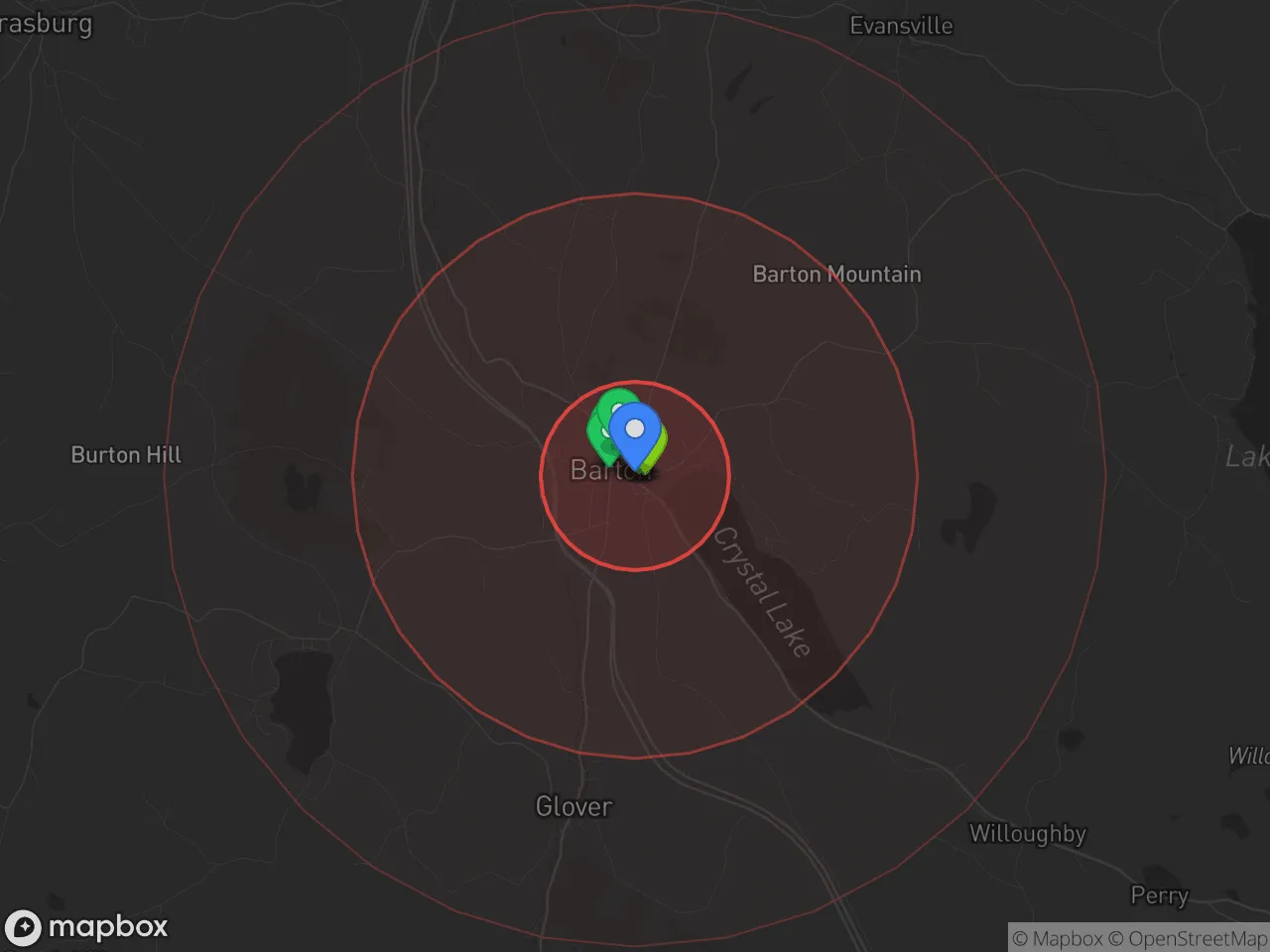
Hobbies
Explore the areaGroceries
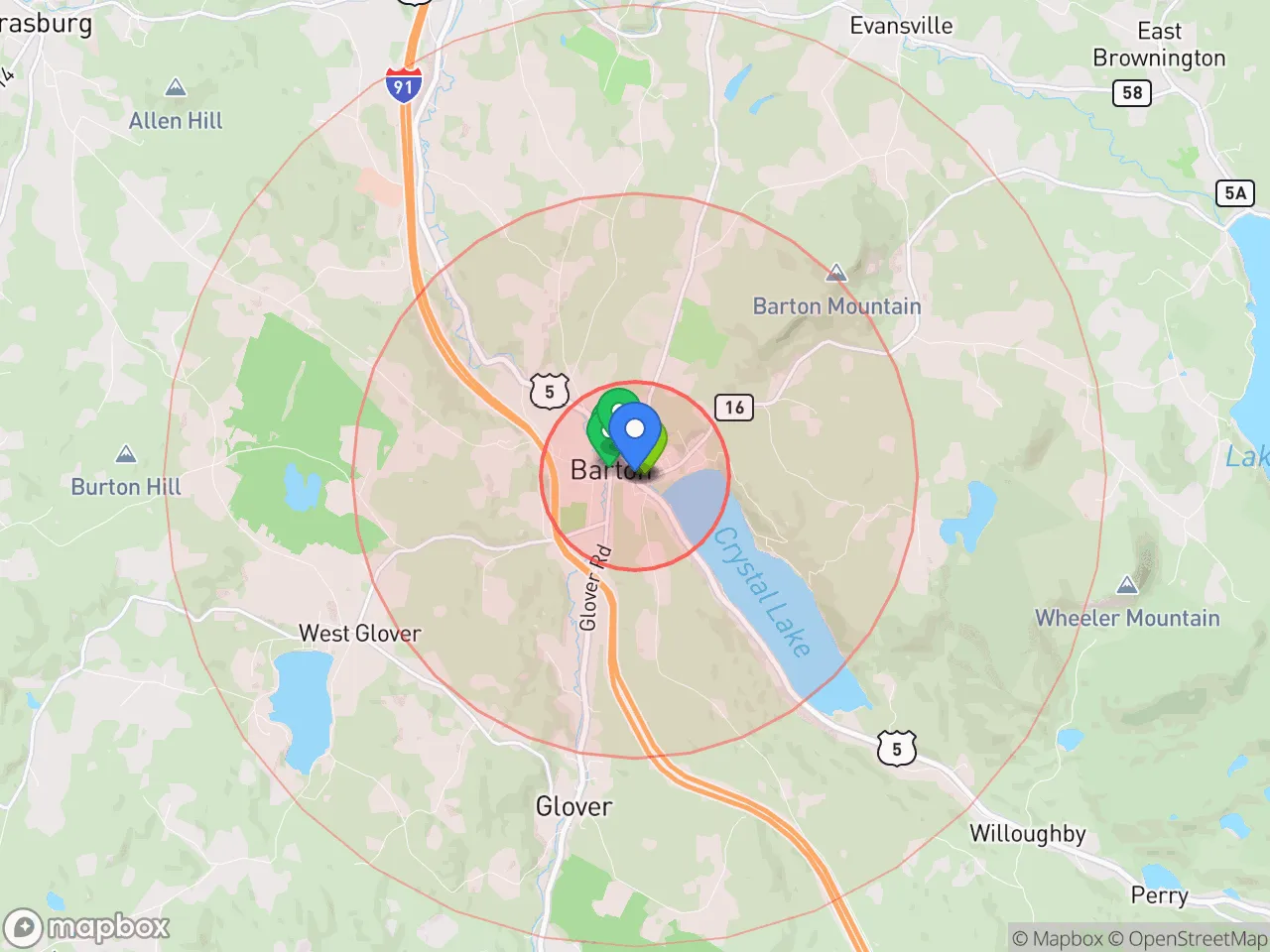
0 within 10 miles
Gas
5 within 10 miles
Hospital
1 within 20 miles
Airport
PDX — Portland International Jetport
Post Office
USPS — Barton, VT
Critical Amenities
Quality-of-Life Analysis
Barton, Vermont, offers a quality of life defined by rural affordability and a tight-knit community, with a cost of living index of 57—well below the U.S. average of 100—making it one of the most budget-friendly places in the Northeast Kingdom. The population skews older and more settled, with many residents working in local trades, agriculture, or commuting to nearby employment hubs like Newport (15 miles north) or St. Johnsbury (20 miles south). This is not a transient or wealthy enclave; it’s a place where long-term locals and newcomers seeking a simpler, slower pace coexist, supported by a median household income that aligns with the area’s low housing costs.
Cost of living, housing, and affordability compared to nearby towns
Barton’s cost of living index of 57 is roughly 43% below the national average, driven largely by housing. The median home value sits at $133,800, a fraction of Vermont’s statewide median of around $290,000 and significantly less than in Burlington (over $400,000). Median rent is $746, compared to $1,200+ in Chittenden County. For context, a home in Barton costs about half as much as one in Newport (median $260,000) and roughly a third of a comparable property in St. Johnsbury ($380,000). Property taxes in Orleans County average 1.8% of assessed value, slightly above the state average but manageable given the low purchase prices. Utilities, particularly heating oil in winter, can be a notable expense—budgeting $200–$300 monthly for fuel is common—but overall, a household earning $40,000–$50,000 can live comfortably here, whereas the same income would be tight in most other Vermont towns.
Local amenities, schools, and what daily life is like
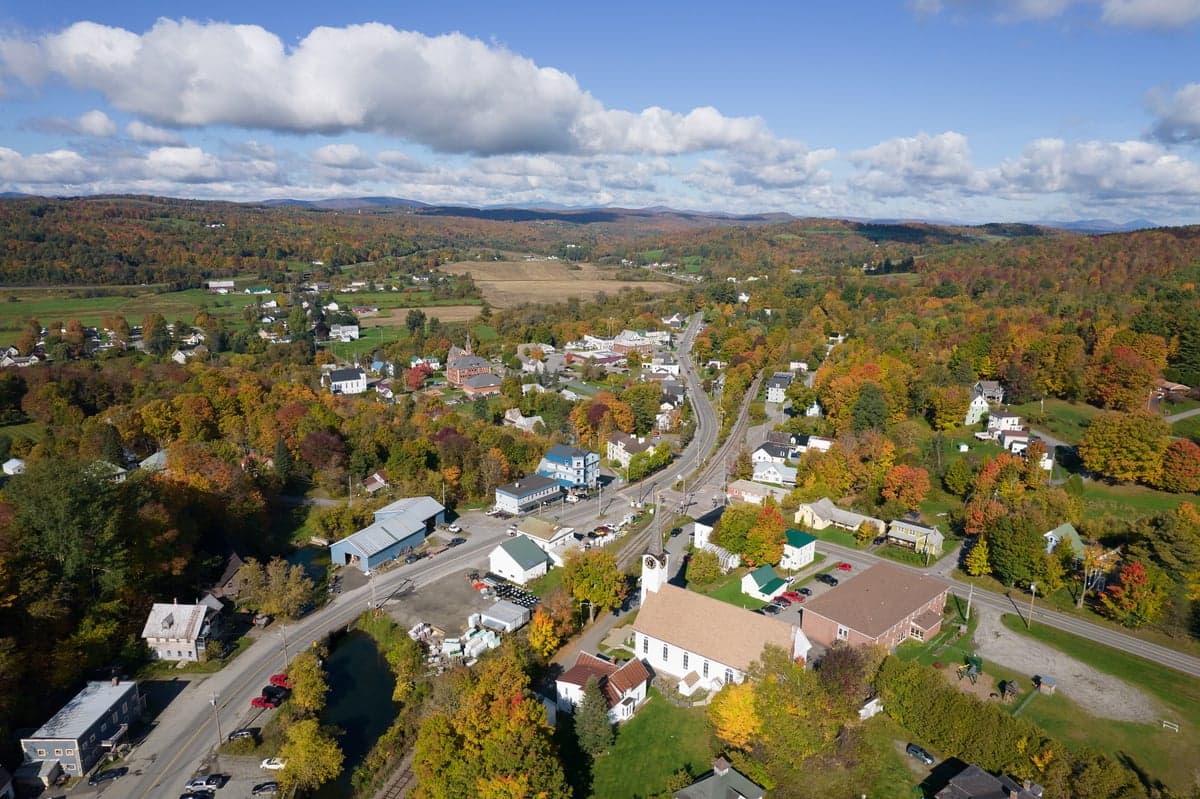
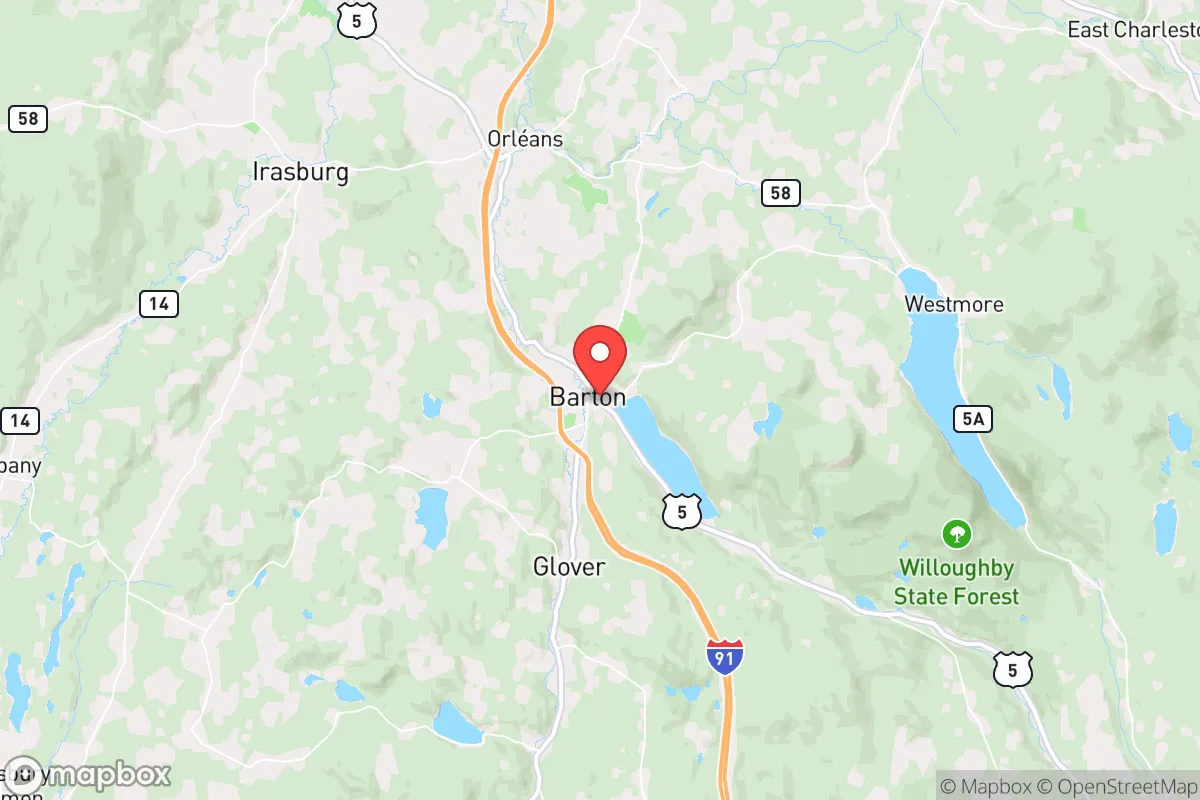
Daily life in Barton revolves around a small downtown core along the Barton River, anchored by the Barton Public Library, a handful of locally owned shops, and the Barton Farmers Market (June–October). Groceries are available at the Barton Village Market, but for major shopping, residents drive 20 minutes to Newport’s Walmart or 40 minutes to St. Johnsbury. The Lake Region Union High School (grades 7–12) serves the area with about 400 students and a 12:1 student-teacher ratio; elementary students attend Barton Graded School. Healthcare is limited: the nearest hospital is North Country Hospital in Newport (15 minutes), while specialized care requires a 90-minute drive to Burlington’s UVM Medical Center. Outdoor recreation defines leisure time—Crystal Lake (1 mile east) offers swimming and fishing in summer, and the Barton Golf Club provides a nine-hole course. Winter brings snowmobiling on the VAST trail network and cross-country skiing at nearby Kingdom Trails in East Burke (25 minutes). The pace is slow; restaurants are few (try Miss Lyndonville Diner for breakfast), and evening entertainment is largely home-based or community events at the Barton Memorial Building.
Barton is best suited for those who prioritize low housing costs and a quiet, rural lifestyle over urban amenities and career diversity. Retirees on fixed incomes, remote workers with stable internet (fiber is available in parts of the village), and families who value small schools and outdoor access will find the most to appreciate. It is less ideal for young professionals seeking nightlife, diverse dining, or rapid career growth, as job opportunities are concentrated in healthcare, education, and retail. For anyone willing to embrace a slower rhythm and a community where neighbors know each other, Barton delivers an affordable, grounded quality of life that is increasingly rare in Vermont.

Crime in Barton, VT
Generally safer than 71% of comparable U.S. locations.
Violent CrimeViolent Crime Analysis
Property CrimeProperty Crime Analysis
Crime Analysis
Barton, Vermont, presents a mixed safety profile that requires careful consideration. The village's violent crime rate of 213.8 incidents per 100,000 residents is slightly below the national average, but its property crime rate of 1,415.9 per 100,000 exceeds the national figure by a notable margin. These statistics place Barton in a challenging position for a small, rural community, where residents often expect lower crime than in urban centers.
Crime in context
When compared to Vermont's statewide averages, Barton's violent crime rate is roughly in line with the state's overall figure of approximately 200 per 100,000. However, the property crime rate is significantly higher than Vermont's average of about 1,100 per 100,000. This disparity suggests that while violent incidents are not disproportionately common, theft, burglary, and related offenses are a more pressing concern. For context, the national violent crime rate sits near 380 per 100,000, making Barton's rate roughly half the U.S. average. The property crime rate, however, is about 10% above the national average of roughly 1,300 per 100,000. These numbers indicate that Barton is not a high-crime area by national standards, but the elevated property crime warrants attention from prospective residents.
What residents experience
Daily life in Barton is shaped by a small-town atmosphere where most residents know their neighbors. Violent crime is rare, and random acts of violence are not a typical concern. The more common frustrations involve theft from vehicles, burglaries of unoccupied homes or sheds, and occasional vandalism. These property crimes often target items left unsecured, such as bicycles, tools, or outdoor equipment. The local police department, while small, is responsive, but the rural geography means response times can be longer than in denser areas. It is also important to note that Vermont's justice system, influenced by progressive and rehabilitative philosophies, has been criticized for lenient sentencing and early release policies. This approach, while intended to reduce recidivism, can result in repeat property offenders cycling back into the community, which directly impacts the sense of security for law-abiding residents.
Neighborhood-level variation
Crime in Barton is not evenly distributed. The central village core, particularly around Main Street and the commercial areas, sees higher foot traffic and a corresponding increase in petty theft and occasional disorderly conduct. Residential streets farther from the center, such as those near the Barton River or along the outskirts, tend to experience fewer incidents. However, isolated rural properties can be more vulnerable to burglary due to their seclusion. Prospective residents should consider that while the overall risk is moderate, taking basic precautions—such as securing outbuildings, using motion-sensor lighting, and participating in neighborhood watch efforts—can significantly reduce the likelihood of becoming a victim. The key takeaway is that Barton is generally safe for families and individuals who are vigilant about property security, but the community's small size means that any crime feels more personal and impactful.
* Values derived from national, state, county, city and local statistics and may differ in a specific area. Last updated: 2026-04-30T13:57:35.000Z
Narrative content on this page is AI-generated and may contain mistakes. Verify any details that matter before acting on them.
ReloMaps may earn a commission from affiliate links at no extra cost to you.

