Quality of Life in Baxter Village, SC
A high quality of life with strong walkability, manageable living costs, healthy neighborhood signals, and solid amenity access.
What does Quality of Life tell us?
Quality of Life blends cost of living, nearby amenities, socioeconomic signals, and neighborhood character. City-level scores represent the whole municipality; individual neighborhoods can differ.
What does this tell us?
Quality of Life blends cost of living, nearby amenities, socioeconomic signals, and neighborhood character. City-level scores represent the whole municipality; individual neighborhoods can differ.
Cost of Living
46% above national average
The Real Cost of Living in Baxter Village, SC for 2026
| Tier | Individual | Family (4) |
|---|---|---|
| Survival | $21k | $40k |
| Comfortable | $106k | $156k |
| Luxury | $188k+ | $291k+ |
| Elite (Top 5%) | $221k+ | $342k+ |
94%
The Area Signal
A metric tracking the socioeconomic signals of the area.
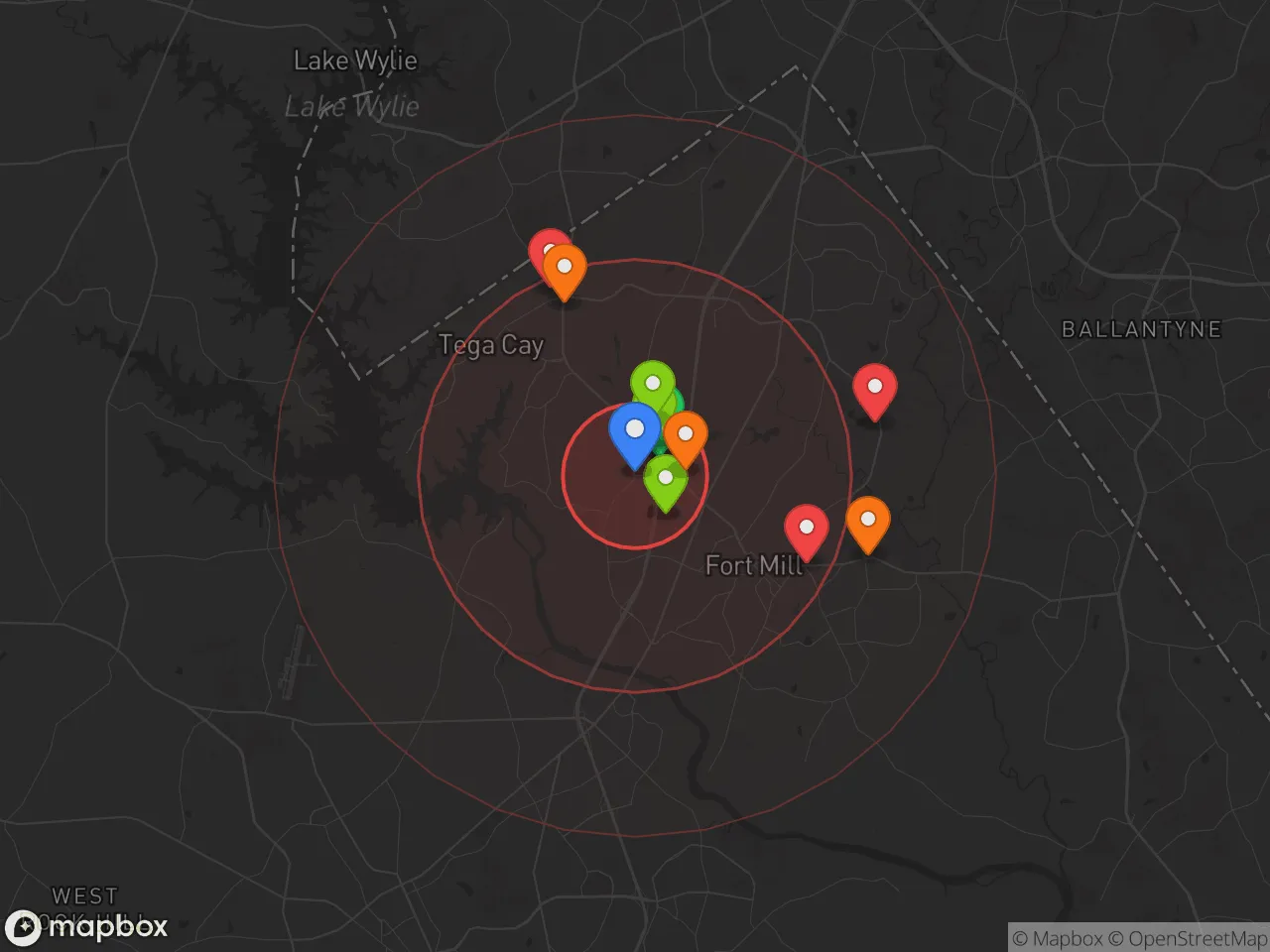
Hobbies
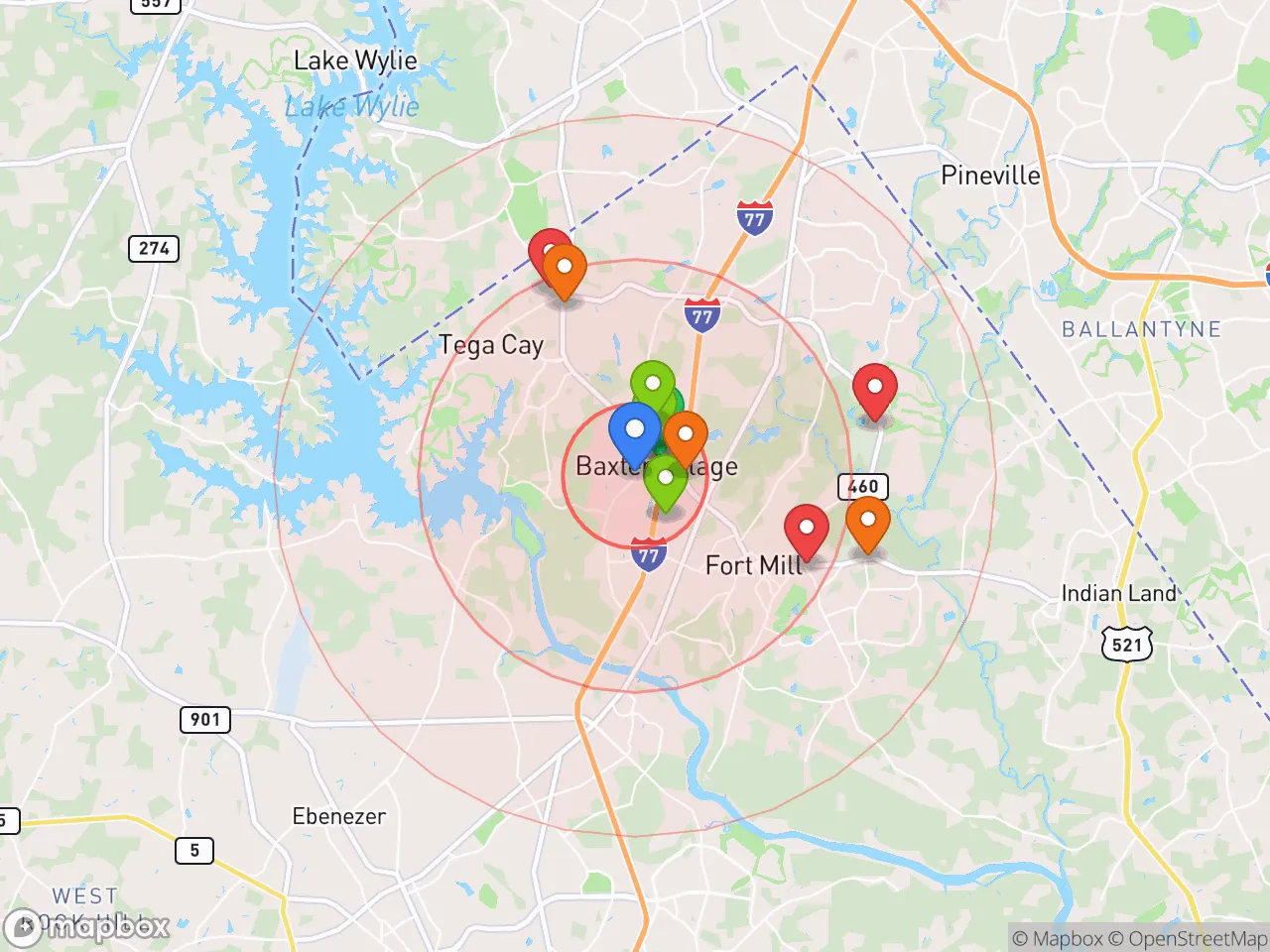
Explore the areaGroceries
6 within 10 miles
Gas
20 within 10 miles
Hospital
20 within 20 miles
Airport
CLT — Charlotte Douglas International
Post Office
USPS — Pineville, NC
Critical Amenities
Quality-of-Life Analysis
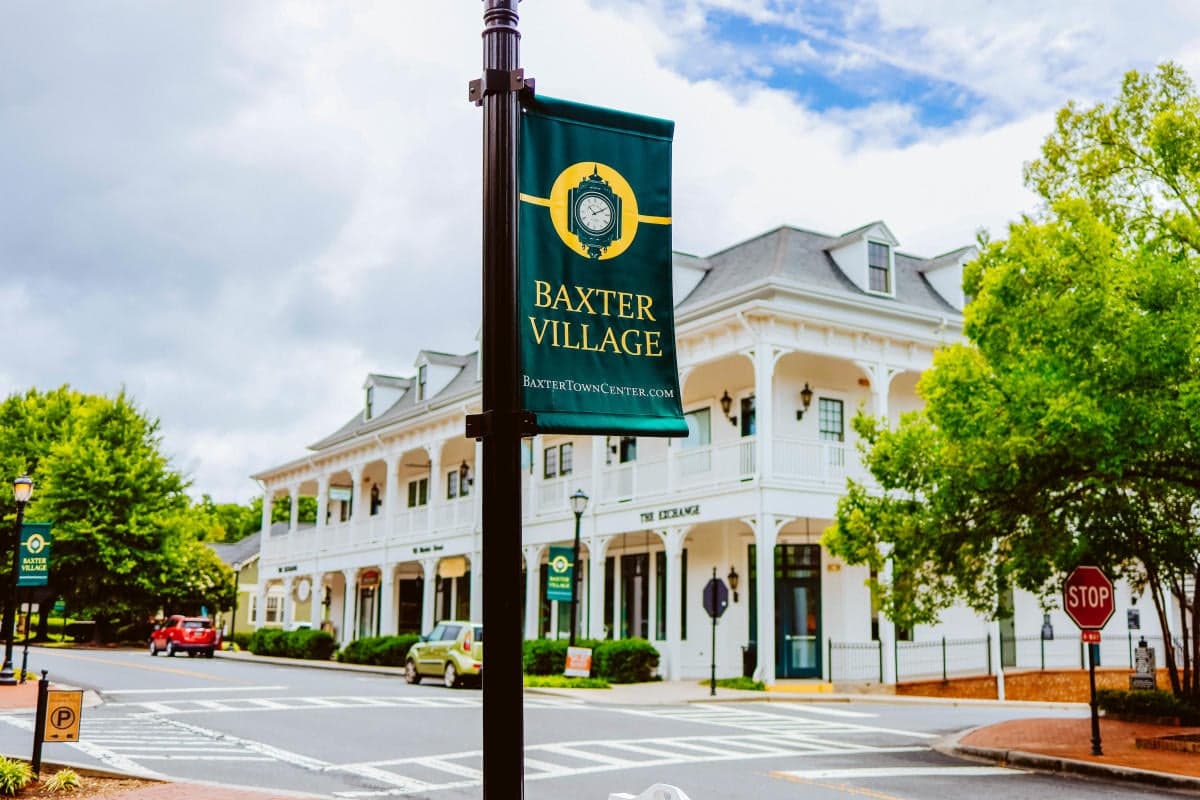
Baxter Village, a master-planned community in Fort Mill, South Carolina, is an affluent suburban enclave designed for professionals and families seeking a walkable, amenity-rich lifestyle within commuting distance of Charlotte. With a cost of living index of 146 — 46% above the national average — the village attracts upper-middle-class residents, many of whom work in Charlotte’s banking, energy, and healthcare sectors. The community’s New Urbanist design, tree-lined streets, and central town green foster a social, pedestrian-oriented atmosphere that contrasts with typical suburban sprawl.
Cost of living, housing prices, and how Baxter Village compares to nearby areas
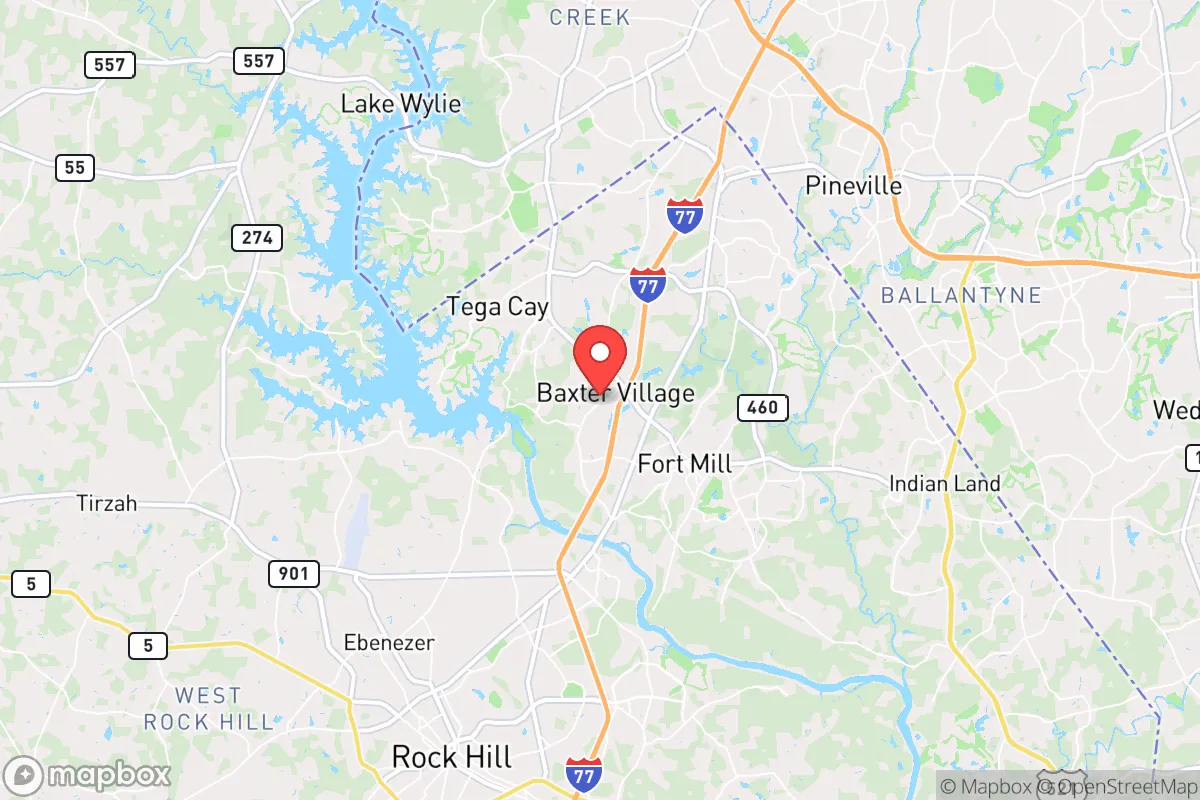
Baxter Village’s cost of living is significantly higher than both the South Carolina average (index ~95) and the national baseline, driven primarily by housing. The median home value sits at $547,300, roughly double the Fort Mill area median and nearly triple the state median. This premium reflects the community’s desirability, walkable layout, and proximity to Charlotte (just 12 miles south). Median rent is $1,334, which is moderate for the area but still above the national median of ~$1,200. For comparison, a comparable home in Charlotte’s Dilworth or SouthPark neighborhoods would cost $600,000–$800,000, making Baxter Village a relative value for those seeking a suburban feel with urban amenities. The average commute of 24.6 minutes is shorter than the national average of 27 minutes and well below Charlotte’s 30-minute average, a key draw for workers commuting to Uptown Charlotte or the I-77 corridor. Property taxes in York County are low — roughly 0.6% of assessed value — which partially offsets the high home prices. However, HOA fees in Baxter Village typically run $150–$250 per month, adding to the total monthly housing cost.
What daily life is like: amenities, schools, and community rhythm
Daily life in Baxter Village revolves around its central green, where residents gather for farmers’ markets, concerts, and seasonal events like the Christmas tree lighting. The community includes a mix of single-family homes, townhomes, and apartments, all within walking distance of the Village Center, which houses a Harris Teeter grocery store, boutique shops, and several restaurants (e.g., The Flipside Café and Local Dish). The Anne Springs Close Greenway, a 2,100-acre nature preserve with hiking and biking trails, is adjacent to the village. Schools are a major draw: Fort Mill School District is consistently ranked among the top in South Carolina, with Baxter Village zoned for Orchard Park Elementary (rated 9/10 on GreatSchools), Banks Trail Middle School (8/10), and Fort Mill High School (9/10). The community’s design encourages walking and biking — many children walk to school — and the average commute time of 24.6 minutes means parents spend less time in cars and more time at home or on the green. Crime rates in Fort Mill are well below national averages, with violent crime roughly 70% lower than the U.S. median.
Baxter Village is best suited for professionals, remote workers, and families who prioritize walkability, top-tier schools, and a strong sense of community over raw affordability. The high cost of living and HOA fees will deter budget-conscious buyers, but for those earning above-median incomes — particularly dual-income households in Charlotte’s finance or tech sectors — the trade-off for a 24-minute commute, low crime, and a built-in social network is compelling. Empty nesters and retirees also find the village appealing for its maintenance-free townhome options and proximity to medical facilities like Piedmont Medical Center. Anyone seeking a truly urban lifestyle or nightlife will find Baxter Village too quiet; its rhythm is distinctly suburban-family-oriented, with most activity centered on the green and school events. For the right demographic, however, it offers one of the highest quality-of-life packages in the Charlotte metro area.

Crime in Baxter Village, SC
Crime rates similar to the national median for U.S. locations.
Violent CrimeViolent Crime Analysis
Property CrimeProperty Crime Analysis
Crime Analysis
Baxter Village, South Carolina, presents a mixed safety profile for prospective residents. The community's violent crime rate stands at 370.4 incidents per 100,000 residents, while property crime occurs at a rate of 1,632.5 per 100,000. These figures place Baxter Village in a cautionary position, particularly given its proximity to a large metropolitan area where progressive prosecutorial policies can influence regional crime trends.
Crime in context
Compared to national averages, Baxter Village's violent crime rate is roughly on par with the U.S. median, but its property crime rate exceeds the national figure by approximately 10-15%. When measured against South Carolina's statewide violent crime rate of about 490 per 100,000, Baxter Village fares better, though the gap narrows for property offenses. The community's location near a major metro area introduces a key variable: liberal district attorneys and judges in the surrounding region often prioritize diversion programs and reduced sentencing over incarceration. While intended to address root causes of crime, this approach can result in repeat offenders cycling back into neighborhoods like Baxter Village more quickly, undermining public safety for law-abiding residents and victims alike.
What residents experience
Daily life in Baxter Village involves a tangible awareness of property crime. Residents commonly report vehicle break-ins, package thefts from porches, and occasional burglaries, particularly in areas with easy access to major roads. Violent incidents are less frequent but not absent, with assaults and robberies occurring sporadically, often linked to disputes or opportunistic encounters. The progressive justice philosophy prevalent in the region's courts means that even when arrests are made, offenders may face minimal jail time or be released on recognizance, eroding deterrence and leaving some residents feeling that the system prioritizes criminal rehabilitation over victim protection. This dynamic can create a sense of unease, especially for families with children or those who work late hours.
Neighborhood-level variation
Safety within Baxter Village is not uniform. Gated sections and newer developments with private security tend to report lower incident rates, while areas closer to commercial corridors and public transit stops see higher property crime volumes. The southeastern quadrant near the main retail hub experiences the most frequent thefts and vandalism. Prospective renters and buyers should examine specific block-level data and talk to local homeowners' associations, as the influence of metro-area prosecutorial policies means that even low-crime pockets can be affected by broader regional leniency. Choosing a home with good lighting, neighborhood watch participation, and limited street access can mitigate some risks, but the systemic challenge of progressive justice remains a factor for all Baxter Village residents.
* Values derived from national, state, county, city and local statistics and may differ in a specific area. Last updated: 2026-04-23T03:17:42.000Z
Narrative content on this page is AI-generated and may contain mistakes. Verify any details that matter before acting on them.
ReloMaps may earn a commission from affiliate links at no extra cost to you.

