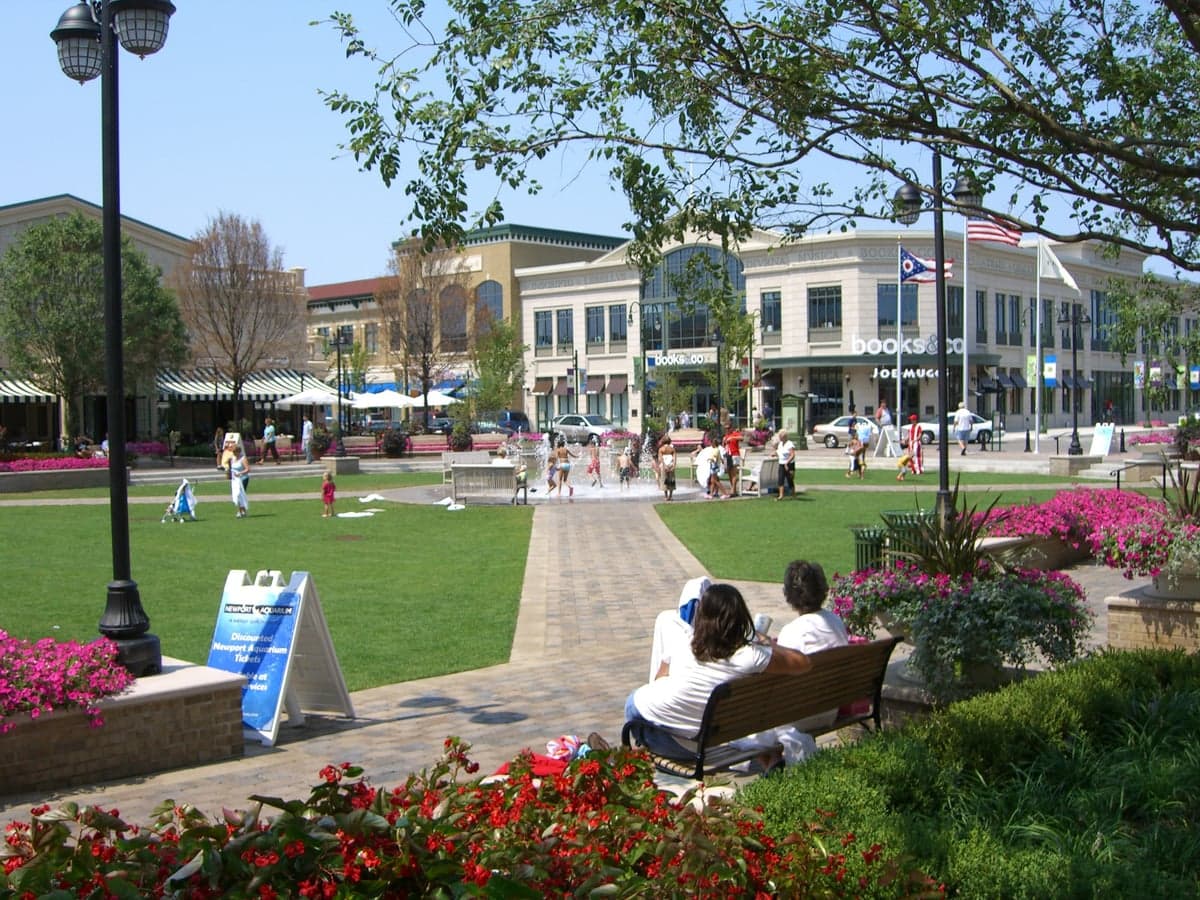
Photo: Wikipedia
Strategic Assessment of Beavercreek, OH
Meaningful friction. Expect exposure to either population pressure, blast zones, or natural disaster risk. Consider buying a retreat property.
What does the Strategic Assessment tell us?
Our Strategic Assessment grades tactical survivability of an area. Major population centers, military targets, fallout zones, natural disasters, and border exposure all drive risk — lower exposure means a more defensible position in a crisis.
This is heavily inspired by Joel Skousen's Strategic Relocation book. Highly recommended you checkout the book ($)What does this tell us?
Our Strategic Assessment grades tactical survivability of an area. Major population centers, military targets, fallout zones, natural disasters, and border exposure all drive risk — lower exposure means a more defensible position in a crisis.
This is heavily inspired by Joel Skousen's Strategic Relocation book. Highly recommended you checkout the book ($)Strategic Pillars

Key Distances
Regional Safe Places
Below is our recommended "safe zones" in Ohio and the surrounding area based on our strategic heuristics. For most people, it's unrealistic to live in a “safe zone” full-time due to work, family or other personal reasons. They tend to be more rural. However, many of these areas are perfect for second homes and retreat properties that double as a vacation home or even a short-term rental.

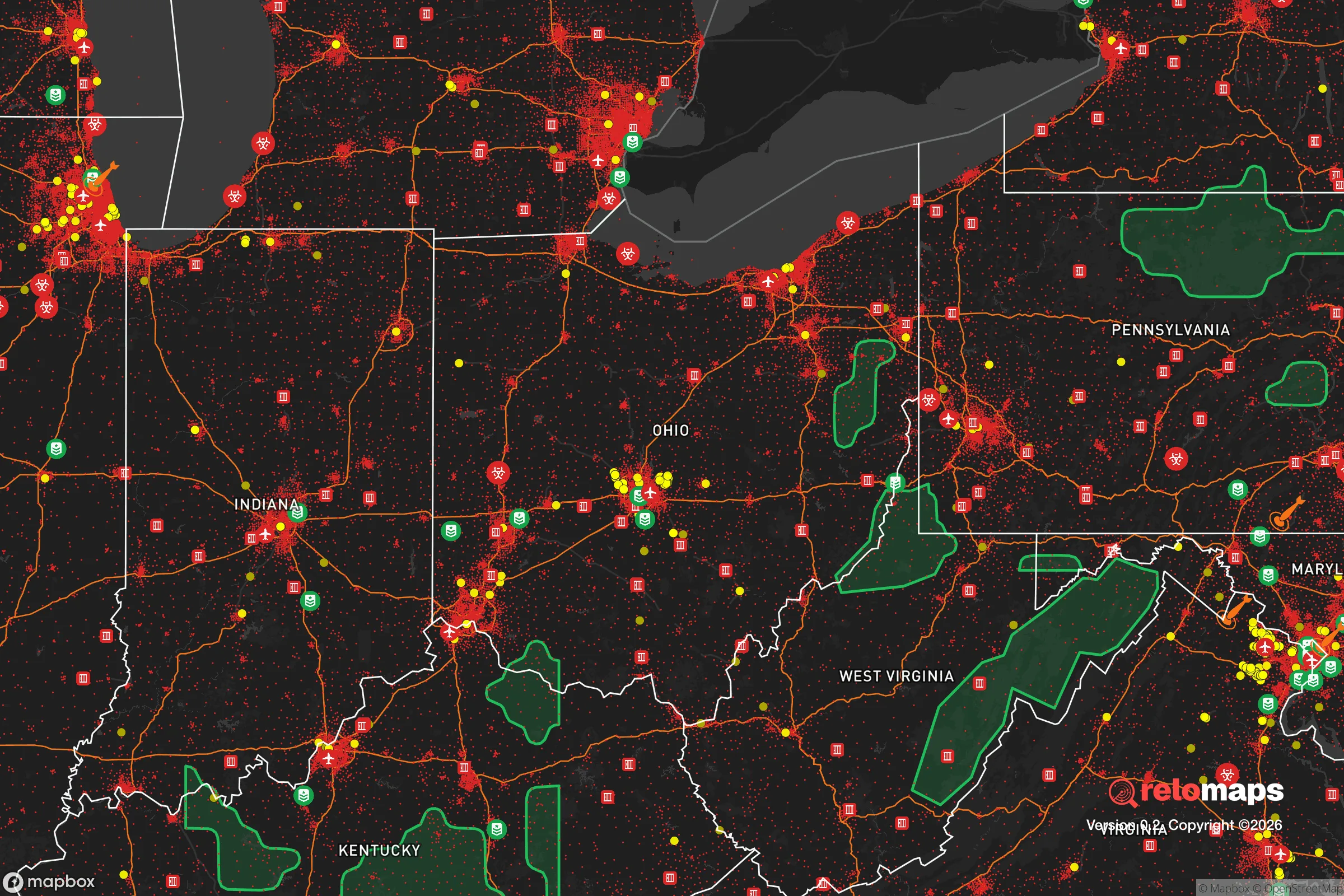


Important Note: For informational purposes only. This does not mean nothing bad ever happens in the green zones. Please use common sense. This is based on public data and modeled with AI. We tried to take a conservative approach but mistakes happen. We update this regularly as new information becomes available.
Solar Generator Recommendations
Backup power matters more here than in safer locations. We've picked three solar generators across budgets and capacity tiers — start with the budget unit if you only need a few essentials, or step up if you want to run a fridge and HVAC for days at a time.

Jackery Portable Power Station Explorer 300
Budget OptionPower on the Go: Weighing only 11 lbs, it's convenient to set up and store with book-sized foldable solar panels

BLUETTI Portable Power Station AC180
Designed for both indoor and outdoor scenarios, AC180 is highly capable as it has a robost capacity and continuous output power.

EF ECOFLOW DELTA Pro Ultra Power Station
Upgraded PickEcoFlow DELTA Pro Ultra is a whole-home energy system designed to grow with your family. Integrated with the Smart Home Panel 2, it scales to meet your evolving energy needs — keeping your home powered, intelligent, and secure through every stage of life.
We earn a commission, at no additional cost to you.
Strategic Assessment Analysis
Beavercreek, Ohio, sits in a strategic sweet spot that few relocation analyses capture honestly: close enough to a major metro to access jobs and infrastructure, but far enough from the blast zones and grid-failure cascades that make Dayton proper a liability. This Greene County suburb of roughly 48,000 residents offers a resilience profile that appeals to those thinking beyond the next election cycle—stable local governance, a diversified economic base anchored by Wright-Patterson Air Force Base, and a geography that buffers against the worst of civil unrest while still being within a day’s drive of multiple supply corridors. For a single individual or family looking to plant roots in a place that won’t become a humanitarian crisis zone overnight, Beavercreek deserves a hard look.
Geographic position and natural advantages for long-term stability
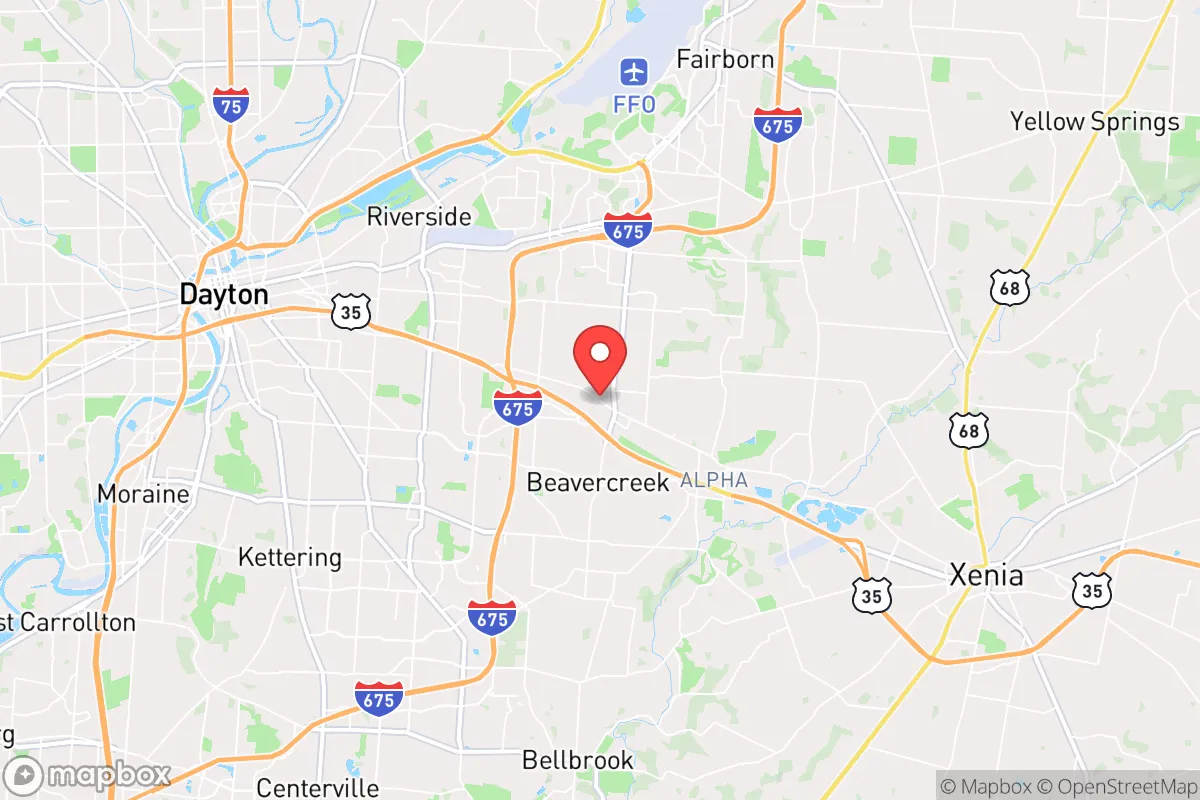
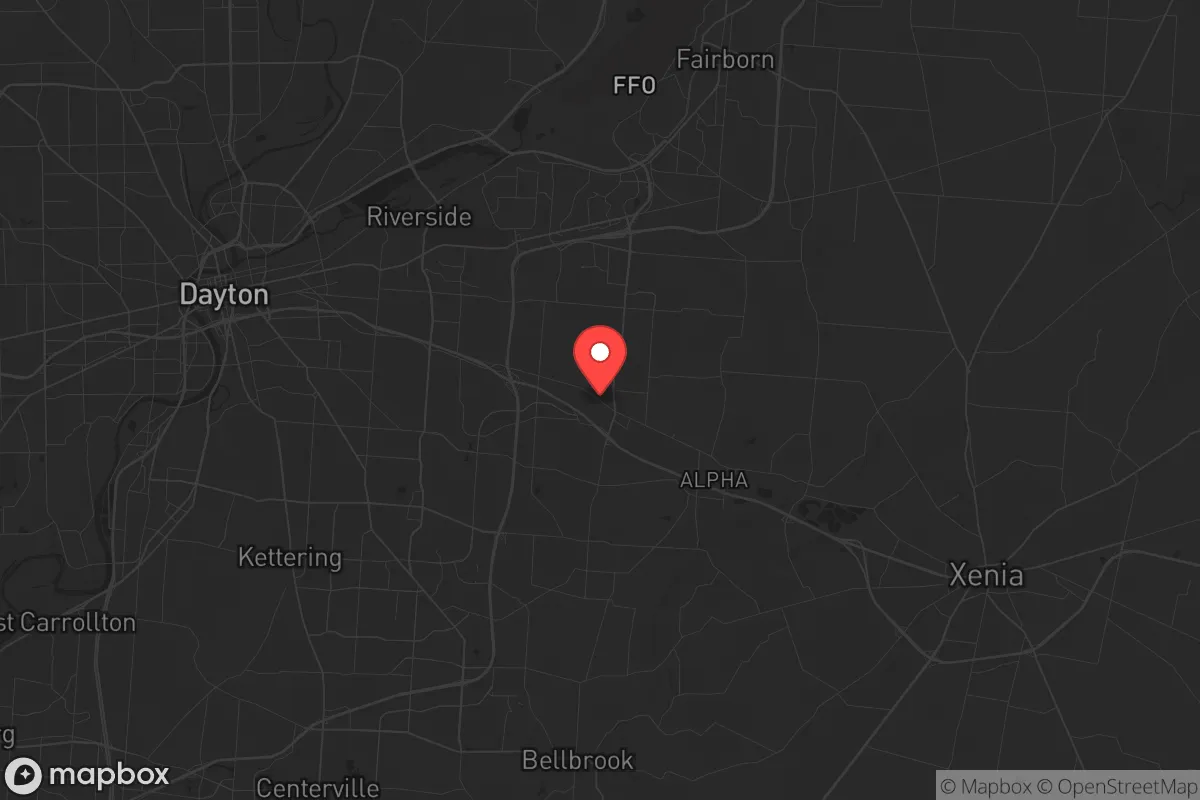
Beavercreek sits on the eastern edge of the Dayton metropolitan area, roughly 10 miles from downtown Dayton and 50 miles from Cincinnati. That distance matters. In a scenario where urban centers become ungovernable—whether from supply chain collapse, mass casualty events, or political violence—Beavercreek is far enough removed to avoid the immediate shockwave, but close enough to tap into regional resources like the Miami Valley’s water table and the I-75/I-70 logistics corridor. The area sits atop the Great Miami Buried Valley Aquifer, one of the most productive groundwater sources in the Midwest, which means well water is a viable backup option for those who plan ahead. The terrain is gently rolling, not mountainous, which limits defensibility but also avoids the isolation problems of deep rural areas—you can still move supplies, evacuate, or receive aid without being cut off by a single washed-out road. The climate is temperate, with no hurricane risk, low tornado frequency compared to the Plains, and no seismic activity worth mentioning. For a prepper mindset, this is a low-variance environment: no single natural disaster is likely to wipe out the area, and the growing season (roughly 170 days) allows for serious gardening or small-scale agriculture if supply chains falter.
Risks, exposures, and proximity to fallout-relevant landmarks
The elephant in the room is Wright-Patterson Air Force Base, located just north of Beavercreek. It’s the largest single-site employer in Ohio and a major hub for Air Force logistics, research, and nuclear command-and-control functions. In a major conflict or terrorist event, that base is a high-value target. A conventional strike, dirty bomb, or cyberattack on Wright-Patterson’s power grid could create a secondary crisis zone that spills into Beavercreek. The base’s proximity—roughly 5 miles from Beavercreek’s northern edge—means that fallout patterns, whether radiological or economic, would hit the community hard. Additionally, Beavercreek lies within 60 miles of two nuclear power plants: the now-shuttered Zimmer plant near Moscow, Ohio (still a decommissioning site with spent fuel on hand) and the active Davis-Besse plant near Toledo. A catastrophic failure at either could contaminate water and food supplies across the region. On the civil unrest front, Dayton’s population of 140,000 has seen periodic protests and crime spikes, but Beavercreek itself is overwhelmingly suburban and residential, with a police force that maintains a visible presence. The risk of mass casualty events from riots or terror attacks is low compared to a dense urban core, but the proximity to a military target means you can’t ignore the possibility. For a relocator, the calculus is: you trade the high-probability, low-severity risks of urban crime for the low-probability, high-severity risk of a base-related event. That’s a trade many preppers are willing to make, but it demands a plan—know your evacuation routes east toward Xenia or south toward Wilmington, and keep a go-bag with radiation detection gear if you’re serious.
Practical resilience for a relocator: food, water, energy, and defensibility
Beavercreek’s suburban layout is a double-edged sword for practical resilience. On the plus side, the housing stock is mostly single-family homes on quarter-acre to half-acre lots, which means space for a garden, a small greenhouse, or even a few chickens if local ordinances allow (Greene County is generally lenient on backyard agriculture). The water situation is strong: the city’s municipal supply comes from the aquifer, and many homes in the older neighborhoods have basements that can be retrofitted with cisterns or rain barrels. For energy, the grid is reliable but not hardened against EMP or cyberattack; solar panels with battery storage are a smart investment here, as the region gets about 170 sunny days per year—not Arizona, but enough to keep a fridge and lights running. Natural gas is widely available, which is a plus for heating and cooking if the electric grid goes down, but you’ll want a generator to run the furnace fan. Defensibility is the weak point. Beavercreek is flat, with no natural chokepoints, and the road network is a grid of suburban streets that are easy to navigate but hard to secure. In a prolonged crisis, you’d need to rely on neighborhood mutual aid and a strong community network rather than terrain. The good news is that the population is relatively homogeneous and politically conservative, which tends to foster self-reliance and neighborly cooperation rather than the chaos you’d see in a more transient urban area. There are also multiple farm supply stores (Tractor Supply, Rural King) within a 15-minute drive, and the Greene County Fairgrounds host regular preparedness expos and gun shows. For a single individual or family, the practical takeaway is: you can achieve a high degree of self-sufficiency here, but you’ll need to invest in hardening your home and building relationships with like-minded neighbors before the crisis hits.
The overall strategic picture for Beavercreek is one of calculated trade-offs. It’s not a bug-out location in the mountains, and it’s not a fortified compound in the desert. What it offers is a stable, low-drama suburban environment with access to critical infrastructure, a resilient water supply, and a community that largely shares your values. The proximity to Wright-Patterson is a real risk, but it’s also the reason the local economy is insulated from the boom-and-bust cycles that plague other Rust Belt towns. For a relocator who wants to be prepared for civic unrest, mass casualty events, or supply chain disruptions without living off-grid in a cabin, Beavercreek is a solid middle-ground option. The key is to treat it as a base of operations—not a fortress—and to have a secondary plan for evacuation if the worst happens. If you’re willing to do the work, this area can carry you through a lot of what’s coming.

* Values derived from national, state, county, city and local statistics and may differ in a specific area. Last updated: 2026-04-21T20:39:43.000Z
Narrative content on this page is AI-generated and may contain mistakes. Verify any details that matter before acting on them.
ReloMaps may earn a commission from affiliate links at no extra cost to you.

