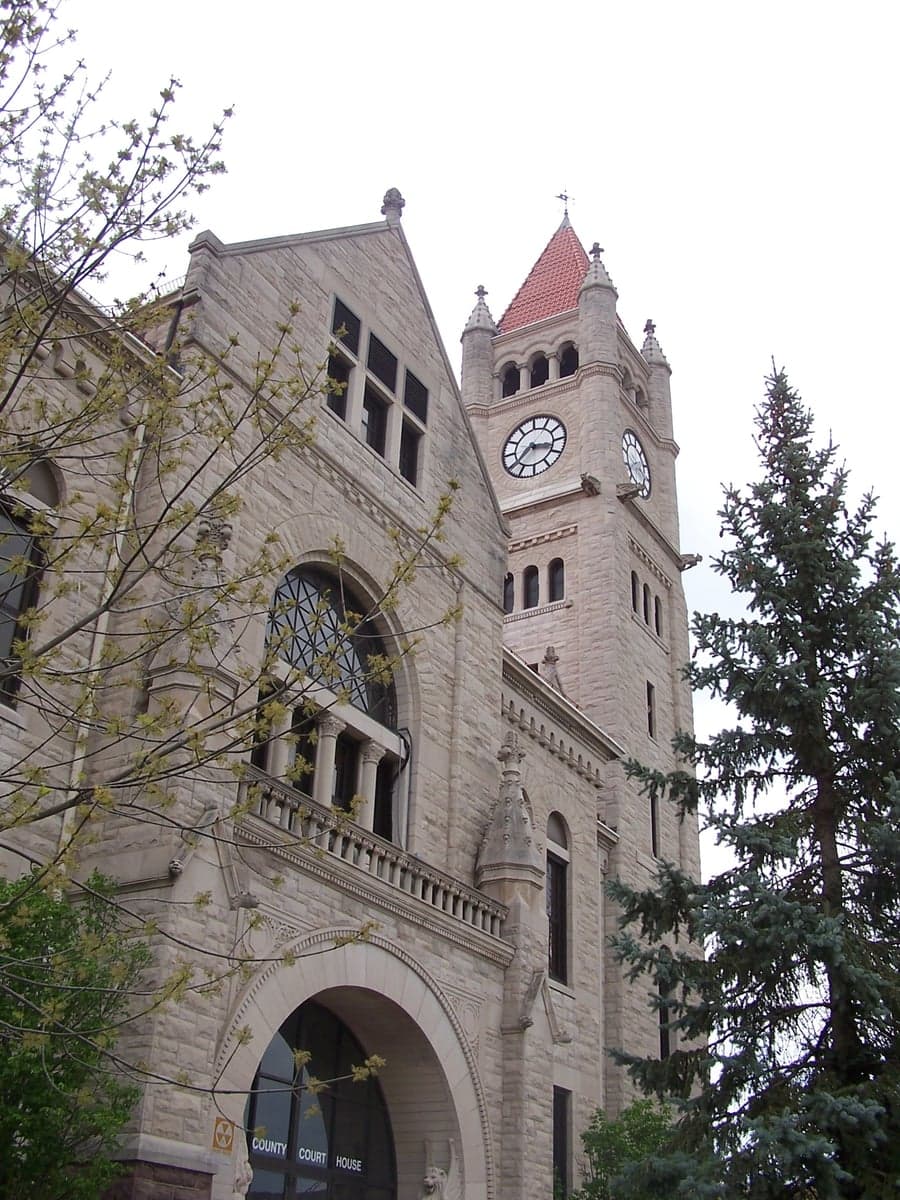
Photo: Wikipedia
Find The Best Places To Live in Greene County
PRO TIP! You can paste a Zillow or Redfin link to get info on that property.
Best Places to Live in Greene County
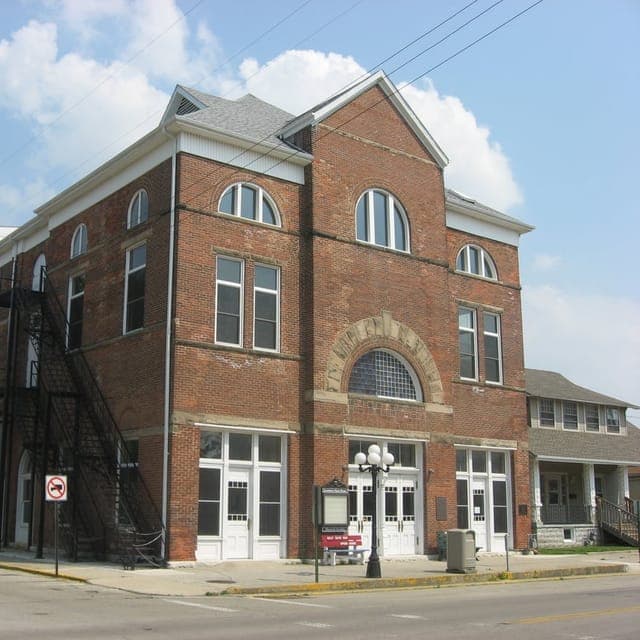
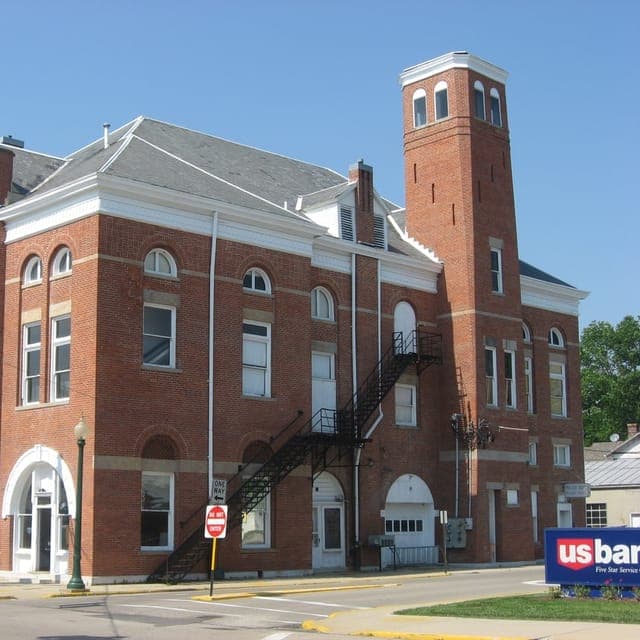
Cities & Towns in Greene County
Cities in Greene County
What It's Like Living in Greene County, OH
Greene County sits in that sweet spot where you can live in a college town, a historic small city, or a rural stretch of farmland, all within a 25-minute drive. The county’s identity is shaped by its two anchors—the university energy of Yellow Springs and the classic Midwestern downtown of Xenia—plus a ring of quiet villages like Cedarville, Jamestown, and Bellbrook. If you’re looking for a place where Friday-night football is a genuine community event, where you can own a home without a six-figure mortgage, and where your commute rarely tops 20 minutes, Greene County is worth a serious look.
Daily Rhythm: Where You Live, Shop, and Eat
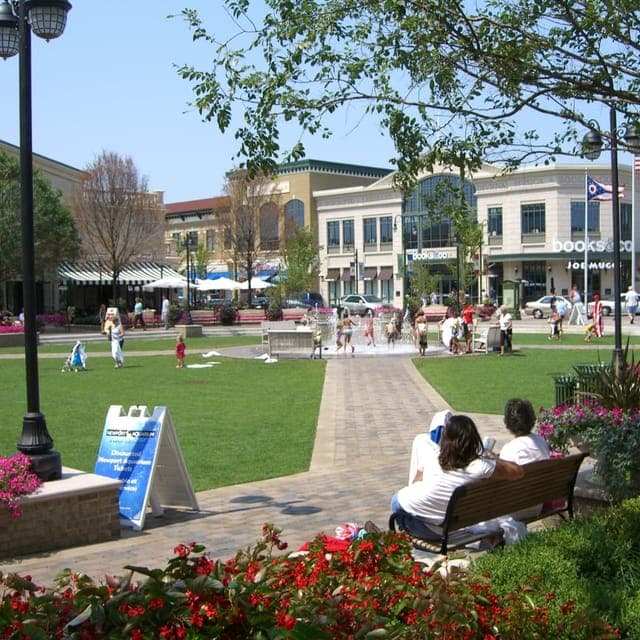
Daily life in Greene County depends heavily on which of its towns you call home. In Yellow Springs, the rhythm is artsy and pedestrian-friendly—locals grab coffee at the Winds Cafe, browse used books at Dark Star Books, and hike the Glen Helen Nature Preserve after work. Xenia is more traditional: families fill the YMCA and the Greene County Fairgrounds, and the downtown diners like the Sunrise Cafe are packed on Saturday mornings. Beavercreek, the county’s largest city, feels like a classic suburb—strip malls, chain restaurants, and the massive Greene Town Center outdoor mall where you can catch a movie or shop at REI. For groceries, most people hit the Kroger or Meijer in Beavercreek, but locals swear by the farmers market in Xenia for produce and baked goods.
The median home value here is $238,000, which feels attainable compared to nearby Dayton or Columbus. With a cost of living index of 90 (10% below the national average), a family earning the median income of $85,218 can afford a three-bedroom house and still have room for a vacation fund. Renters find more options in Yellow Springs and Fairborn, where student housing mixes with older homes.
Sports, Community, and the Weekend Vibe
Sports are a genuine social glue here. Xenia High School football draws crowds that rival some small colleges—the Bucs’ Friday-night games at Doug Adams Stadium are the place to be in the fall. In Cedarville, the Yellow Jackets basketball program at Cedarville University packs the gym, and the town’s identity is tightly tied to the university’s conservative Christian ethos. For pro sports, most residents drive 20 minutes north to Dayton for the Dragons (minor-league baseball) or 50 minutes south to Cincinnati for the Reds and Bengals. But the real weekend draw is the Little Miami Scenic Trail, a 78-mile paved bike path that cuts through Xenia and Yellow Springs—on a Saturday, you’ll see families on cruisers, serious cyclists in spandex, and runners training for marathons. The trail connects to the Buckeye Trail, making Greene County a hub for outdoor recreation.
Festivals keep the calendar full. Yellow Springs’ Street Fair in October draws 50,000 people for crafts and live music. Xenia’s Greene County Fair in August is a classic Midwestern affair with livestock shows, carnival rides, and fried everything. In Jamestown, the annual Apple Festival in September is a quieter, family-friendly event with pie contests and a parade.
Pros and Cons of Living Here
What residents love:
- Short commutes. The average commute is just 21.7 minutes—you can live in rural Cedarville and be at Wright-Patterson Air Force Base (the county’s largest employer) in under 20 minutes.
- Affordable housing. With 41.3% of adults holding a college degree, the workforce is educated, but home prices haven’t exploded like in Columbus or Cincinnati. You can buy a fixer-upper in Xenia for under $200,000.
- Strong schools. Beavercreek City Schools and Bellbrook-Sugarcreek Schools are consistently rated among Ohio’s best, and they anchor community life—PTA meetings and school board elections draw real crowds.
- Outdoor access. The Little Miami River, John Bryan State Park, and the Glen Helen preserve give you hiking, kayaking, and camping within 15 minutes of any home in the county.
What frustrates locals:
- Limited nightlife. If you want a proper bar scene or live music beyond cover bands, you’re driving to Dayton or Columbus. Yellow Springs has a few pubs (the Peach Tree Grill, the Yellow Springs Brewery), but options thin out after 10 p.m.
- Property taxes. Ohio’s property tax system hits homeowners hard—expect annual taxes of $3,500–$5,000 on a median-priced home, which stings more than the low home price suggests.
- Rural isolation. In towns like Jamestown or Spring Valley, you’re 15 minutes from the nearest grocery store. Internet speeds can be spotty in the far eastern parts of the county.
- Crime pockets. The violent crime rate is 257.1 per 100,000—slightly above the national average. Most incidents are concentrated in a few apartment complexes in Fairborn and Xenia, but it’s worth checking neighborhood-specific stats before buying.
The median age of 38.7 tells you this is a place where people settle down—it’s not a party town, but it’s a solid place to raise kids, start a career at Wright-Patt or one of the region’s manufacturing firms (like the Honda plant in nearby Marysville), or retire quietly. The weather follows classic Ohio seasons: humid summers with highs around 85°F, snowy winters with 25 inches of annual snowfall, and a glorious spring that makes the bike trails bloom. If you value community over convenience, and a yard over a nightclub, Greene County fits like a well-worn glove.

* Values derived from national, state, county, city and local statistics and may differ in a specific area. Last updated: 2026-05-28T09:31:32.000Z
Narrative content on this page is AI-generated and may contain mistakes. Verify any details that matter before acting on them.
ReloMaps may earn a commission from affiliate links at no extra cost to you.

