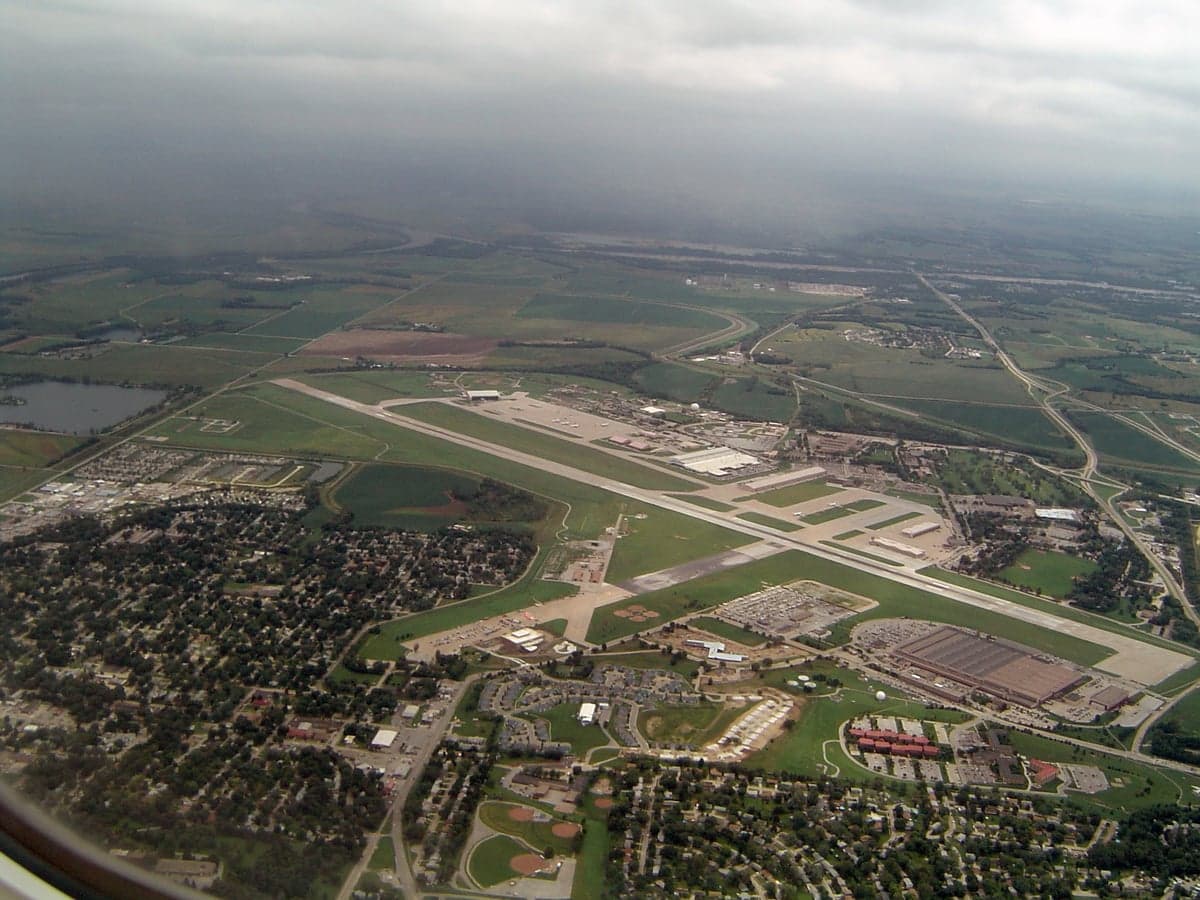
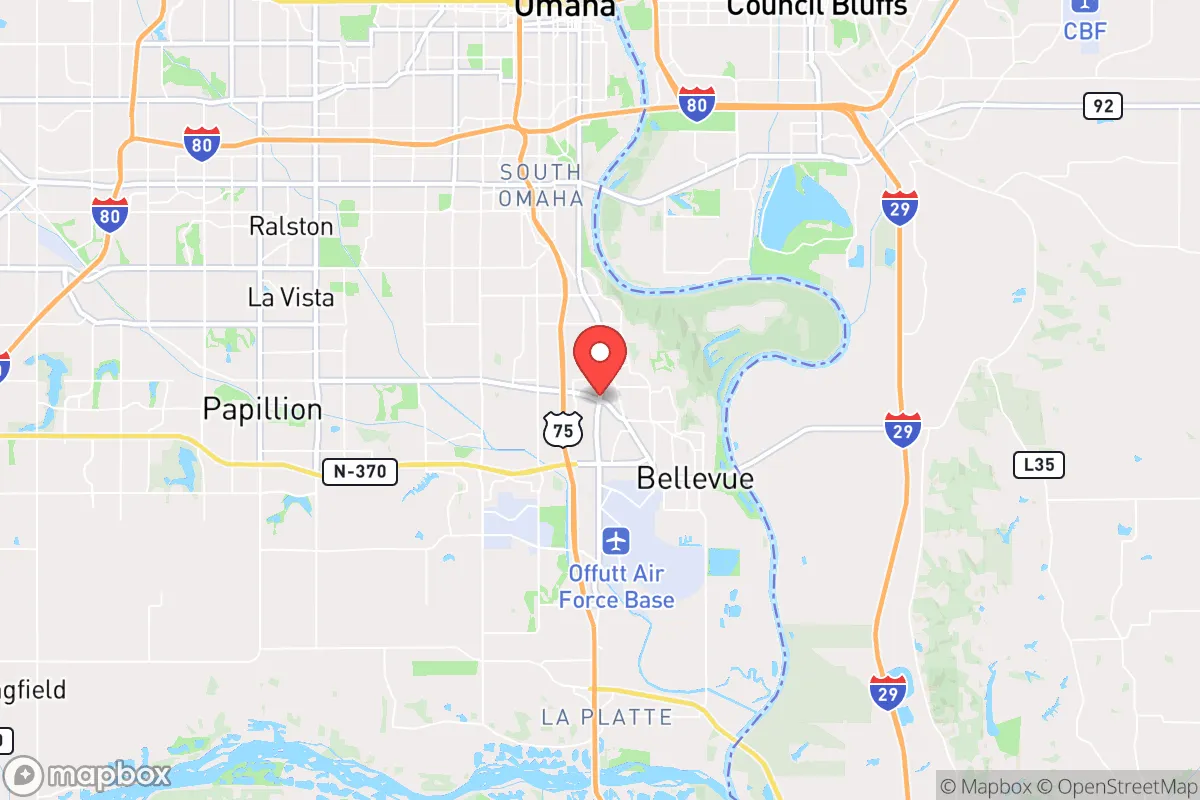
Photo: Wikipedia
Quality of Life in Bellevue, NE
A high quality of life with strong walkability, manageable living costs, healthy neighborhood signals, and solid amenity access.
What does Quality of Life tell us?
Quality of Life blends cost of living, nearby amenities, socioeconomic signals, and neighborhood character. City-level scores represent the whole municipality; individual neighborhoods can differ.
What does this tell us?
Quality of Life blends cost of living, nearby amenities, socioeconomic signals, and neighborhood character. City-level scores represent the whole municipality; individual neighborhoods can differ.
Cost of Living
5% below national average
The Real Cost of Living in Bellevue, NE for 2026
| Tier | Individual | Family (4) |
|---|---|---|
| Survival | $19k | $36k |
| Comfortable | $45k | $66k |
| Luxury | $118k+ | $184k+ |
| Elite (Top 5%) | $139k+ | $216k+ |
133%
The Area Signal
A metric tracking the socioeconomic signals of the area.
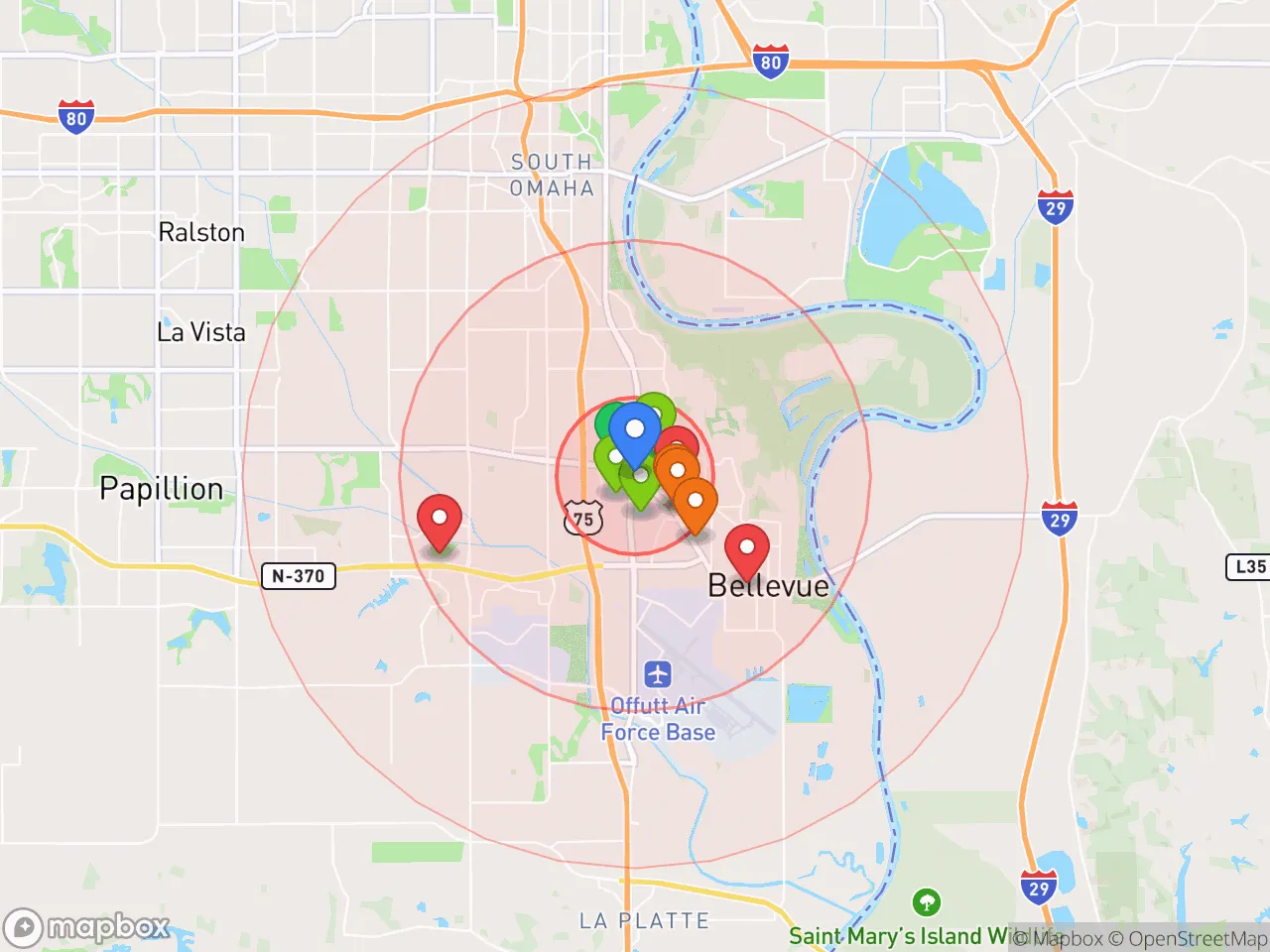
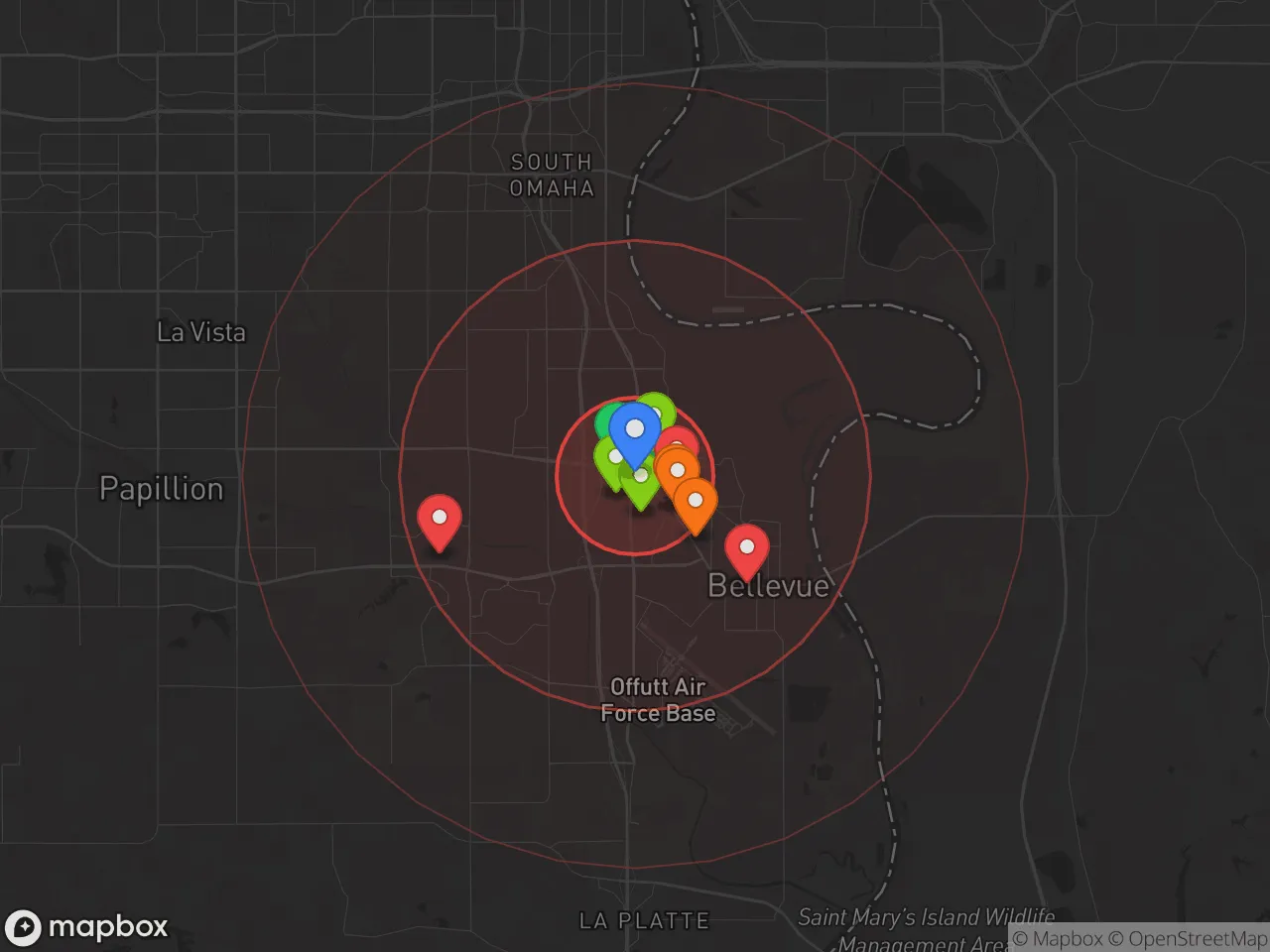
Hobbies
Explore the areaGroceries
6 within 10 miles
Gas
20 within 10 miles
Hospital
20 within 20 miles
Airport
MCI — Kansas City International
Post Office
USPS — Bellevue, NE
Critical Amenities
Quality-of-Life Analysis
Bellevue, Nebraska, presents a quality of life defined by solid middle-class comfort, strong military and family-oriented demographics, and a cost of living that undercuts the national average. As the state's third-largest city and the historic home of Offutt Air Force Base, Bellevue attracts a mix of active-duty personnel, defense contractors, and commuters seeking a quieter, more affordable base than nearby Omaha. The city's overall cost of living index sits at 95 (where 100 equals the U.S. average), making it a financially practical choice for families and professionals who want suburban space without sacrificing urban access.
Cost of living, housing affordability, and how Bellevue compares to Omaha
Bellevue's housing market is the primary driver of its affordability advantage. The median home value is $230,800, significantly below the national median of roughly $350,000 and notably cheaper than Omaha's median of around $270,000. Renters also benefit: the median rent of $1,202 is roughly $200 less per month than comparable units in Omaha's core neighborhoods. This price gap means a household earning the local median income can afford a three-bedroom home without being cost-burdened. The average commute of 20.8 minutes is shorter than the national average of 26 minutes, a practical advantage for the many residents who work at Offutt or commute north into Omaha's job centers. Property taxes in Sarpy County are moderate for Nebraska, and utilities and grocery costs track close to the national baseline, further stretching household budgets.
Schools, local amenities, and the daily rhythm of life in Bellevue
Daily life in Bellevue revolves around its strong public school system, the Bellevue Public Schools district, which serves roughly 9,000 students and consistently earns ratings above the state average. The district's focus on STEM and career-readiness programs aligns well with the defense and tech employment base. For recreation, residents rely on the Fontenelle Forest nature preserve—1,400 acres of hardwood forest with 17 miles of trails—and the Missouri River waterfront at Haworth Park. The city's retail and dining corridor along Highway 370 offers big-box stores, chain restaurants, and a growing number of local eateries, though serious nightlife and cultural options require a 15-minute drive into Omaha's Old Market district. The presence of Offutt Air Force Base shapes the community's rhythm: military families create a transient but welcoming social fabric, and the base's economic stability buffers the local economy during downturns. Healthcare access is solid, with the Bellevue Medical Center (part of the Nebraska Medicine network) providing emergency and specialty care in-town.
Bellevue is best suited for families, military personnel, and professionals who prioritize affordability, short commutes, and good schools over urban density or nightlife. Empty-nesters and retirees also find value in the low crime rates and access to outdoor spaces. Those seeking a walkable, high-energy downtown or a diverse cultural scene will find Bellevue too quiet; for everyone else, it offers a stable, cost-effective foundation for daily life within easy reach of Omaha's amenities.

Crime in Bellevue, NE
Generally safer than 73% of comparable U.S. locations.
Violent CrimeViolent Crime Analysis
Property CrimeProperty Crime Analysis
Crime Analysis
Bellevue, Nebraska, presents a mixed safety profile that residents and prospective movers should evaluate carefully. The city's violent crime rate of 105.1 incidents per 100,000 residents is notably lower than the national average, but its property crime rate of 1,144 per 100,000 exceeds both state and national benchmarks. As a suburb of Omaha, Bellevue benefits from some of the economic advantages of a large metro area while also contending with crime patterns that reflect broader regional challenges.
Crime in context
Bellevue's violent crime rate is roughly 70% lower than the U.S. average, placing it among safer communities for offenses like homicide, robbery, and aggravated assault. However, the property crime rate sits approximately 15% above the national median, driven primarily by theft and vehicle break-ins. Compared to Nebraska's statewide property crime rate of roughly 1,900 per 100,000, Bellevue fares better, but the gap with the national average (around 1,950 per 100,000) is narrower. The city's proximity to Omaha introduces cross-jurisdictional crime dynamics, with some property offenses linked to offenders traveling from the larger metro area.
What residents experience
Daily life in Bellevue is generally safe, but property crime remains a persistent annoyance. Residents commonly report unlocked vehicle thefts, package theft from porches, and occasional garage burglaries in neighborhoods near Highway 75 and the base of the Missouri River bridge. Violent crime is rare and tends to be concentrated in specific apartment complexes and commercial corridors rather than residential subdivisions. A significant concern for many residents is the influence of progressive criminal justice policies in Sarpy County and the broader Omaha metro area. Liberal-leaning district attorneys and judges who prioritize diversion programs and reduced sentencing for property offenders can result in repeat offenders cycling back onto the streets quickly, undermining community safety and victim restitution. This ideological approach, while intended to reduce incarceration, often frustrates Bellevue homeowners who see the same individuals committing thefts and break-ins repeatedly.
Neighborhood-level variation
Safety in Bellevue varies noticeably by area. Neighborhoods east of Highway 75, including the historic Olde Towne district and areas near Fontenelle Forest, report the lowest crime rates, with violent incidents nearly absent and property crime below the city average. In contrast, neighborhoods west of Highway 75, particularly around the South 25th Street corridor and apartment complexes near the base, experience higher property crime volumes. The Offutt Air Force Base area maintains its own security protocols and generally sees lower crime rates than the rest of the city. Prospective residents should research block-level crime maps and consider that even in safer neighborhoods, basic precautions like locking vehicles and installing security cameras are strongly advised due to the metro area's revolving-door justice system.
* Values derived from national, state, county, city and local statistics and may differ in a specific area. Last updated: 2026-05-03T20:29:35.000Z
Narrative content on this page is AI-generated and may contain mistakes. Verify any details that matter before acting on them.
ReloMaps may earn a commission from affiliate links at no extra cost to you.

