 Popular
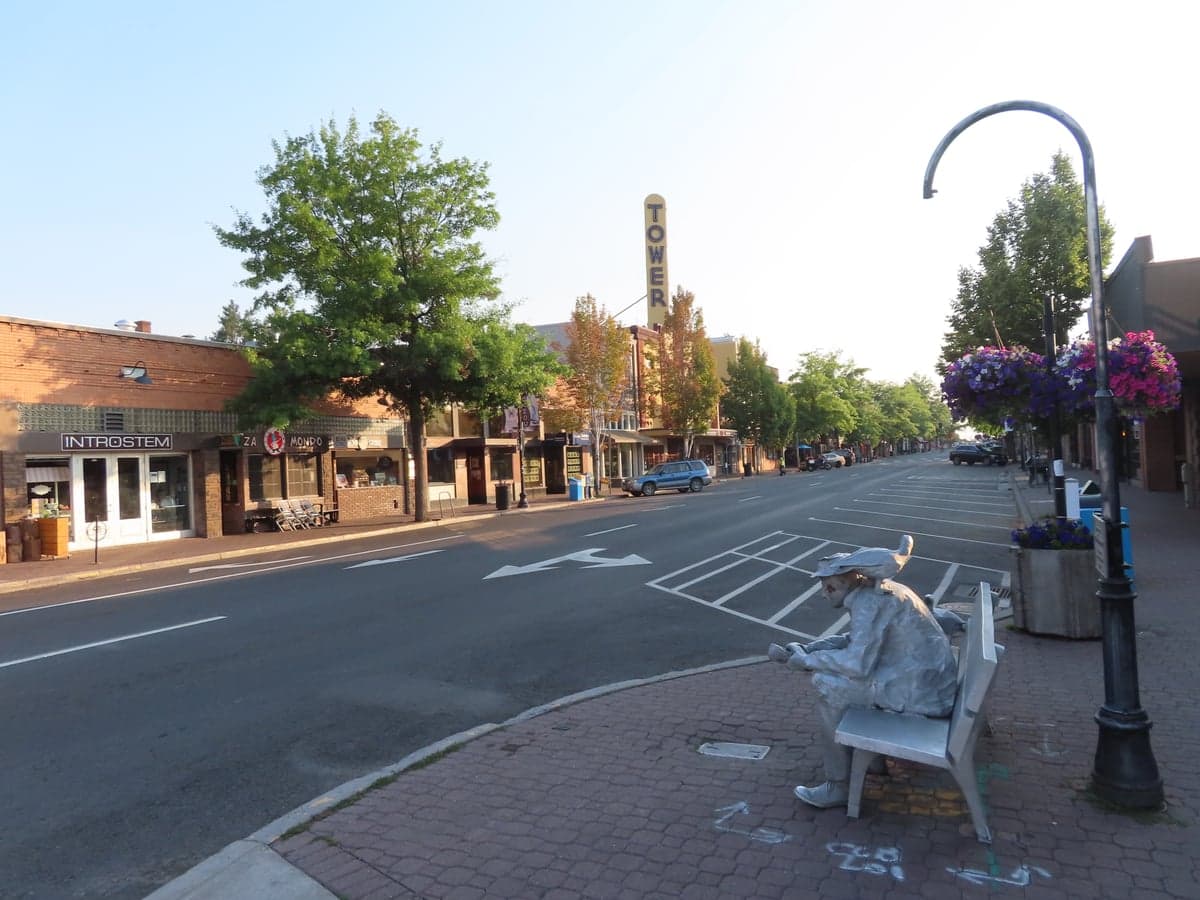
Photo: Wikipedia
Quality of Life in Bend, OR
Above-average quality of iife. The area offers a reasonable cost of living, decent mobility, and a mix of neighborhood amenities.
What does Quality of Life tell us?
Quality of Life blends cost of living, nearby amenities, socioeconomic signals, and neighborhood character. City-level scores represent the whole municipality; individual neighborhoods can differ.
What does this tell us?
Quality of Life blends cost of living, nearby amenities, socioeconomic signals, and neighborhood character. City-level scores represent the whole municipality; individual neighborhoods can differ.
Cost of Living
83% above national average
The Real Cost of Living in Bend, OR for 2026
| Tier | Individual | Family (4) |
|---|---|---|
| Survival | $28k | $53k |
| Comfortable | $123k | $180k |
| Luxury | $160k+ | $249k+ |
| Elite (Top 5%) | $212k+ | $328k+ |
49%
The Area Signal
A metric tracking the socioeconomic signals of the area.
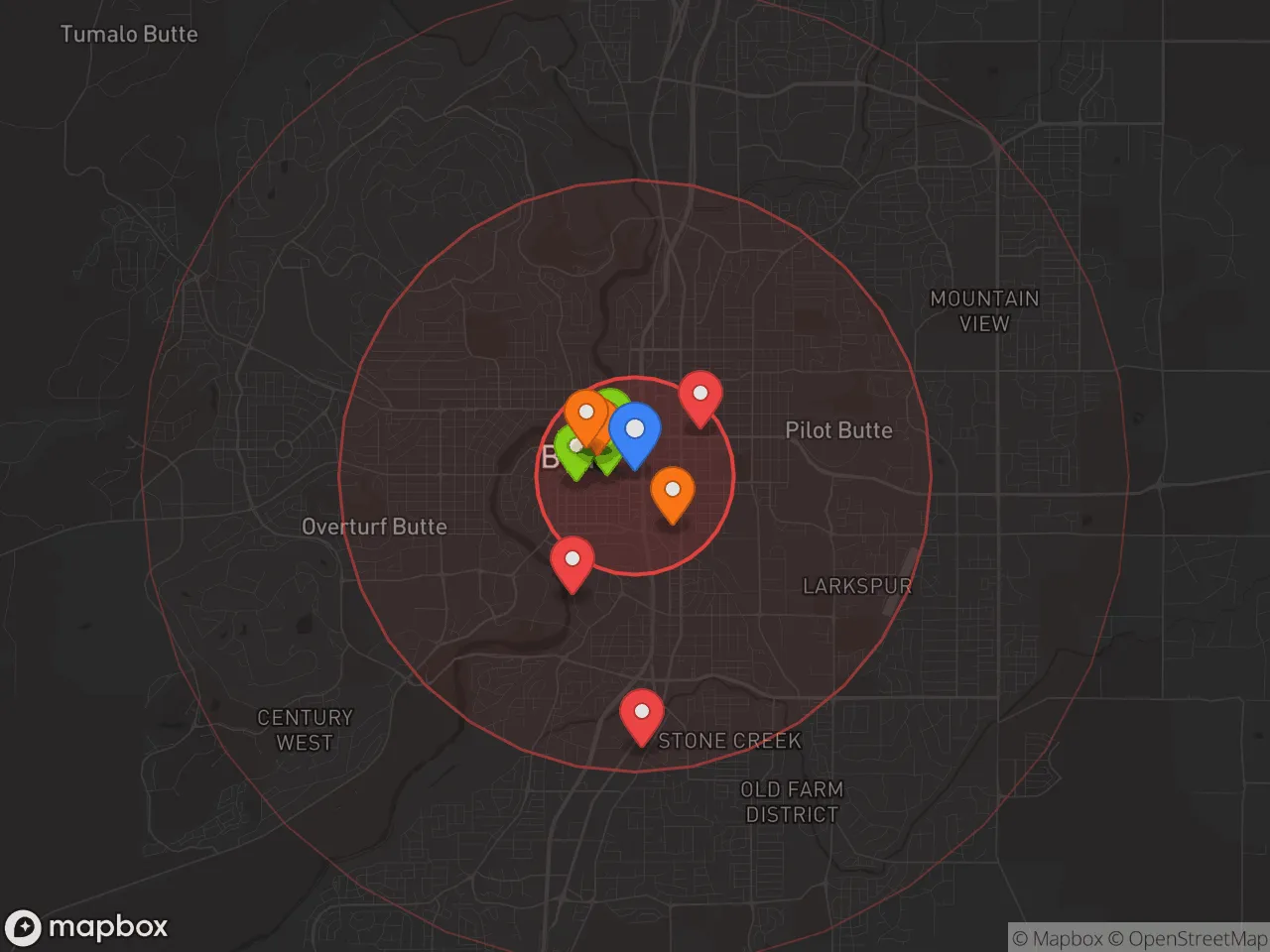
Hobbies
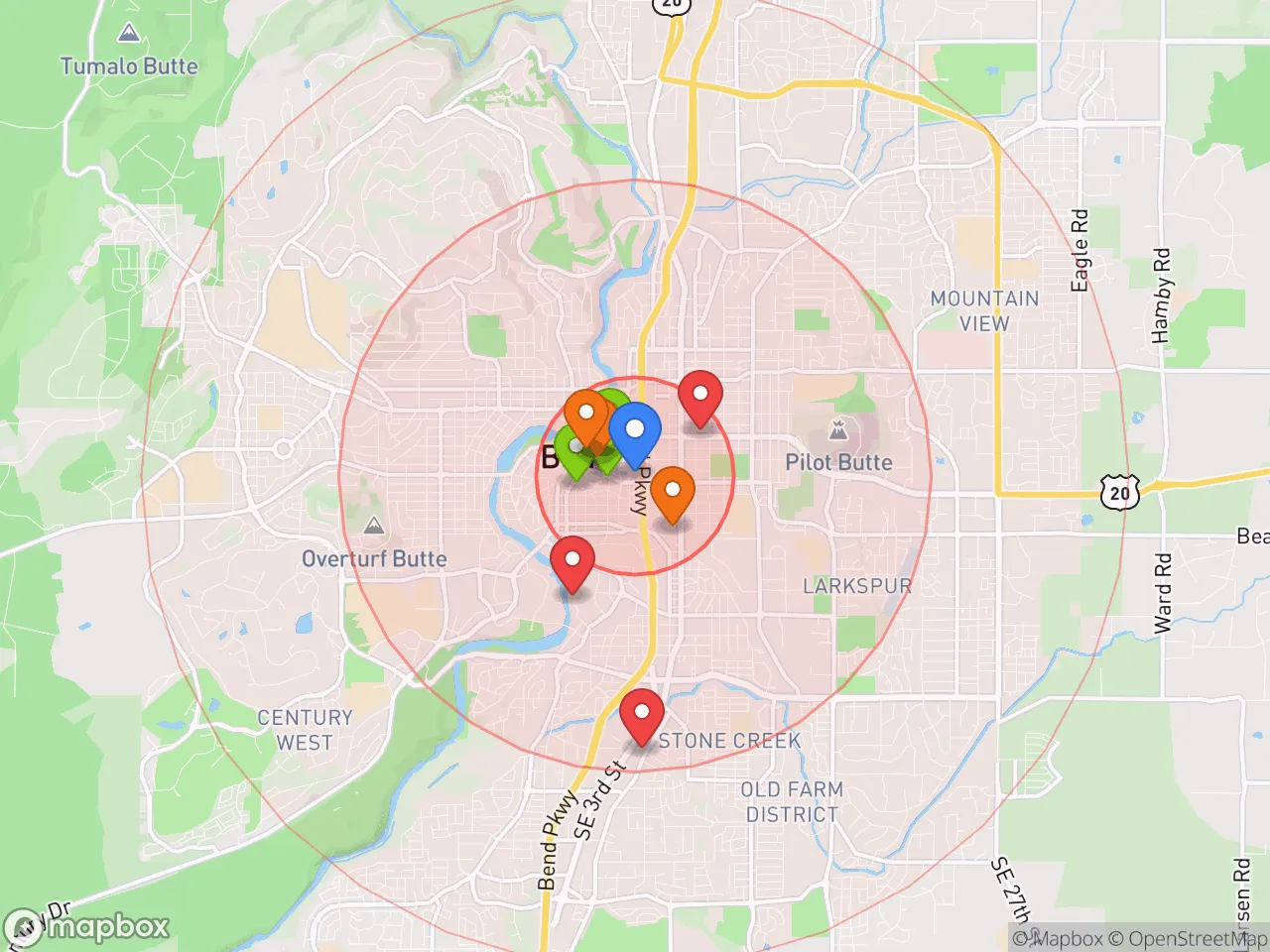
Explore the areaGroceries
8 within 10 miles
Gas
20 within 10 miles
Hospital
2 within 20 miles
Airport
PDX — Portland International
Post Office
USPS — Bend, OR
Critical Amenities
Quality-of-Life Analysis
Bend, Oregon, is an affluent, fast-growing city in Central Oregon that attracts a mix of outdoor enthusiasts, remote tech workers, and retirees drawn to its high-desert landscape and recreation-focused lifestyle. With a cost of living index of 183—nearly double the U.S. average—Bend’s population skews toward higher-income households, many of whom relocated from pricier West Coast metros like Portland, Seattle, or the Bay Area. The city’s median age of 39 and a strong presence of families and professionals reflect a community that values both career flexibility and immediate access to skiing, mountain biking, and river sports.
Cost of living, housing affordability, and how Bend compares to nearby cities
Bend’s cost of living is significantly higher than the Oregon state average and far exceeds that of nearby cities like Redmond (index ~130) or Prineville (~115). The median home value of $646,800 places Bend among the most expensive housing markets in the state, trailing only Portland’s priciest suburbs and the Willamette Valley wine country. Median rent sits at $1,767, which is roughly 30% higher than in Redmond and 50% higher than in Prineville, pushing many workers to commute from more affordable outlying towns. The average commute time in Bend is just under 17 minutes—short by national standards—which reflects the city’s compact layout and the fact that many residents live close to employment centers. However, the housing shortage and rising property taxes (fueled by rapid appreciation) mean that first-time buyers and renters earning median incomes often struggle to afford Bend without a dual-income household or remote salary from a higher-cost market.
Everyday amenities, school quality, and the daily rhythm of life in Bend
Bend offers a dense concentration of amenities for a city of its size (population ~105,000), including a walkable downtown core along the Deschutes River, dozens of craft breweries, and year-round farmers’ markets. The Bend-La Pine School District serves the area with several highly rated elementary schools (e.g., Pine Ridge Elementary) and Bend Senior High School, though class sizes have grown with enrollment. The daily rhythm here is heavily shaped by outdoor access: many residents start the day with a trail run or bike ride on the Phil’s Trail network, work remotely or commute briefly, and spend evenings at a brewery or on the river. Healthcare is anchored by St. Charles Medical Center, the region’s largest hospital, and the city has a robust network of urgent care and specialty clinics. Traffic congestion has increased notably since 2020, especially on Highway 97 and Century Drive, but remains manageable compared to larger metro areas.
Bend is best suited for active professionals, families with flexible incomes, and retirees who prioritize recreation over low costs. Those who thrive here are typically comfortable with a high cost of living in exchange for immediate access to world-class skiing at Mt. Bachelor, miles of singletrack mountain biking, and a strong sense of community centered on outdoor pursuits. Remote workers and entrepreneurs find Bend’s coworking spaces and fiber internet appealing, while those on fixed incomes or seeking urban cultural density may find the trade-offs less favorable. For anyone who values a four-season playground with a small-city feel, Bend delivers a quality of life that few comparably sized U.S. cities can match.

Crime in Bend, OR
Generally safer than 73% of comparable U.S. locations.
Violent CrimeViolent Crime Analysis
Property CrimeProperty Crime Analysis
Crime Analysis
Bend, Oregon, presents a mixed safety profile. While its violent crime rate of 191.1 incidents per 100,000 residents is notably lower than the national average, its property crime rate of 1,328.8 per 100,000 is significantly higher, placing it above both state and national benchmarks. This combination creates a situation where residents generally feel safe from violent confrontations but face a tangible risk of theft and property damage.
Crime in context
Bend’s violent crime rate is roughly half the U.S. average, making it a relatively safe city for personal safety. However, the property crime rate is a clear outlier. At 1,328.8 per 100,000, it is approximately 40% higher than the national average and well above Oregon’s statewide rate. This disparity is driven largely by vehicle theft, burglary, and larceny. A contributing factor is the broader legal environment in Deschutes County and Oregon at large, where progressive district attorneys and judges often prioritize diversion programs and reduced sentencing over incarceration. While intended to reduce recidivism, this approach has been criticized for keeping repeat property offenders on the street, directly undermining deterrence and public confidence in the justice system.
What residents experience
For most Bend residents, daily life involves a low risk of violent crime, but a high awareness of property crime. Car break-ins, bike thefts, and package thefts are common complaints, particularly in areas with high foot traffic or tourist activity. The city’s popularity as a destination means transient populations and seasonal visitors can contribute to spikes in theft. Bend’s police department has responded with targeted patrols and community outreach, but the sheer volume of property crime strains resources. The progressive judicial philosophy in the region, which emphasizes rehabilitation over punishment, means that even when arrests are made, offenders often face minimal jail time, creating a cycle that frustrates victims and emboldens criminals.
Neighborhood-level variation
Safety is not uniform across Bend. The downtown core and areas near the Old Mill District experience the highest rates of property crime, driven by dense commercial activity and tourism. In contrast, newer suburban developments on the city’s west side, such as those near the Deschutes River Trail, report lower crime rates. Neighborhoods east of Highway 97, including the Boyd Acres area, have seen rising property crime as the city expands. Gated communities and HOAs with private security offer a buffer, but these are limited to higher-income enclaves. Overall, Bend’s safety picture is one of a low-violence, high-theft environment where the local justice system’s progressive leanings are a persistent source of concern for residents seeking accountability and protection.
* Values derived from national, state, county, city and local statistics and may differ in a specific area. Last updated: 2026-05-02T13:58:17.000Z
Narrative content on this page is AI-generated and may contain mistakes. Verify any details that matter before acting on them.
ReloMaps may earn a commission from affiliate links at no extra cost to you.

