 Popular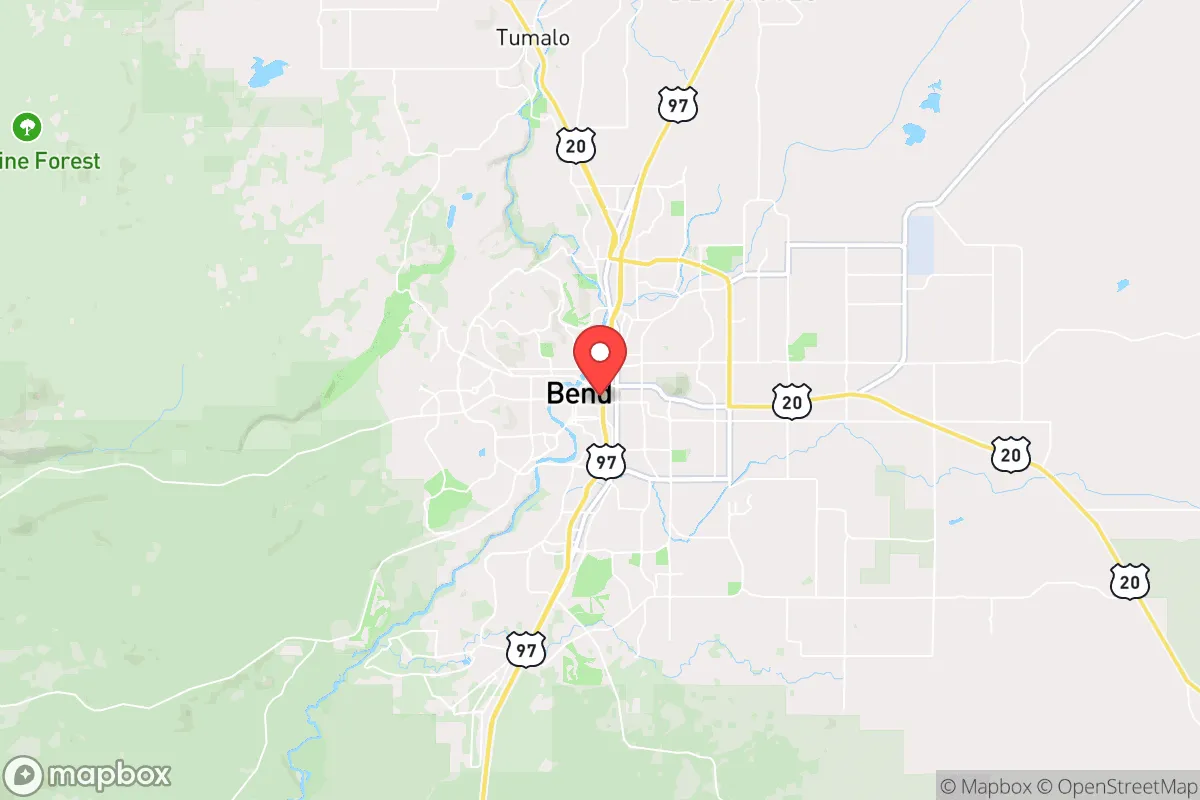
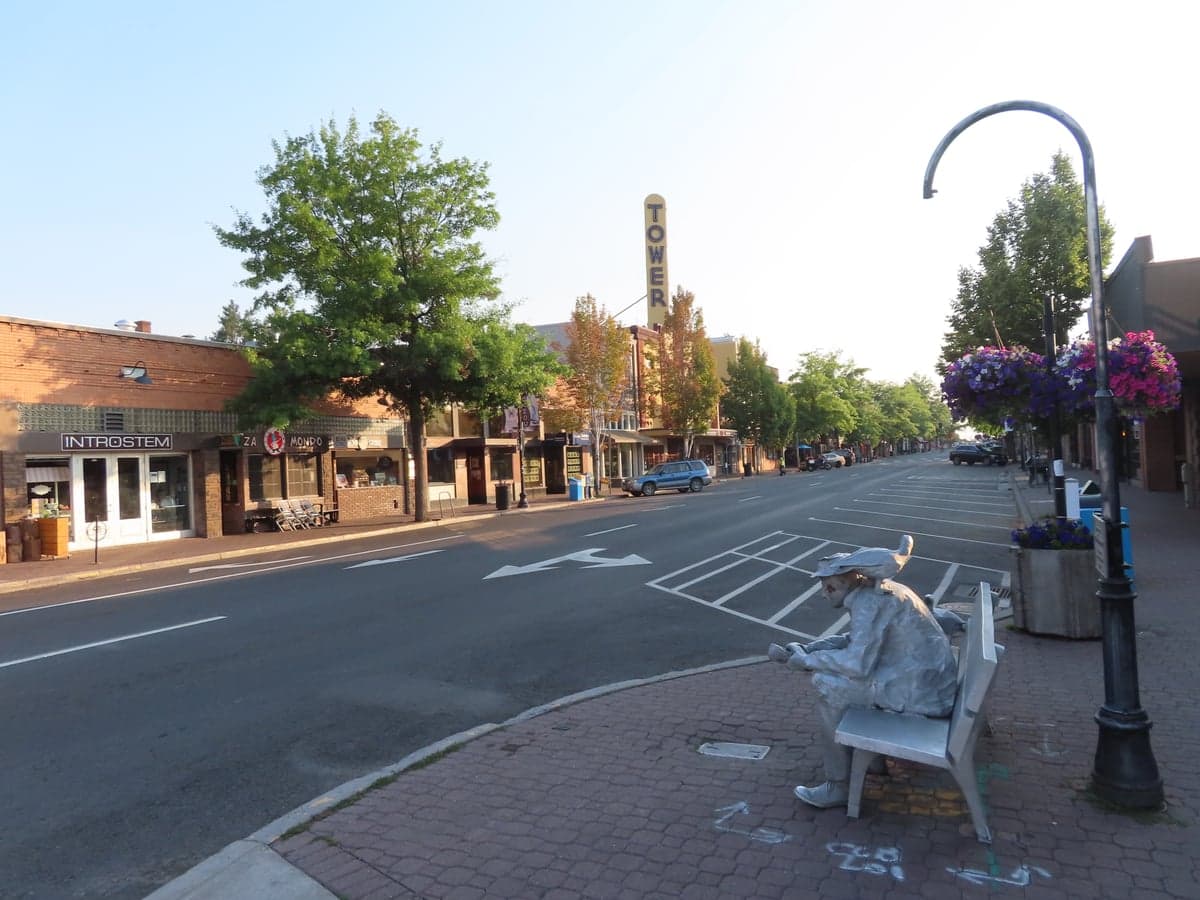
Photo: Wikipedia
Political ClimatePolitical Climate in Bend, OR
District shown is the primary district for this city’s centroid. Cities may span multiple districts.
Local Political AnalysisPolitical Analysis of Bend, OR
Bend, Oregon, has shifted dramatically over the past decade. It used to be a reliably conservative, live-and-let-live kind of town, but the influx of out-of-state transplants—especially from California and the Portland metro area—has flipped the script. Today, the Cook PVI sits at D+4, meaning the area now leans reliably Democratic in federal elections. That’s a stark change from even ten years ago, when Deschutes County was a swing county that often went red. The trajectory is clear: Bend is getting bluer, and the old-school libertarian spirit that defined the place is being crowded out by progressive policies that feel increasingly heavy-handed.
How it compares
If you drive just 20 minutes north to Redmond, you’ll find a completely different political world. Redmond and the smaller towns like Prineville and La Pine still vote heavily Republican, often by 20-30 point margins. Bend is the progressive bubble in the middle of a conservative region. Even within Bend itself, the divide is stark: the west side near the river and the Old Mill District is where you’ll find the Prius-driving, yard-sign crowd, while the east side and the outskirts still have plenty of folks who fly the Gadsden flag and keep a rifle in the truck. The county commission is still split, but the city council in Bend is now solidly progressive, and that’s where the real policy changes are coming from.
What this means for residents
For a long-time resident, the biggest red flag is the steady creep of government overreach into personal freedoms. Bend has been aggressive with land-use regulations, pushing urban growth boundaries that make it harder to build new homes—which drives up housing costs and squeezes out working families. The city has also flirted with rental caps and tenant protection ordinances that sound good on paper but make it harder for small landlords to operate. On the cultural front, you’re seeing more pressure to conform to progressive orthodoxy in local schools and civic life. The school board has been pushing DEI initiatives and gender-inclusive policies that many parents feel go too far, too fast. It’s not the live-and-let-live Bend of the 1990s; it’s a place where your personal choices—what you drive, how you heat your home, what you teach your kids—are increasingly subject to public scrutiny and municipal regulation.
One of the most telling policy distinctions is the city’s approach to homelessness and public camping. Bend has adopted a “housing first” model that, in practice, has allowed large encampments to persist along the Deschutes River and near downtown. The result is a visible decline in public safety and cleanliness that many residents find demoralizing. Meanwhile, surrounding towns like Redmond have taken a firmer line, enforcing camping bans and prioritizing public order. If you value personal autonomy and limited government, Bend is becoming a harder place to call home. The long-term trend suggests more of the same: tighter regulations, higher taxes, and a cultural shift that leaves traditional values on the sidelines. For now, the best advice is to keep an eye on local elections and get involved if you want to push back—because the pendulum isn’t swinging back on its own.

State Political ClimatePolitical Climate in Oregon
State Political AnalysisPolitical Environment in the State
Oregon has shifted from a purple swing state to a solidly blue stronghold over the past two decades, driven largely by the explosive growth of the Portland metro area and the Willamette Valley. While the state voted for Democratic presidential candidates by single digits in the 2000s, it now routinely delivers margins of 15-20 points for Democrats, with Joe Biden winning by 16 points in 2020. However, this statewide blue veneer masks a deep and growing urban-rural chasm, with vast eastern and southern counties voting Republican by margins of 30-40 points, creating a political landscape that feels like two different countries sharing a border.
Urban vs. rural divide
The political map of Oregon is essentially a story of three regions. The Portland metro area—Multnomah, Washington, and Clackamas counties—generates roughly 45% of the state's vote and leans heavily Democratic, with Multnomah County alone delivering a 40-point margin for Biden. The Willamette Valley corridor, including Eugene (Lane County) and Salem (Marion County), adds another 20% of the vote, with Eugene being a progressive stronghold and Salem more competitive but still trending blue. Meanwhile, the rest of the state—eastern Oregon (Bend, Pendleton, Baker City), southern Oregon (Medford, Grants Pass, Klamath Falls), and the coast—votes overwhelmingly Republican. Deschutes County (Bend) is a notable battleground: once reliably red, it has become a purple swing county as California transplants and remote workers flood in, flipping to Biden by 2 points in 2020 after voting for Trump in 2016. This urban-rural divide is among the sharpest in the nation, with Portland's liberal policies often clashing with the more libertarian and conservative values of rural communities.
Policy environment
Oregon's policy environment is a mixed bag that will appeal to some conservatives while deeply frustrating others. On the tax front, the state has no sales tax—a major plus—but compensates with a high personal income tax (top rate 9.9%) and a corporate activity tax that gets passed down to consumers. Property taxes are relatively moderate, capped by Measure 50 (1997), but local bond measures can push them higher in progressive areas. The regulatory posture is heavily tilted toward environmental and land-use restrictions, with Oregon's landmark 1973 land-use law (Senate Bill 100) creating urban growth boundaries that limit development and drive up housing costs. Education policy is a sore point: Oregon ranks near the bottom nationally in graduation rates (around 80%) and test scores, while teachers' unions wield outsized influence. Healthcare is dominated by the Oregon Health Plan, the state's Medicaid expansion, which covers about 25% of residents. Election laws are among the most progressive in the nation: Oregon was the first state to implement all-mail voting (1998), automatic voter registration, and same-day registration, which critics argue erodes election integrity. The state also has no voter ID law, a concern for those who prioritize ballot security.
Trajectory & freedom
Oregon's trajectory over the past decade has been a clear march toward reduced personal freedom, particularly in the realms of gun rights, parental rights, and property rights. In 2022, voters passed Measure 114, which requires a permit to purchase a firearm, bans magazines over 10 rounds, and mandates a completed background check before transfer—effectively creating a waiting period. This law is currently tied up in court but signals the direction of the state. On parental rights, Oregon has been a leader in progressive education policy: in 2019, the state passed the "Student Success Act," which expanded ethnic studies and LGBTQ+ inclusive curriculum, and in 2023, it passed a law requiring schools to allow students to use restrooms and locker rooms matching their gender identity without parental notification. Property rights have been eroded by the 2019 "Tenant Protection Act," which limits rent increases to 7% plus inflation and restricts no-cause evictions, making it harder for landlords to manage their properties. On the medical autonomy front, Oregon was the first state to legalize physician-assisted suicide (1994's Death with Dignity Act) and has some of the most lenient drug laws in the nation, including the 2020 decriminalization of small amounts of hard drugs (Measure 110), which has been widely criticized for exacerbating homelessness and public drug use.
Civil unrest & political movements
Oregon has a long history of civil unrest, most notably the 2020 Portland protests that lasted for months, with the city becoming a flashpoint for clashes between left-wing activists (Antifa, Black Lives Matter) and federal law enforcement. The "Portland Protests" became a national symbol of urban disorder, with businesses boarded up and a significant exodus of residents to the suburbs and other states. On the right, rural Oregon has seen organized movements like the 2016 occupation of the Malheur National Wildlife Refuge by armed activists protesting federal land management, and more recently, the "Oregon Standoff" rhetoric around county-level secession movements (the "Greater Idaho" movement, which proposes moving 13 eastern Oregon counties into Idaho). Immigration politics are tense: Portland is a sanctuary city, and the state has a "sanctuary state" law (1987) that limits local cooperation with federal immigration enforcement. Election integrity remains a hot-button issue, with rural counties passing resolutions calling for hand-counting ballots and expressing no confidence in the all-mail system. Visible flashpoints include the ongoing homelessness crisis in Portland and Eugene, where tent encampments are common, and the tension between state land-use policies and rural property rights.
Projection
Over the next 5-10 years, Oregon is likely to become even more polarized. The Portland metro area continues to grow, driven by tech and remote workers, while rural counties are losing population. This demographic shift will likely cement Democratic control of the state legislature and governor's office, leading to more progressive policies on gun control, rent control, and education. However, the "Greater Idaho" movement is gaining traction, with 11 of 13 eastern Oregon counties voting to explore secession, and the state legislature has held hearings on the issue. While secession is unlikely, it signals a deep alienation that could lead to more local autonomy movements or a push for constitutional amendments to protect rural interests. For a conservative-leaning newcomer, the practical reality is that Oregon's urban centers will continue to trend left, while rural areas will remain conservative but politically marginalized. The state's housing crisis, homelessness, and drug decriminalization are likely to worsen before they improve, as the political will to address them is split between progressive solutions (more services, less enforcement) and conservative ones (more policing, stricter laws).
For a new resident, the bottom line is this: Oregon offers stunning natural beauty, no sales tax, and a relatively moderate climate, but it comes with a heavy price tag in terms of personal freedom and high taxes. If you're moving to a rural area like Baker City or Grants Pass, you'll find a community that shares your values but is increasingly at odds with the state government. If you're moving to Portland or Eugene, you'll be in a progressive bubble where your political views will be in the minority. The best bet for a conservative-leaning family is to target the suburbs of Portland (like Happy Valley or West Linn) or the Bend area, where you can find a mix of economic opportunity and a more moderate political climate, while still being aware that the state's trajectory is toward more government control, not less.
* Values derived from national, state, county, city and local statistics and may differ in a specific area. Last updated: 2026-05-02T13:58:17.000Z
Narrative content on this page is AI-generated and may contain mistakes. Verify any details that matter before acting on them.
ReloMaps may earn a commission from affiliate links at no extra cost to you.

