 Popular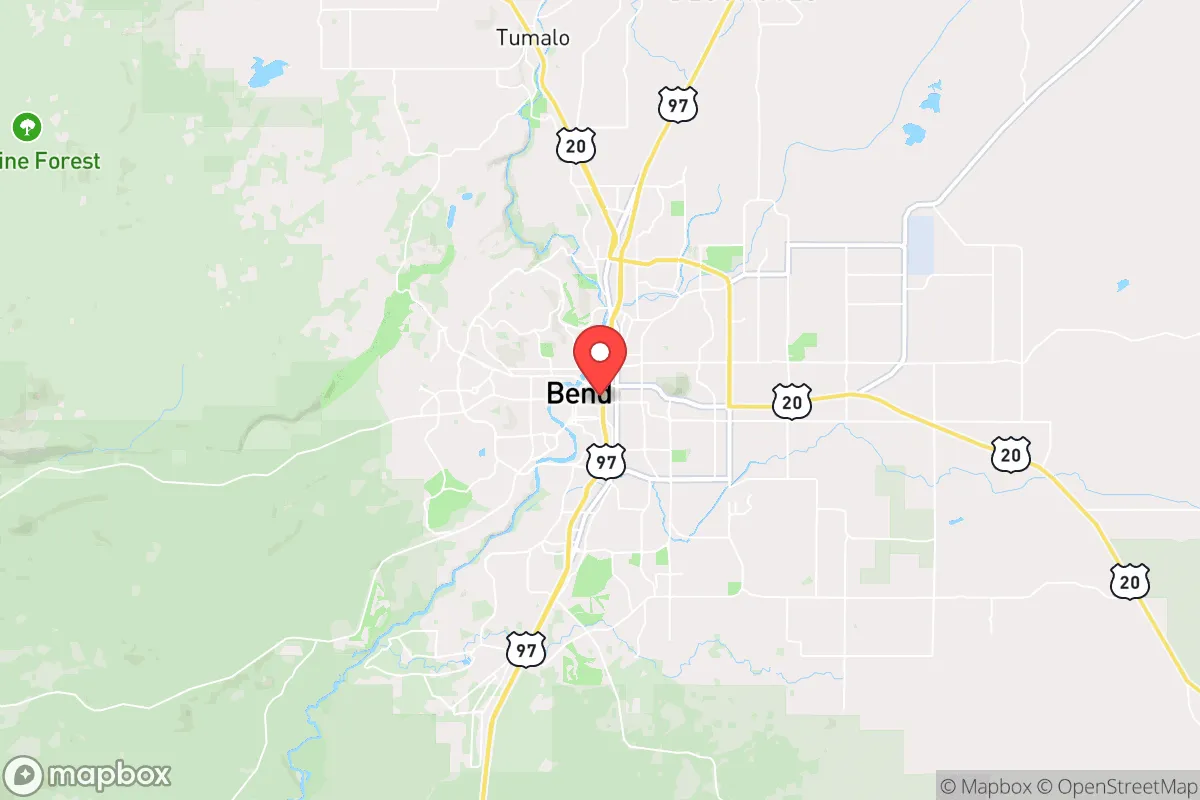
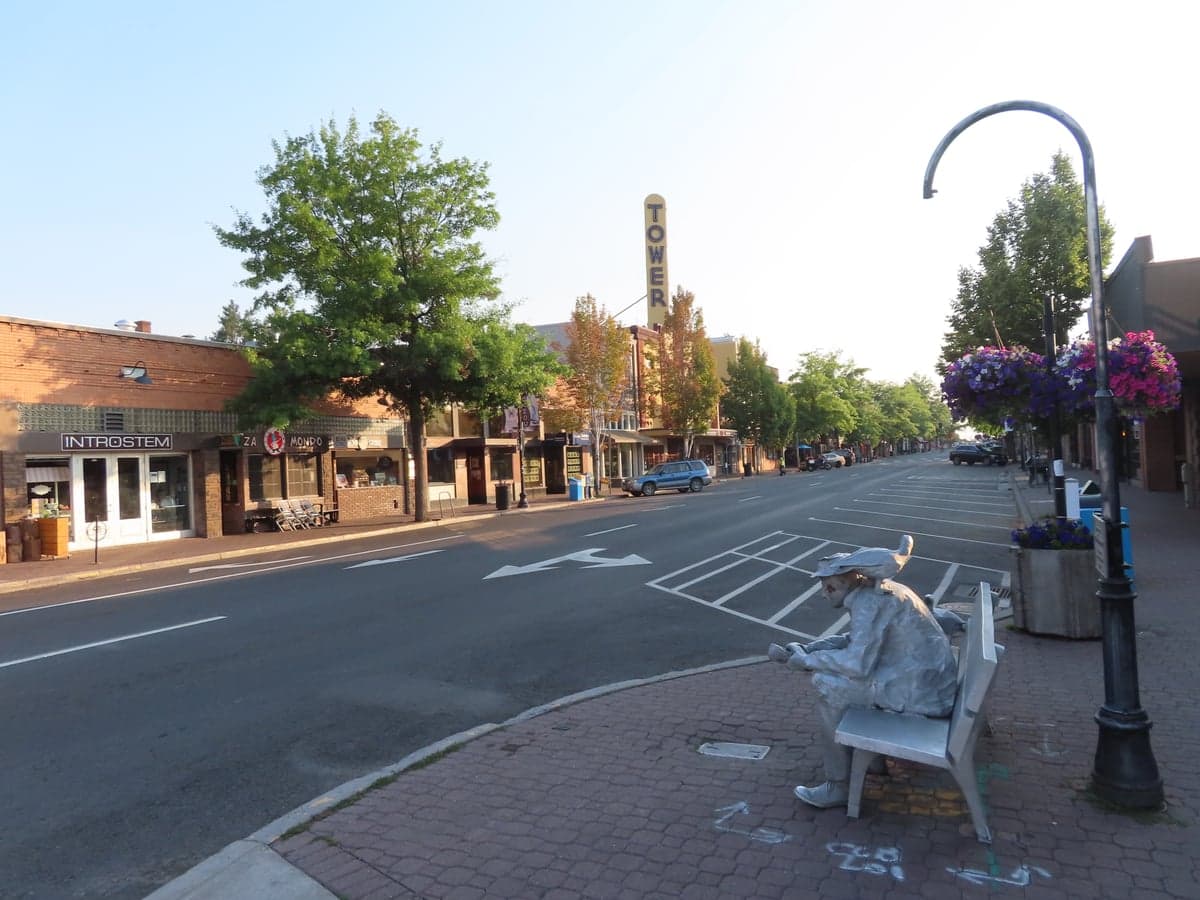
Photo: Wikipedia
Strategic Assessment of Bend, OR
Workable tactical position. Some exposure to population density or targets, but generally defensible in a crisis.
What does the Strategic Assessment tell us?
Our Strategic Assessment grades tactical survivability of an area. Major population centers, military targets, fallout zones, natural disasters, and border exposure all drive risk — lower exposure means a more defensible position in a crisis.
This is heavily inspired by Joel Skousen's Strategic Relocation book. Highly recommended you checkout the book ($)What does this tell us?
Our Strategic Assessment grades tactical survivability of an area. Major population centers, military targets, fallout zones, natural disasters, and border exposure all drive risk — lower exposure means a more defensible position in a crisis.
This is heavily inspired by Joel Skousen's Strategic Relocation book. Highly recommended you checkout the book ($)Strategic Pillars

Key Distances
Regional Safe Places
Below is our recommended "safe zones" in Oregon and the surrounding area based on our strategic heuristics. For most people, it's unrealistic to live in a “safe zone” full-time due to work, family or other personal reasons. They tend to be more rural. However, many of these areas are perfect for second homes and retreat properties that double as a vacation home or even a short-term rental.


Important Note: For informational purposes only. This does not mean nothing bad ever happens in the green zones. Please use common sense. This is based on public data and modeled with AI. We tried to take a conservative approach but mistakes happen. We update this regularly as new information becomes available.
Solar Generator Recommendations
Backup power matters more here than in safer locations. We've picked three solar generators across budgets and capacity tiers — start with the budget unit if you only need a few essentials, or step up if you want to run a fridge and HVAC for days at a time.

Jackery Portable Power Station Explorer 300
Budget OptionPower on the Go: Weighing only 11 lbs, it's convenient to set up and store with book-sized foldable solar panels

BLUETTI Portable Power Station AC180
Designed for both indoor and outdoor scenarios, AC180 is highly capable as it has a robost capacity and continuous output power.

EF ECOFLOW DELTA Pro Ultra Power Station
Upgraded PickEcoFlow DELTA Pro Ultra is a whole-home energy system designed to grow with your family. Integrated with the Smart Home Panel 2, it scales to meet your evolving energy needs — keeping your home powered, intelligent, and secure through every stage of life.
We earn a commission, at no additional cost to you.
Strategic Assessment Analysis
Bend, Oregon, sits in a geographic sweet spot that offers genuine strategic depth for those thinking long-term about resilience, but it comes with trade-offs that demand clear-eyed assessment. Located east of the Cascade Range in a high desert basin at roughly 3,600 feet elevation, Bend is far enough from Portland (160 miles) and Salem (130 miles) to avoid the immediate fallout of urban collapse, yet close enough to supply chains and medical infrastructure to matter. The city’s population has surged past 100,000, and Deschutes County now holds over 200,000 residents, which means you’re not truly remote—but you’re also not stranded. For a conservative-leaning relocator weighing civic unrest, natural disaster, and long-term preparedness, Bend’s combination of dry climate, defensible terrain, and growing local food and energy infrastructure makes it a serious contender, provided you understand the risks baked into its popularity and location.
Geographic position and natural advantages for long-term security
Bend’s location east of the Cascades is its primary strategic asset. The rain shadow effect gives the region only 10–12 inches of precipitation annually, compared to 40+ inches on the western slope, which means fewer mold issues, less road washout, and more reliable solar exposure for off-grid energy. The high desert terrain offers natural chokepoints: the Deschutes River cuts through town, and the surrounding lava fields, buttes, and national forest lands create a patchwork of defensible positions and escape routes. The city sits at the junction of US-97 and US-20, giving you north-south and east-west corridors that avoid the I-5 death trap west of the mountains. For a prepper mindset, the ability to move east toward the empty basins of Harney or Lake County—or north into the less populated Columbia Plateau—is a real advantage. The nearby Ochoco and Deschutes National Forests provide timber, game, and water catchment potential, though you’ll need to navigate federal land-use restrictions. The region’s volcanic geology also means abundant geothermal and groundwater resources, with the Deschutes Basin holding an estimated 1.5 million acre-feet of groundwater—a critical buffer during drought or supply chain disruption.
Risks, exposures, and proximity to fallout-relevant landmarks
No strategic assessment is honest without naming the liabilities. Bend’s biggest exposure is wildfire. The 2020 Labor Day fires—specifically the Lionshead and Beachie Creek fires—came within miles of the city limits, forcing evacuations and blanketing the area in hazardous smoke for weeks. The wildland-urban interface (WUI) around Bend is extensive, with over 40% of homes in Deschutes County classified as high or very high wildfire risk by the Oregon Department of Forestry. If you’re buying, you need defensible space, metal roofs, and a go-bag ready from June through October. The second risk is seismic: the Cascadia Subduction Zone sits 100 miles west, and while Bend is far enough inland to avoid the tsunami, a major quake (8.0+) would likely rupture gas lines, knock out the two main highways (US-97 and US-20 are both built on volcanic soils prone to liquefaction), and disrupt the power grid for weeks. The Pacific Northwest’s electrical backbone runs through the Columbia Gorge, and a Cascadia event could take out the Bonneville Dam complex, leaving Bend reliant on local solar and backup generation. On the human-caused side, Bend’s proximity to the Hanford Nuclear Site (180 miles northeast) is a concern: Hanford holds 56 million gallons of radioactive waste in aging tanks, and a major earthquake or terrorist event could release a plume that, depending on wind patterns, could drift over central Oregon. Also worth noting: Bend is 90 miles from the Oregon National Guard’s Camp Withycombe in Clackamas, and 120 miles from Joint Base Lewis-McChord in Washington—both potential mobilization hubs during civil unrest, which could draw federal attention or traffic to the region.
Practical resilience for a relocator: food, water, energy, and defensibility
For a relocator serious about self-sufficiency, Bend offers a mixed bag. Water is the strongest card: the Deschutes River runs year-round, fed by snowmelt from the Cascades, and the city’s municipal supply comes from groundwater wells tapping the Deschutes Basin aquifer. A private well on a rural property (5+ acres outside city limits) can yield 10–30 gallons per minute at depths of 100–300 feet, though drilling permits and costs ($15,000–$30,000) are rising. The city’s water treatment plant has backup generators, but a long-term grid outage would strain the system—so plan for cisterns, rainwater catchment (legal in Oregon with a permit), and hand pumps. Food production is viable but not effortless: the growing season is short (90–120 frost-free days), and the soil is volcanic pumice and sand, requiring heavy amendment. That said, the high desert sun and low humidity mean fewer pests and diseases, and you can grow cold-hardy crops like potatoes, kale, and root vegetables. Local food infrastructure is decent: the Bend Farmers Market runs May through October, and there are over 20 CSAs in Deschutes County, but winter supply chains are thin. For long-term storage, the dry climate is excellent—no humidity to ruin grains or freeze-dried goods. Energy resilience is improving: Bend gets over 300 sunny days per year, making solar a strong play. Pacific Power’s grid is moderately reliable (average 2–3 outages per year, mostly weather-related), but net metering is capped, and battery storage is essential if you want true independence. Propane is widely available for backup heating and cooking. Defensibility is situational: the city itself is a sprawl of subdivisions and strip malls, not a fortress. But the rural fringe—areas like Tumalo, Alfalfa, or the Crooked River Ranch—offers 5–40 acre parcels with long driveways, sight lines, and limited access points. The local sheriff’s office is well-funded (Deschutes County levies a dedicated public safety tax), and the gun culture is strong but low-key—plenty of BLM land for training, and no magazine capacity restrictions in Oregon (as of 2026, though ballot measures are a perennial threat). The biggest practical weakness is the single hospital: St. Charles Bend is a Level II trauma center, but it’s the only one for 100 miles. A mass casualty event or pandemic surge would overwhelm it quickly.
The overall strategic picture for Bend is one of high potential tempered by growing pains. It’s not a bug-out location—it’s a long-term base with real assets: water, solar, defensible terrain, and a community that, while increasingly liberal in the city core, still has a strong rural conservative backbone in the outlying areas. The risks—wildfire, seismic vulnerability, and proximity to Hanford—are manageable with proper planning and property selection. The bigger concern is the trajectory: Bend’s population grew 25% between 2010 and 2020, and the influx of remote workers and retirees is driving up land prices and straining infrastructure. If you’re looking for a place to ride out the next decade of instability, Bend offers a solid foundation, but you need to buy smart, build redundant systems, and accept that you’re not hiding—you’re preparing to hold ground in a region that will be a pressure point in any major crisis. For a conservative relocator who values self-reliance and isn’t afraid of hard work, Bend is worth a serious look, but go in with eyes open and a well-stocked shed.

* Values derived from national, state, county, city and local statistics and may differ in a specific area. Last updated: 2026-05-02T13:58:17.000Z
Narrative content on this page is AI-generated and may contain mistakes. Verify any details that matter before acting on them.
ReloMaps may earn a commission from affiliate links at no extra cost to you.

